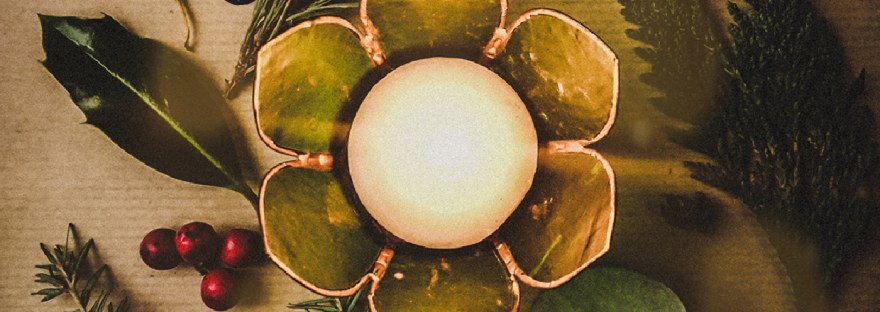
As we move towards Mabon, the festival marking the Autumn equinox in the Northern hemisphere, we leave behind the long days of Summer as day length slowly dwindles.
The word ‘equinox’ comes from the Latin word meaning ‘equal night’ and twice a year, on both the Spring and Autumn equinoxes, night and day length become equal. This can be a good time to pause and reflect on the balance in our own lives…
Lammas (also known as Lughnasadh) marks the height of Summer and falls between the Summer Solstice (Litha) and the Autumn Equinox (Mabon) each year. The festival is typically celebrated at the start of August, but the energy of this period can be felt from mid-July to mid-August.
Traditionally Lammas marked the beginning of the harvest. Corn, Wheat and other grains have reached maturity and stand golden in the fields awaiting their harvest. Seeds and fruits are ripening. This is a time of abundance, gathering and taking stock of the year thus far.
Litha, the festival celebrated at the Summer Solstice marks the longest day in the Northern Hemisphere. Light reaches its peak. The days stretch long and this can feel both productive and/or overwhelming depending on how nourished we are feeling at this time.
The Summer Solstice falls on 21st June and can be a good time to create some rituals to connect with your self and the earth and fill up your well, if only for a short but mindful time.
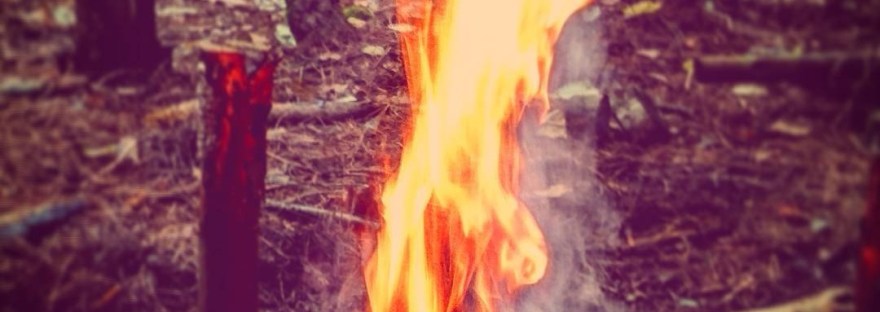
The festival of Beltane is almost upon us and marks the peak of Spring in the Northern hemisphere. Beltane is a fire festival, with the word bel-tene meaning a ‘goodly fire.’ Fire has long been associated with transformation, cleansing and purification, burning the old down to make way and fertilise the new. At Beltane, Spring has reached its peak and Summer begins to emerge with a more direct and committed energy.
To connect with this, you may wish to light a fire, candle or burn incense over the weekend to help physically and symbolically clear the path for a new season. whilst observing the flame consider any or all of the following:
I don’t know about you, but I can find myself feeling pretty restless at this time of year. The transition away from Winter can be a long one. The promise of Spring feels so sweet when it arrives. Those first warm rays on the skin and the sound of bird song lift my heart so much. And just as I am about to lean right in to the new season, Winter announces she isn’t quite done as she delivers one last blast…
I have noticed over the past few years that my mind can become restless at this time of year. My mood and energy feel as mixed as the weather. One foot planted amongst the hopeful wildflowers of Spring, the other hanging back in the heavy malaise of Winter’s end.
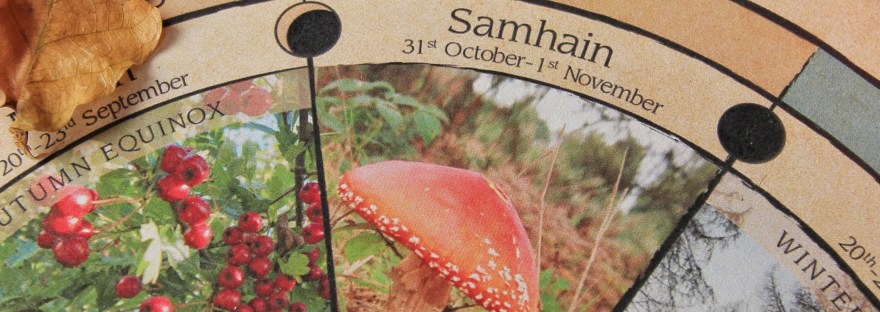
Samhain (pronounced sow-in) is one of the eight seasonal festivals that make up the wheel of the year, an ancient way of observing the yearly cycle, and the transition of the sun and the seasons. Samhain is celebrated at the end of October/beginning of November (the origins of modern day Halloween) and marks the final harvest period of the year and the birth of the Winter. At this time of year we can observe the natural world preparing for the Winter months that stretch ahead. Trees lose their leaves, plants die back, and animals stock up and may begin to migrate or hibernate.
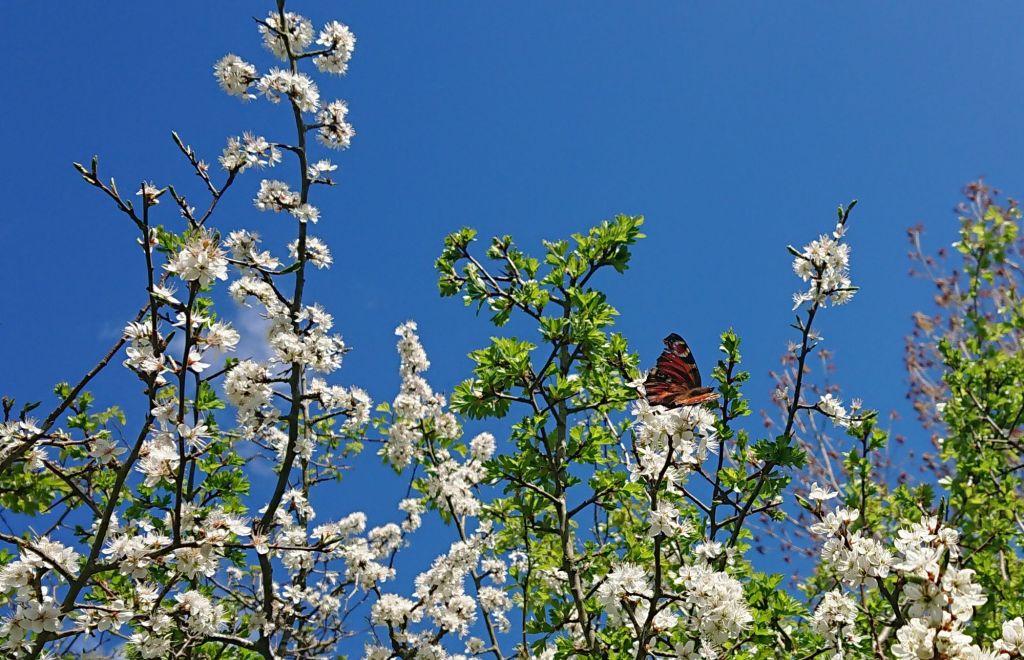
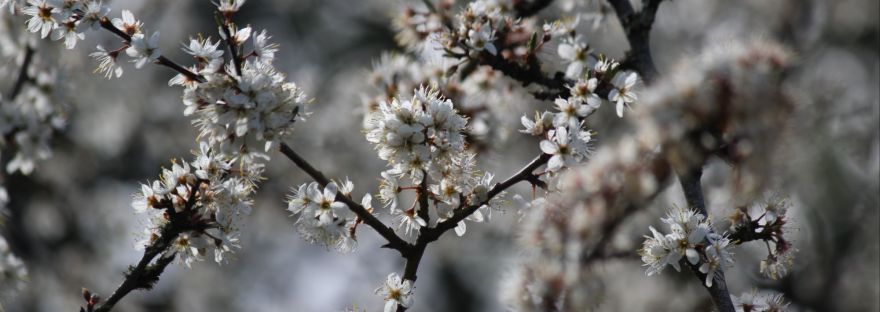
The next festival in our Wheel of the Year journey is Beltane, celebrated around the beginning of May in the Northern hemisphere. Beltane is the mid point between the Spring Equinox and the Summer Solstice. It marks Spring’s peak and the birth of Summer and is a celebration of the Earth’s fertile energy and life force at this time.
This is a time of abundance, union and life force. Flowers are blooming, new life is being born and the Sun’s strength is increasing. This is a fertile time in the natural world, and can help us to ignite projects, cultivate new actions and reflect on what we need in order to bloom. This increase in active energy, can leave us feeling a little worn out at times, so it is good time to ensure rest, self care and nourishment is established to balance this busy time.
In astronomical terms, the Spring Equinox (also known as Ostara) marks the beginning of the Spring season in the Northern hemisphere and falls between the 20th – 23rd March each year.
The word ‘equinox’ comes from the Latin word meaning ‘equal night’ and twice a year, on both the Spring and Autumn equinoxes, night and day length reach a point of balance. The light has slowly but surely been increasing from it’s lowest point at the Winter Solstice (Yule) in December. It will now continue to expand, overtaking the hours of darkness, until it reaches its peak on our longest day at the Summer Solstice (Litha) in June.
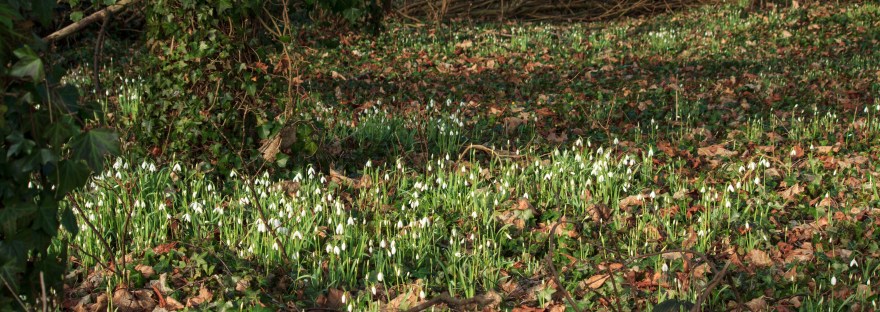
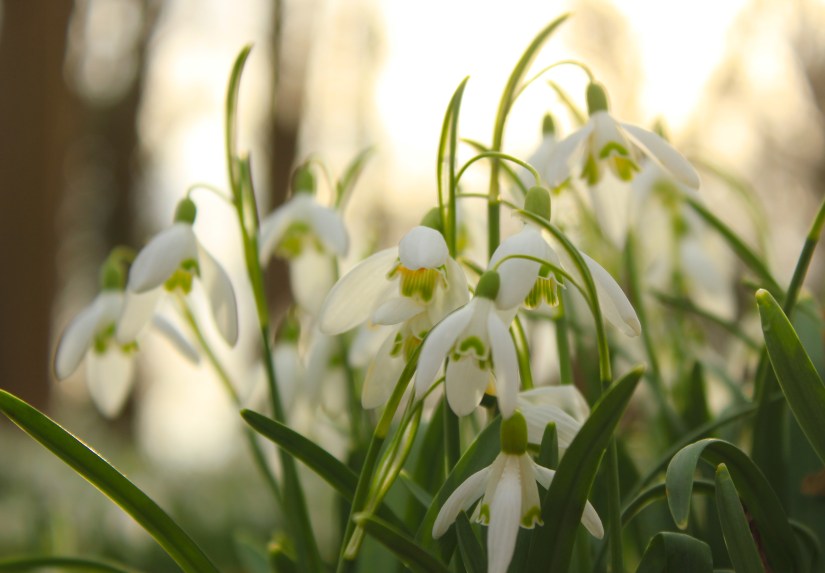
Traditionally celebrated at the beginning of February in the Northern Hemisphere, Imbolc marks late Winter, as the very first signs of Spring emerge. It falls midway between the Winter Solstice (Yule) and the Spring Equinox (Ostara).
At this time of year, the land is beginning to awaken from Winter’s slumber. Light is increasing, encouraging changes in the behaviour of our animal friends and we may notice our own energy changing too. Most growth is still occurring underground, but some little pioneer plants bloom first, signalling the quickening of the year.
We have now arrived at the darkest day of the year in the Northern hemisphere. Energy and light levels are low and the earth is still in hibernation. Today, at the Winter Solstice, (also known as Yule) the sun stands still at its furthest point, before slowly returning once more with its light and warmth.