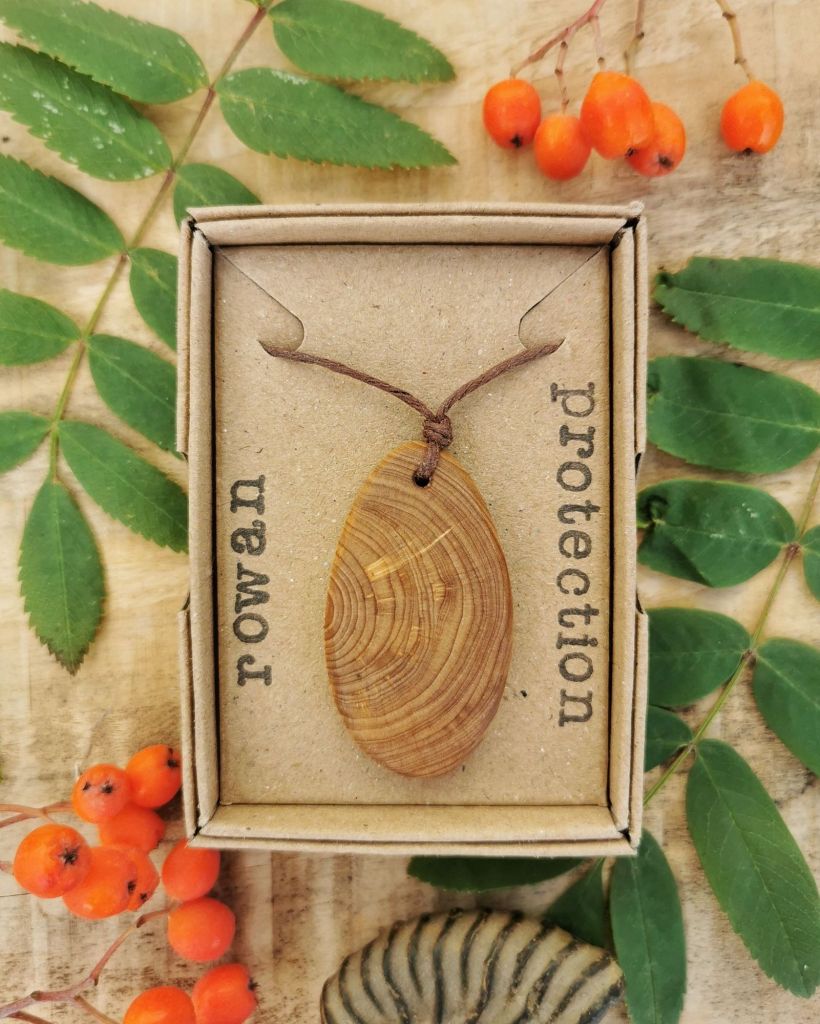
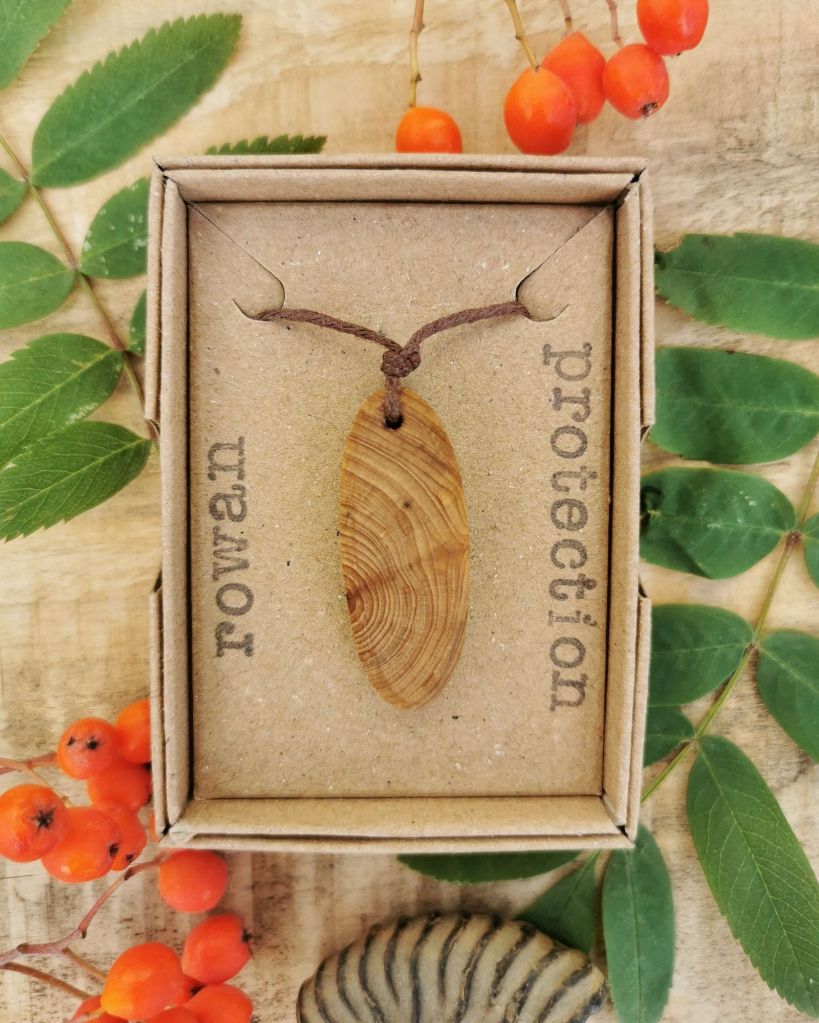
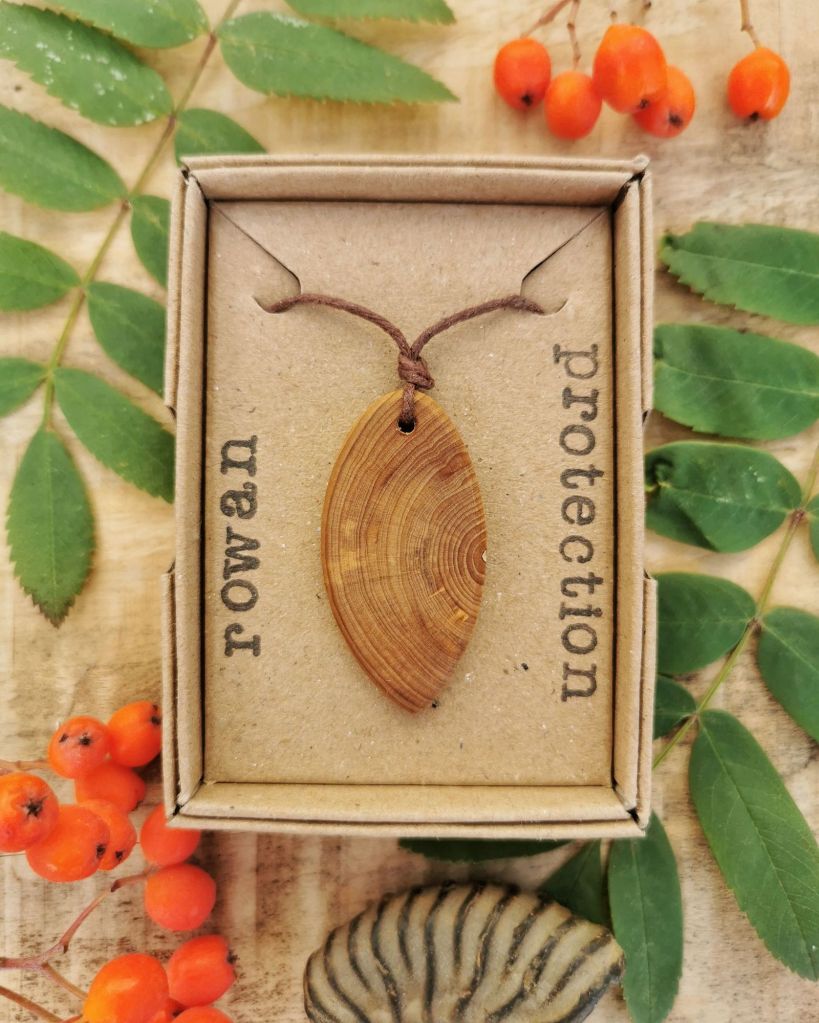
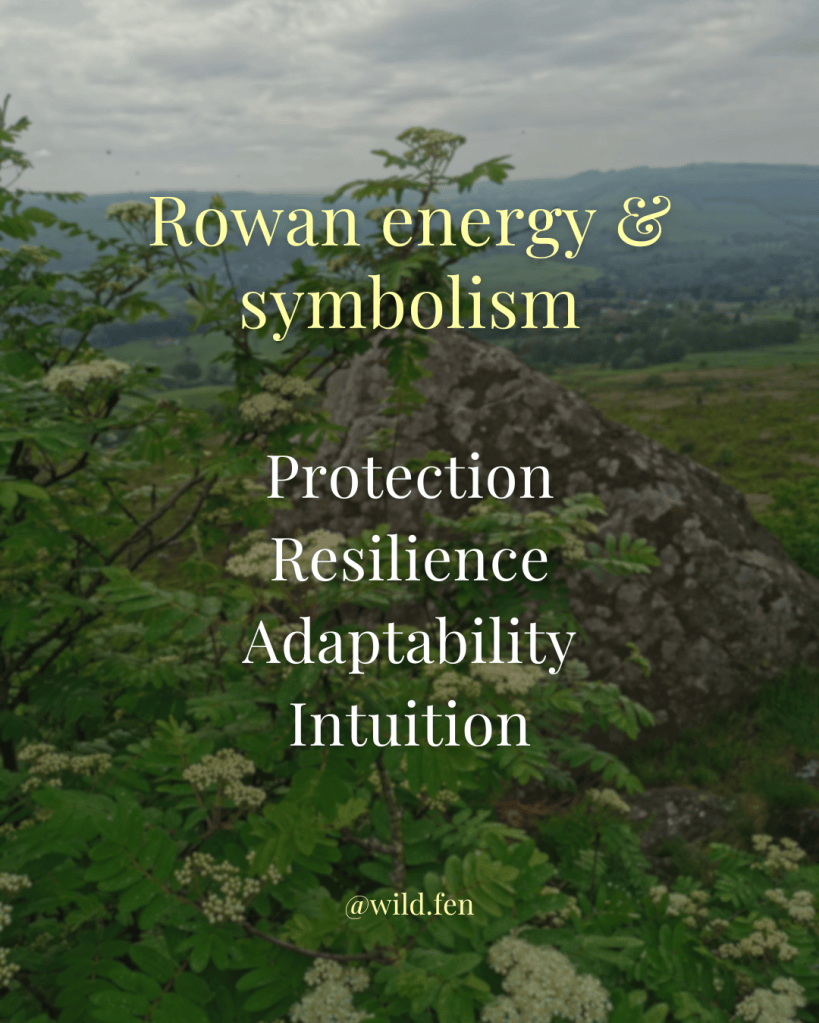
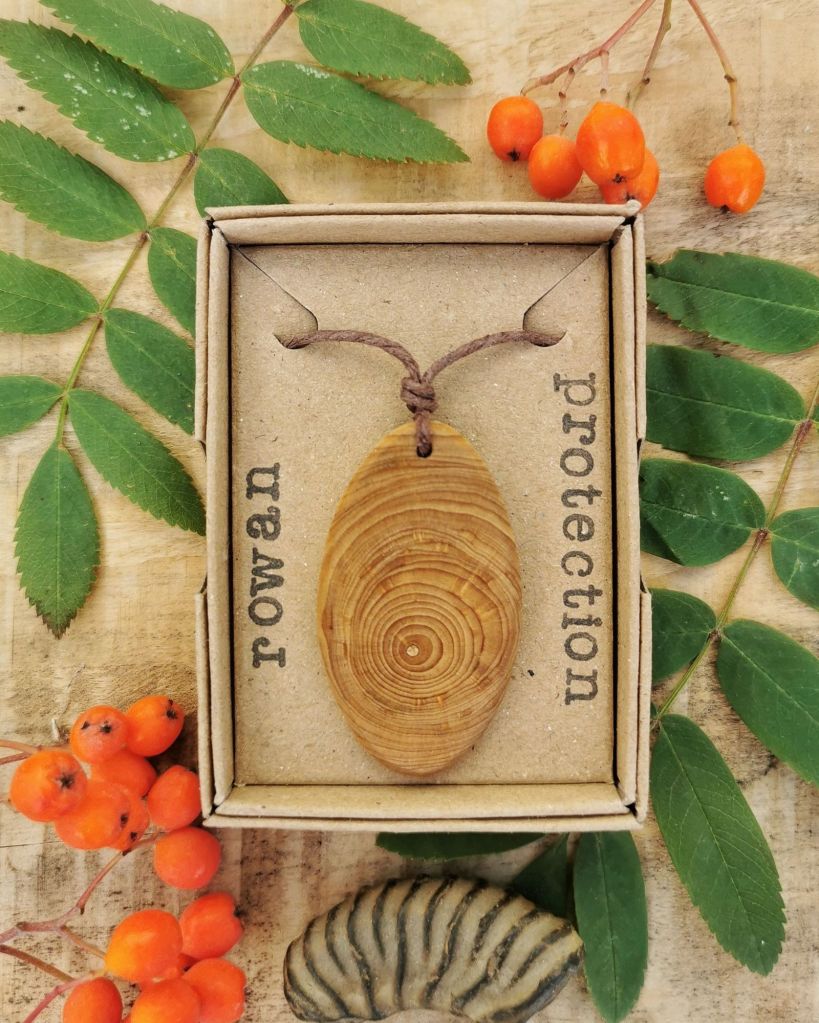
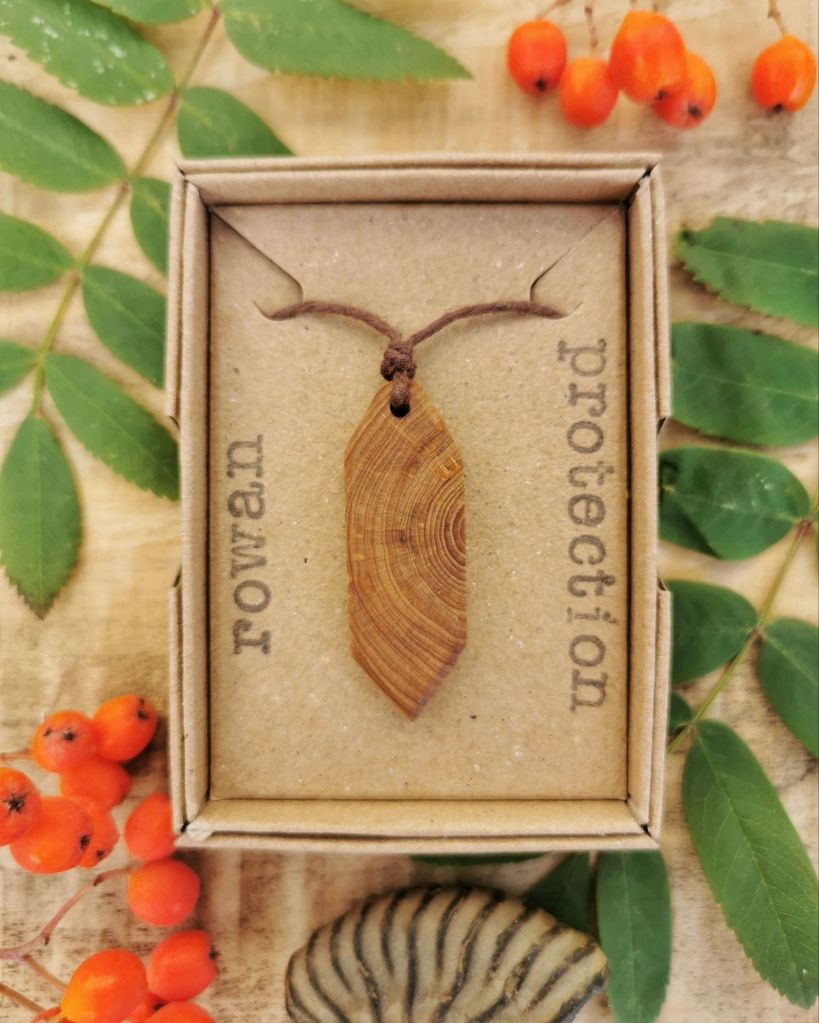
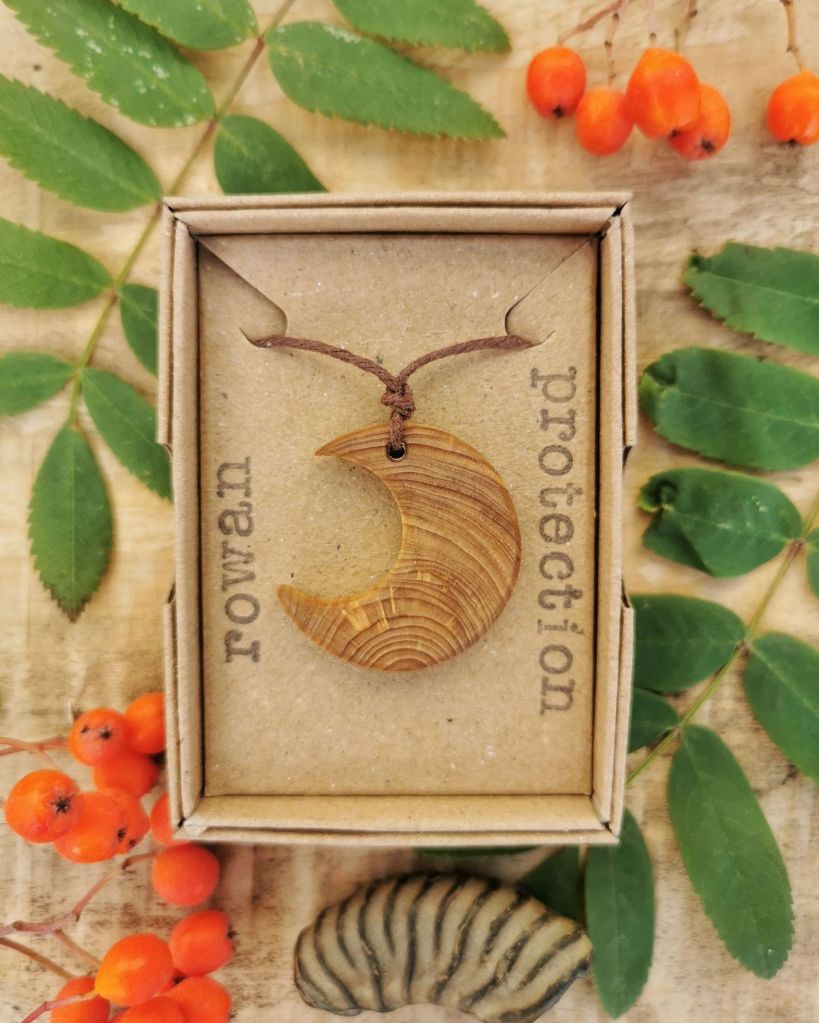
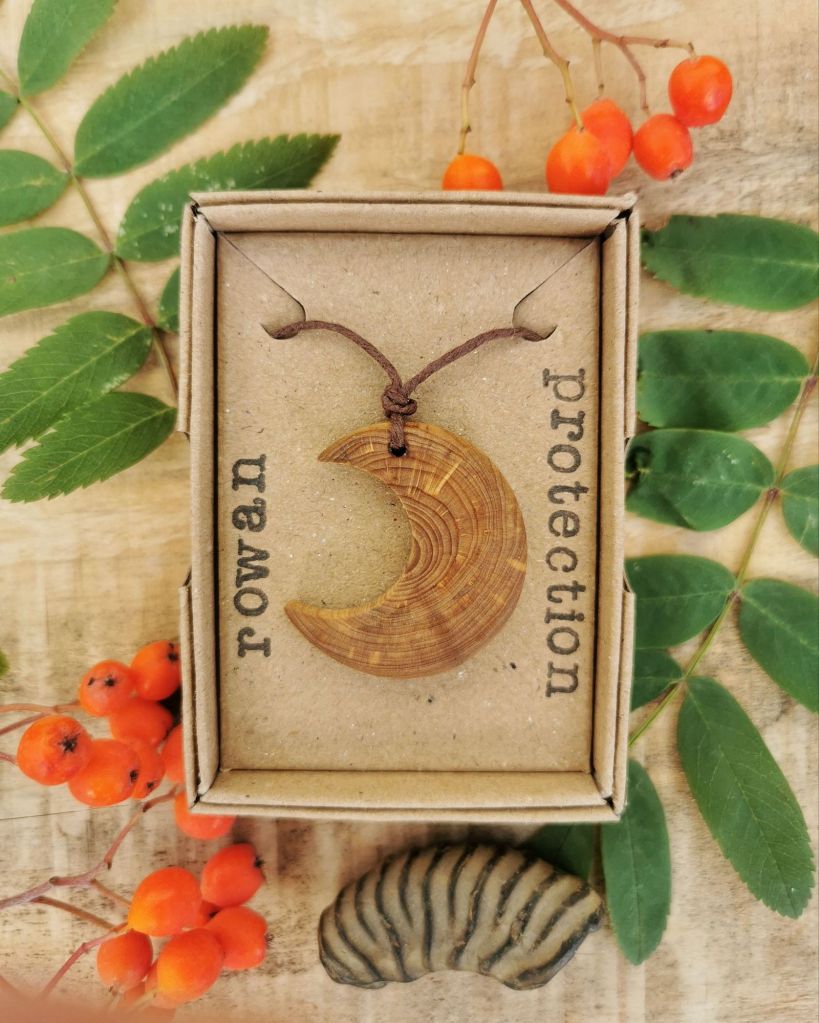
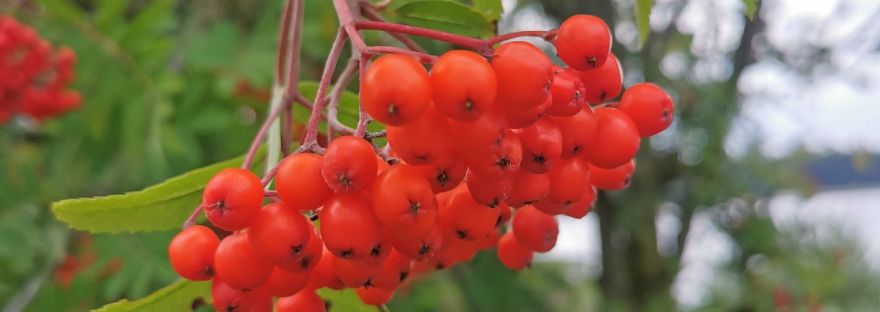
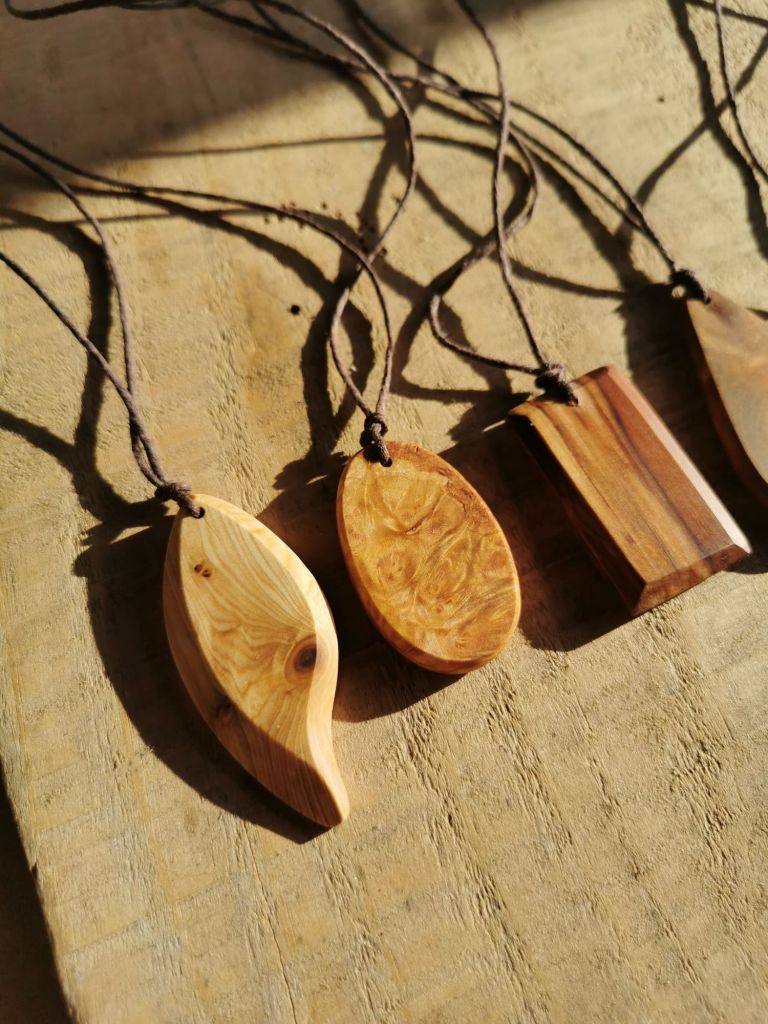
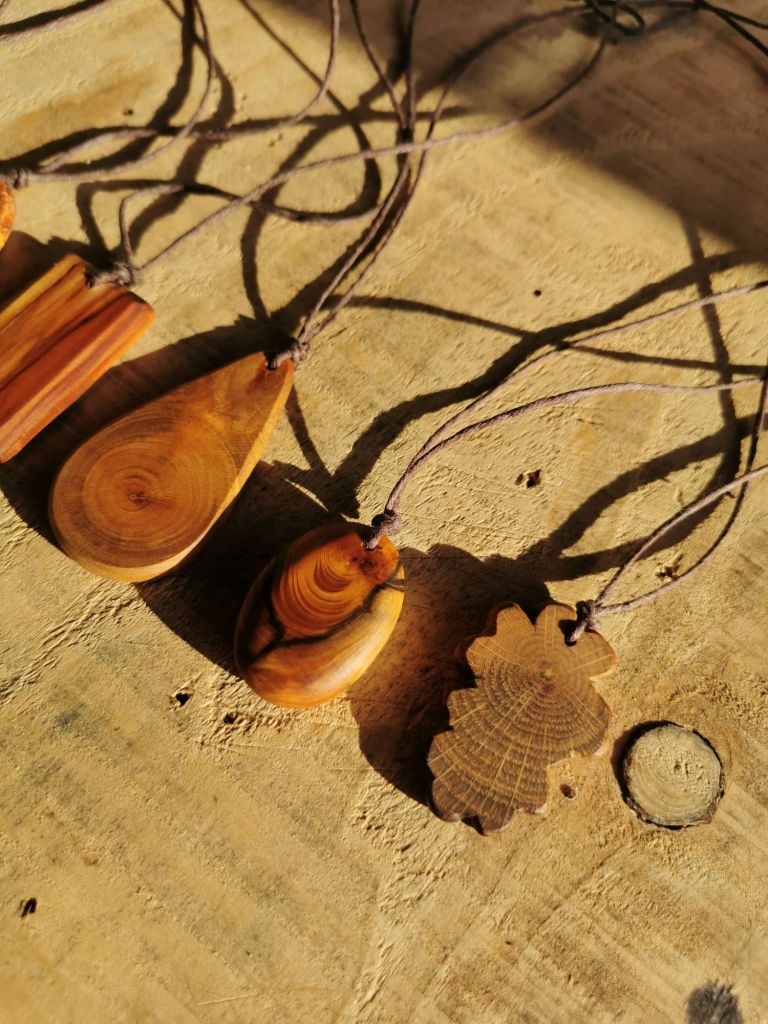
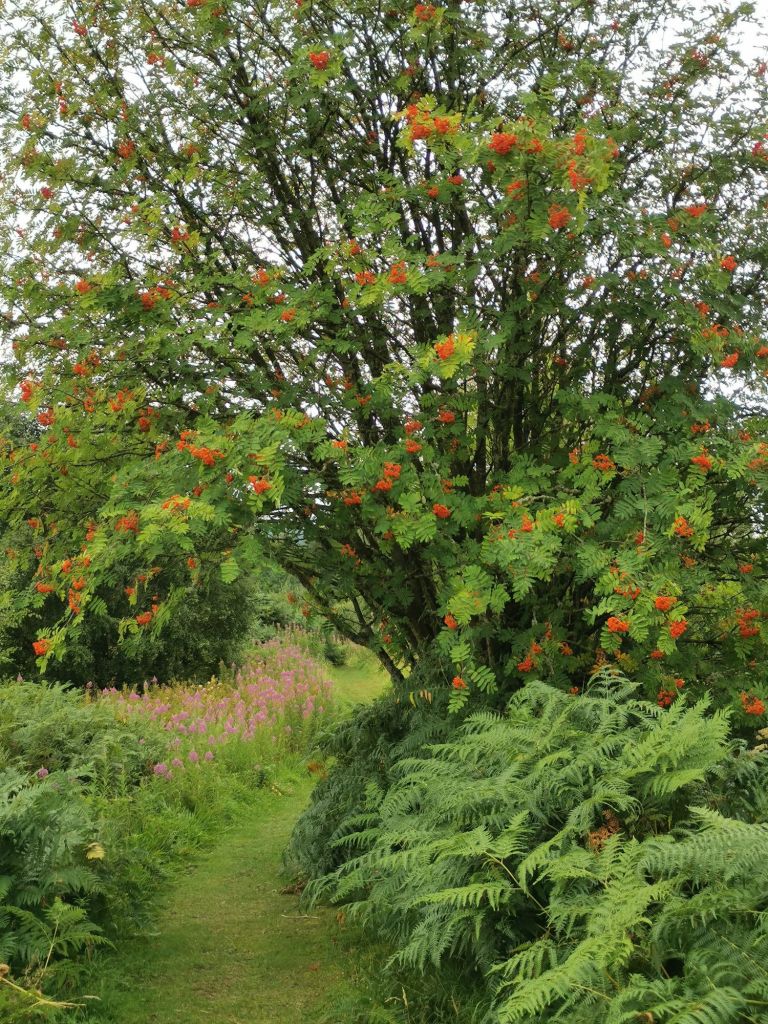
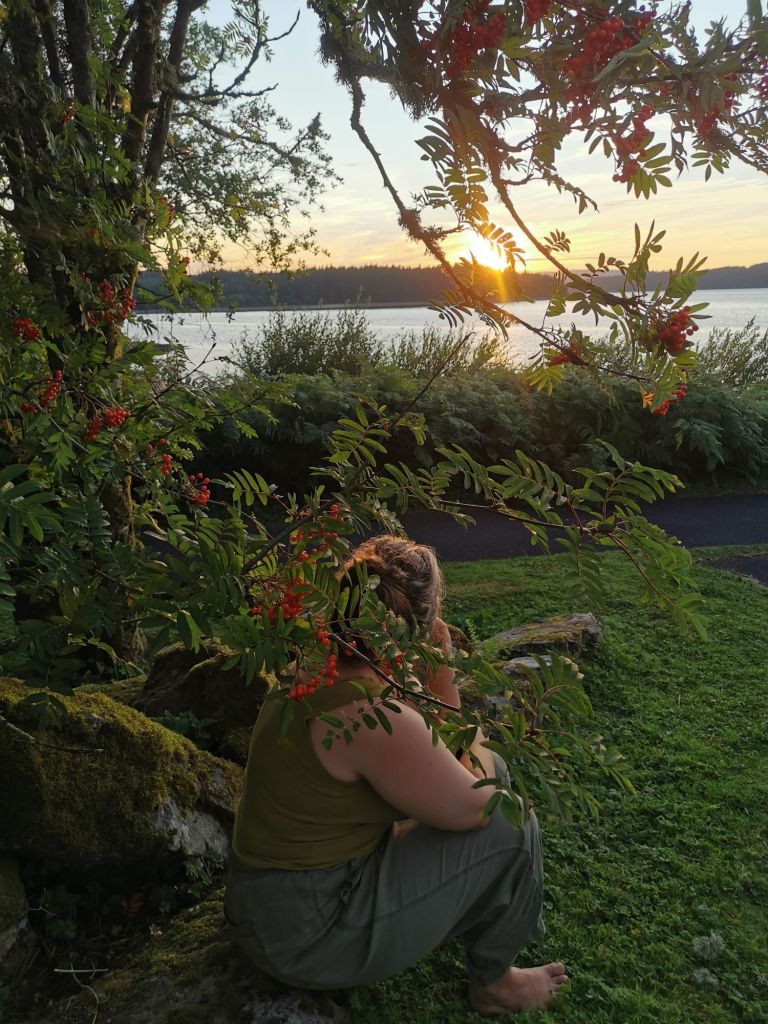
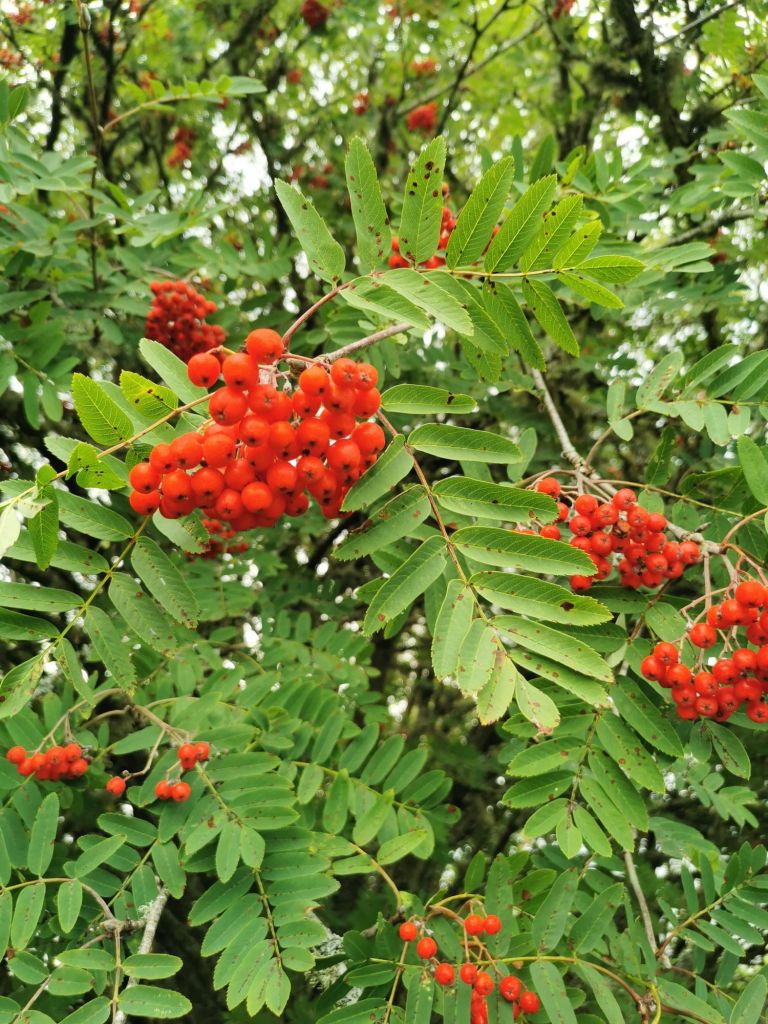
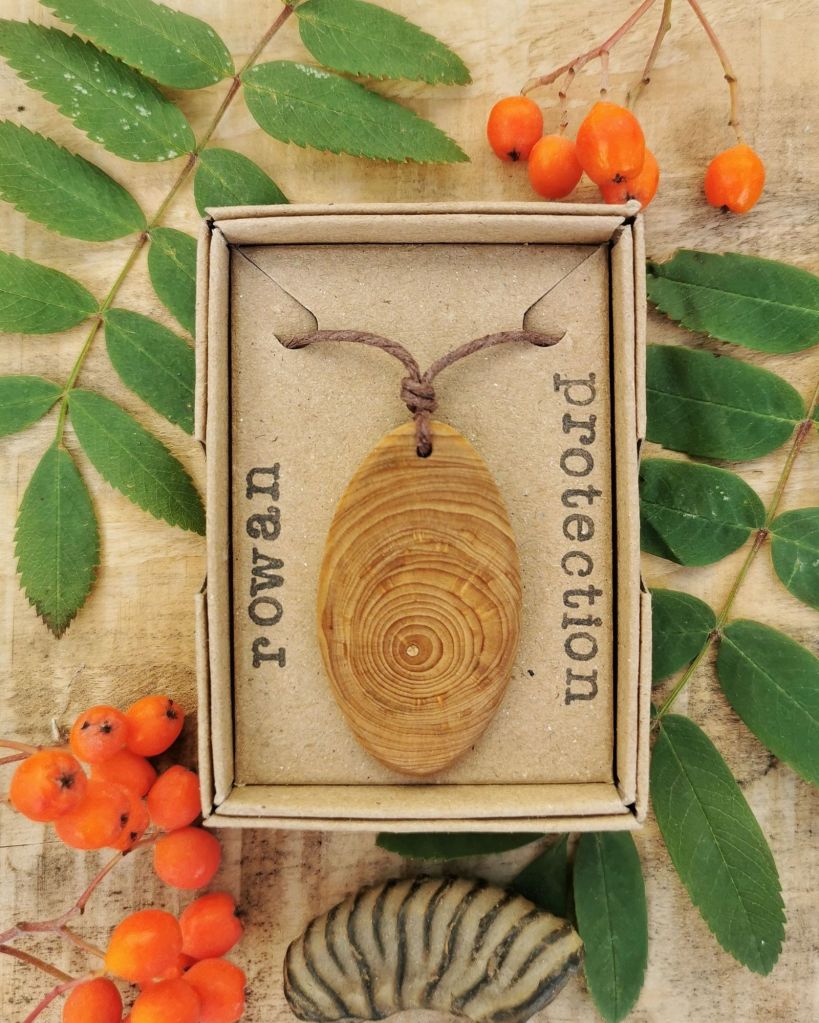
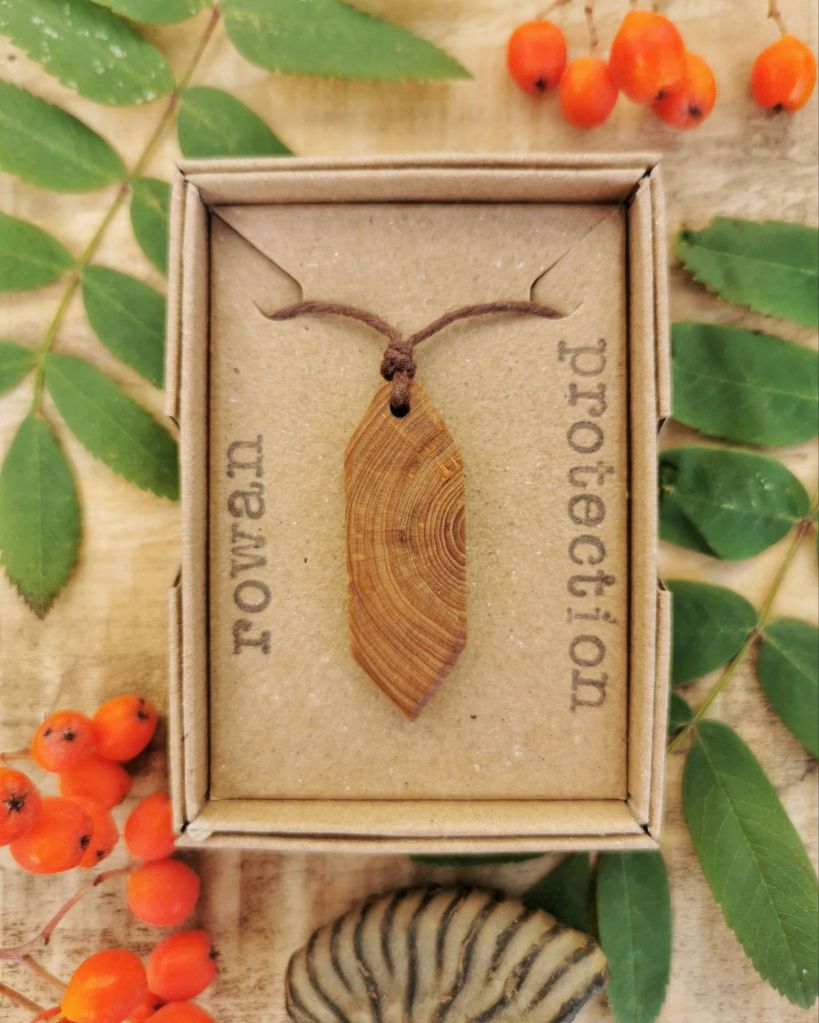
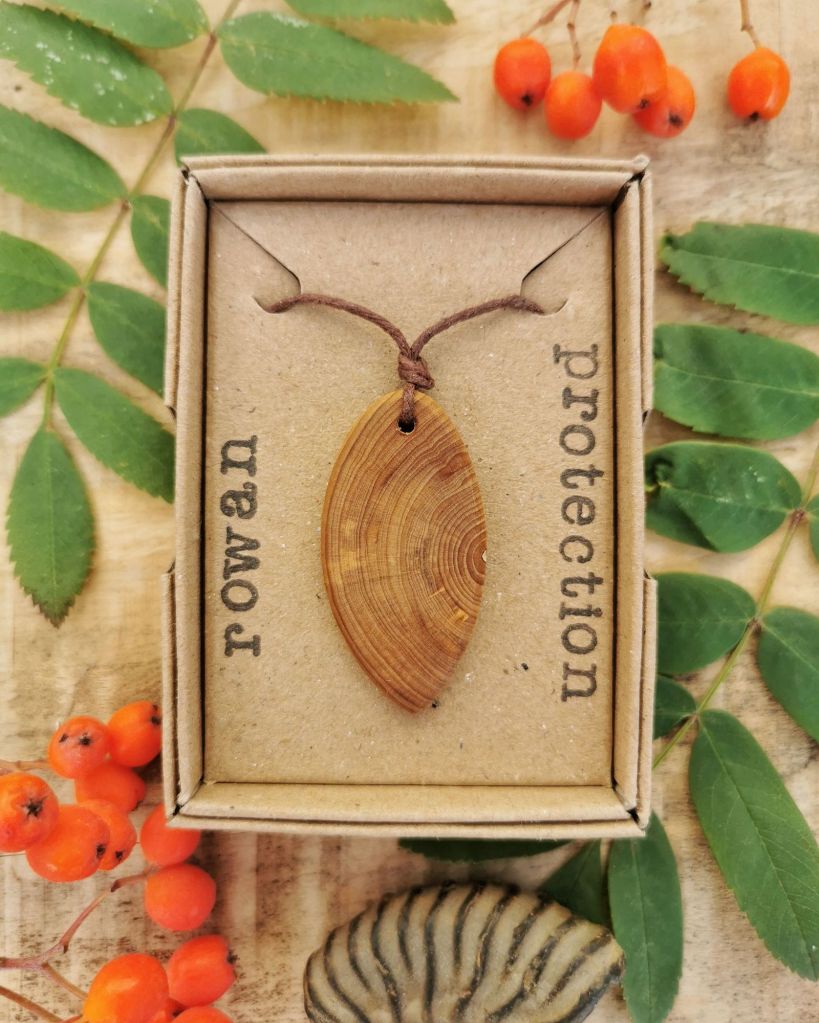
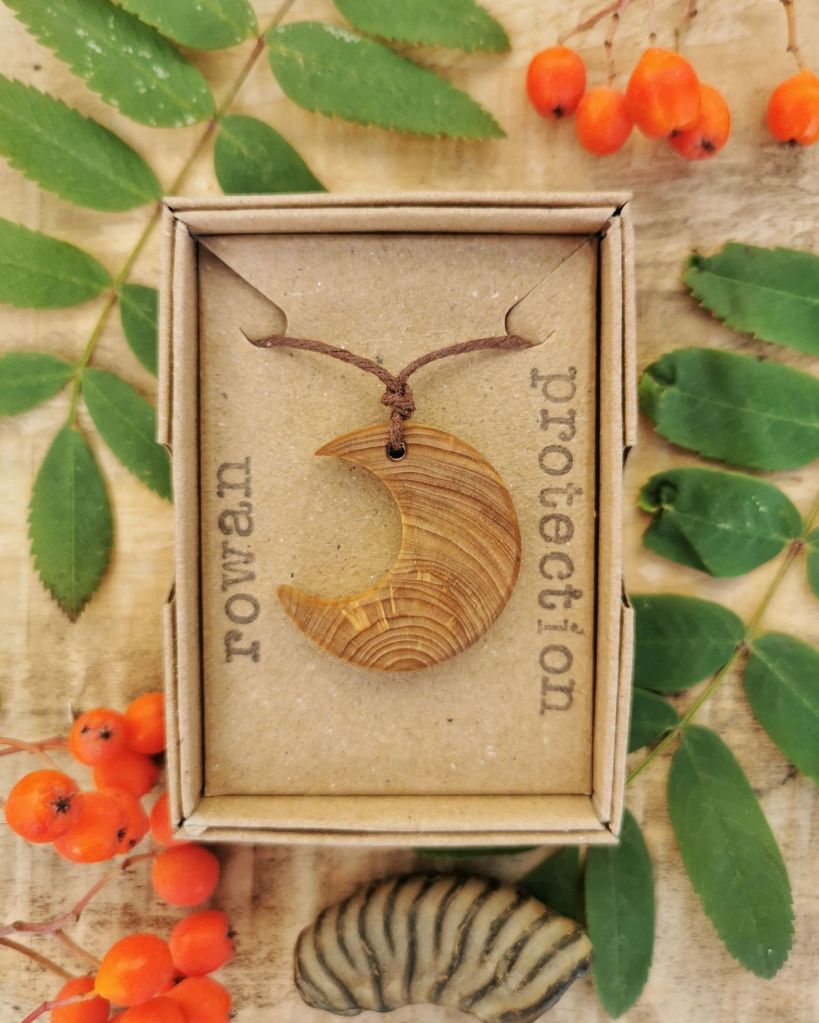
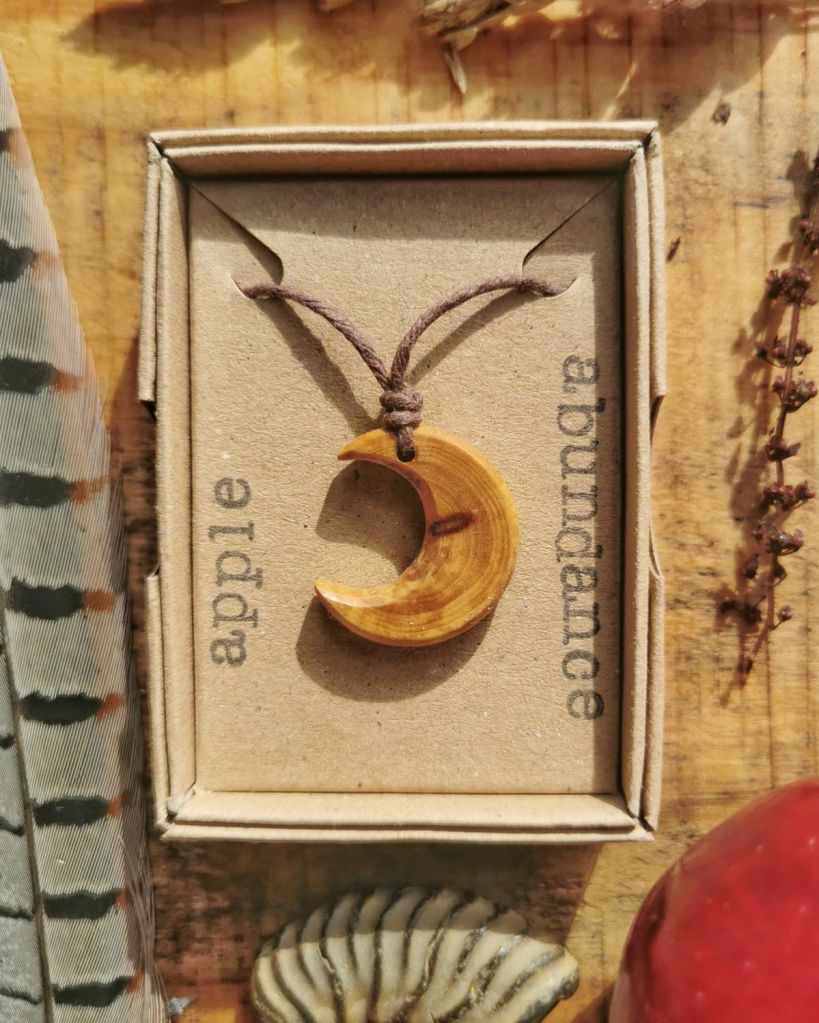
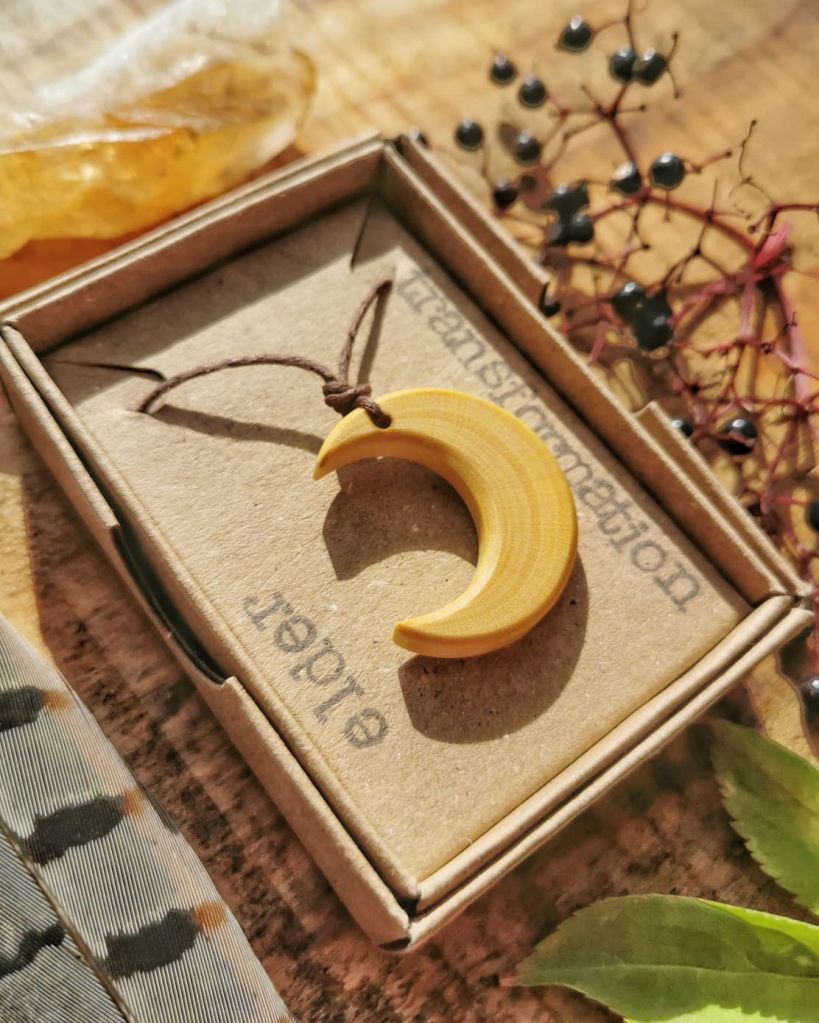
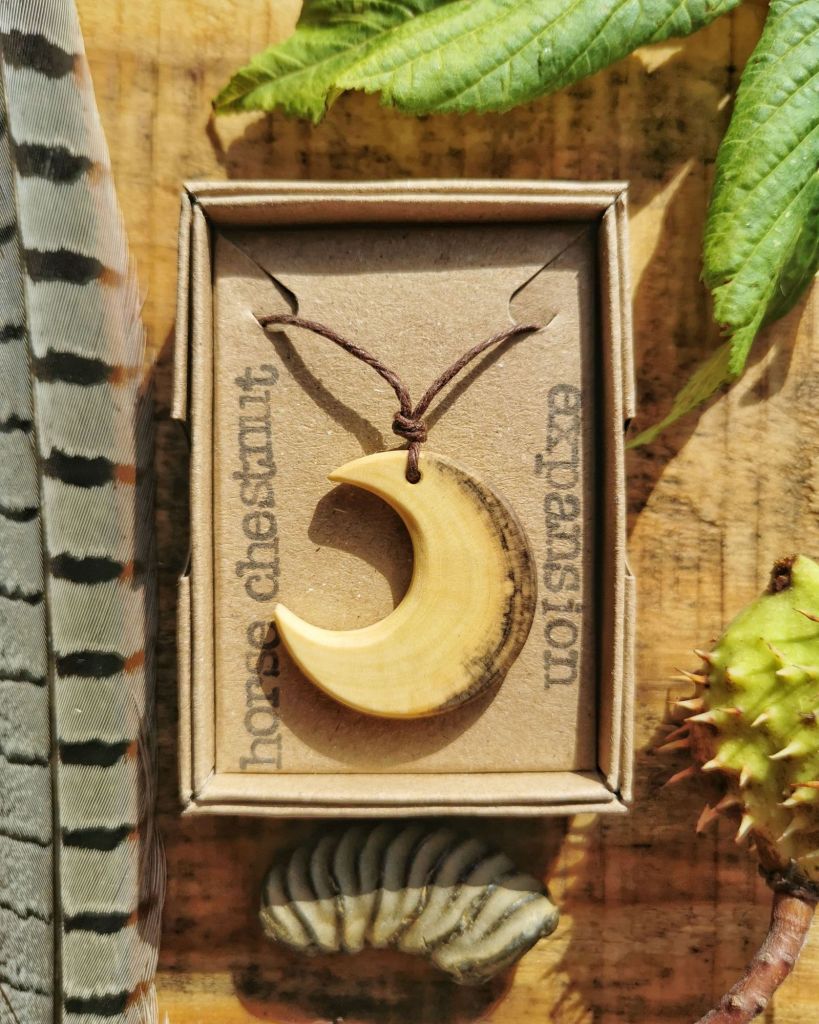
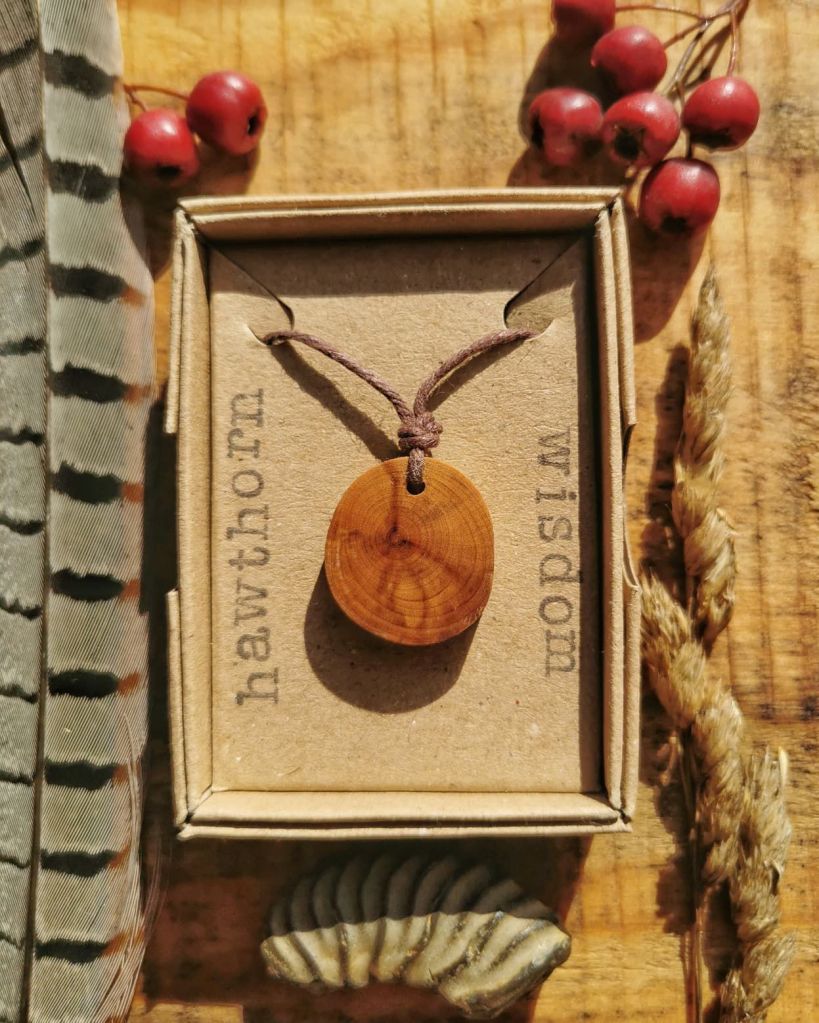
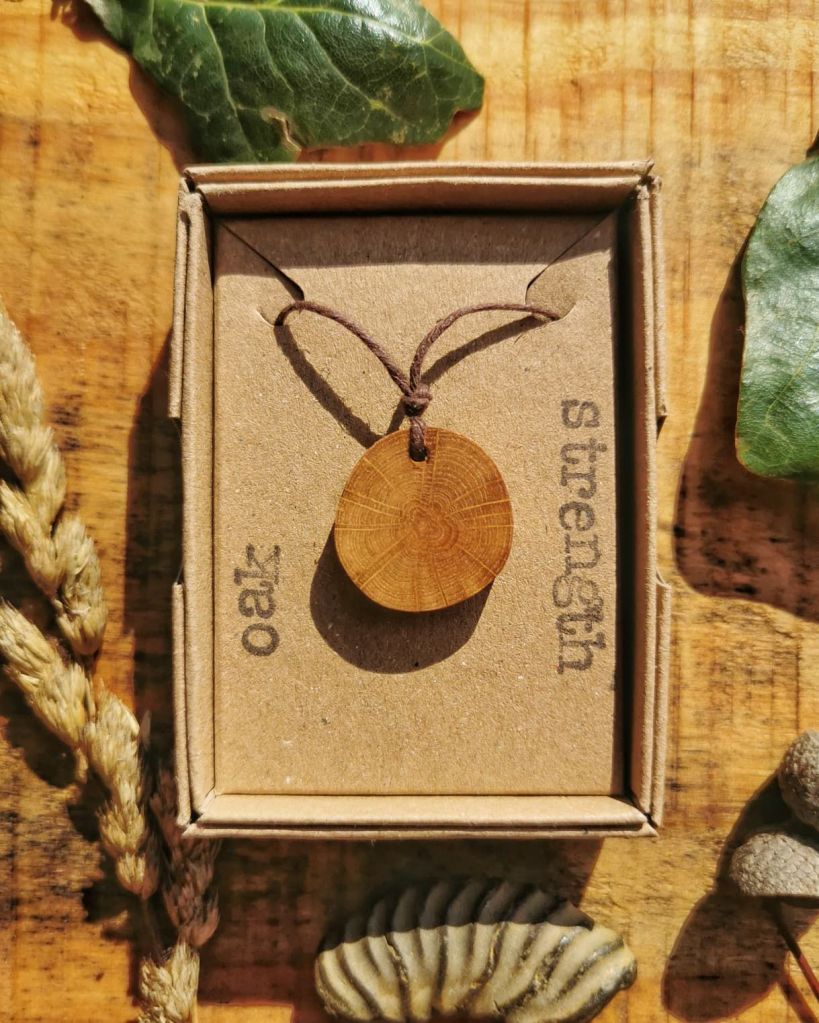
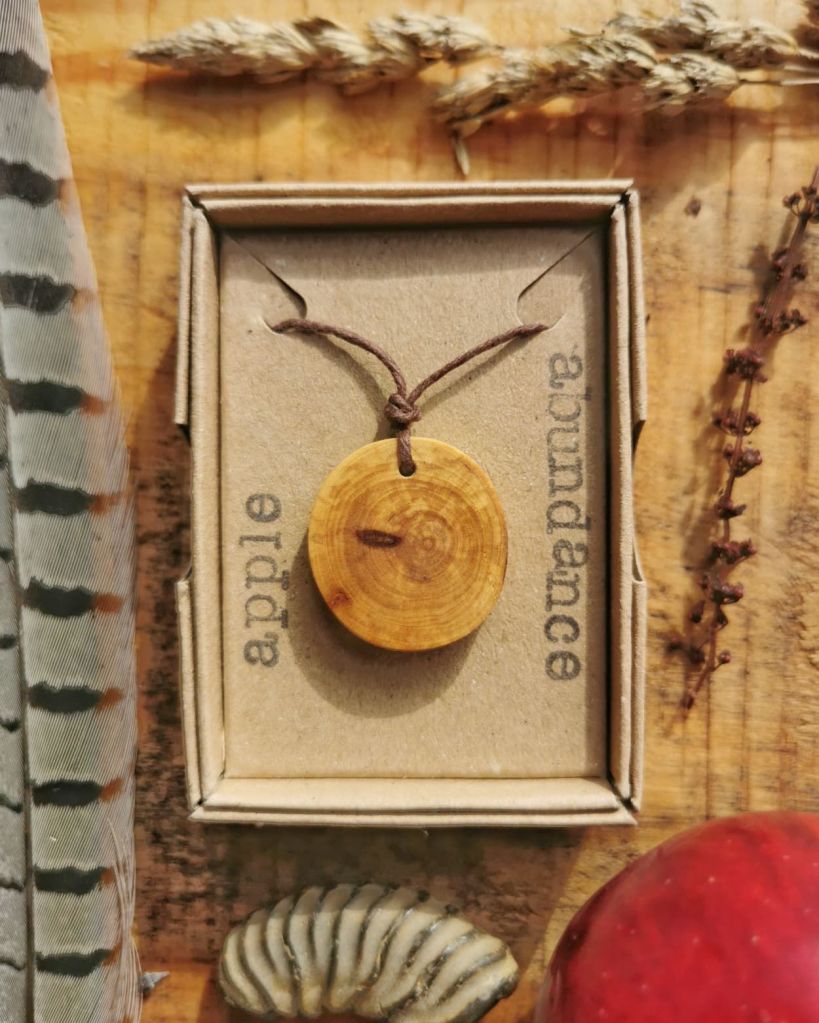
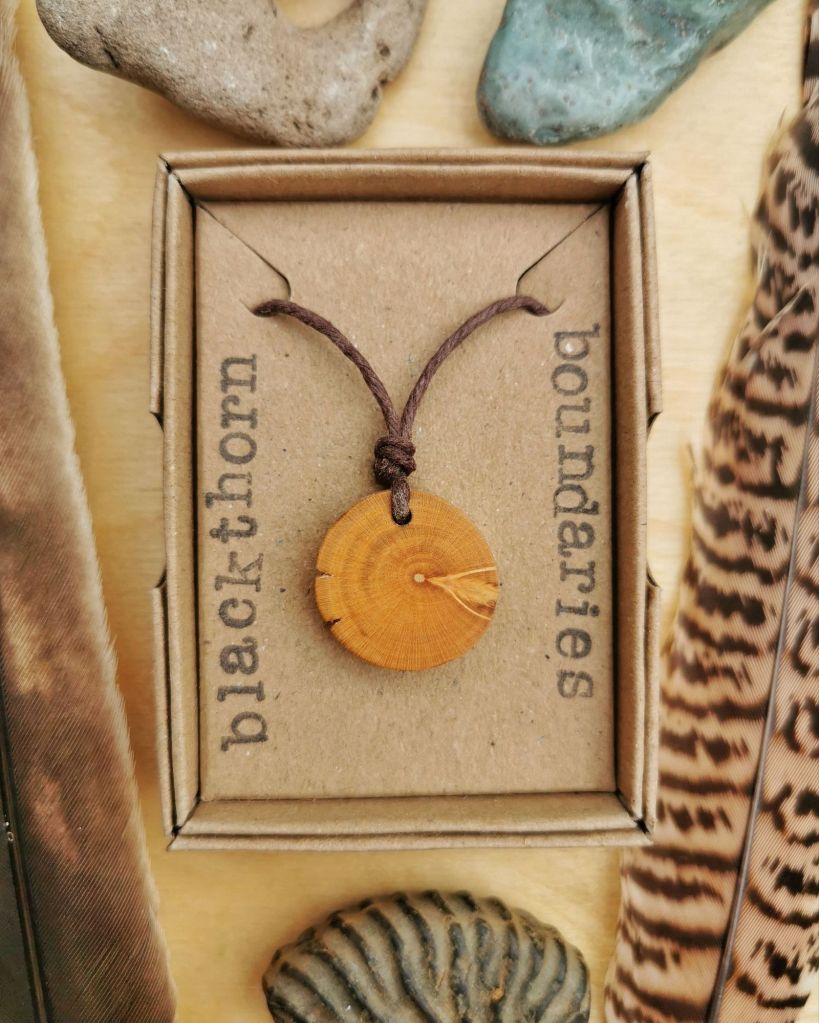
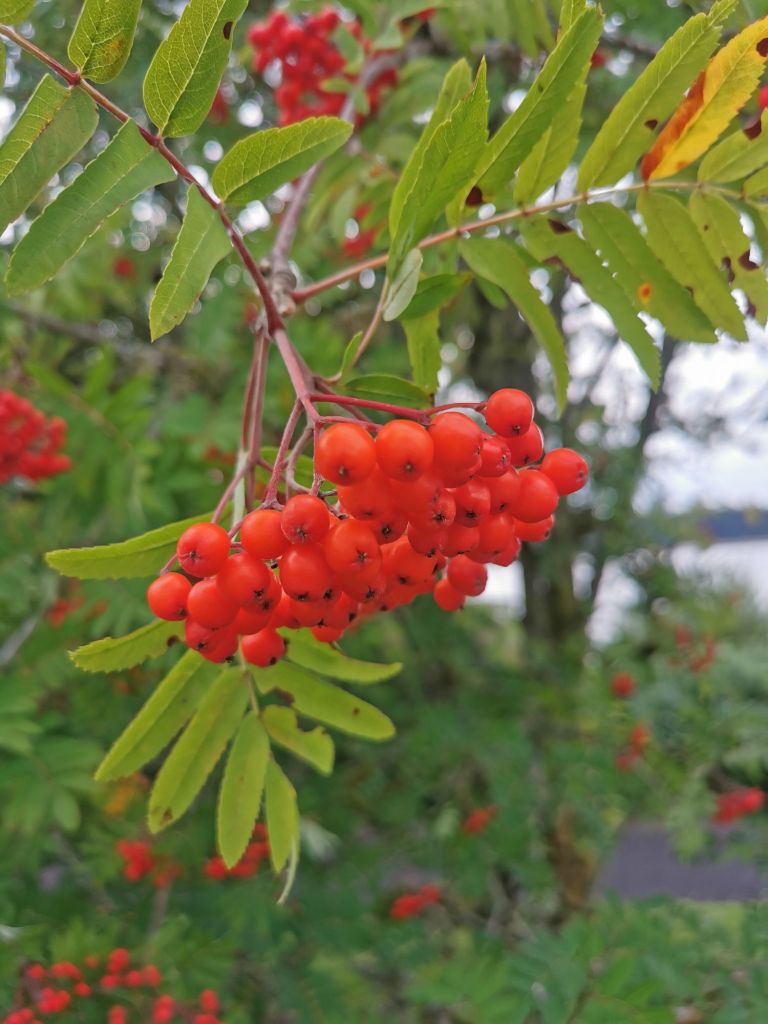
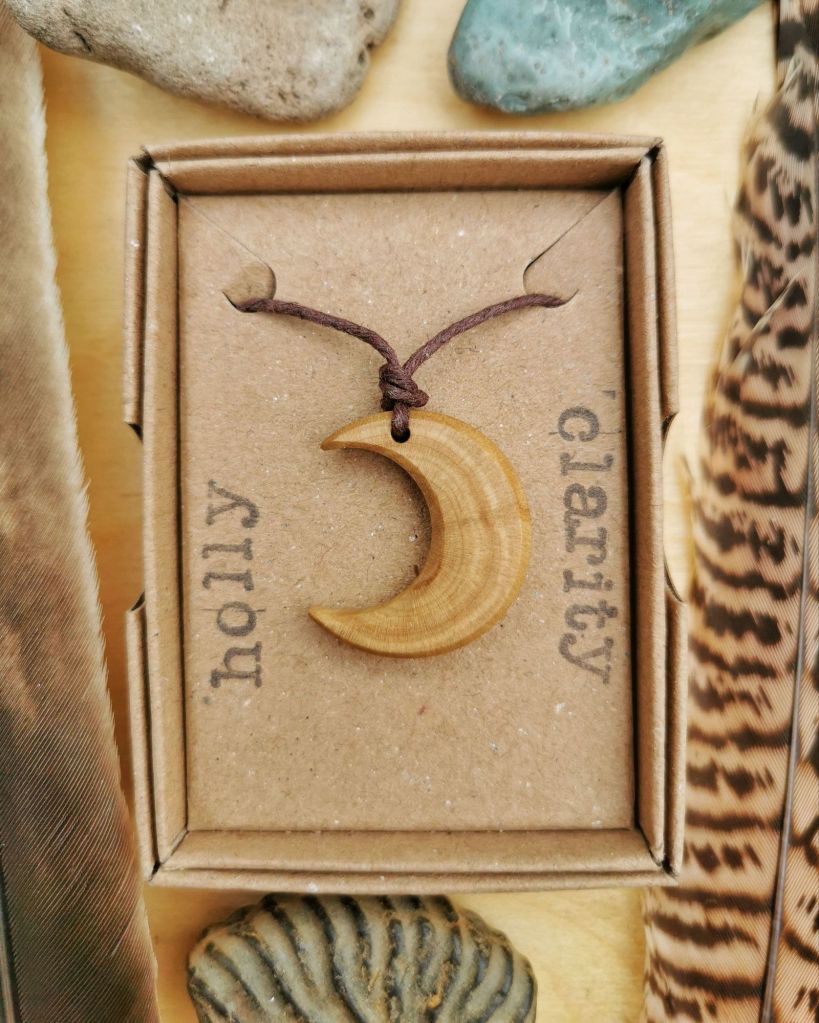
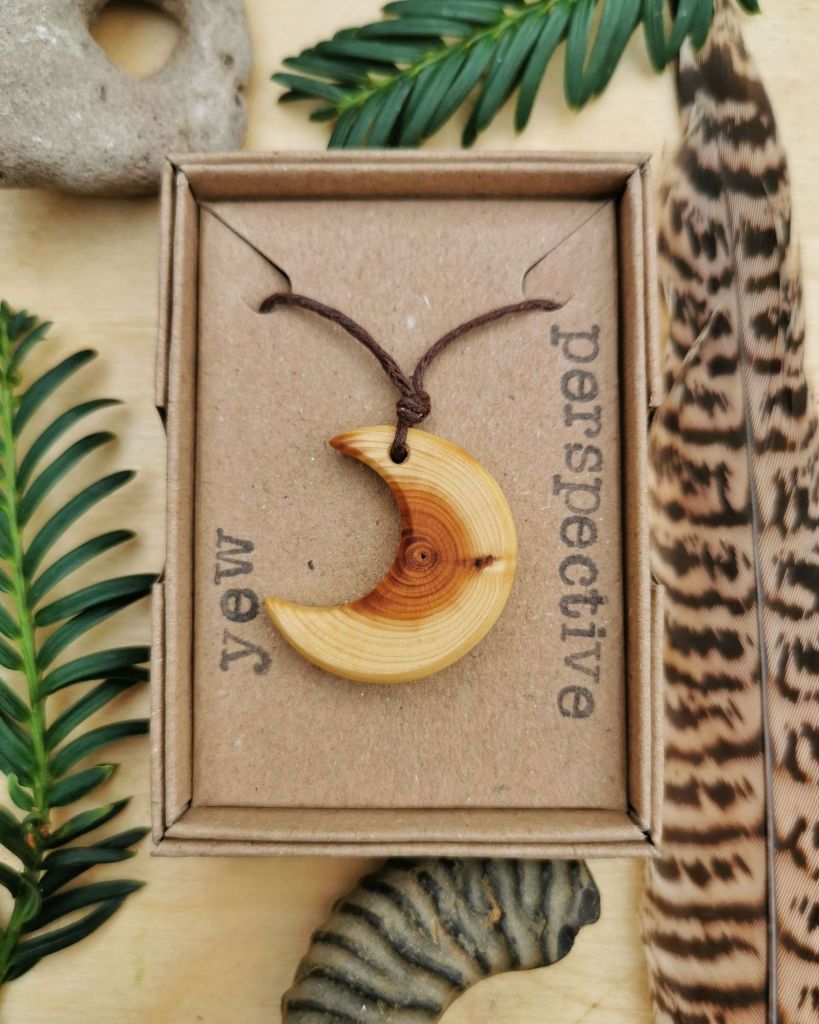
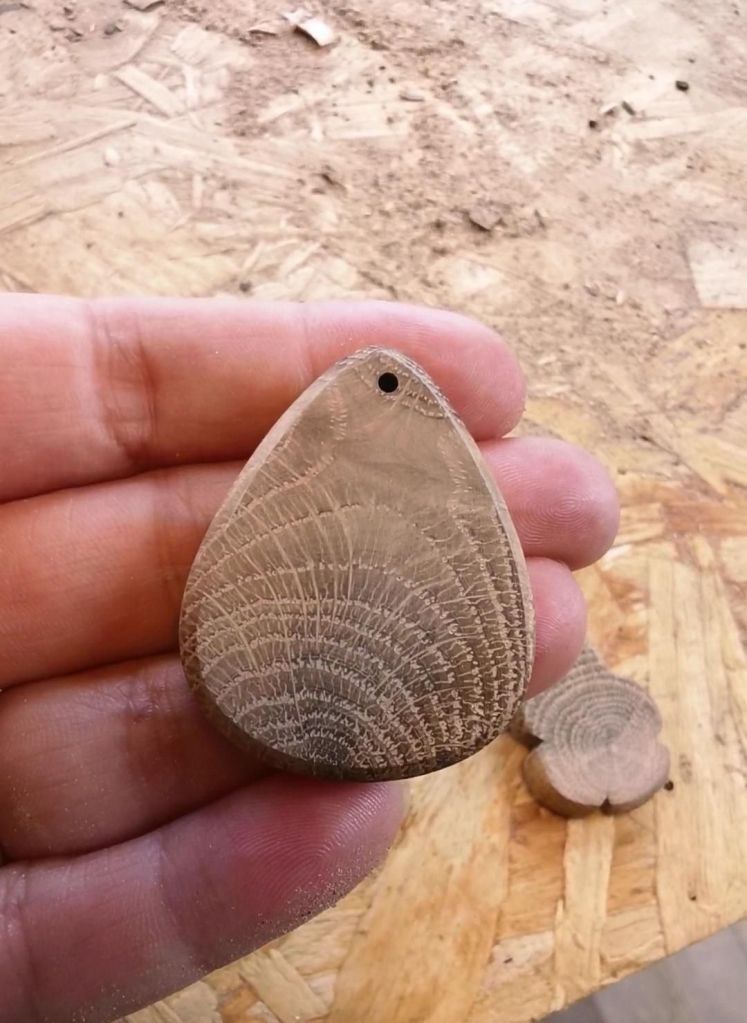
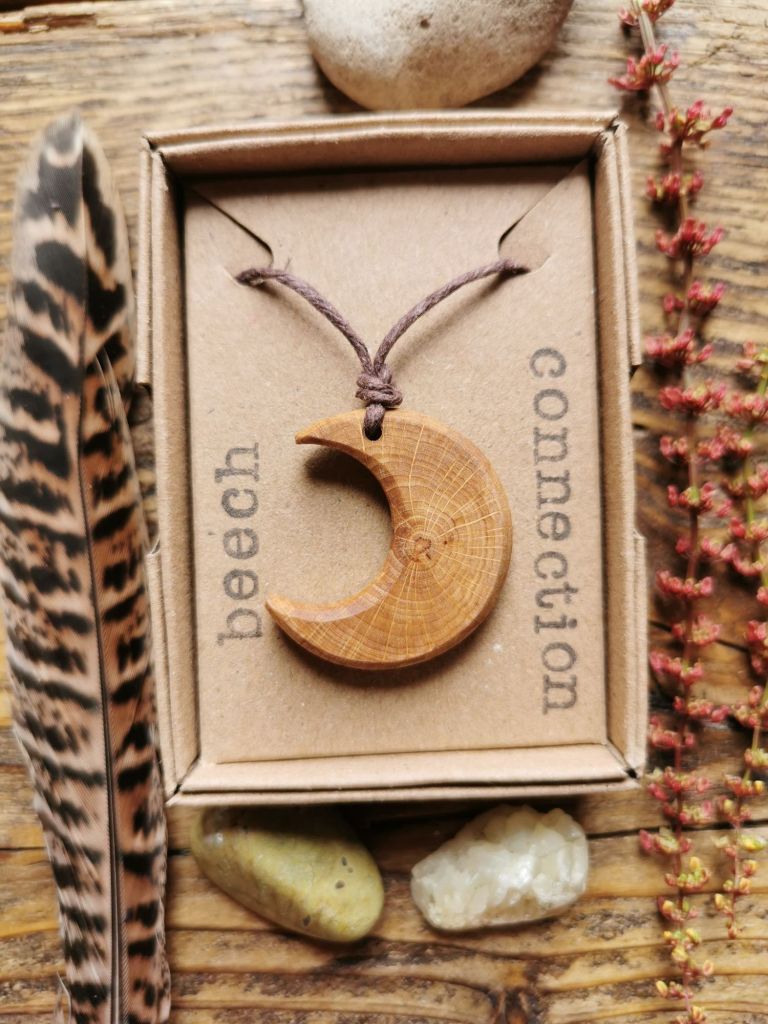
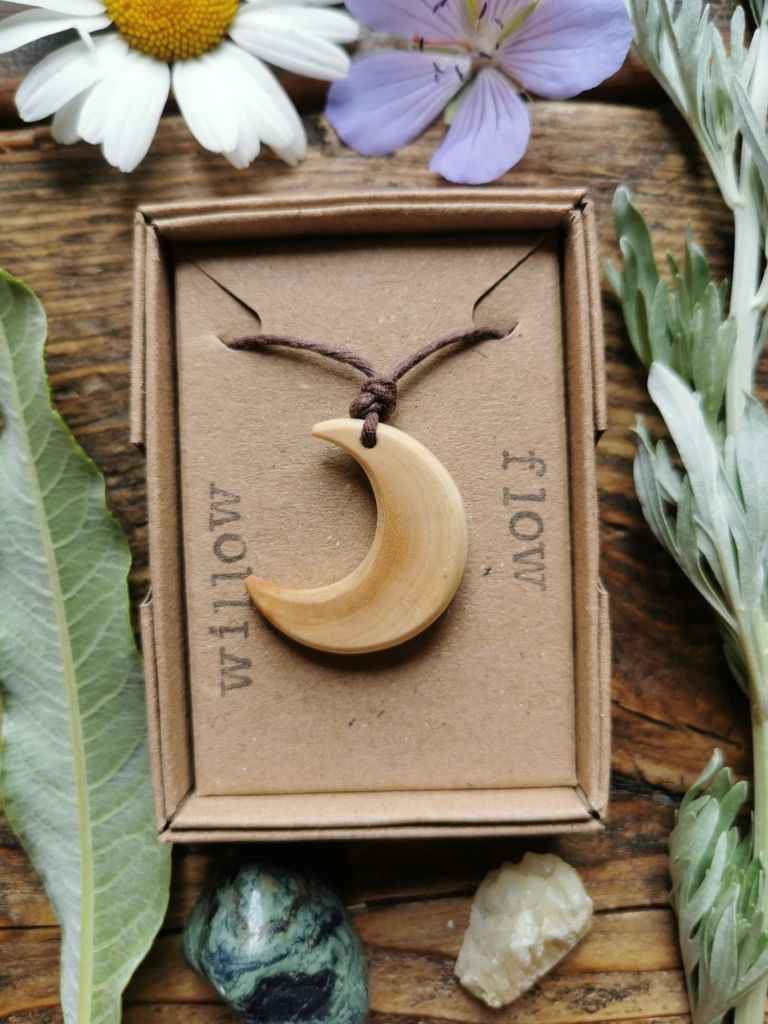
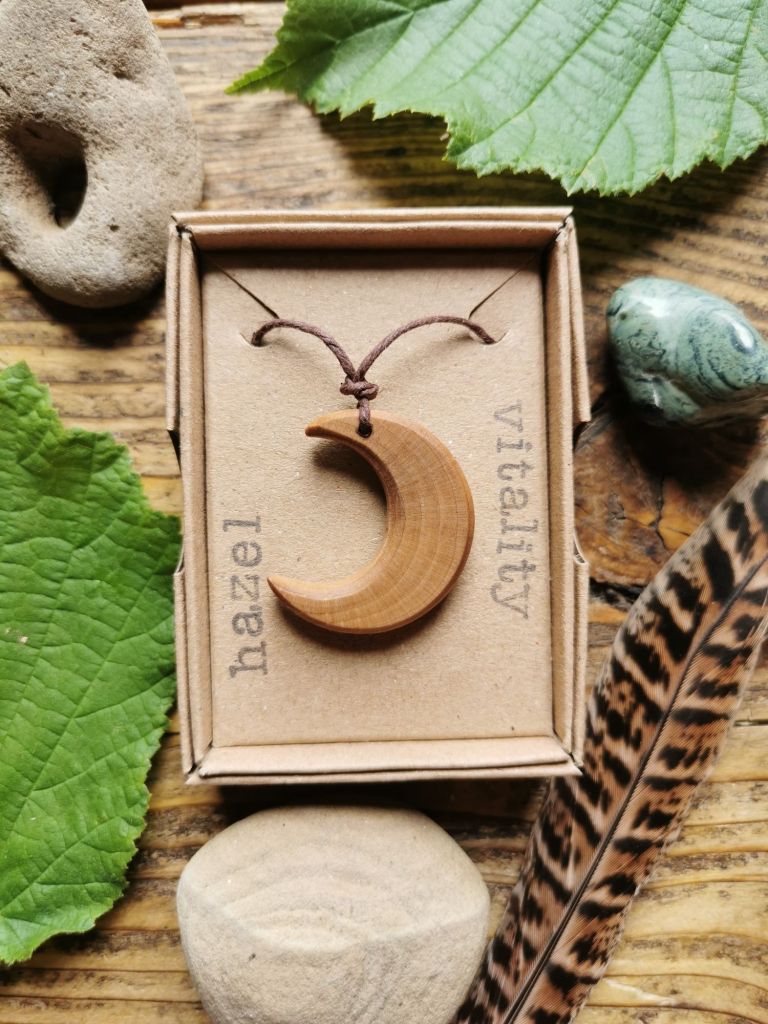
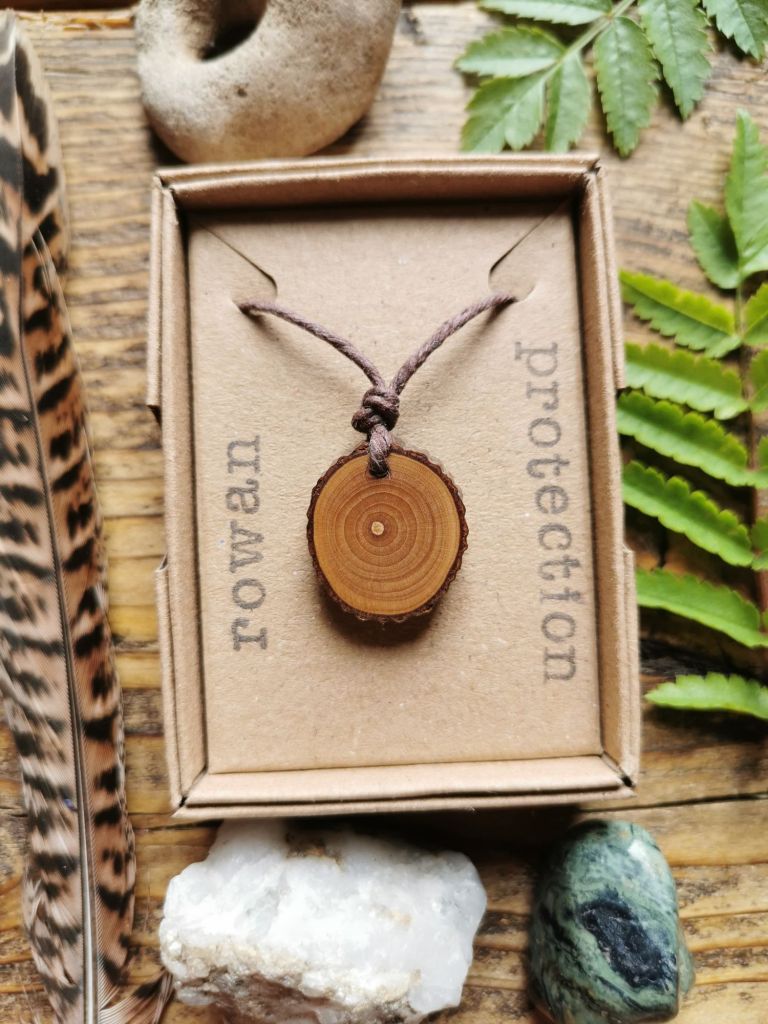
Our Rowan Collection will be in store at 7pm tonight, so I wanted to show you the full collection here first and share a little more about the Rowan tree.
If you missed our last post introducing the Rowan tree, you can catch up here.
The growth rings are such a prominent feature in this collection and we hope the form of these pieces celebrate their beauty…
We also crafted 2 Rowan Moons for this collection, each with their own unique features…
You can find out more about how and why we create Wild Jewellery, and view our beautiful wearer’s gallery here:
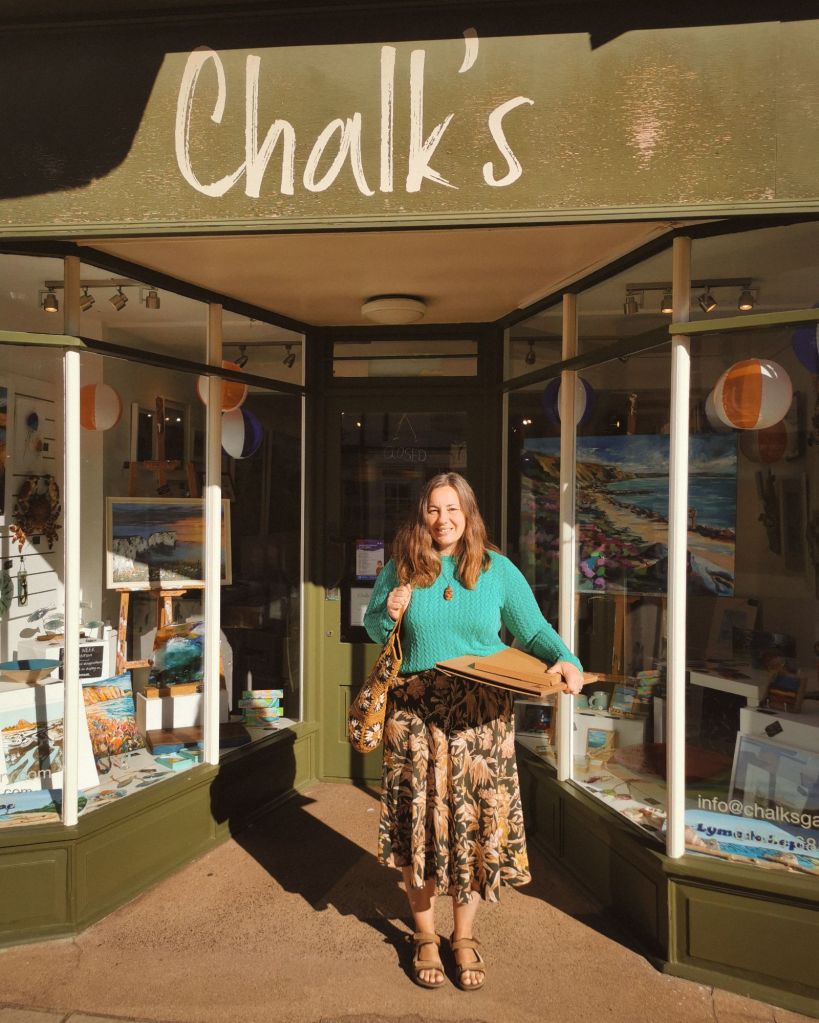
We have just got back from a wonderful visit to the New Forest, where we were dropping off a collection of wild jewellery and prints to an art gallery for our very first exhibition!
Chalk’s is a beautifully curated craft & art gallery in Lymington and we feel very excited to have some pieces featured in their upcoming exhibition ‘Wonderland’ which will run from 2nd October until 30th January.
Here is a sneak peak of some of the pieces that we created especially for the exhibition.
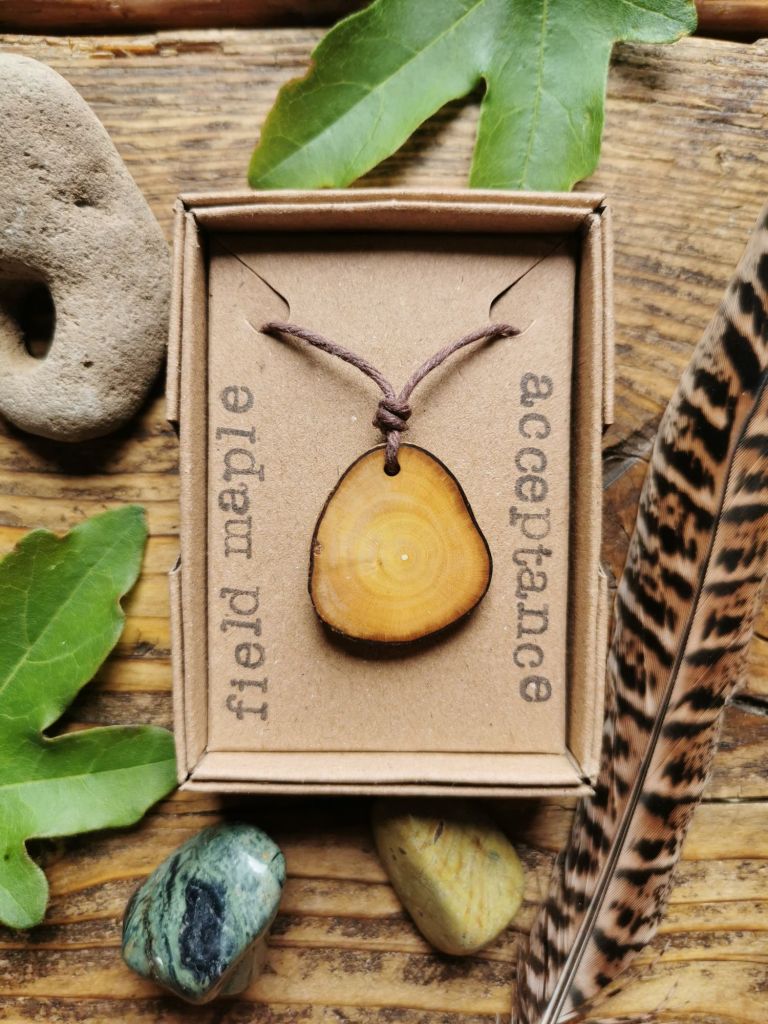
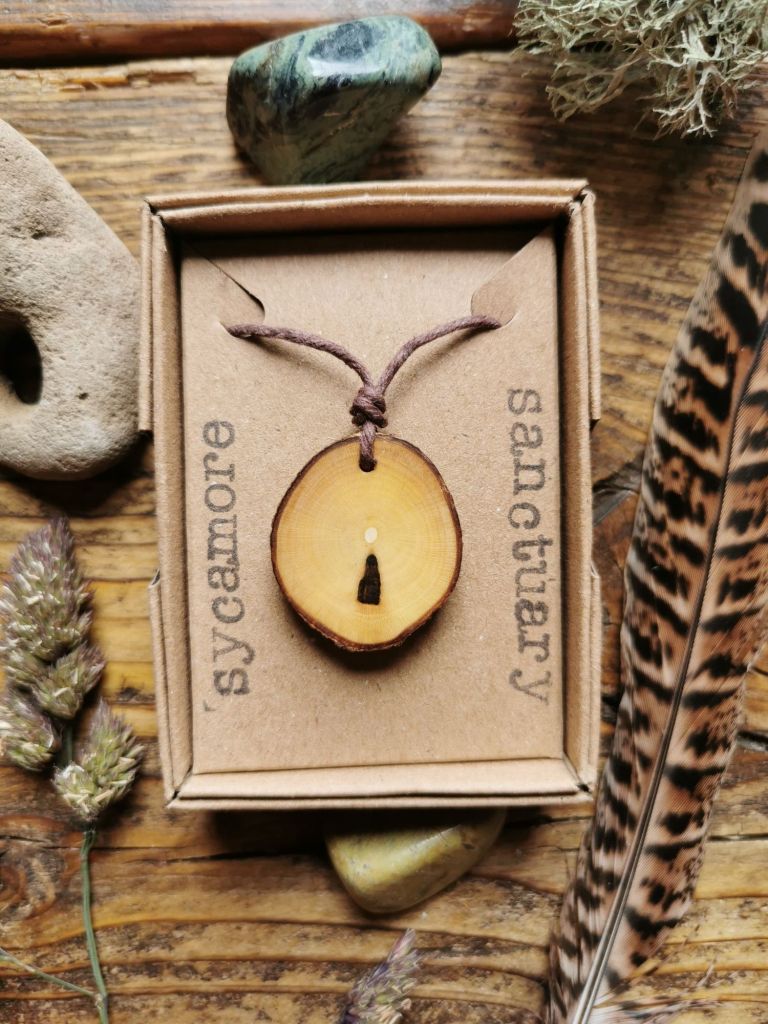
Cedar, Birch & Hawthorn
The collection focuses on telling the stories of 10 different trees by celebrating unique features and markings that emerge from windfallen wood.
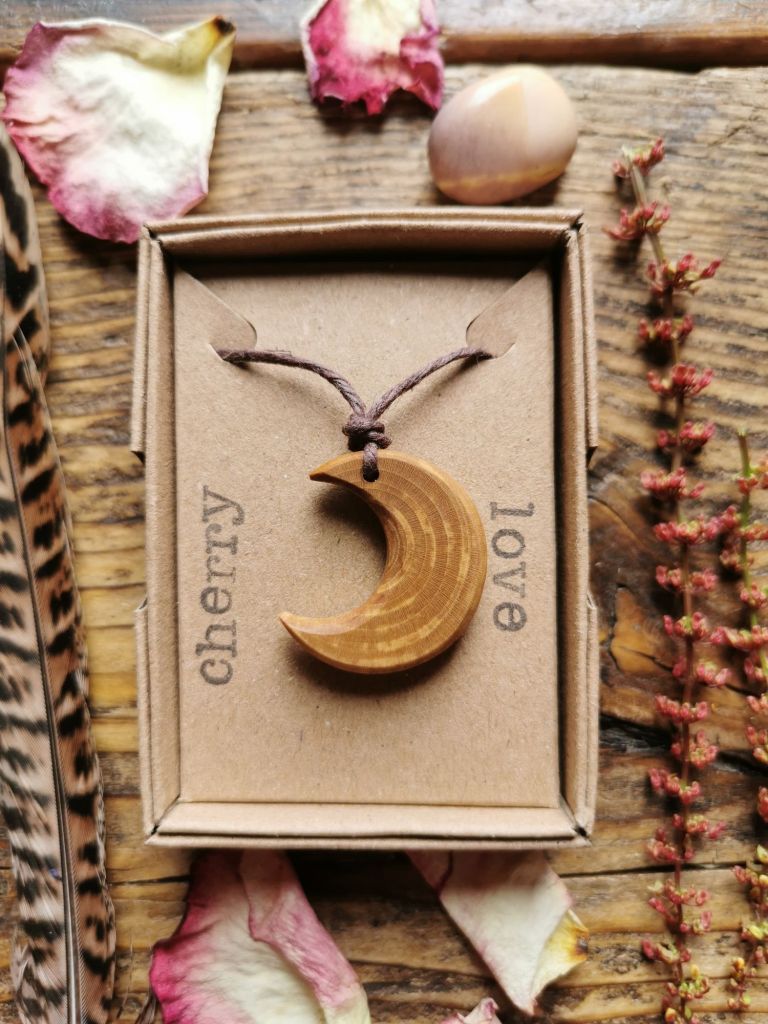
Cherry, Yew & Oak
These pieces will be available to view and buy from the gallery during the exhibition and online via the Chalk’s website.
Rowan Collection
In my last post, I shared that we had been feeling the call to work with the Rowan tree after a late Summer visit to Northumberland.
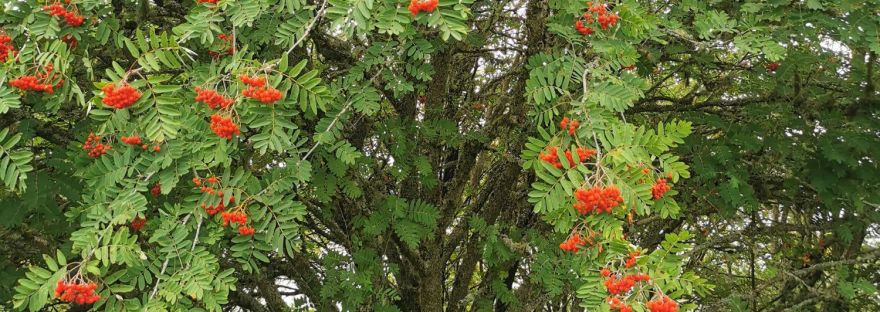
Here, the Rowan trees felt in their element, growing proudly atop mountain and moor.
These vibrant trees have the ability to not only survive but thrive in some of our most challenging landscapes where other trees simply cannot grow.
The Rowan tree can teach us much about resilience and the ability to nourish ourselves even and especially during challenging times.
Despite their wild sparks, Rowan trees often grow rather uniformly and considered. Unlike some of their sprawling relatives who shed branches more regularly, finding wood that has naturally fallen from these magical trees is relatively rare in our experience.
And so we were especially excited to be guided to a piece earlier this year!
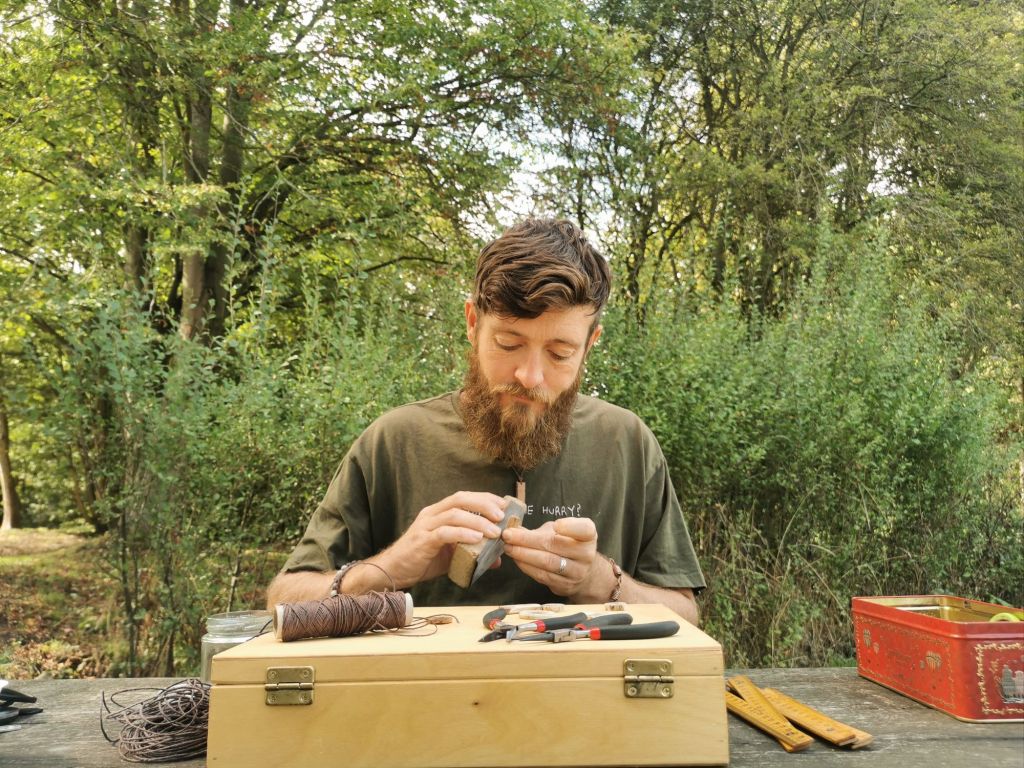
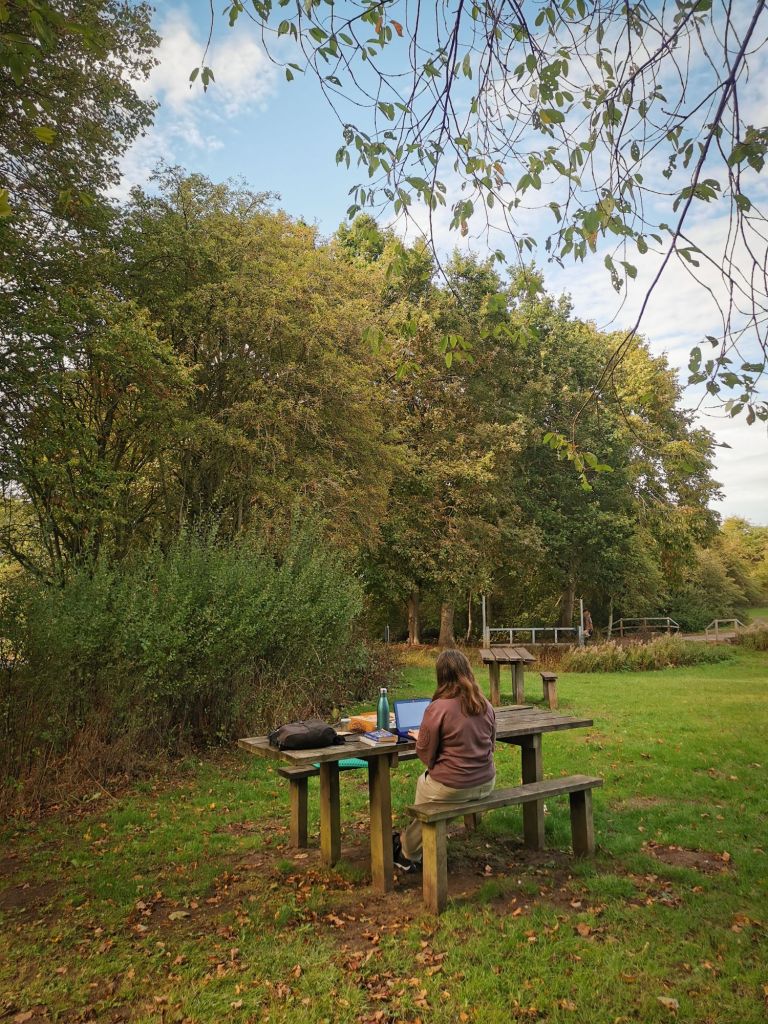
It is a beautiful September afternoon. We are sat on a bench in a country park after a wander. Chris is sat opposite me, doing the final sand on some pendants that he has been working on, as I write this to you.
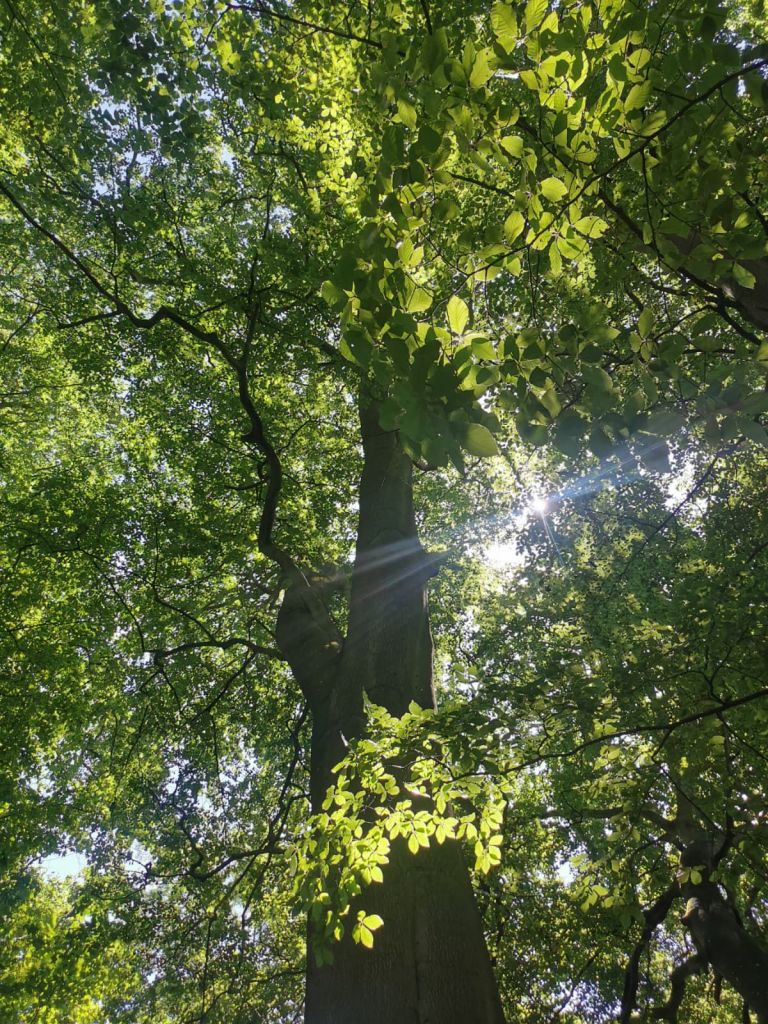
The light is low and golden, casting shadows of the tree leaves that dance overhead in the breeze.
This time of the year feels precious, nostalgic somehow. I like to get out for walks wherever possible and enjoy the green canopies that I know, in such a short time will be gone.
I love soaking in the new colours as they emerge too. Rich, deep and bright. Hot crimsons, orange and pinks. Inky blues and purples now strewn throughout the hedgerows and woodlands.
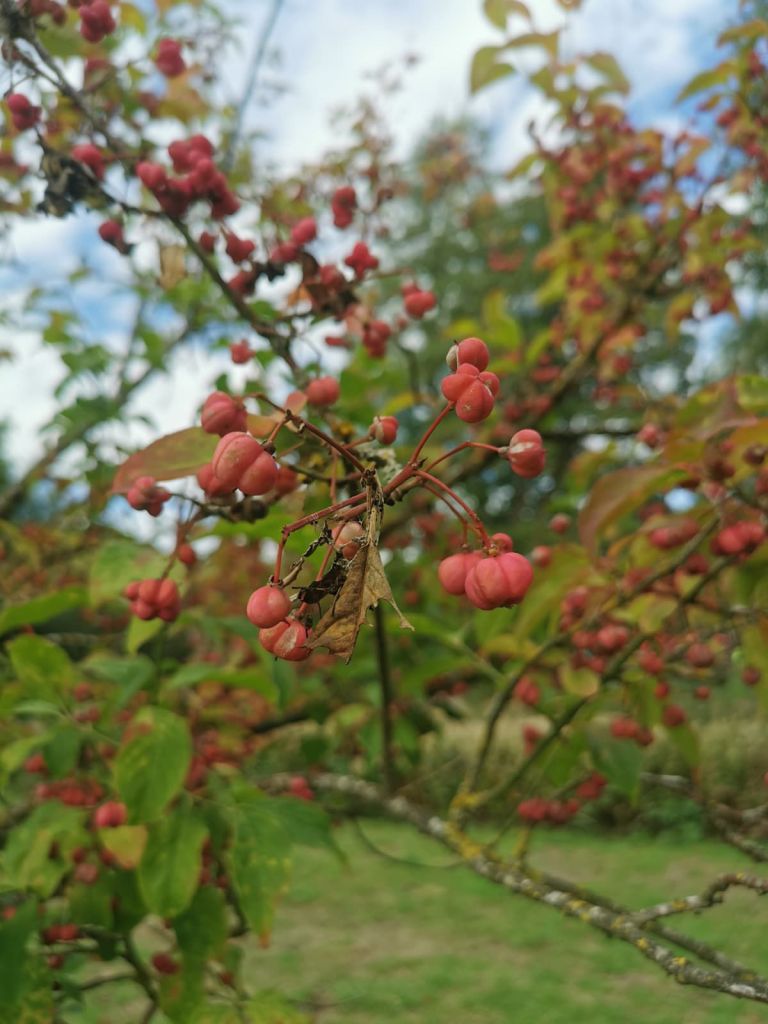
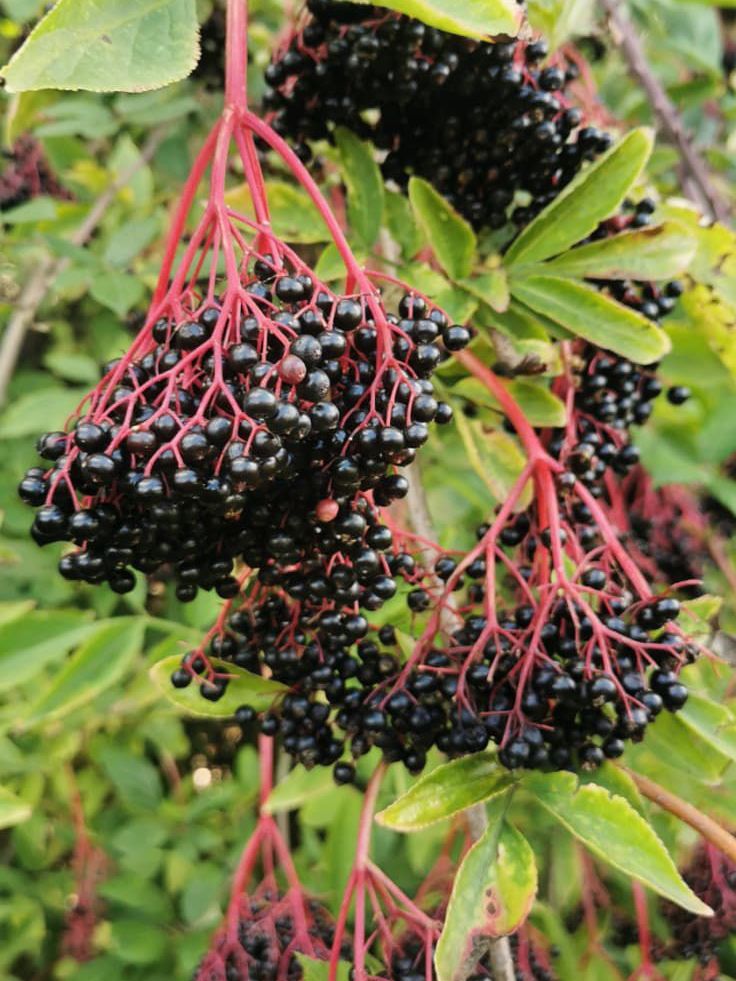
SpindleGlossy Elderberries
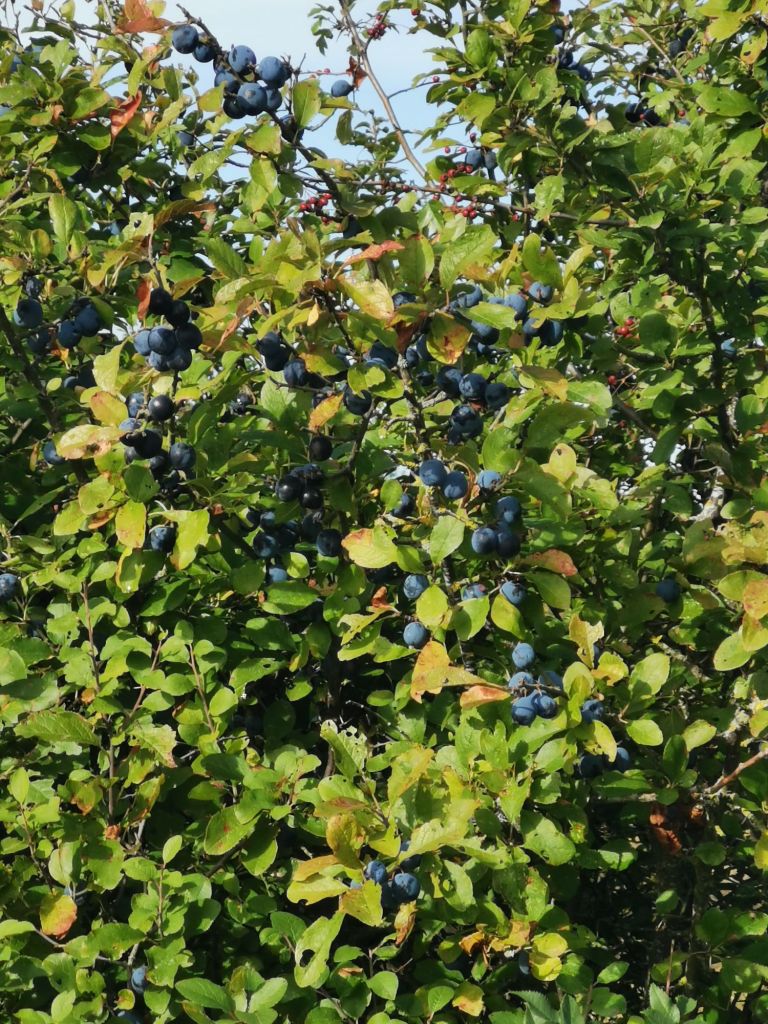
On our walk this morning we came across what first appeared to be some rather large Sloe berries, but on closer inspection were not. The leaves appeared larger than a Blackthorn leaf and the berries a fair amount bigger and much softer than a sloe…
That is when I realised that this was our first meeting with a Bullace, a wild plum that is larger than a sloe but usually smaller and rounder than a damson and very tasty when ripe!
Bullace
The sense of discovery and excitement never ceases when exploring the wild world.
Thresholds and Equinoxes
Something always feels special to me as we move between the thresholds of the year. The light changes, life seems to call for a change in pace. There feels like a rebalancing that occurs as we move close to the Equinoxes. An invitation to savour that which is ending, whilst welcoming that which is arriving. A dance in the in-between…
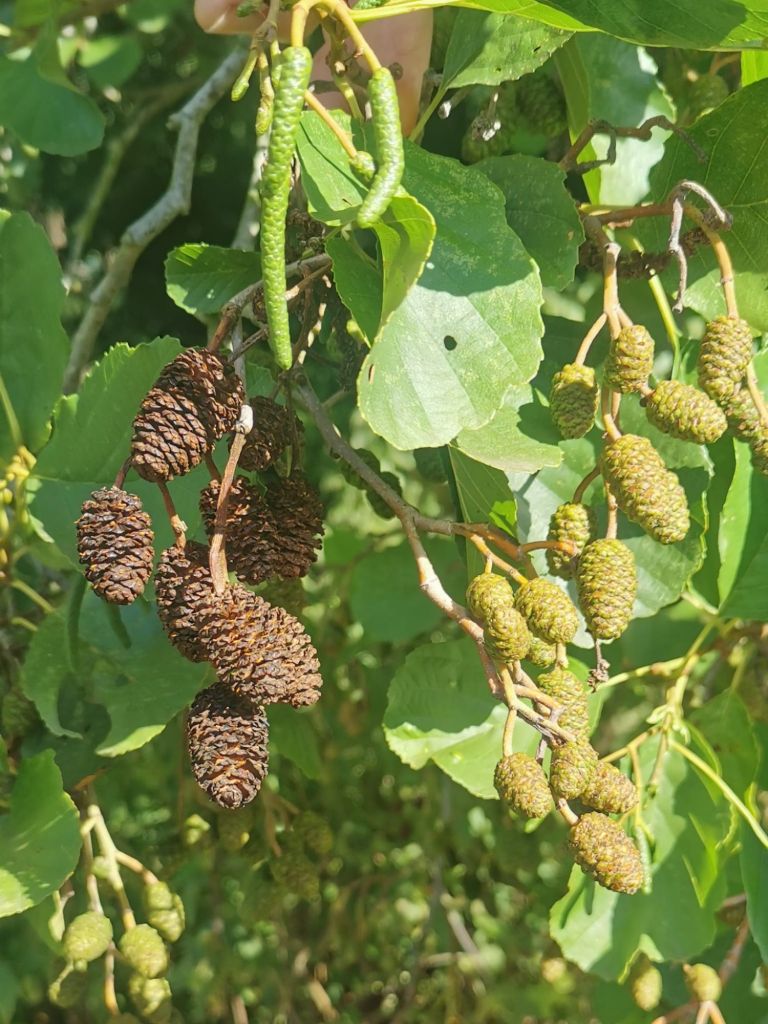
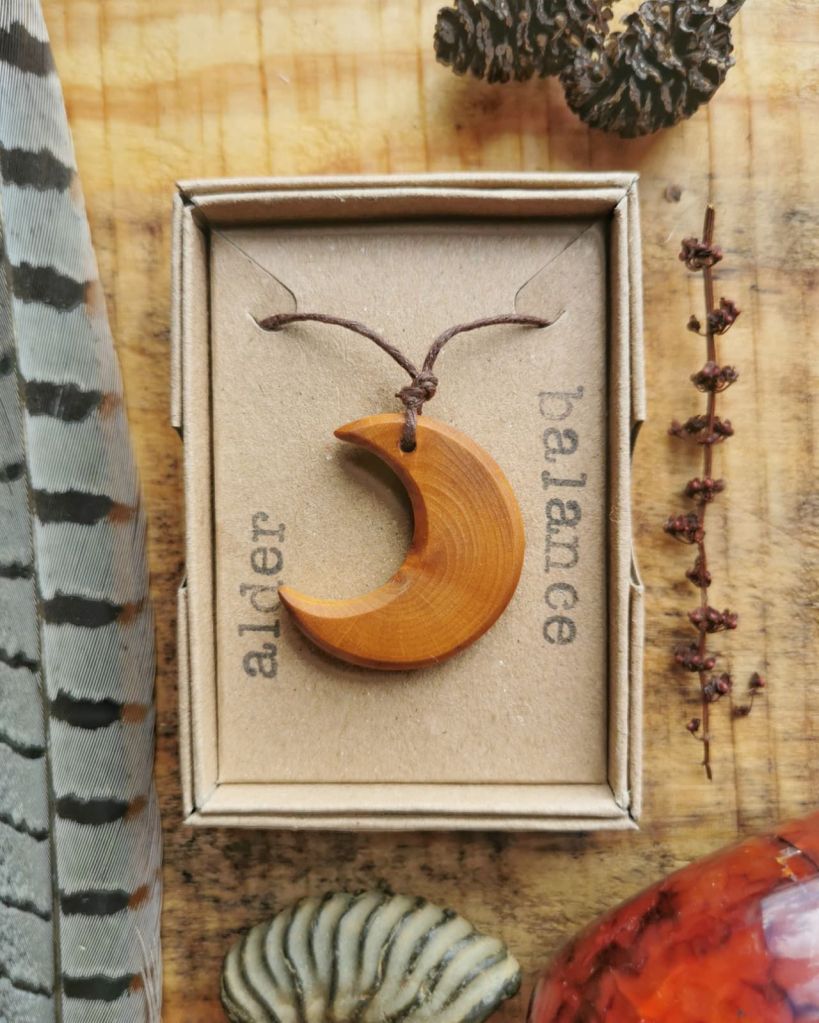
We came across this Alder tree recently. It reminded me that we were celebrating their energy back at the Spring Equinox earlier in the year. It now stood, holding last year’s cones alongside this years, and it reminded me of the points in life where we too seem to hold it all. That which is coming to an end, alongside that which is newly formed. We couldn’t resist creating an Alder Moon, this one is now in store.
Shop Update
It is the abundance of the hedgerows and the arrival of Autumn that has inspired our shop update this month.
As a very valued subscriber, you will receive 10% off any of these pendants when you use the code TREEMAGIC10 at the checkout.
Alternative you can click here and the discount will be added to your basket automatically.
The call of the Rowan Tree
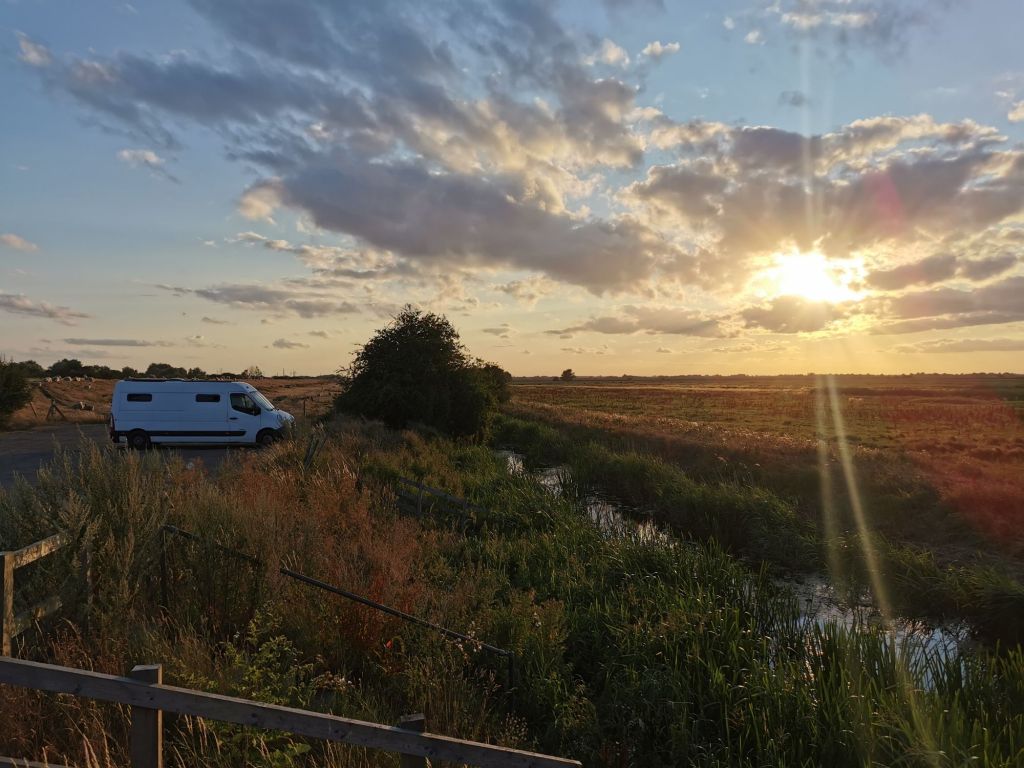
After a long, hot Summer of events, we took a few weeks off in August. Alongside giving our van some much needed TLC, we headed off on an adventure, travelling up the Yorkshire coast to spend a few days in and around Northumberland.
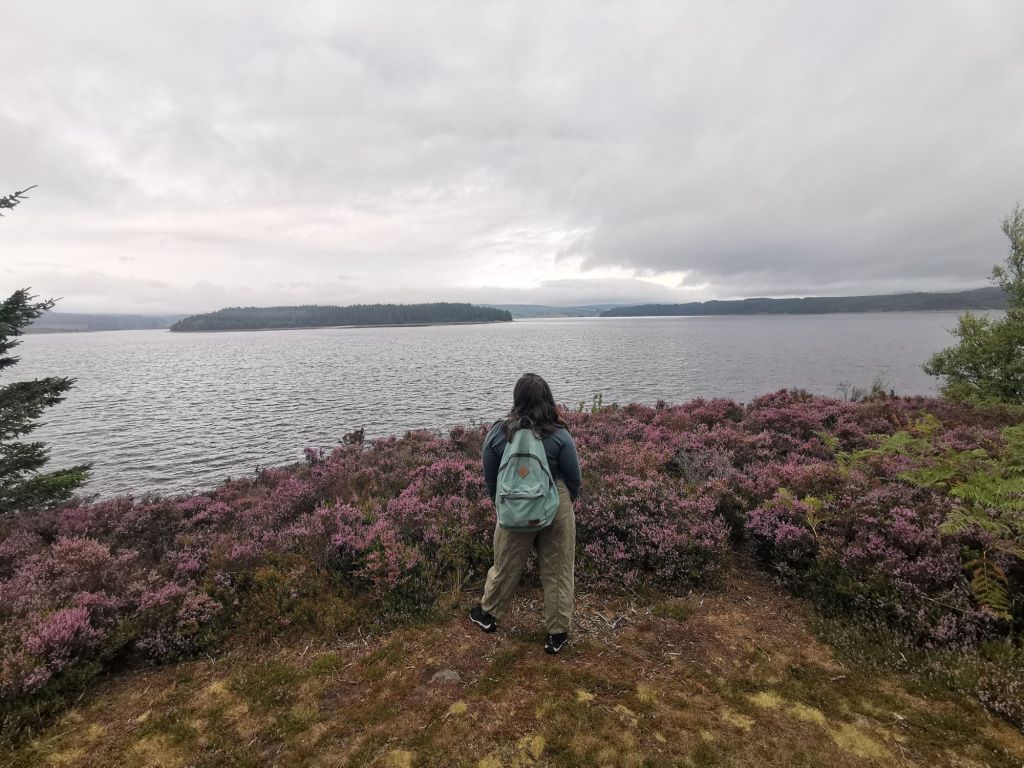
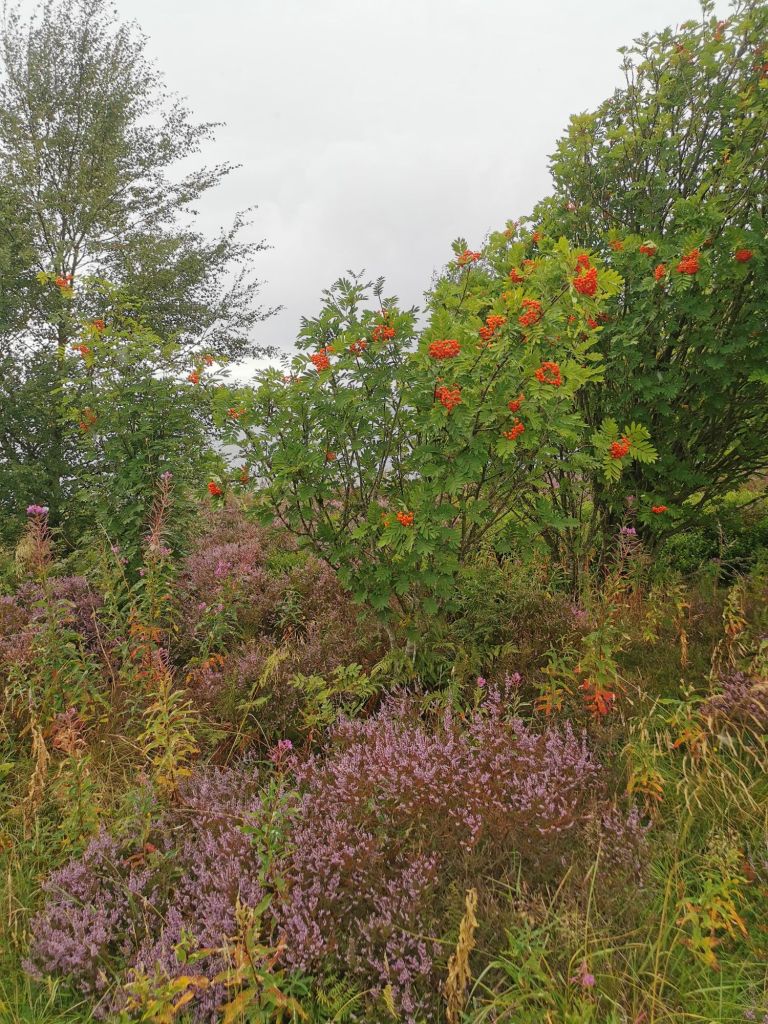
I love travelling in late Summer. The land was swathed in the pink tones of Heather and Fireweed, providing the perfect backdrop for the orangey red berries of the Rowan tree.
These beautiful trees captured our attention everywhere we roamed. Whilst they grow happily in our towns and parks, there was something about seeing them in the wild lands they tend to favour, they felt in their element.
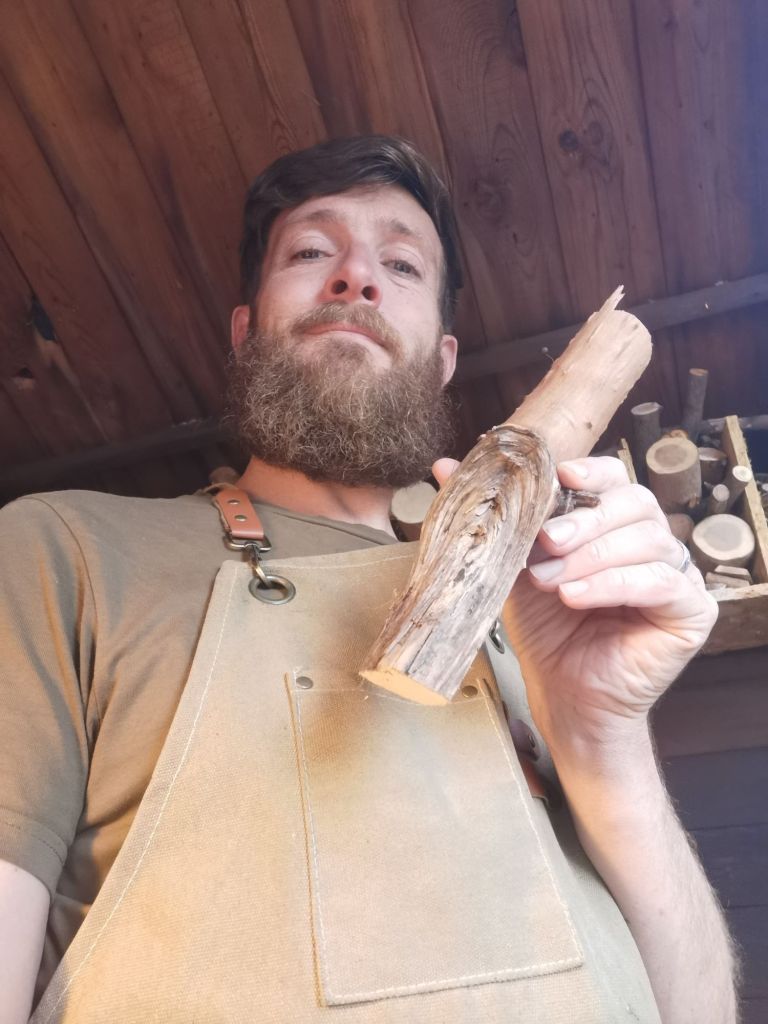
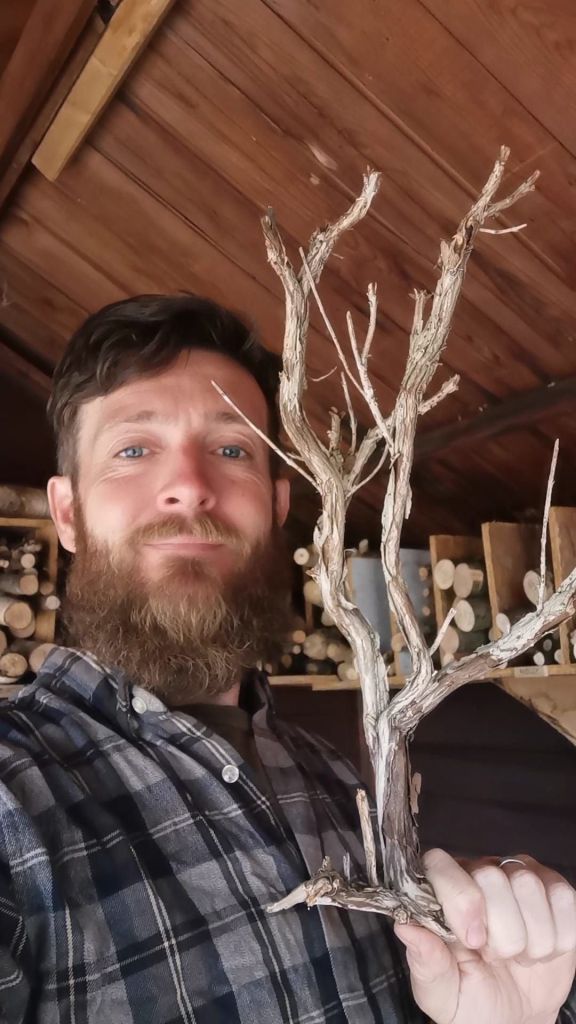
As soon as we returned, Chris knew he wanted to create a Rowan collection from a wild, windfallen piece of wood that he has been drying for sometime.
As always, we will be sharing these pieces with you first, so do keep an eye on your inbox for a first glimpse. In the meantime, you can read more about the magical Rowan tree here:
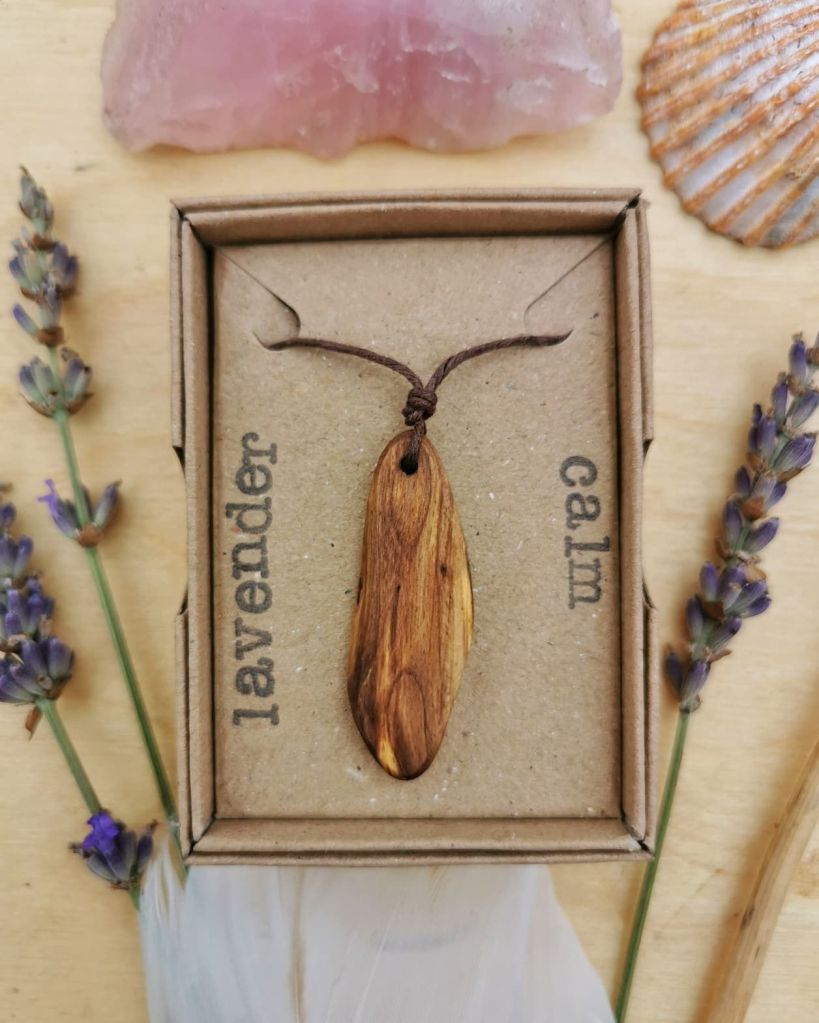
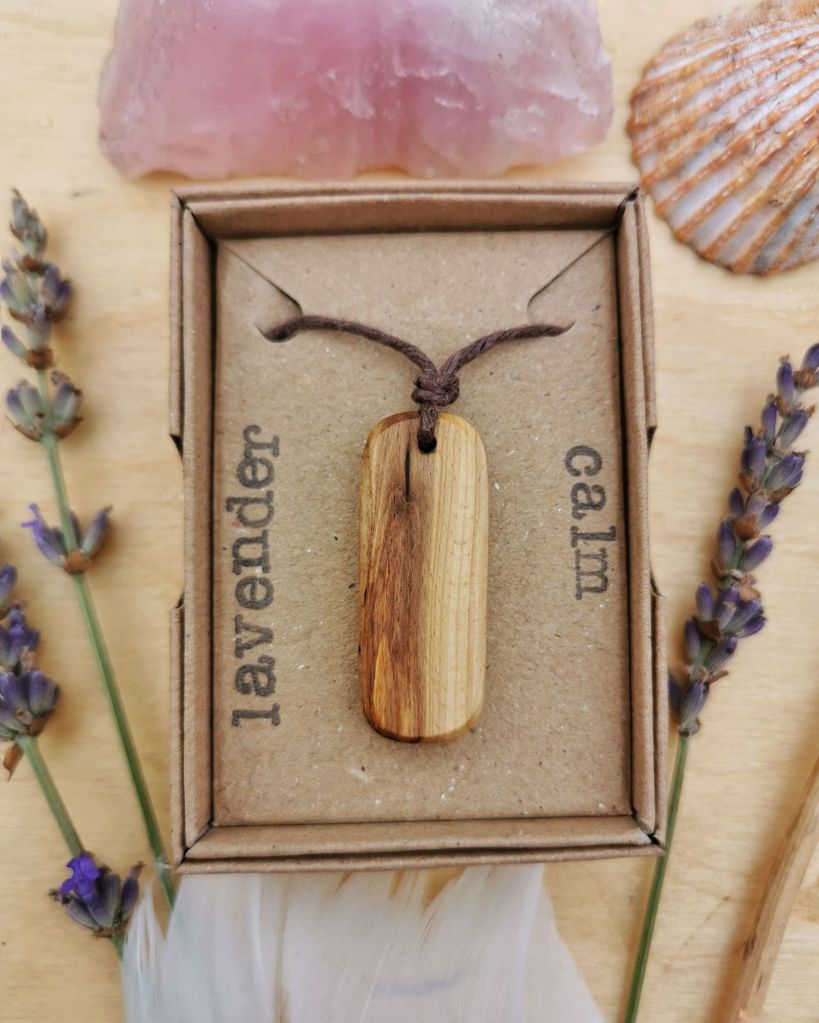
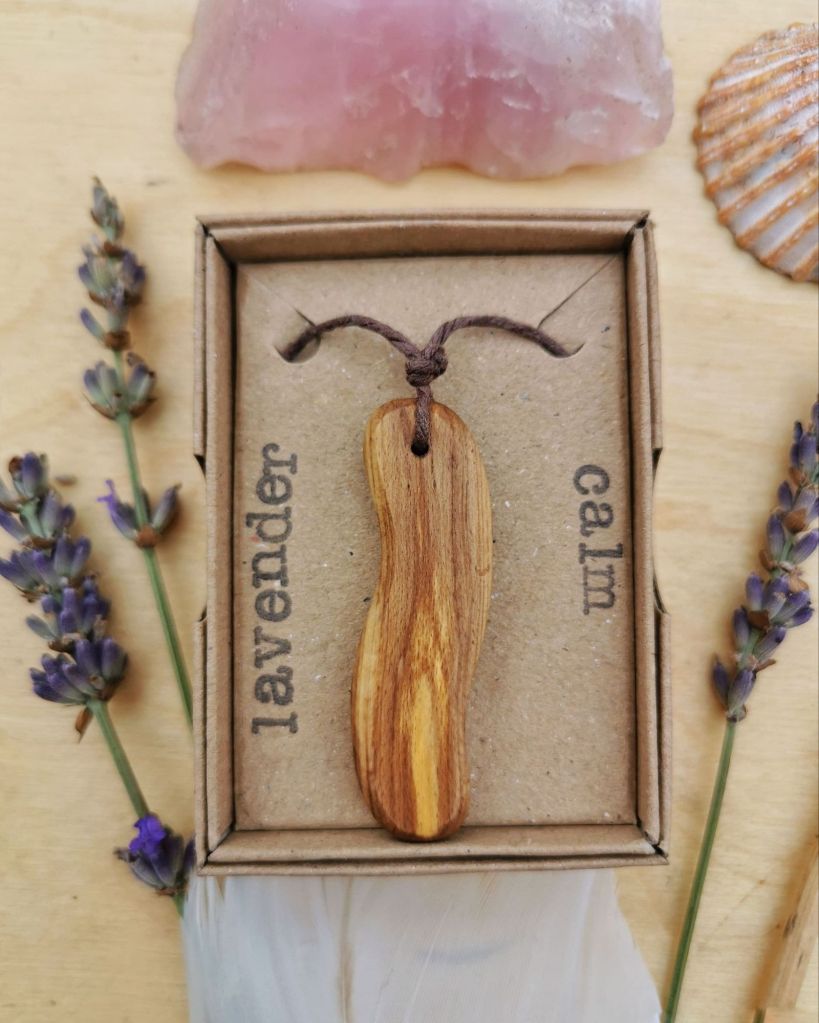
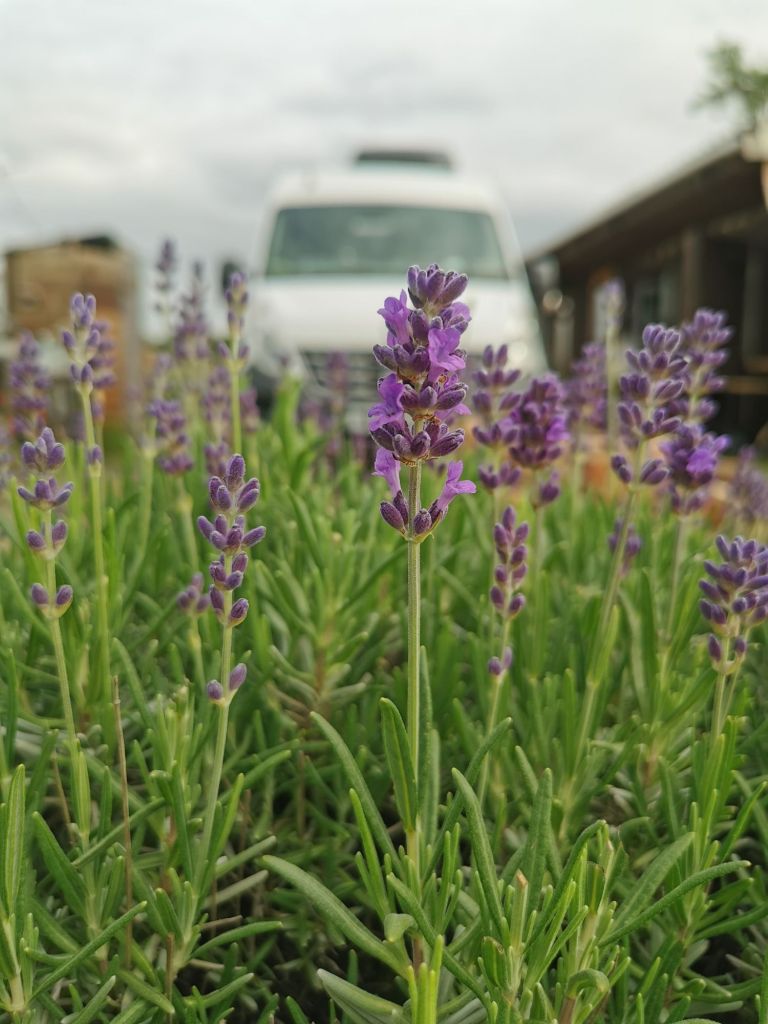
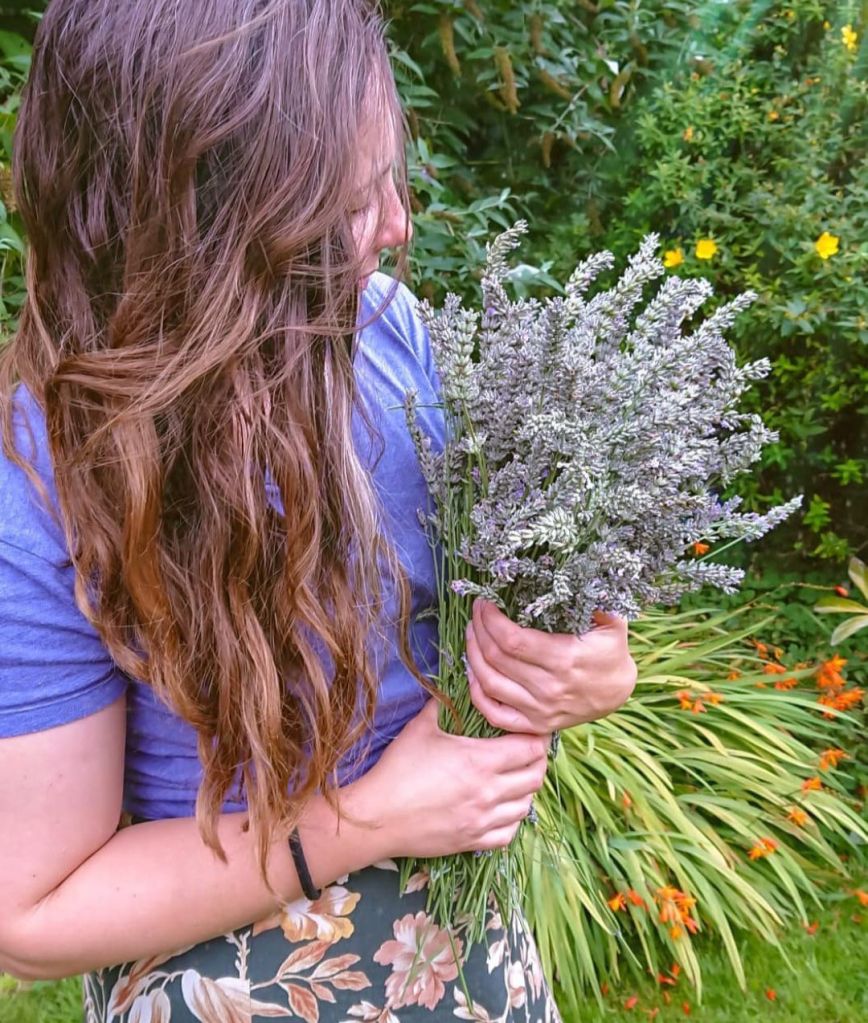
In my previous post, I let you know that we have been working with Lavender wood from a shrub that I planted and have tended to for almost 3 decades. If you missed it, you can catch up with that post here:
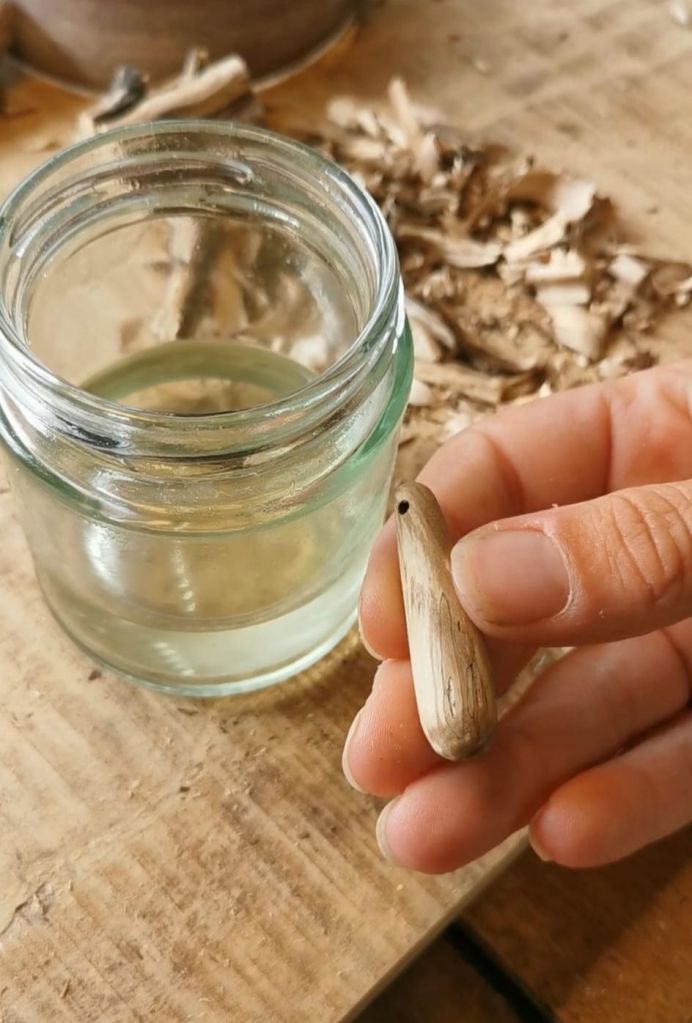
Today I wanted to show you the pieces we have created and let you know when they will be in store…
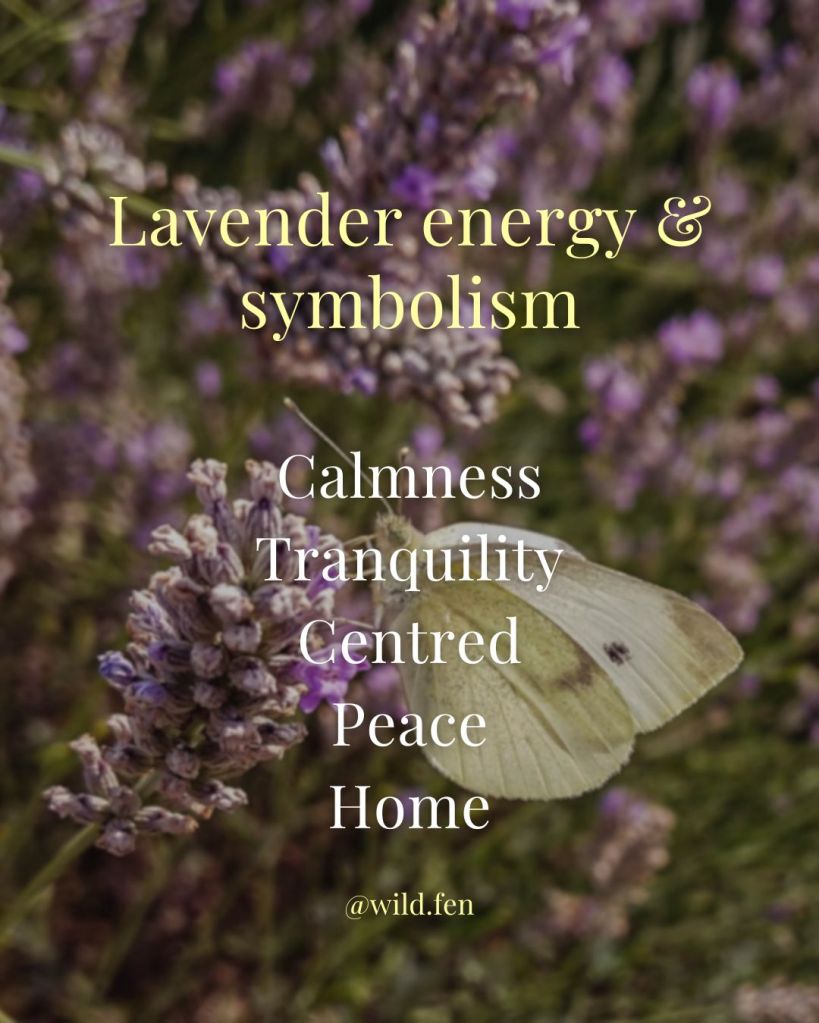
Lavender is a soothing herb that has been called upon for thousands of years to soothe, cleanse and relax. It helps calm and restore tired minds and overworked nervous systems.
It can be deeply restorative, and after long periods of worry and tension, helps us to return to our centre, to come home to ourselves.
Our Lavender Collection will be in store on Sunday 2nd August at 6pm
Wild Fen Updates
Alongside our Lavender collection, we have working on a new selection of Moon and Slice pendants AND they are currently included in our little sale for Lammas with 10% off until Sunday!
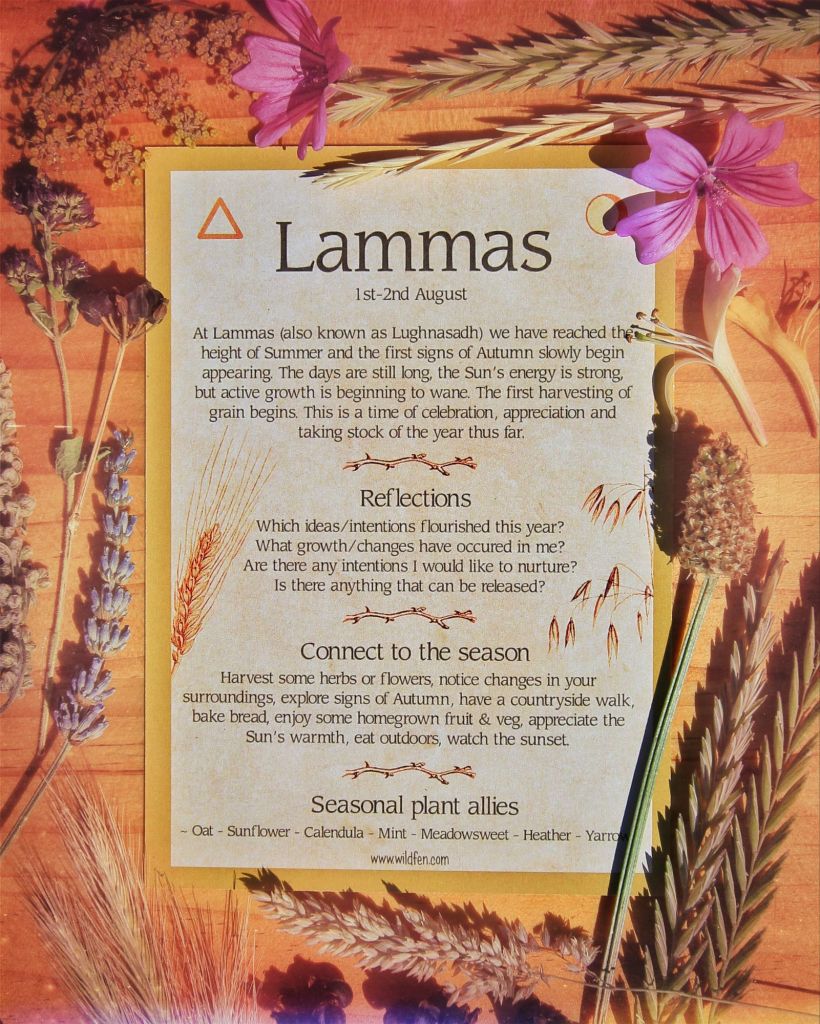
As July comes to a close, we reach the festival of Lammas, celebrated at the beginning of August. This is the time of the year when the seeds are ripening and the first harvests of grain take place.
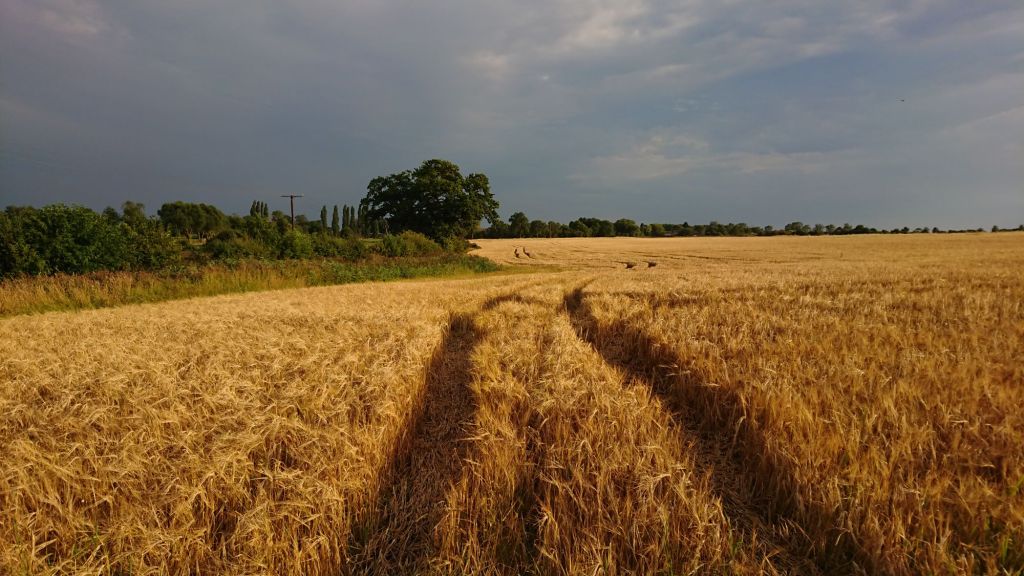
It is now high Summer, the golden time of the year, where combine harvesters work late into the evening gathering in the year’s bounty.
The light still stretches out long into the evenings, but this is no longer a time of active green growth, it is one of ripening, of gathering in the harvest and sensing the edges of Autumn on the horizon. Can you feel its call?
Last week over on Instagram we shared a photo of some wood that we have been working with over the past couple of weeks.
We had some very good guesses as to what it might be, from Heather to Rosemary to Buddleia.
I will be telling you all about it in today’s post. Let’s dive in…
What is home?
Since leaving the land last month, I have been thinking about what ‘home’ means to me. How it varies from person to person but also how it has varied in the different phases of my own life too.
Our van home
I have had chapters of rooting down in a physical place, interspersed with chapters of exploring, of expanding outwards again. I have noticed how quickly I can feel ‘at home’ these days too. Most often in the wild places, with trees, plants and wildlife that feel so familiar to me.
At home with my old Maple friend
‘Home’ for me, has been less about a physical place, and more about connection to the things that hold memory, story and meaning. (And yes, this is bringing me on to what that wood is, I promise!)
At home walking the hedgerowsAt home, growing Lavender
Lavender, a legacy
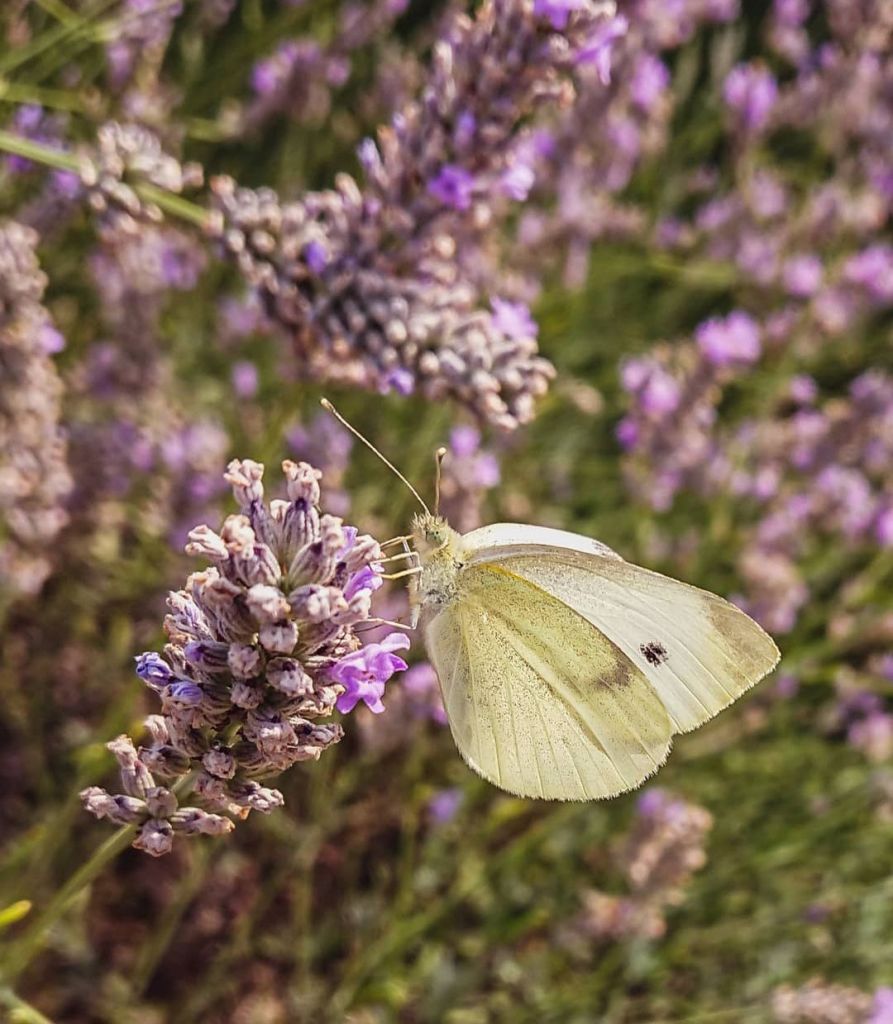
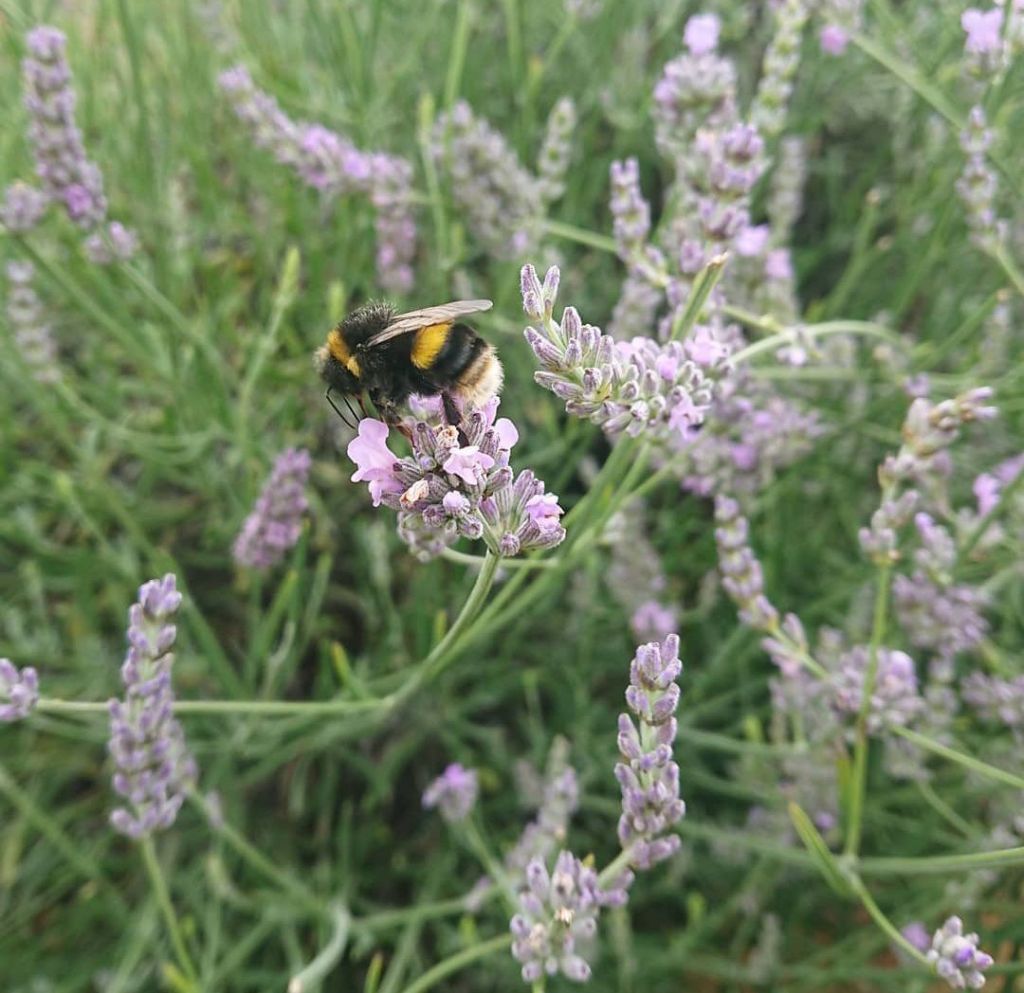
Many years, ago, I planted a Lavender in the front garden of my parents home. I was around 6 or 7 at the time. I remember talking to my Dad about all of the insects that it would attract. We watched it grow and enjoyed seeing all the butterflies that visited.
In those early Summers, I would make ‘perfume’ by picking some fresh Lavender heads and mixing them with water.
Over the years, the Lavender plant grew and grew. Some years it was well tended. Others it was left to fend for itself, missing its annual pruning and becoming a little more woody. It was always a constant in my life.
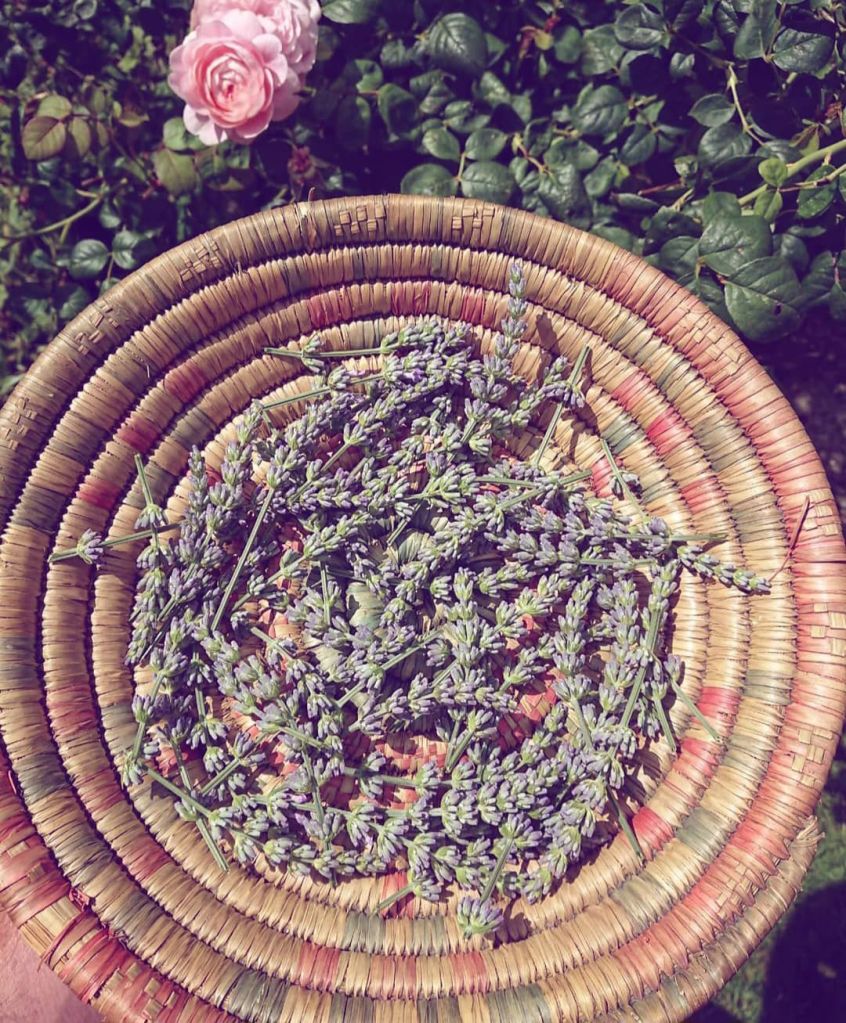
On the mornings before sitting my GCSEs, I would pick some Lavender and smell it all the way to school. I gathered little bunches for friends, and learned about different ways to dry it, adding it to my baths or hanging it beside my bed when I struggled to sleep.
For almost 3 decades, that same Lavender plant grew in my parents front garden and it undoubtably shaped my life and journey.
Whenever I would return ‘home’ from wherever I had been, it was still there. Drawing in insects from far and wide.
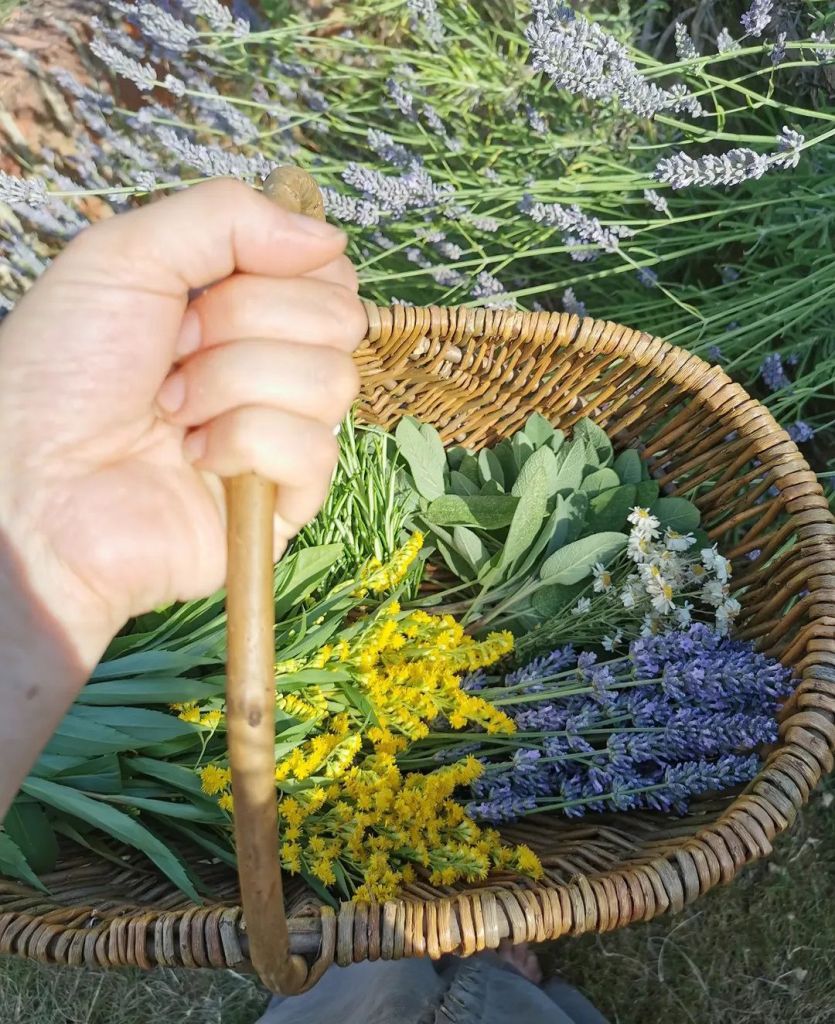
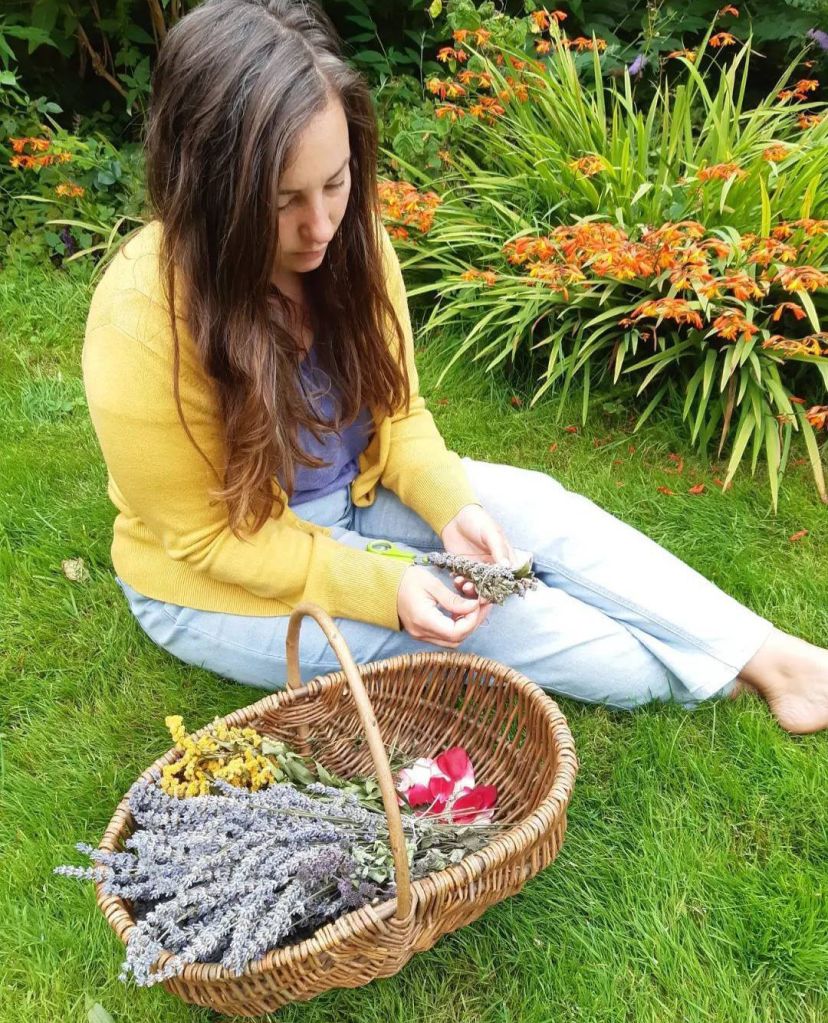
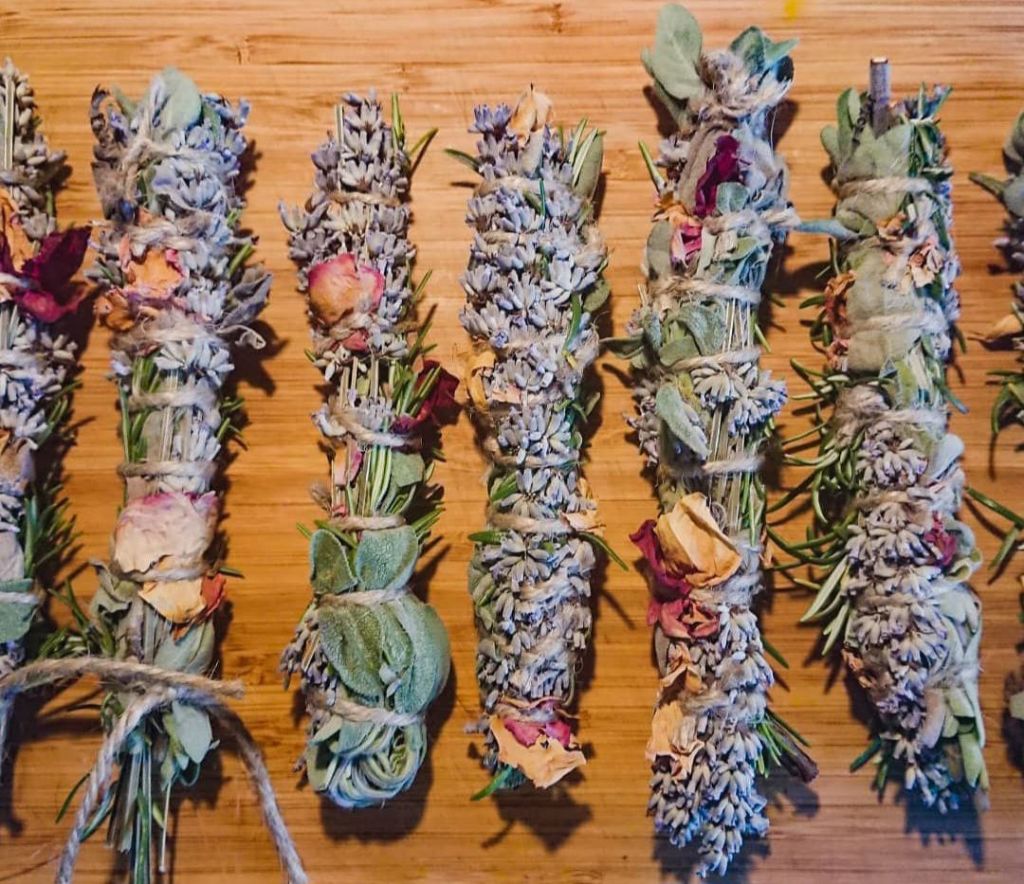
Over the years, I found new ways to enjoy the harvest. One year, I combined it with other herbs from the garden to make smoulder sticks that I gifted to family for Christmas.
With a few left over, I decided to list them on Etsy to see if anyone would like one. They sold quickly, and became the beginnings of our Wild Fen shop!
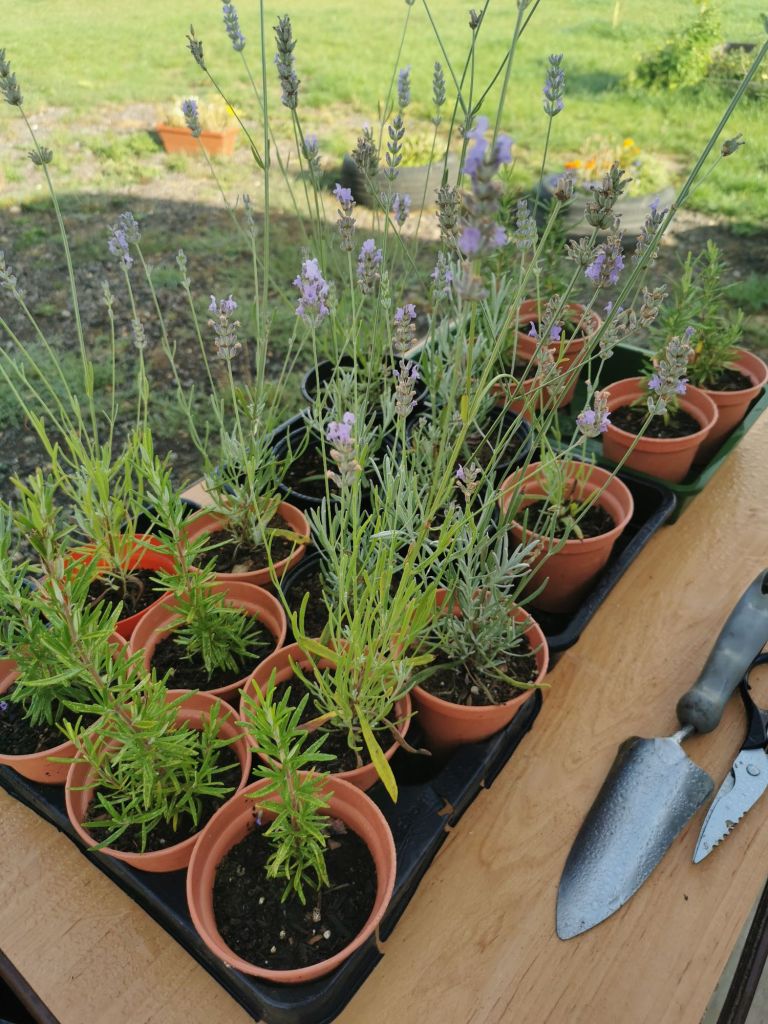
The plant has travelled with me too, from cuttings grown and nurtured in my own gardens and shared with loved ones, to plant in theirs.
Last year, after almost 3 decades, the now very woody stems of the Lavender that I had planted as a kid split.
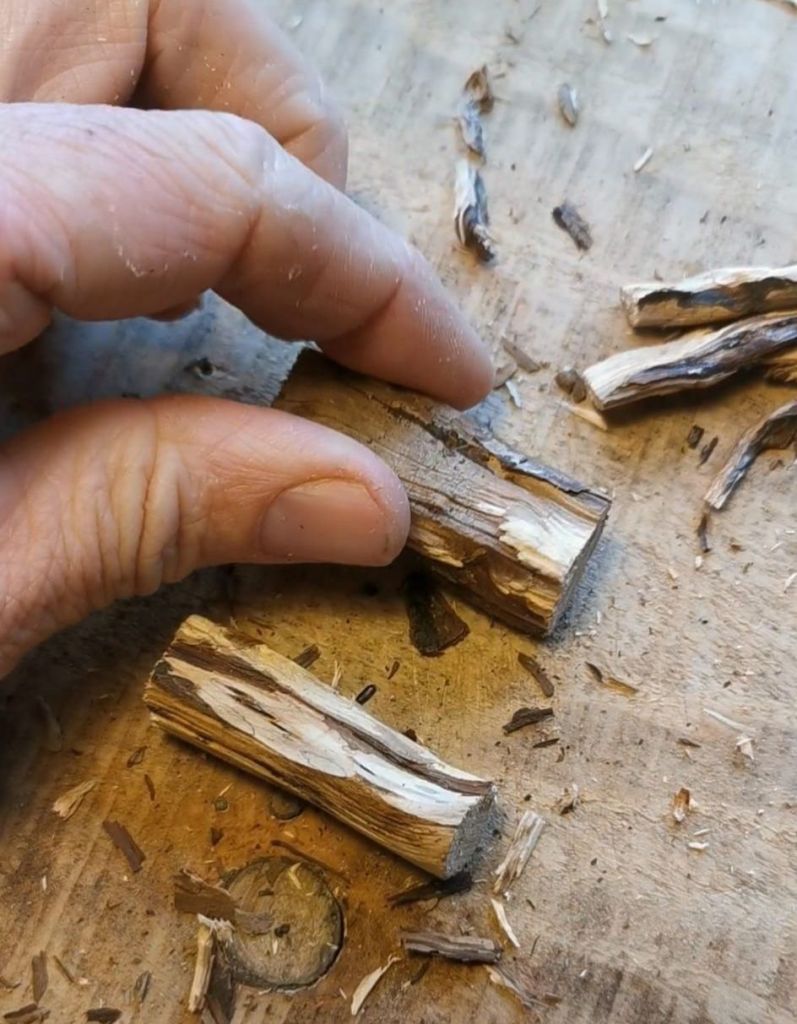
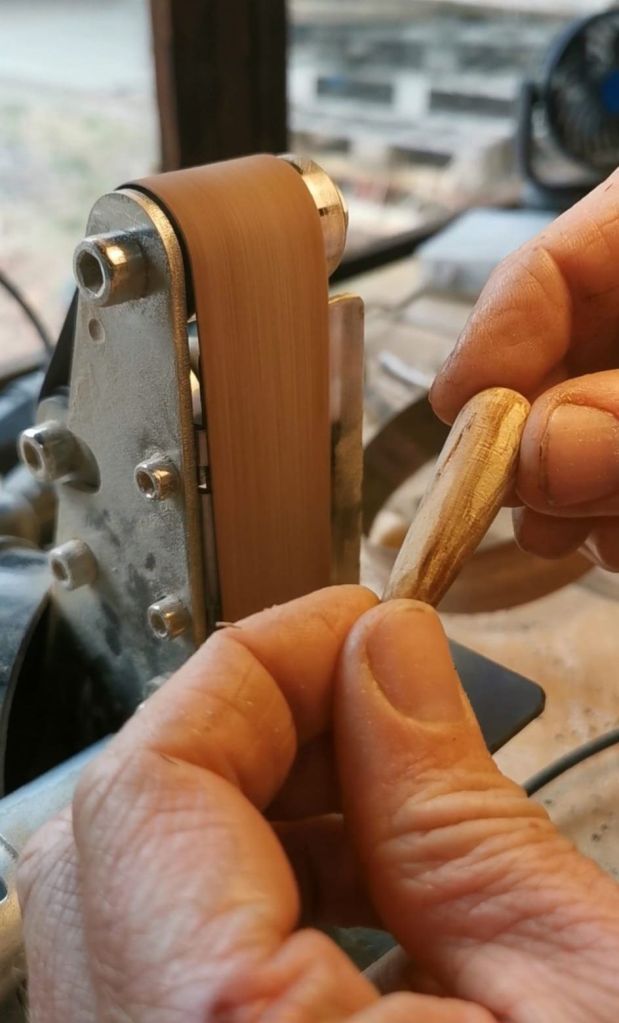
I knew then and there that we would gather and dry the wood, to see if we could turn them into pendants.
And so, this week we have been on a journey, experimenting with a plant so well known to us and yet a wood unfamiliar to many and I can’t wait to share the results with you very soon!
It has been 2 weeks since we left the land that we had been living on these past 4 years, so I thought I would write a bit of an update as to how we are getting on so far…
Transporting trees to temporary homes with familySaying goodbye to this glorious rose
We were pretty exhausted, after a month of clearing out and uprooting our lives in the middle of a heatwave.
We spent the first couple of days letting ourselves recover with some gentle walks and plenty of rest in our favourite local nature reserves.
It felt restorative to move unhurried for the first time in weeks, to sit and watch wildlife, soak in the shade of the trees and find some quite spots in the countryside where we spent our first few nights.
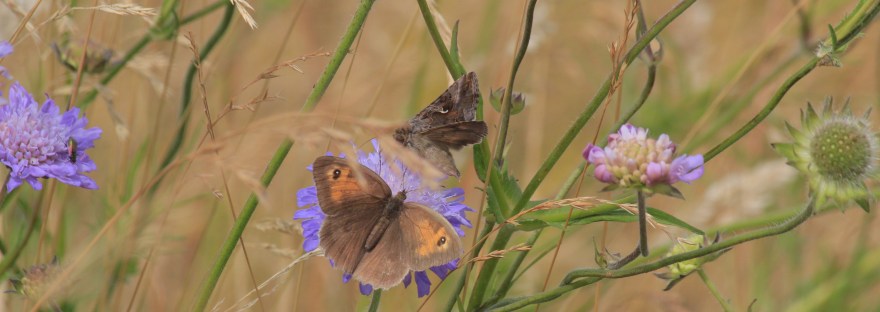
We are enjoying seeing so many butterflies, including this lovely Comma
We had the weekend off from any markets last week so we headed to the South coast to visit my sister. We swam in the sea and ate ice cream with family.
We travelled onwards to Glastonbury, to one of our favourite resting places; the Chalice Well gardens where we spent a peaceful day soaking achey feet in the magical waters, and dozing beneath a beautiful Birch tree.
We explored a bit more of Somerset, visiting Burrow Mump, an interesting natural hill that falls along the St Michael’s ley line that is also thought to run beneath Glastonbury Tor.
We returned to a weekend of events in Northamptonshire, where we had lots of inspiring conversations which always seems to fuel us.
Wild Fen Updates & Events
This week, we are putting Chris’ work shed up in a temporary home which is exciting as he can’t wait to get back to making after a 2 week break.
We were gifted a beautiful piece of Blackthorn from the hedgerow this week so will be drying it ready to work with at Samhain hopefully…
We do hope to find a more permanent space for ourselves in the future, but in the meantime will be enjoying a little more of a nomadic life until we find a place that resonates.
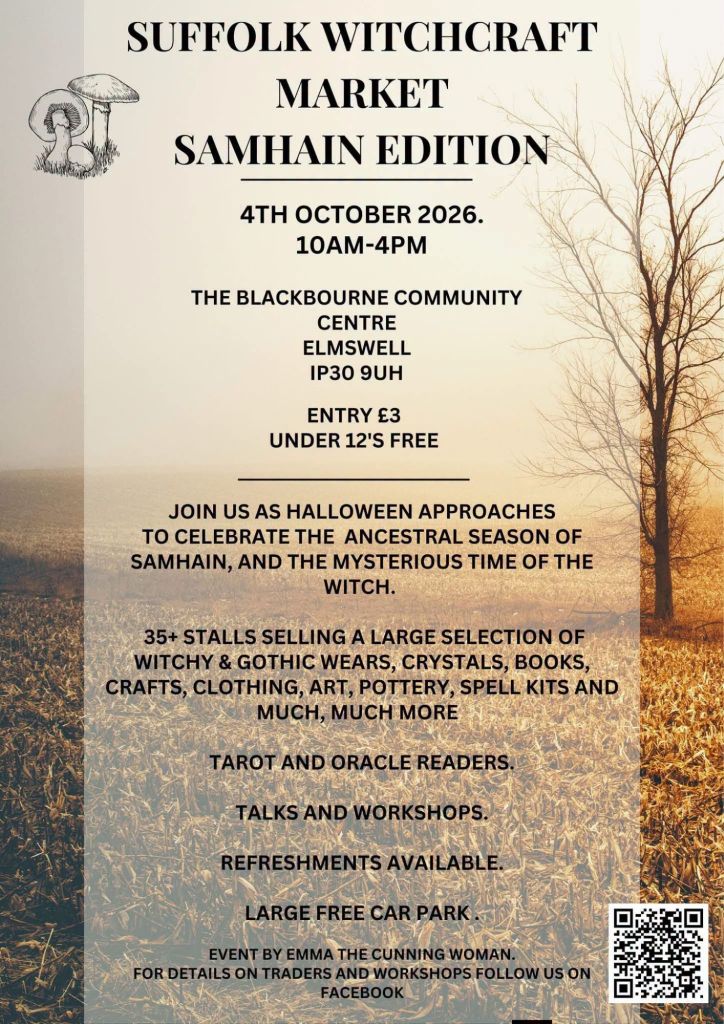
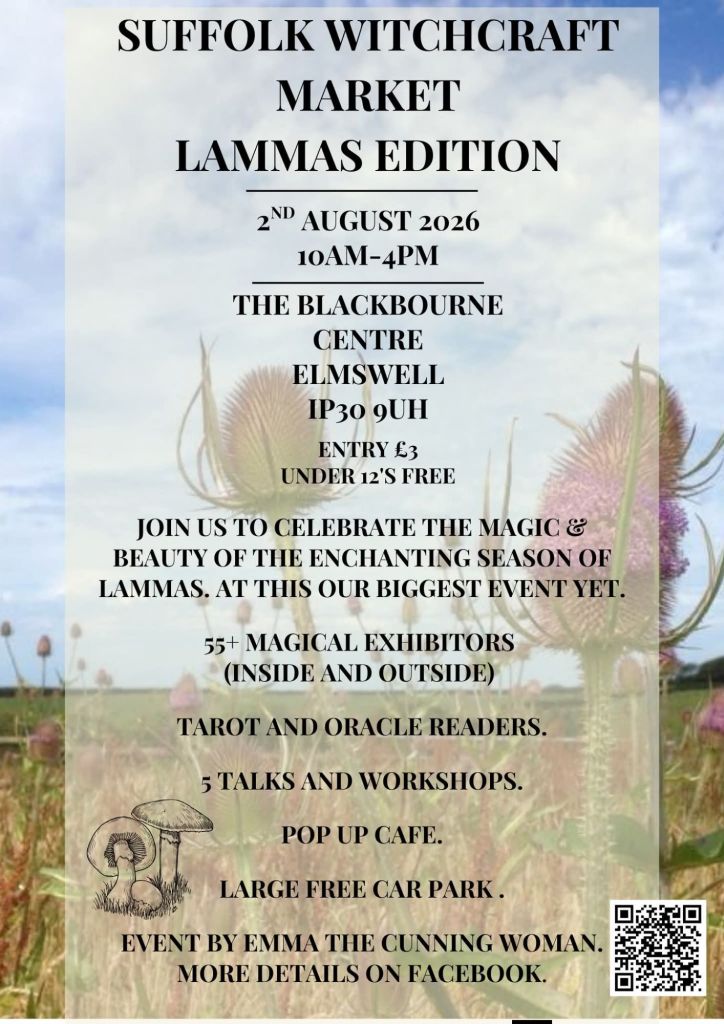
We have some exciting events coming up too. We will be in Upwell this Sunday and then on to Sherwood Forest at the end of the month before returning to the Suffolk Witchcraft Market for Lammas.
We will be working on a very special Wild Jewellery collection over the coming weeks, and you will be the first to find out more soon…
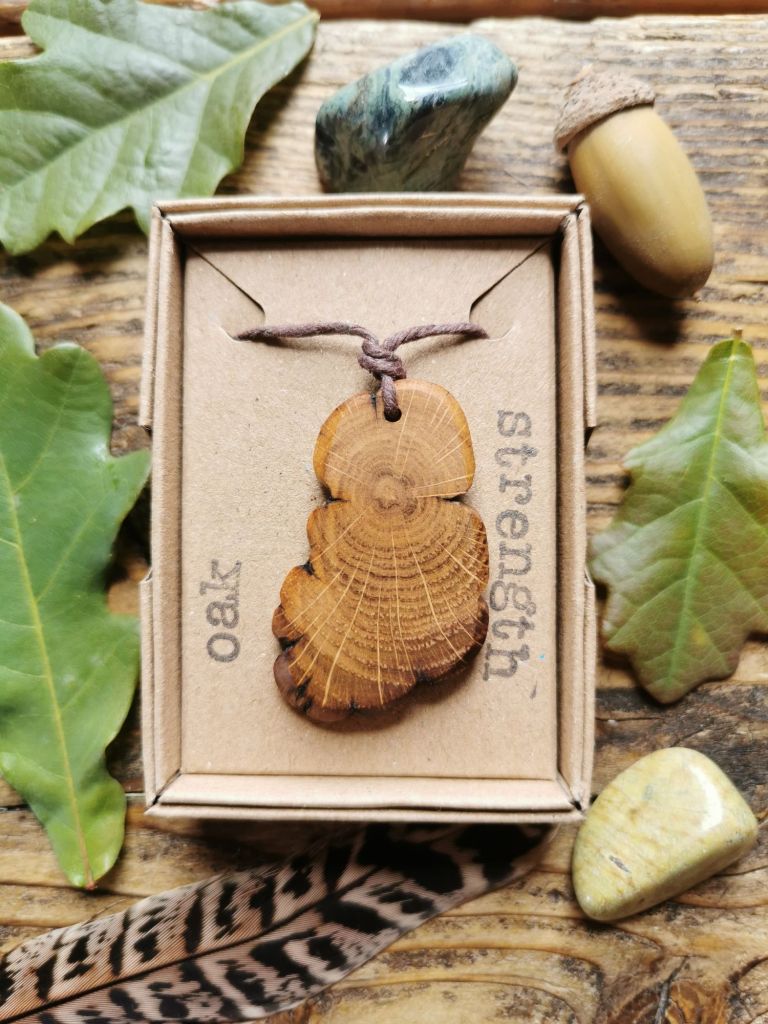
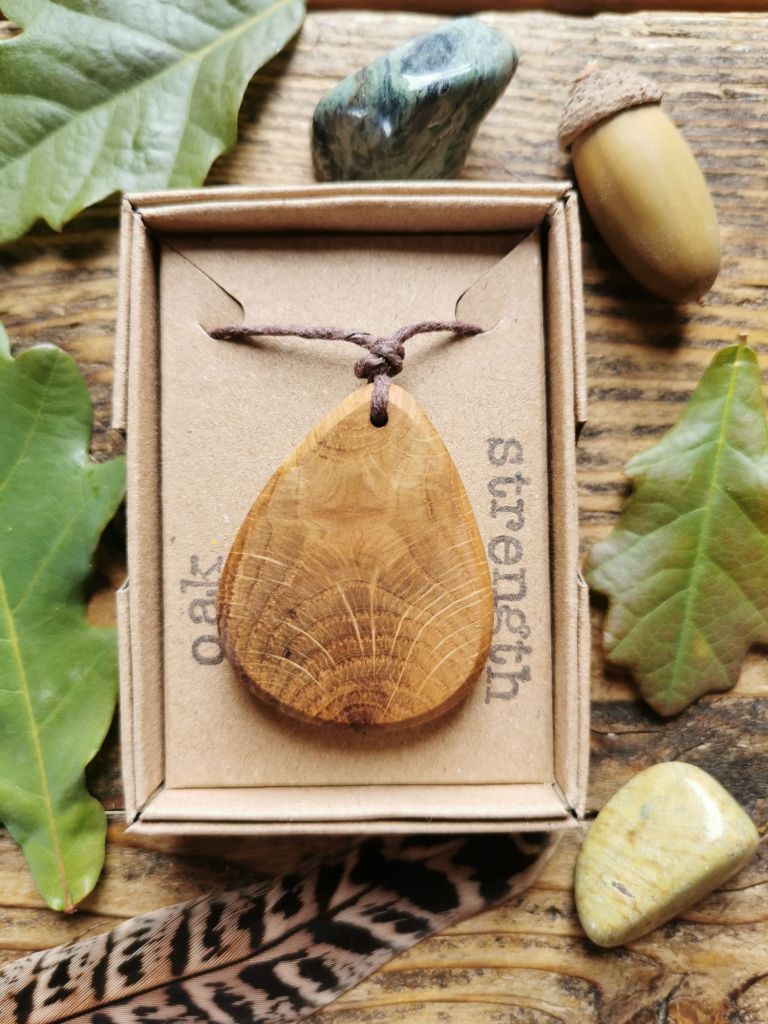
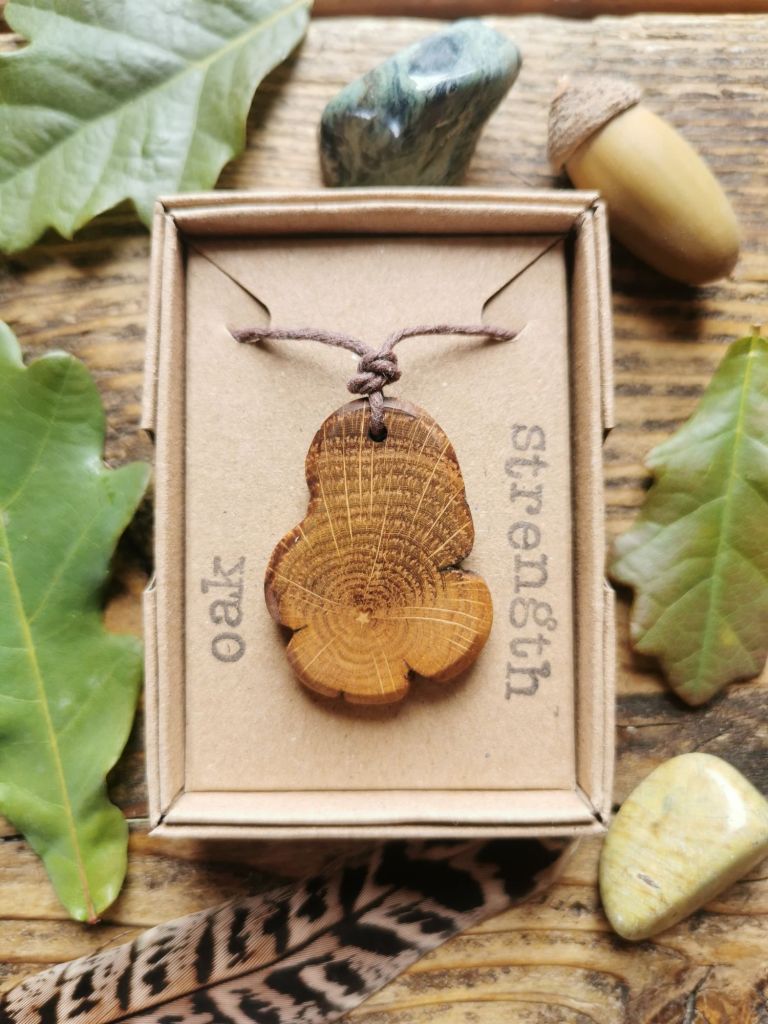
I just wanted to tell you a little more about our collection of Oak pendants that will be in store a little later today, Saturday 20th June at 10am.
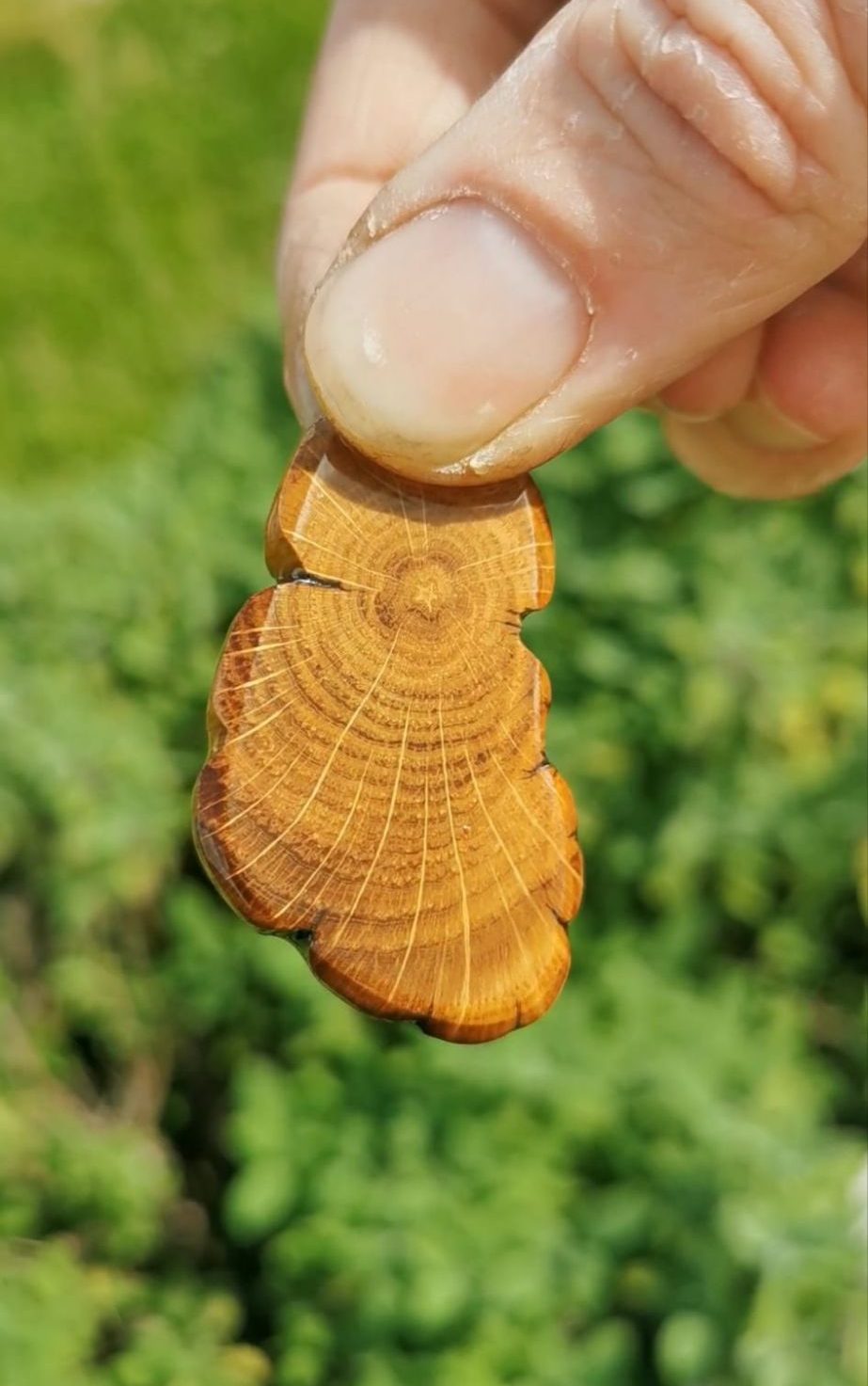
Do you see the ‘star’ in the centre of this piece?
As I mentioned in our previous post, we have felt so drawn to the stable and grounding energy of the iconic Oak tree in the run up to the Summer Solstice. It feels like the perfect tree ally to work with at a time that can often be filled with intensity, heat and movement.
We have created 5 pieces smoothed from an ancient piece of bone Oak, and I wanted to share a little more with you about what exactly bone Oak is. Let’s dive in…
What is bone Oak?
Oak is known to be one of the strongest and most durable woods in the world, and sometimes they go through processes which make them even stronger.
There is a natural survival strategy that ancient Oak trees will sometimes adopt called ‘retrenchment’. This is where a tree will withdraw their energy from their higher branches, drawing it back down to ensure they nourish the branches closest to their core.
This is the opposite process to when a younger tree is prioritising the growth of its higher branches, expanding out into the world.
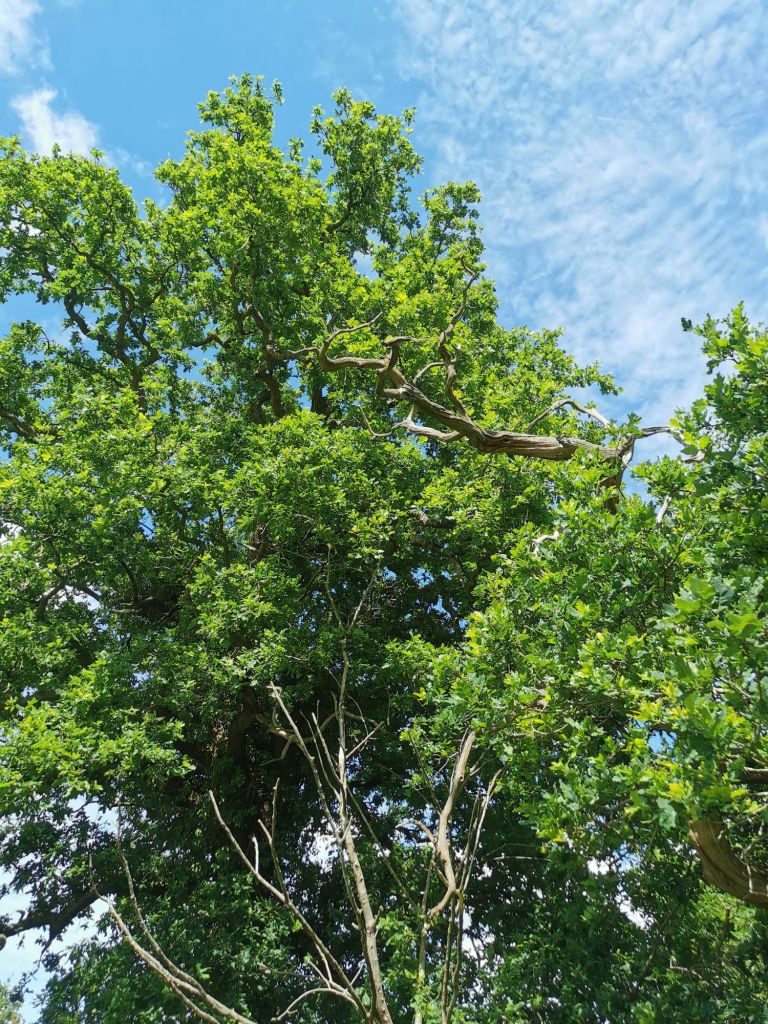
You may cross paths with one of these wise old trees and notice old, bare branches that protrude from the top of their canopies. They are sometimes described as ‘stag heads’.
Notice the ‘stag head’ branches on the tree on the right
These special trees remind me that we cannot always pour our energy into everything all at once, and that sometimes, to preserve our energy and maintain our strength, we may need to shed parts of ourselves.
But what has this got to do with bone Oak, I hear you ask? Well, when the outer sapwood of these higher branches dry out through weathering, you are left with the inner heartwood of the tree, which has become ‘as hard as bone’ earning it the name ‘bone Oak’.
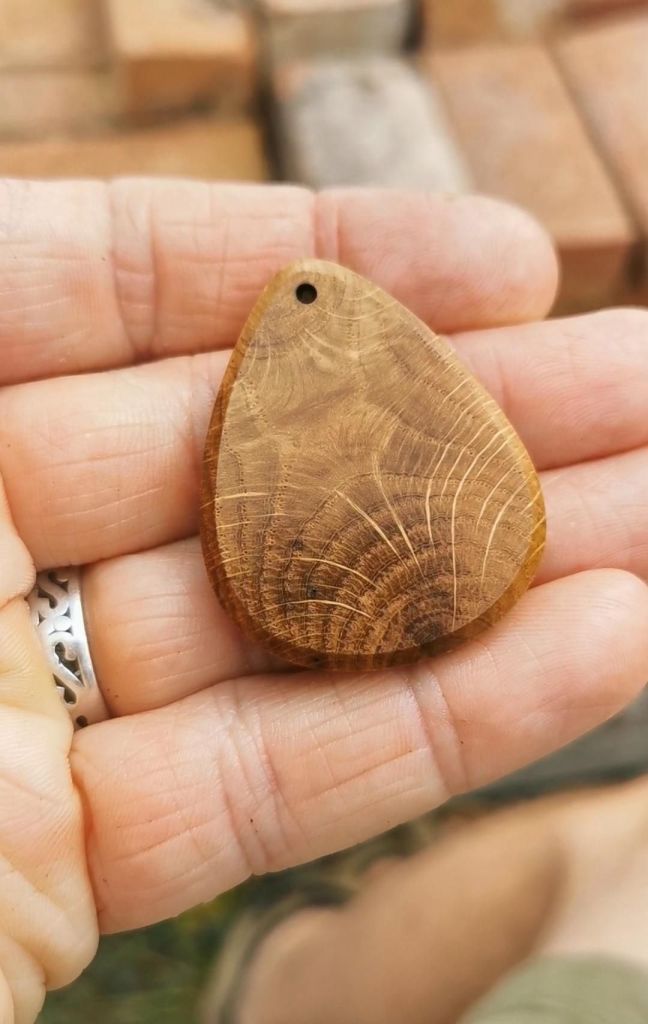
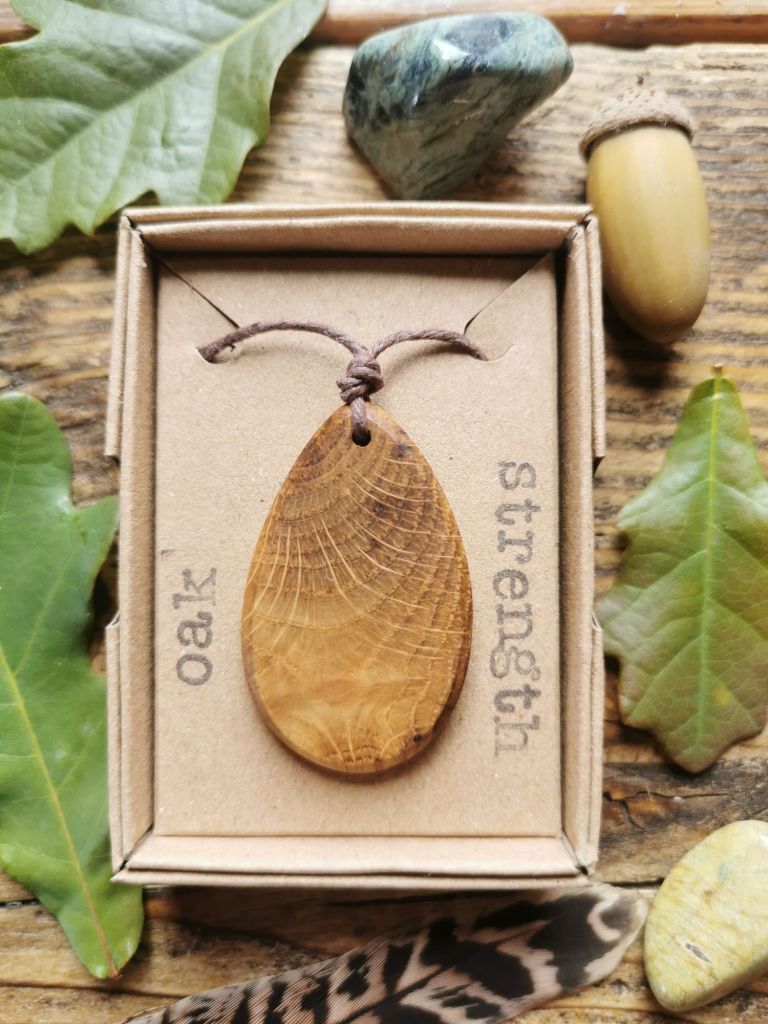
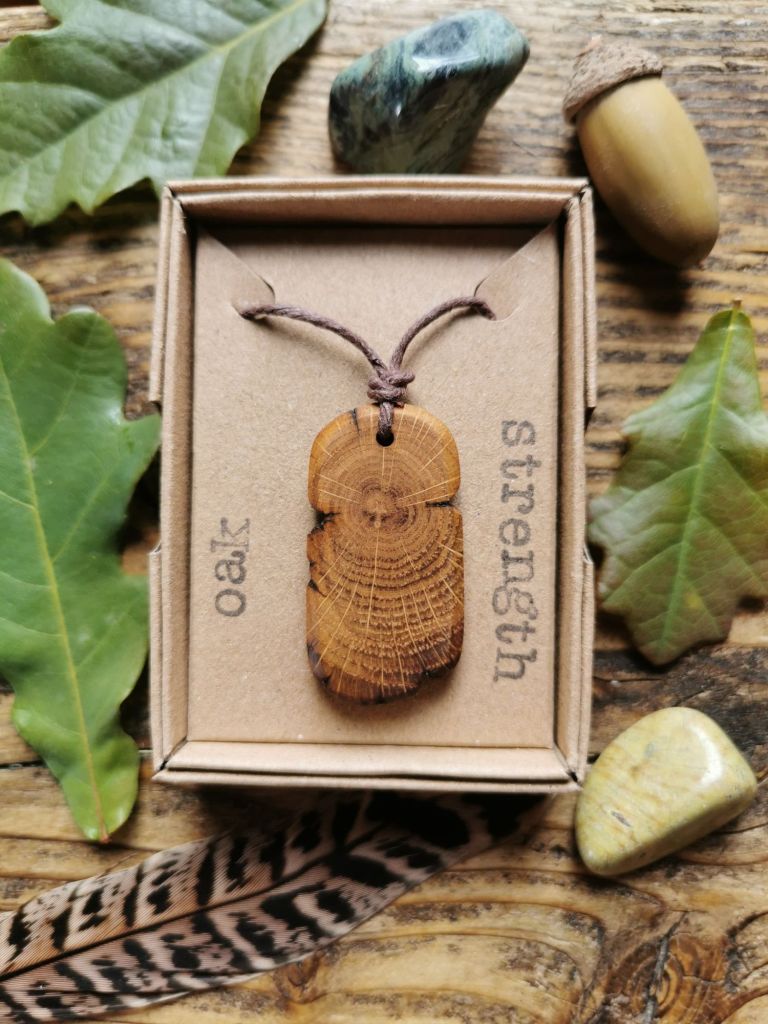
We felt very lucky to come across a recently fallen branch of bone Oak and have worked with it to create these pieces. You will notice the deep colour and stunning grains and markings that have evolved in the wood over many years.
We have worked with the wood in different ways for these pieces. We felt called to shape two of them to nestle perfectly into the palm…
We also wanted to celebrate the natural form of the bone Oak, highlighting the indents where the sapwood has worn away and left the inner heartwood. It reminds me that the processes of weathering and change can ignite inner strength…
We hope you love them as much as we have crafting them (we of course made two for ourselves and haven’t taken them off since!)
I hope you all find an Oak to greet this midsummer,
A lot has been shifting for us since I sent my last newsletter. We are currently getting ready to leave the land which we have been tending to over the past 4 years.
Whilst this wasn’t part of our immediate life plan, the universe seemed to have other ideas and gave us a pretty big nudge to reconsider our life.
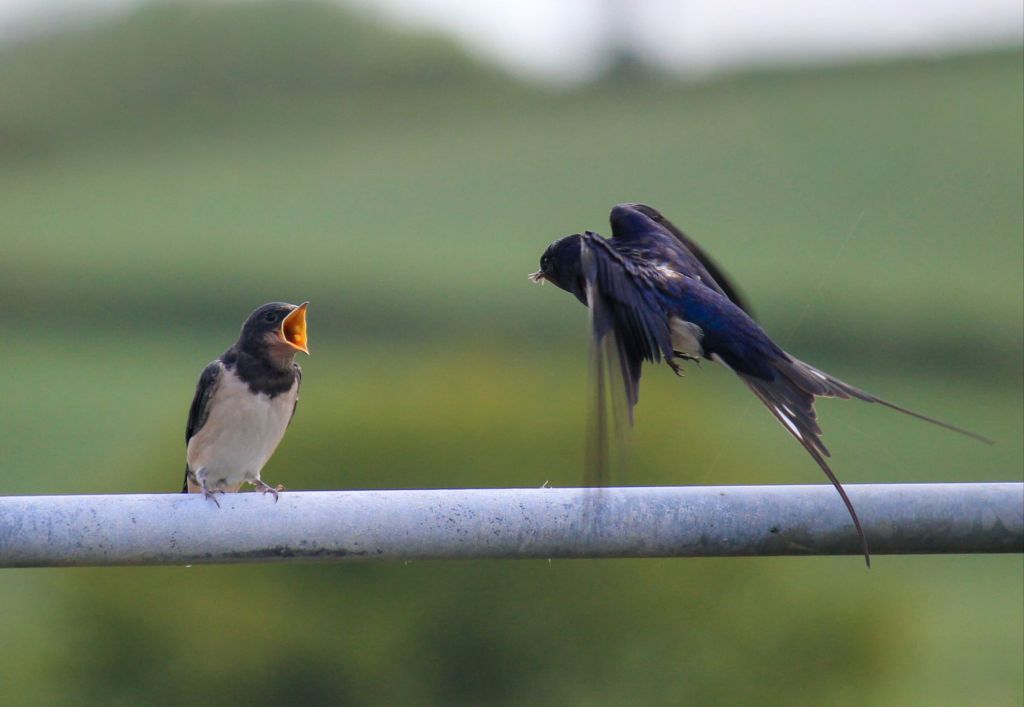
At this time of the year especially, it is a hive of activity here, with Swallows, Robins, Dunnocks and Pied Wagtails all raising their young. Goldfinches visit daily to feed on all the seedheads that we leave in their honour, and bees are busy foraging in the clover rich meadow area.
It feels extremely sad to say goodbye to them, but it does bring us some comfort knowing that the land here will remain wild, and that the plants and trees we have nurtured will continue to grow and support the wildlife here.
As for us, we will be moving back into the unknown, for a while at least, but we are excited to see where where we land next. I will keep you updated…
Oak, the tree of Strength and Stability
Whenever life feels unsettled or uncertain such as this, Oak is the tree that I reach to. Often called the king of the forest, Oaks have one of the strongest woods in the world. It is easy to see why they have become a symbol of strength and stability the world over.
Oak trees can live for around 900 – 1000 years and during that time bring stability to the surrounding environment. They provide habitats that support over 2000 different species that nest, shelter and feed within their branches.
It is said, that over the typical lifespan of an Oak tree they spend around 300 years growing, 300 years living/thriving and 300 years dying. And even once an Oak tree has died, their dead wood continues to support life, sometimes even more biodiversity than when they were alive!
Oak and the Summer Solstice
As the heat intensifies at this time of the year, the shade of an Oak tree becomes a very welcomed sight. Sitting beneath an Oak at Midsummer is an enriching experience. You can feel them in their element, buzzing with life, vivid green and growing their acorns, a symbol of fertility and abundance.
Oak Wild Jewellery Collection
As the tree most closely associated with the Summer Solstice, it may come as no surprise, that we have felt called to work with Oak this past couple of weeks.
Here is a sneak peak of some of the stunning patterns to be found in bone Oak, the hard as bone inner heartwood of a windfallen Oak branch we were lucky to discover.
This piece is yet to have its final sand and be oiled so expect the colours to really pop in the finished piece…
We will have 5 bone Oak pendants in store on Saturday 20th June at 10am. I will send out a reminder on Saturday morning, with a first glimpse the finished pieces too….
Solstice Shop Updates
To celebrate the Solstice, we have had our BIGGEST shop update of the year. You will find a seasonal selection of moon pendants and woodland slices that are now in store!
As subscribers, you will receive20% off any of these pieces now in store. Click on the link below to add the discount to your basket or apply the discount code LITHA20 at the checkout.
Wishing you all a little Solstice magic this week, Nic x
As we move through May, I can’t help but marvel at how fast the wild world seems to expand and change on an almost daily basis.
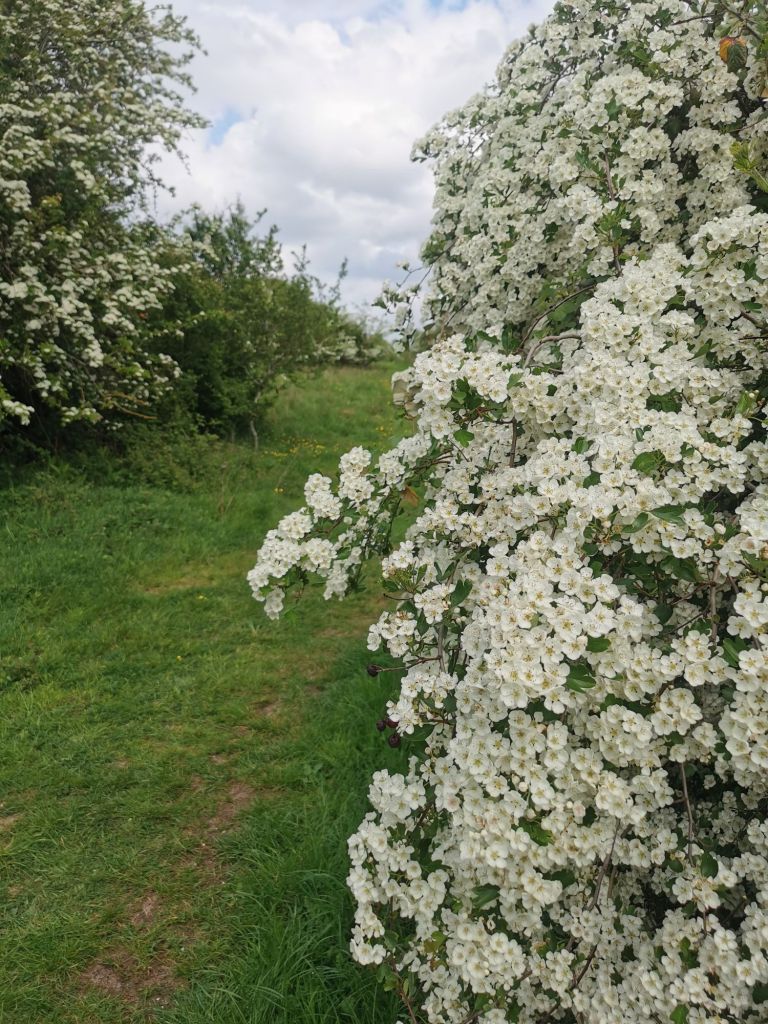
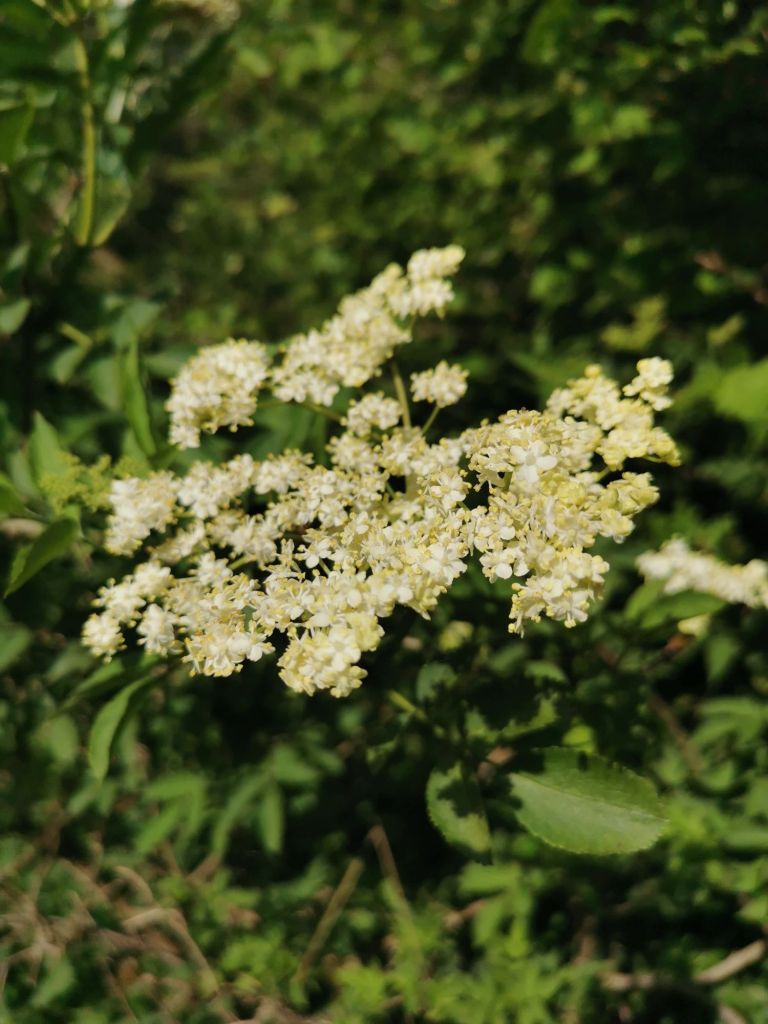
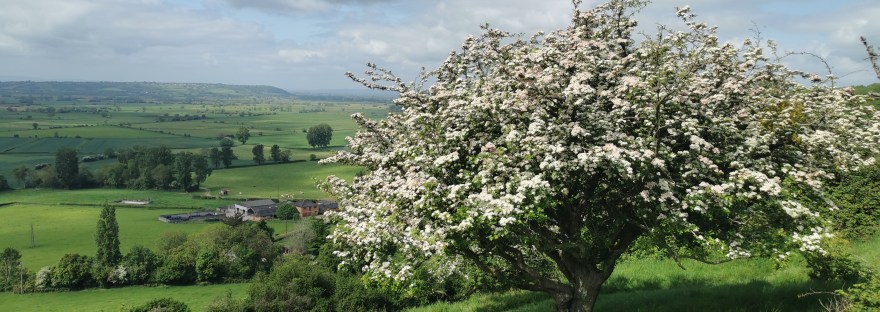
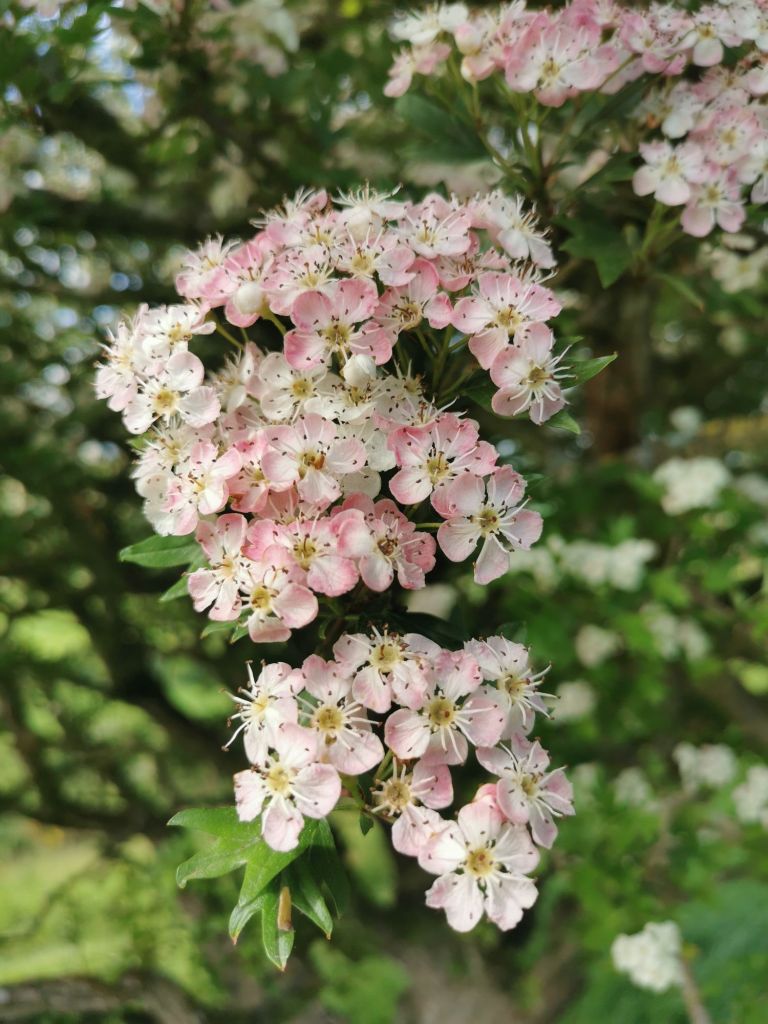
The Hawthorn blossoms that just a few days ago felt in their prime, are now shedding their petals all over the track below. Meanwhile the Elderflowers are opening daily providing pollinators with a new flavour to enjoy.
Frothy Hawthorns Magical Elder
I love the fullness at this time of the year. It feels like an invitation that asks me to pause regularly and notice the land around me. Medicine, at what can so often feel like a busy time of the year for us too.
The longer days, provide more opportunities to get out. Early morning walks, or evening visits to favourite spots to enjoy this abundant time of the year.
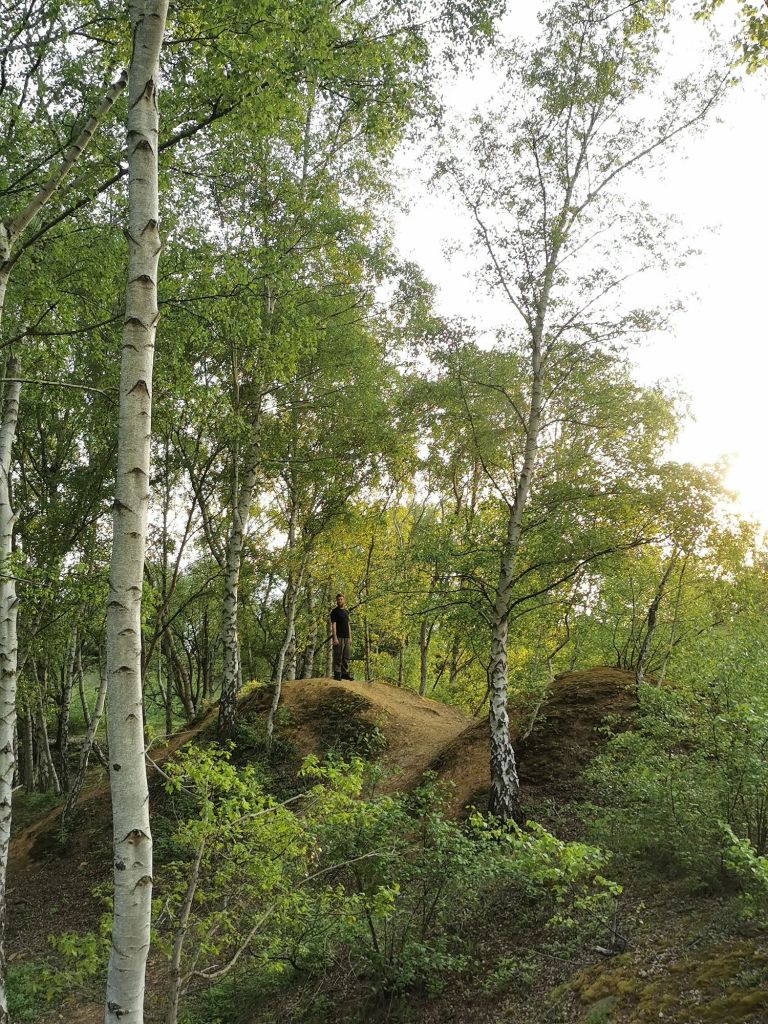
An evening walk to the Birches
Noticing Nature
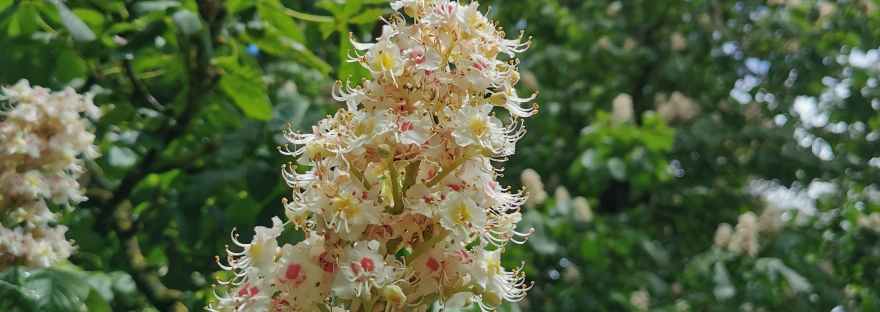
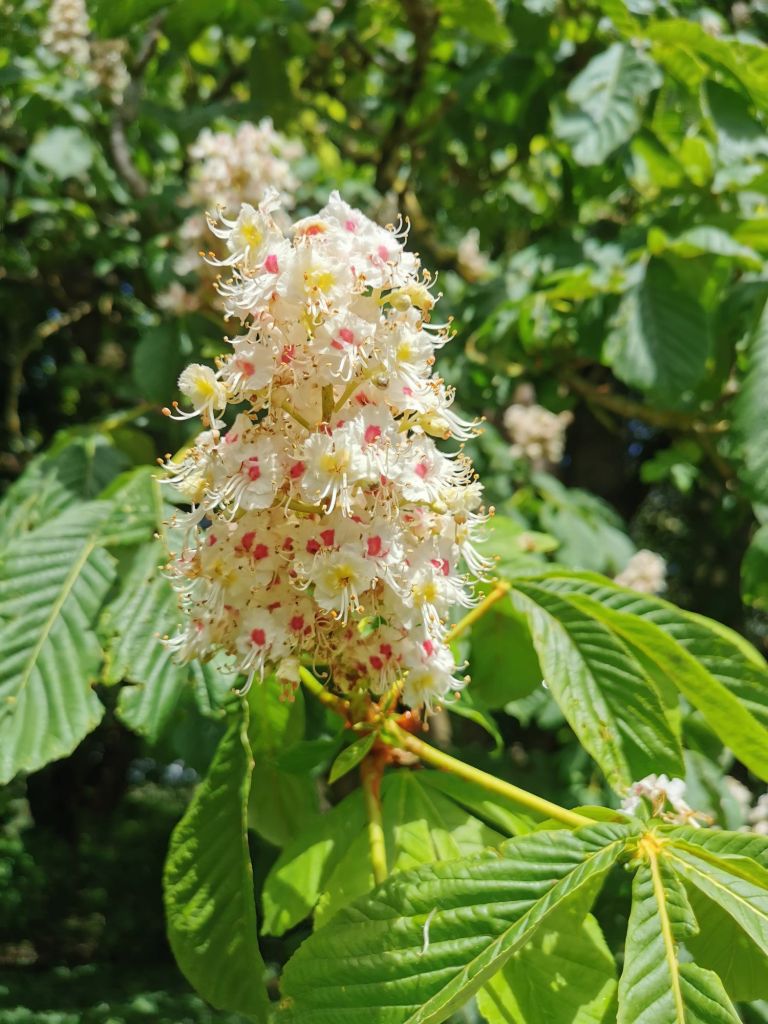
A tree that always grabs my attention at this time of the year is the Horse Chestnut. Covered in tall, upright clusters of flowers known as ‘candles’ they can be spotted at great distances.
This expansive tree has developed a fascinating way of communicating with insects. Each individual flower starts off with a yellow patch on them that turns red once the flower has been pollinated, letting pollinators know, which flowers are worth visiting.
Fascinating Horse Chestnut flowers communicating with insects
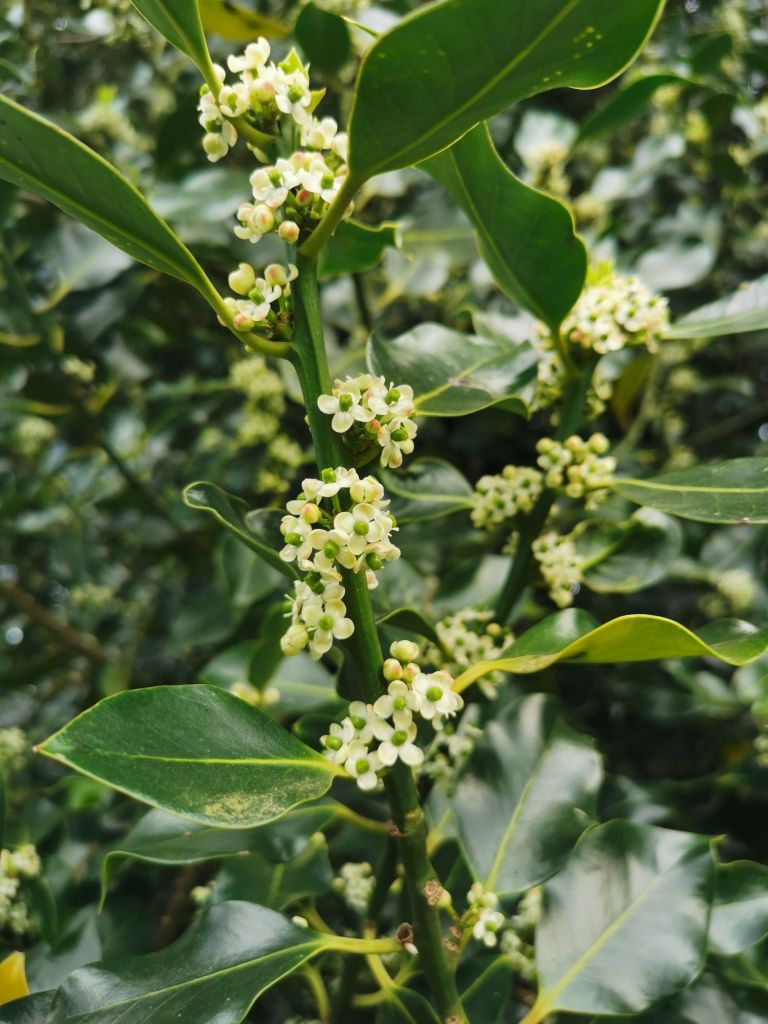
A tree that is often overlooked at this time of the year is the Holly tree which is often associated with Winter. Its glossy green leaves and bright red berries bring colour and life at a time of the year when most of the colour has retreated. And yet, if you happen to see them in the Spring time, their delicate, 4 petalled flowers are a joy to see.
Typically a Holly tree will produce either male or female flowers. The male flowers have 4 long stamens that are coated with yellow pollen. The female flowers have a raised green centre, which is actually the ovary, and if pollinated grows into the red berries we shall be celebrating later on in the year.
Female flowers of the Holly tree
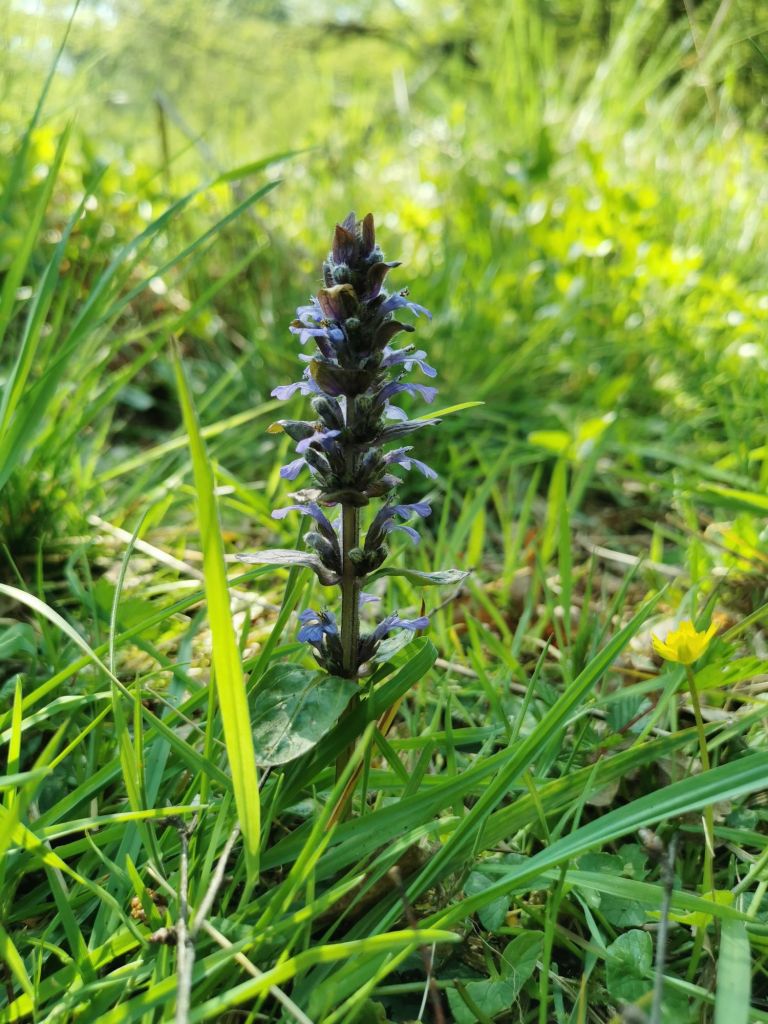
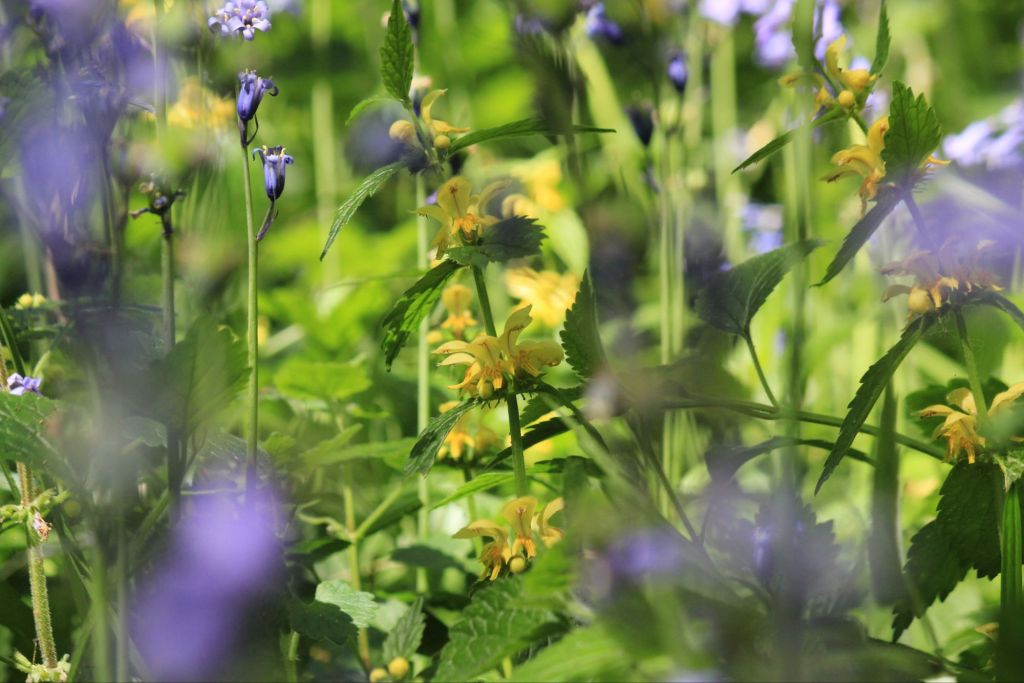
And as the bluebells have now faded in the woodland here, other woodland plants like Bugle and Yellow Archangel are providing new colours to enjoy.
Upcoming Events
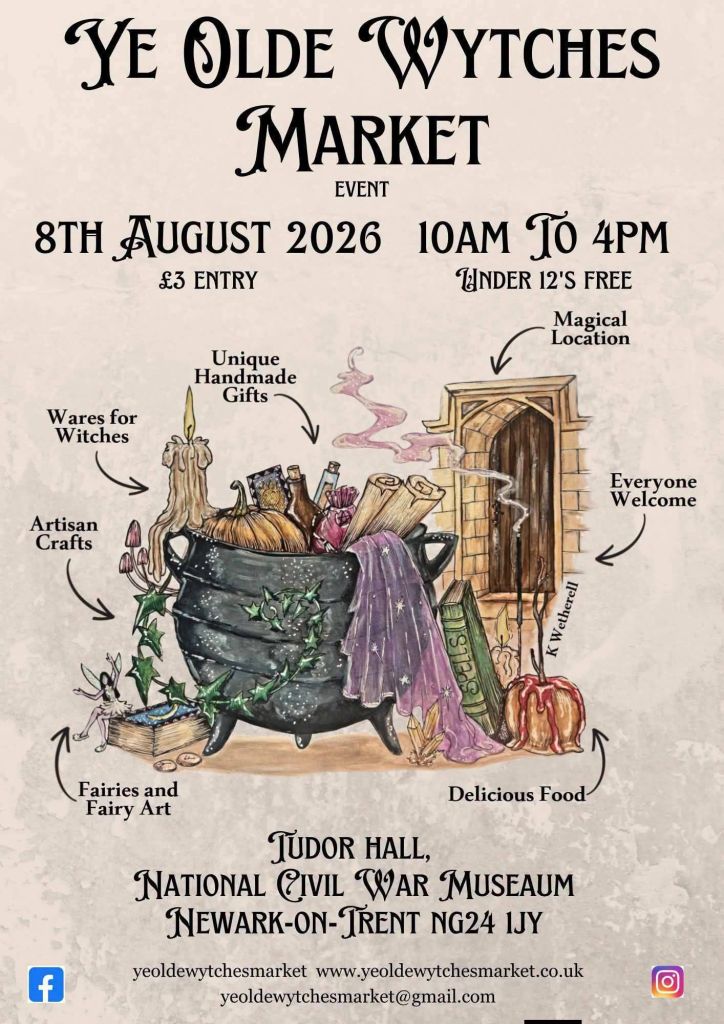
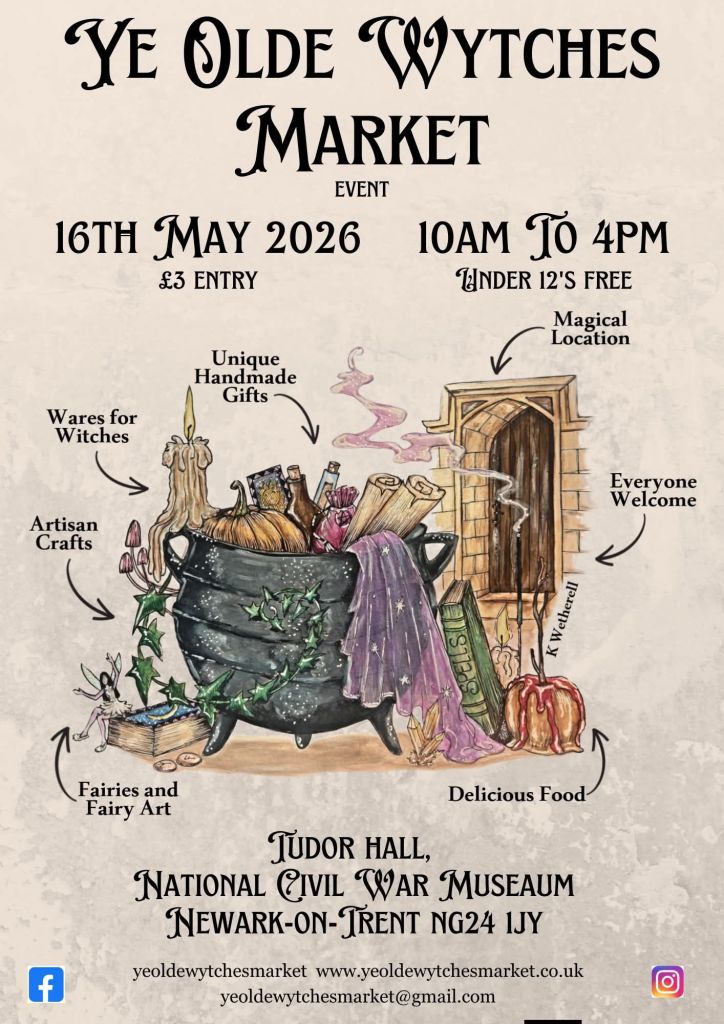
This Saturday we return to Newark for Ye Olde Wytches Market, a magical event that includes talks, workshops and artisan craft stalls too.
We will be returning to the Witch & Fairy festival over the late May bank holiday. This magical event held in Northamptonshire has discounted tickets currently available too.
I have created a discount code for you too, as a little Beltane treat, so don’t forget to scroll on down to receive it.
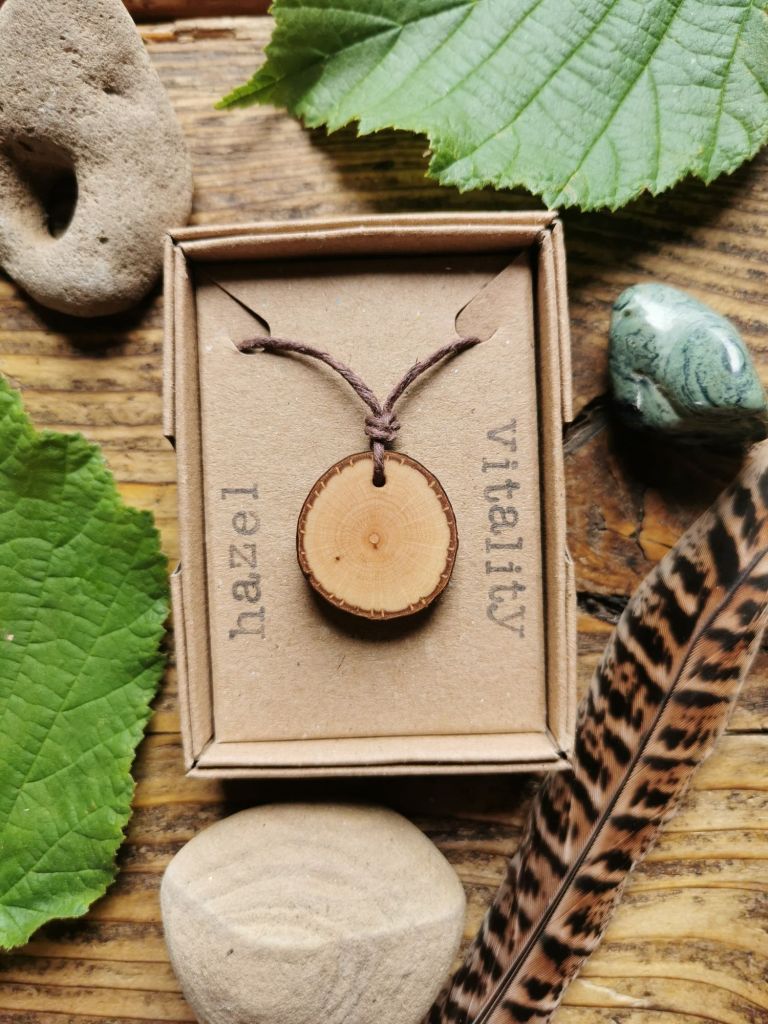
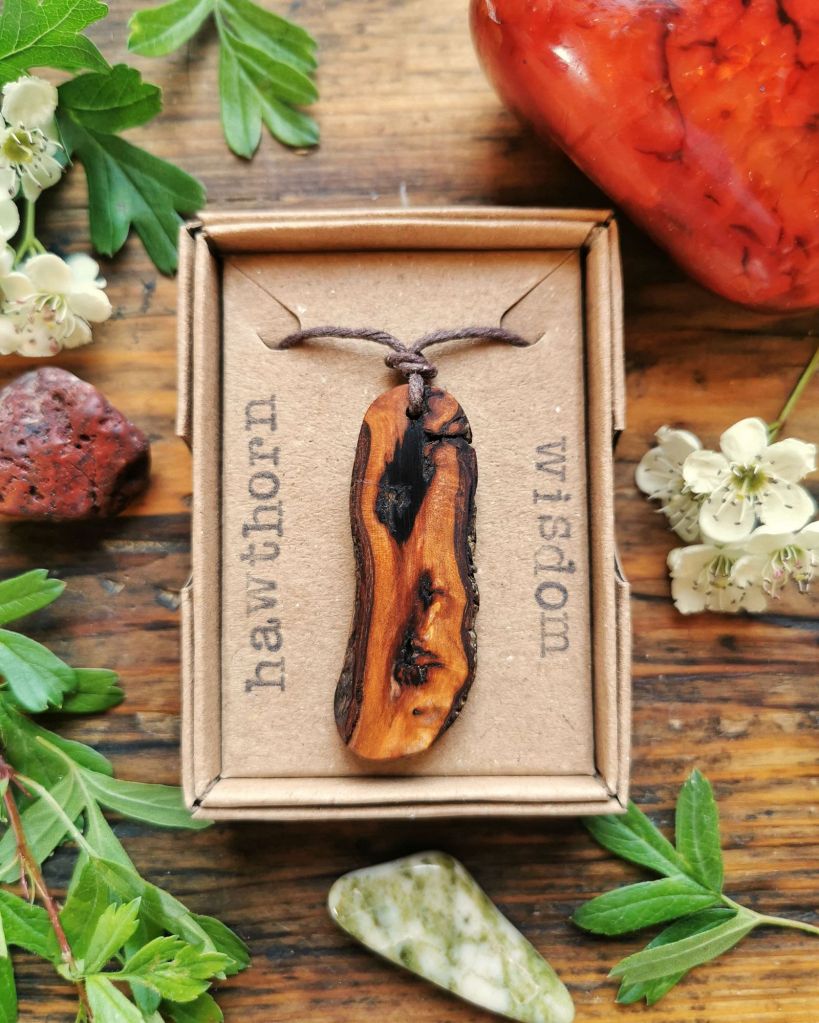
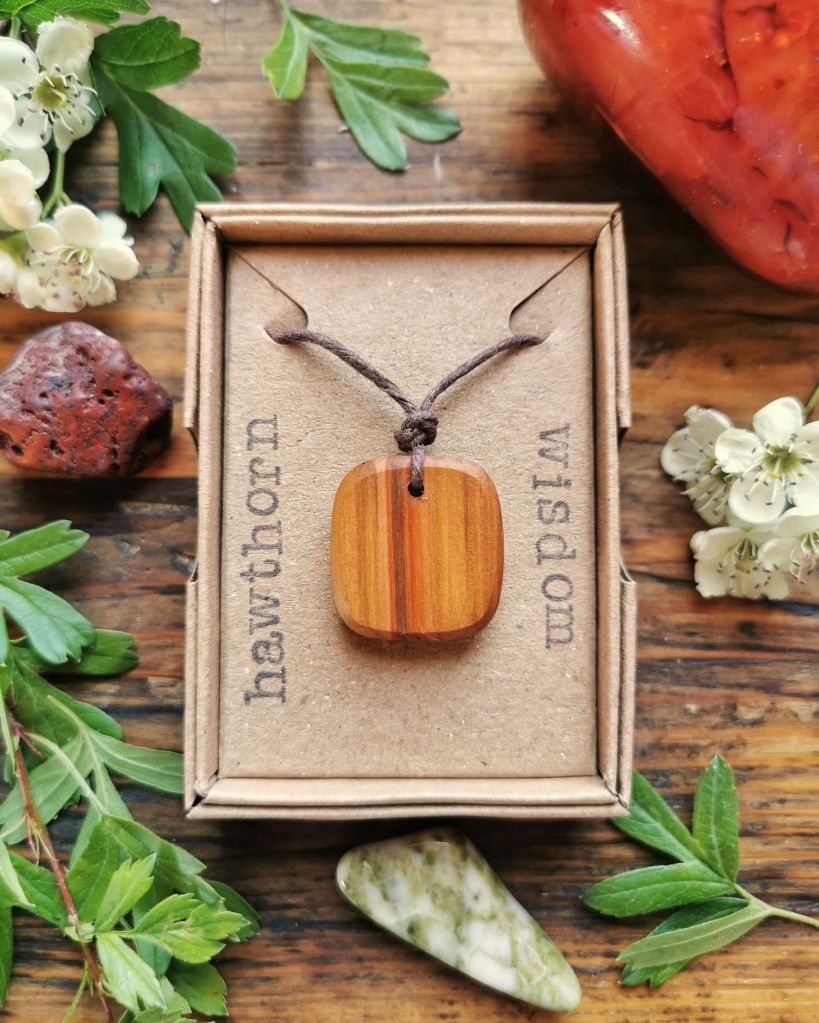
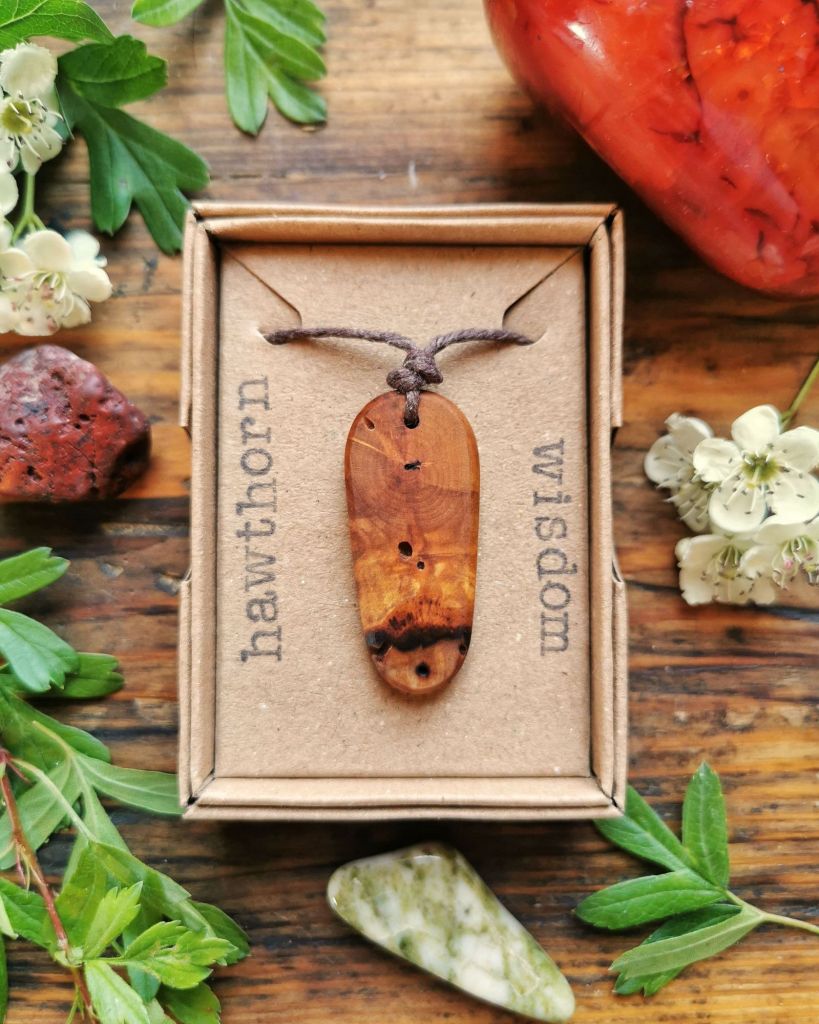
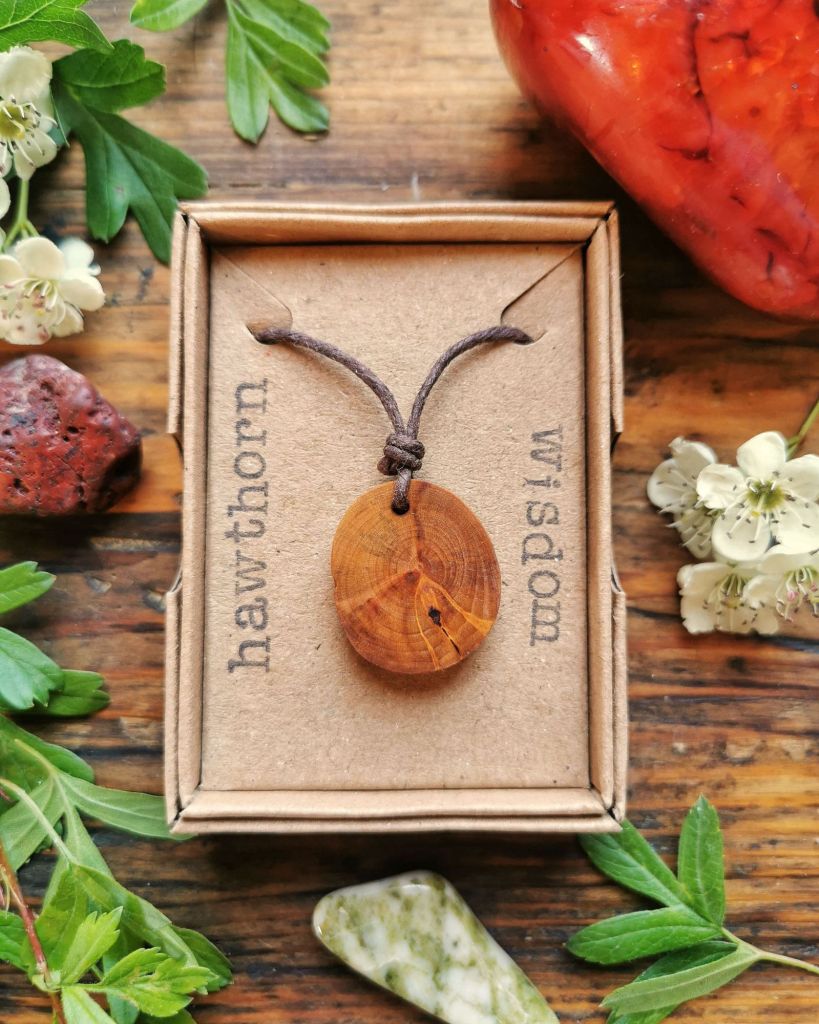
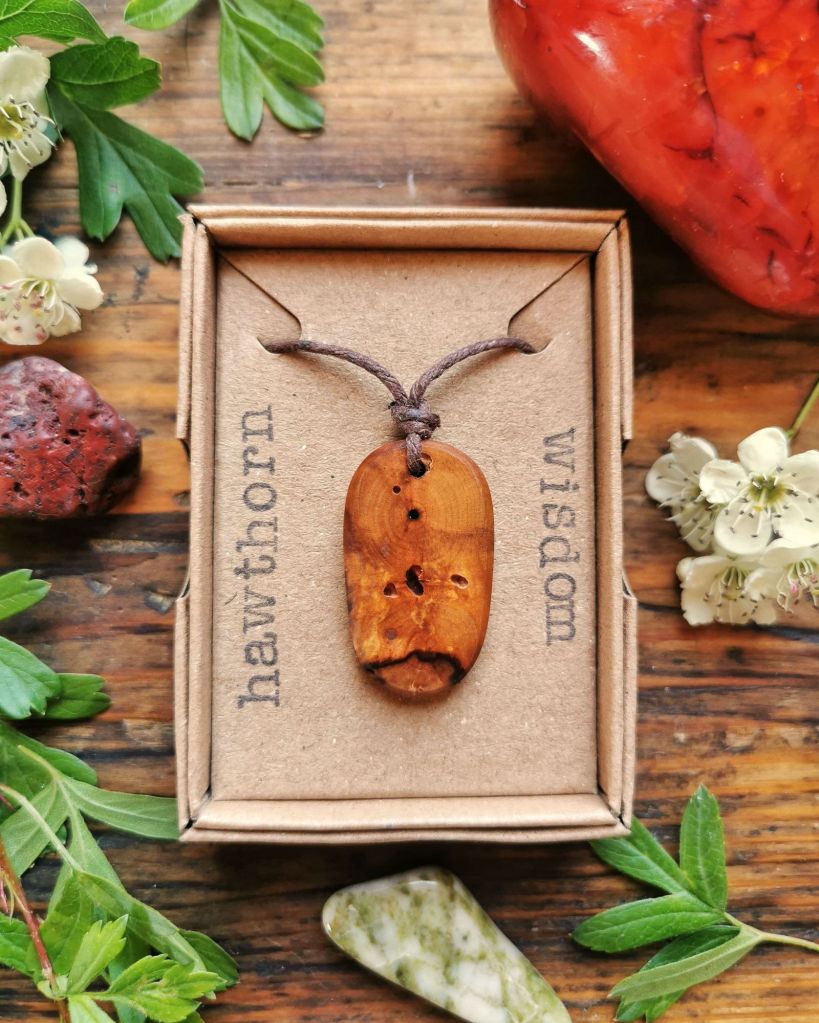
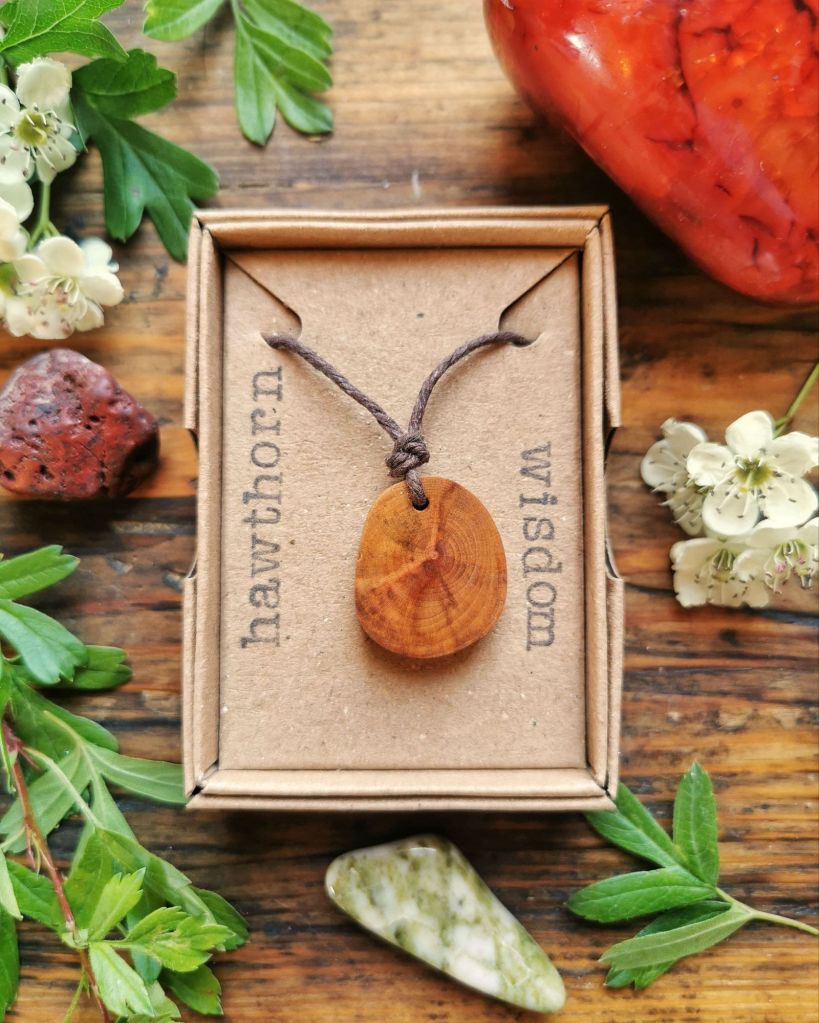
As April gives way to May, the hedgerows come alive with the creamy blossoms of the Hawthorn tree. It is estimated that Hawthorn makes up around 70% of our hedgerows in the UK, spreading across the land, nourishing the wild world from the ground up.
This is a tree steeped in folklore and ancient tradition, particularly at this time of the year where it is a symbol of Summer’s arrival and the fertility of the land.
Wearing Hawthorn, is to follow in the footsteps of our ancestors, who wore Hawthorn as a way of pledging their allegiance to the earth. Talismans of luck and protection, of wisdom and connection.
These pieces will be in store at 7pm this evening, and as a thank you for being here with us and supporting our work we have created a 20% discount code that can be used on any of our Wild Jewellery pieces until Tuesday.
Simply enter the code NEWSLETTER20 at the checkout orfollow the link here to add the discount to your basket.