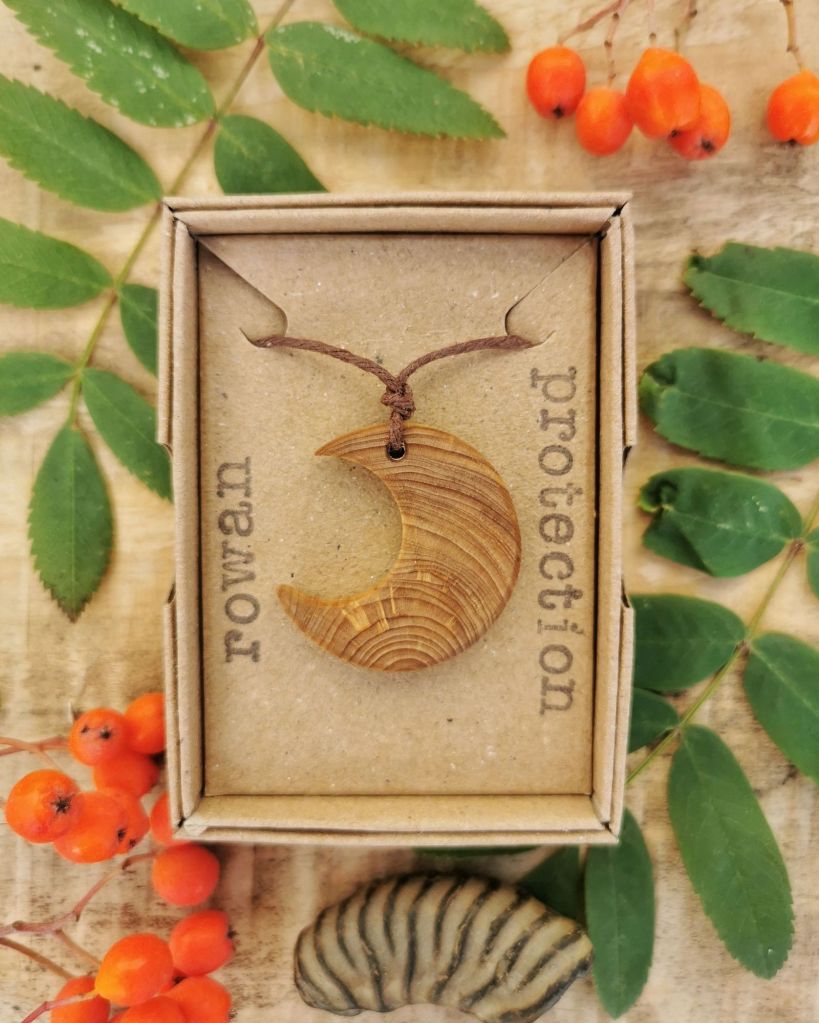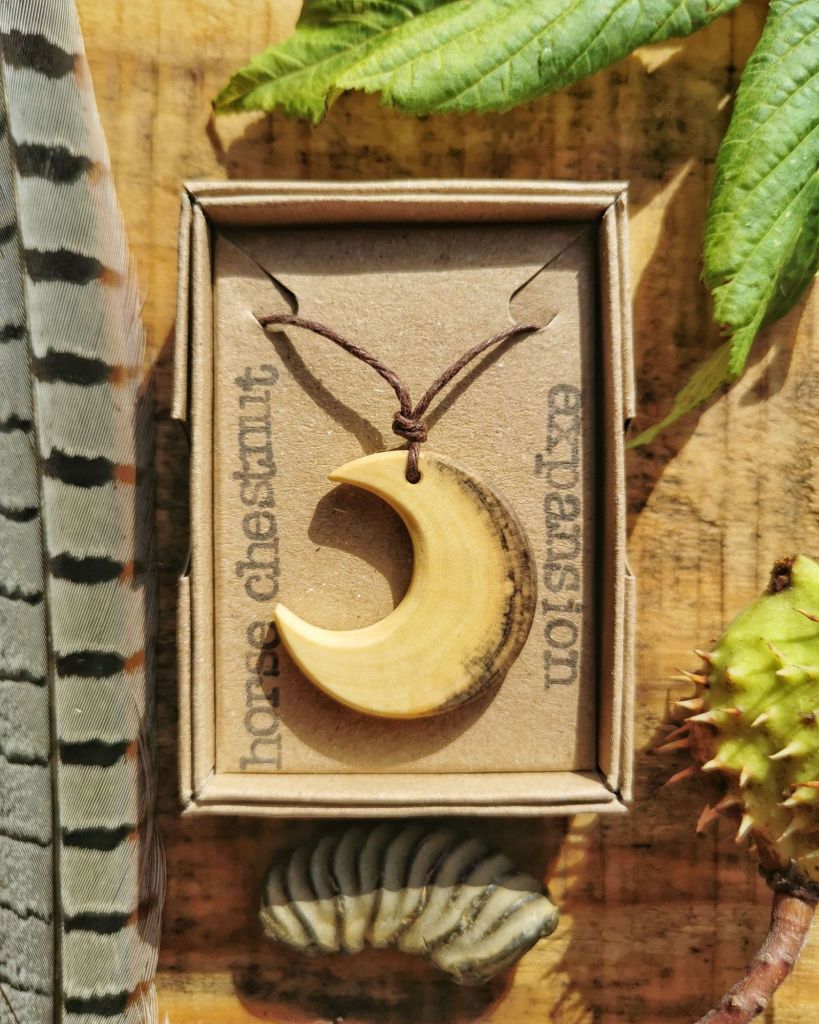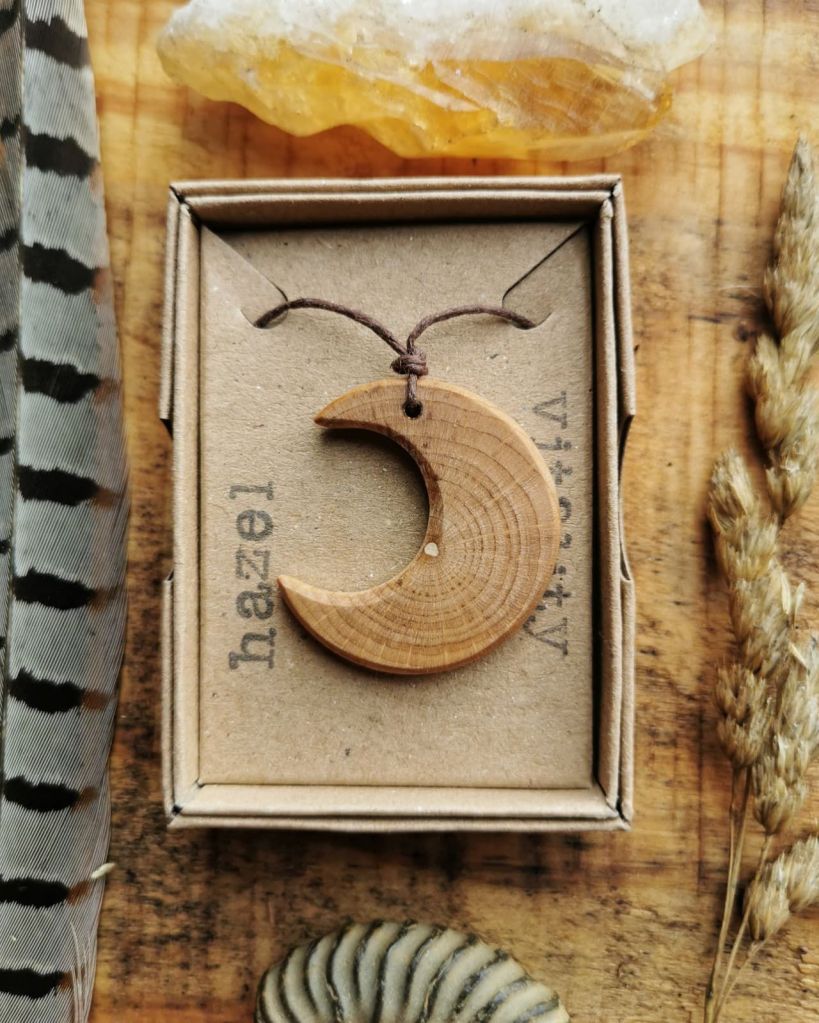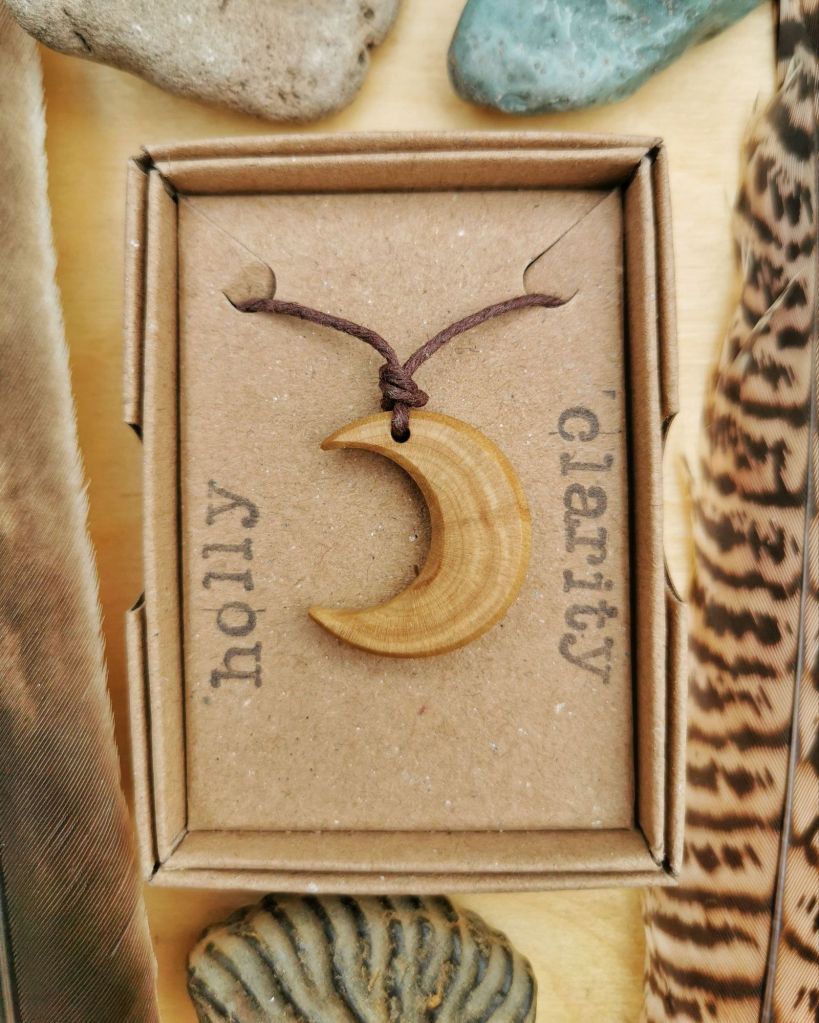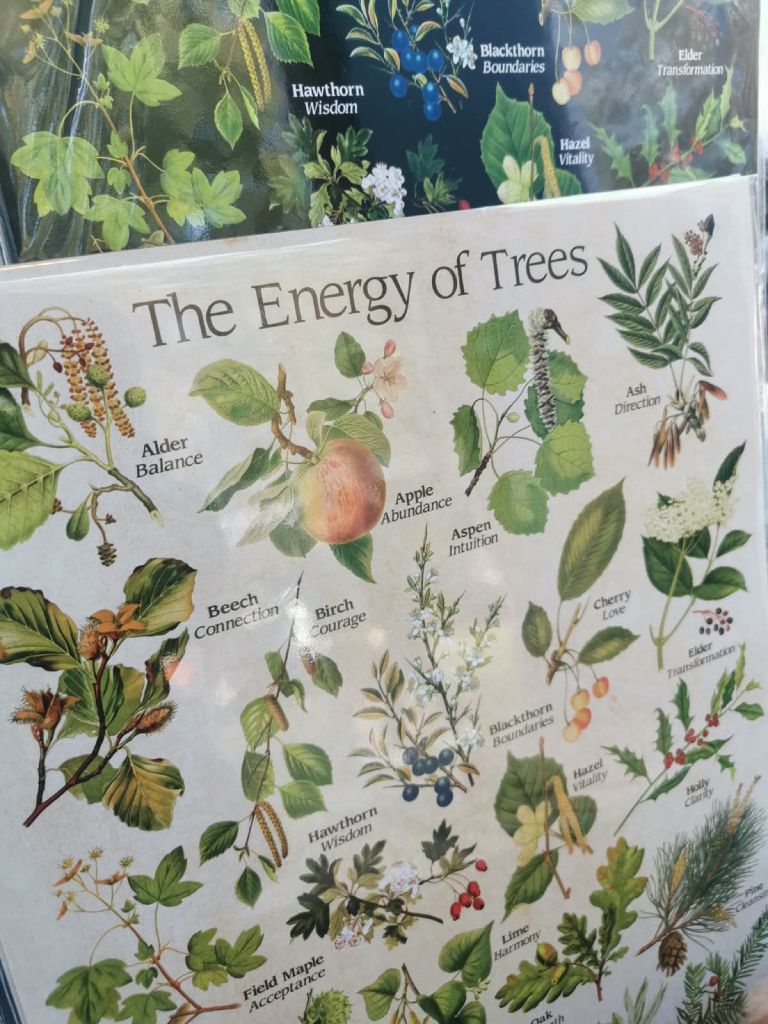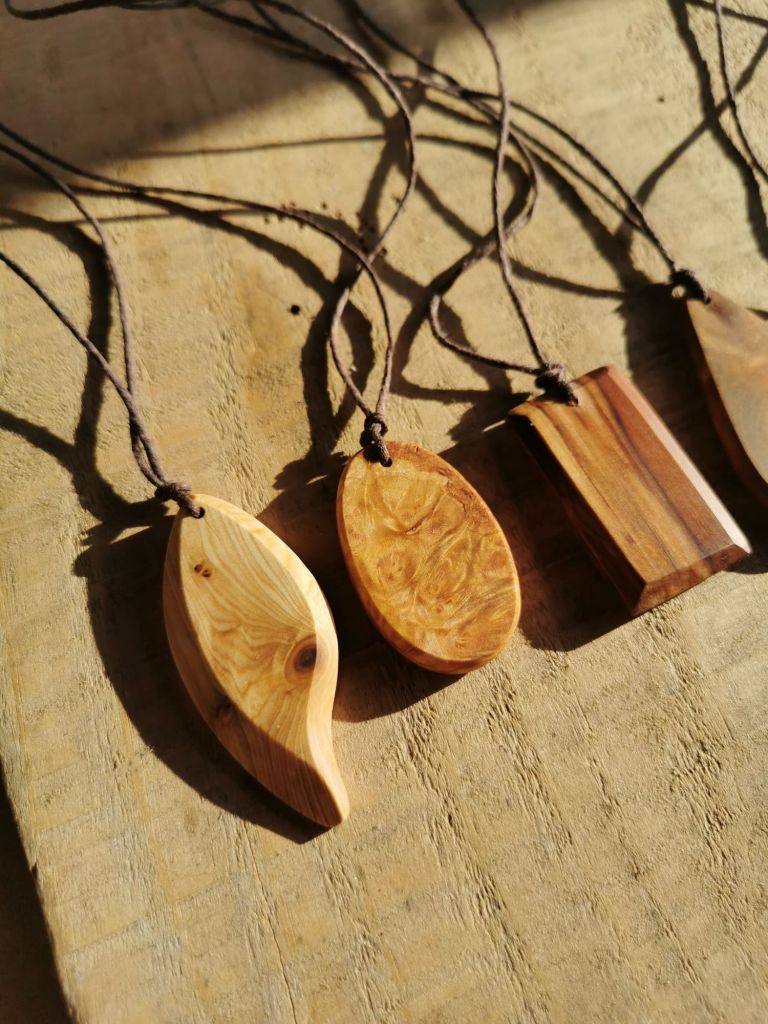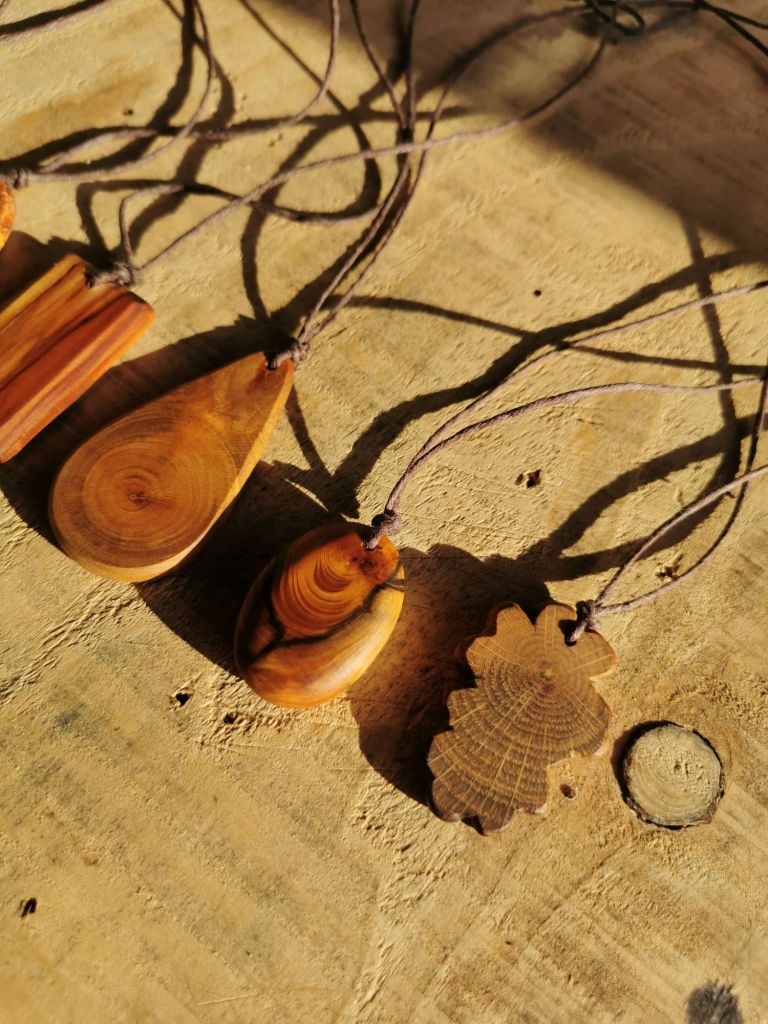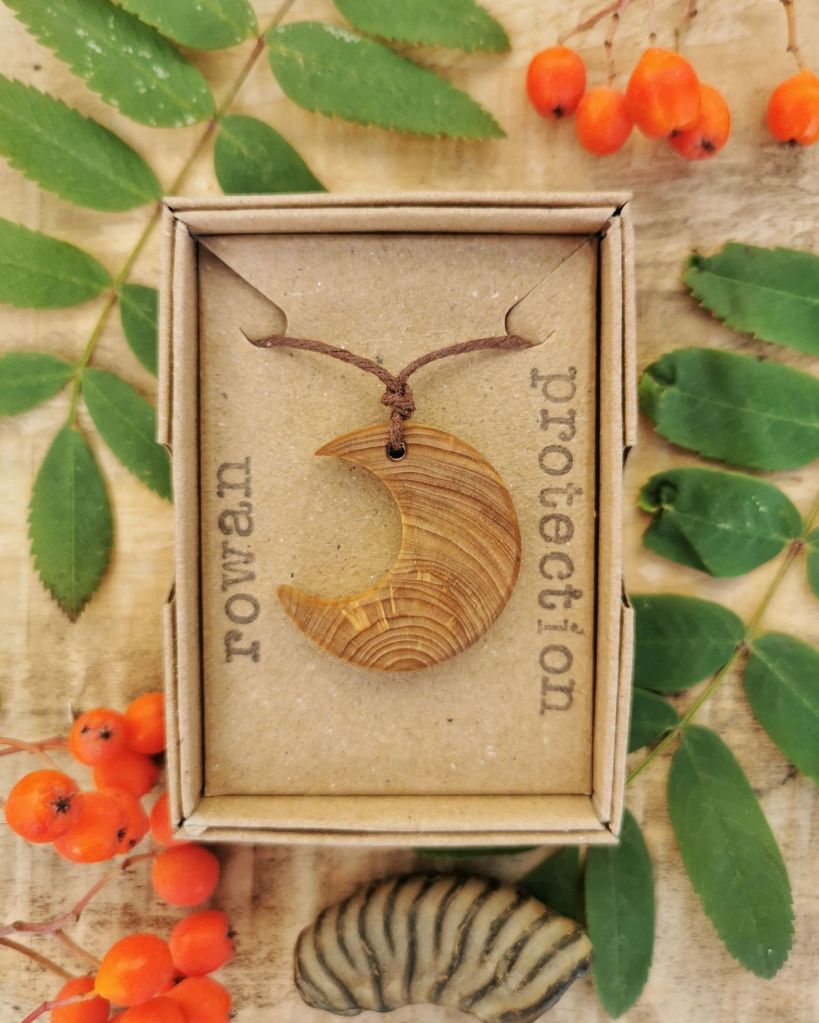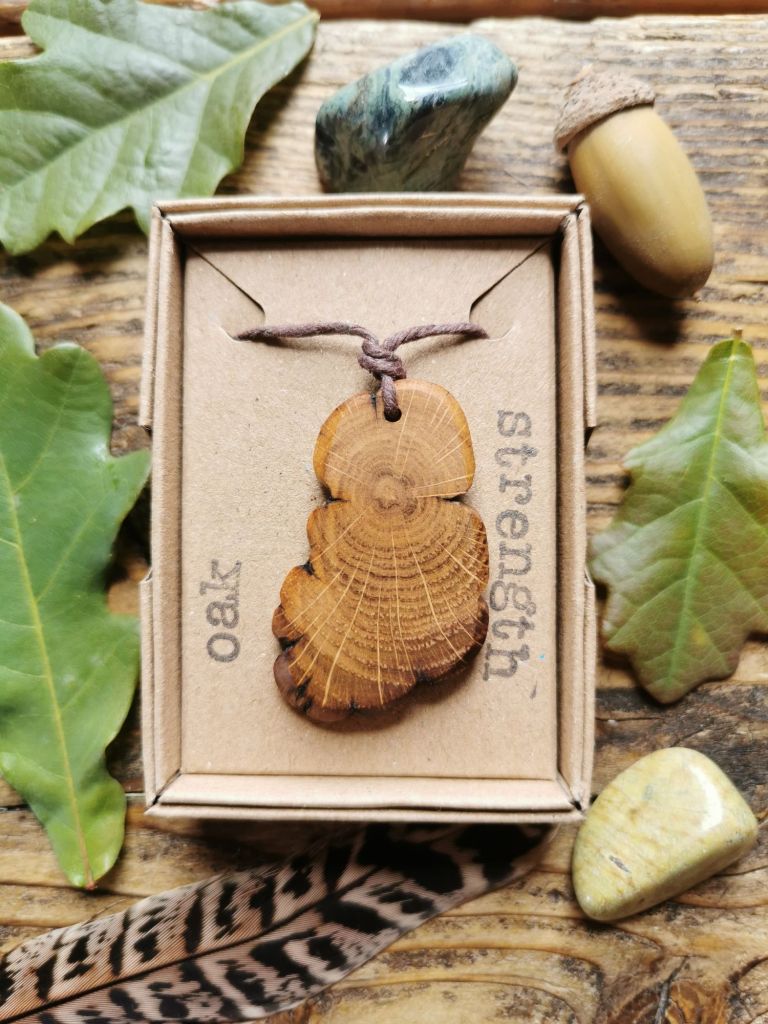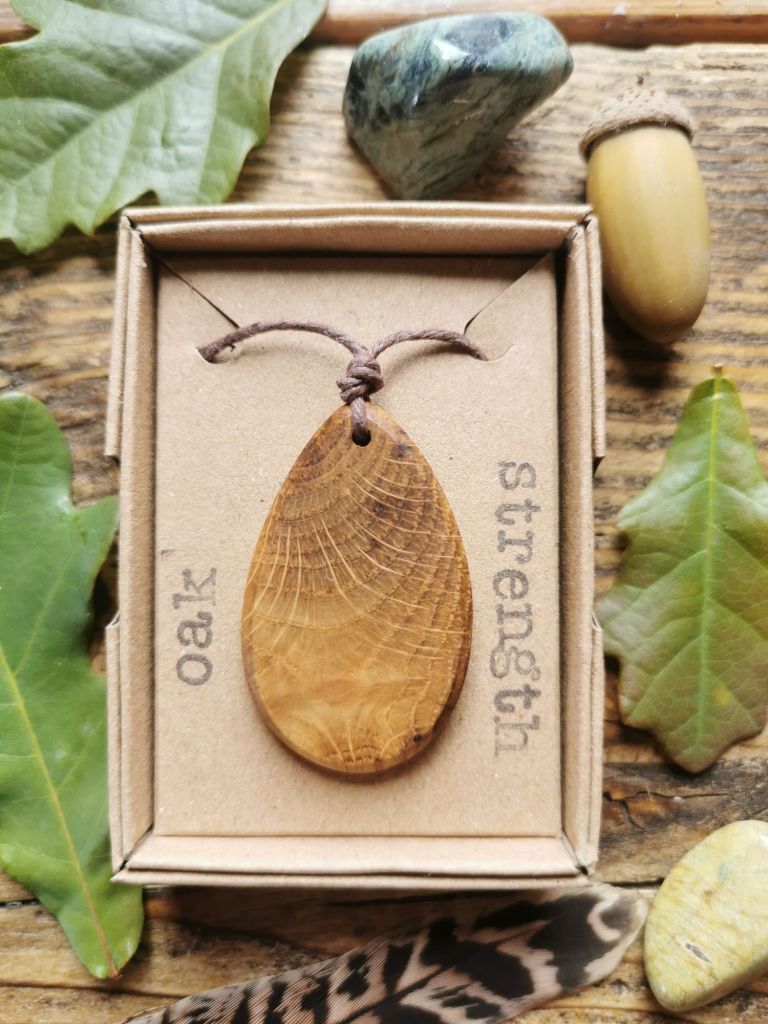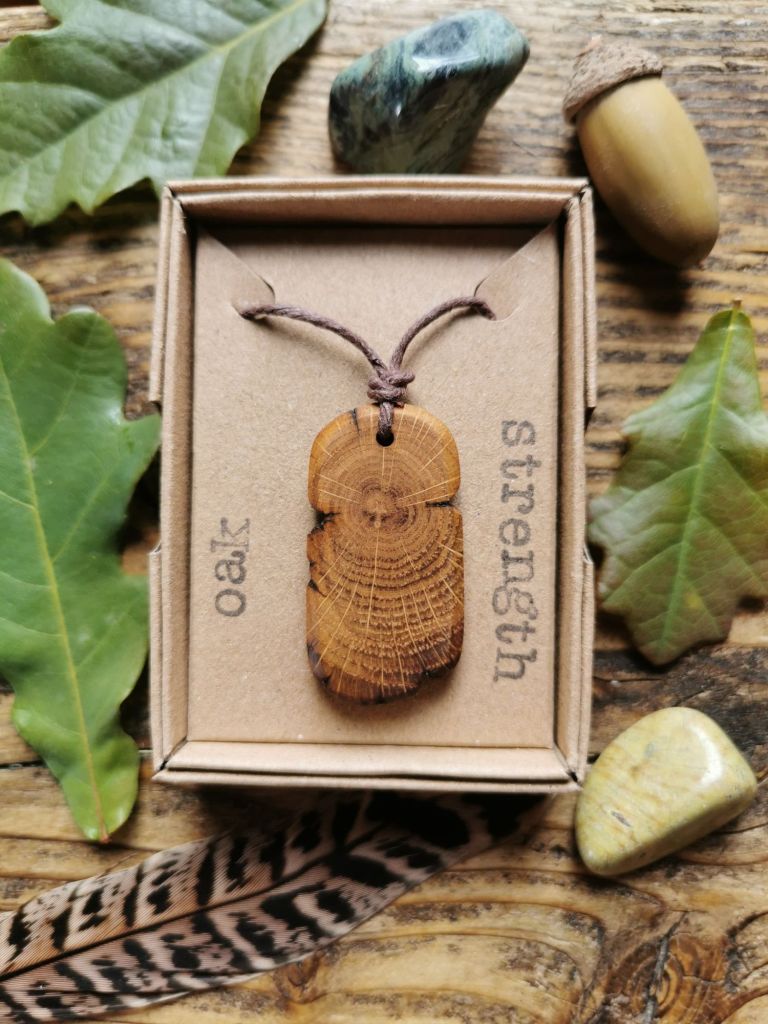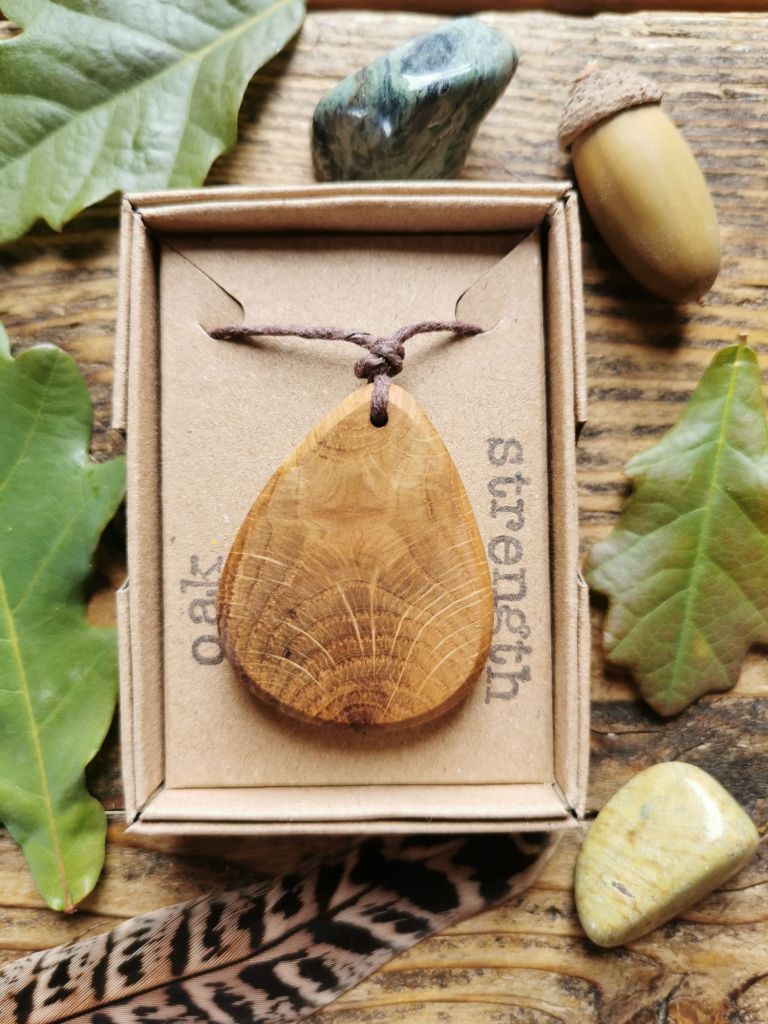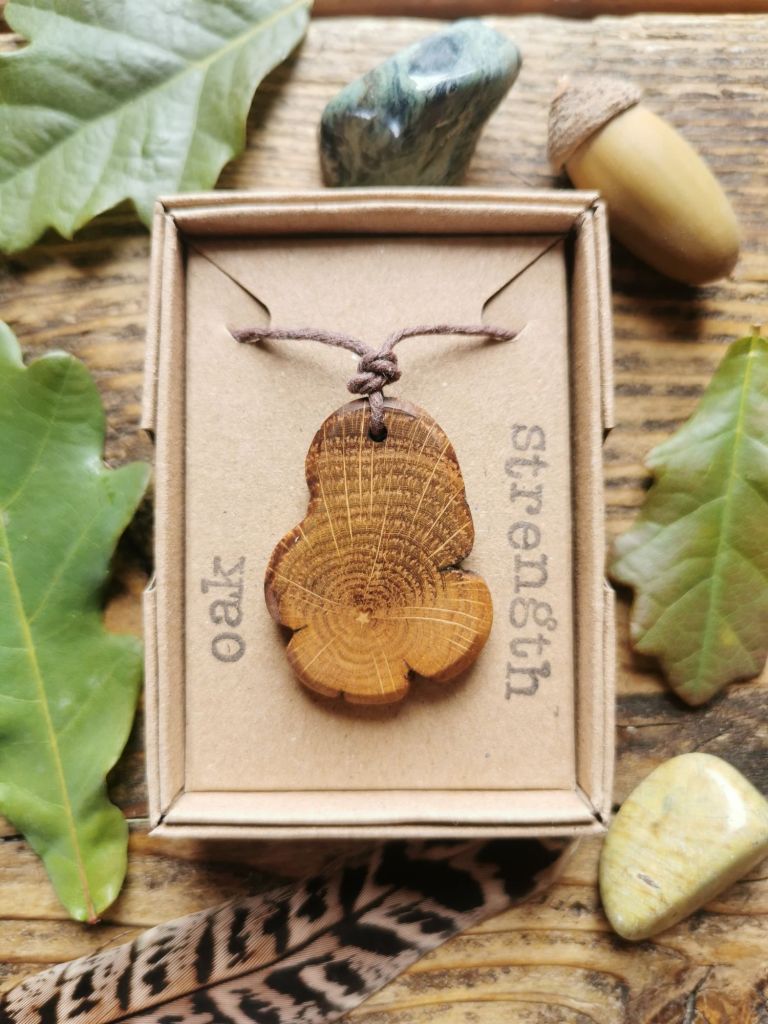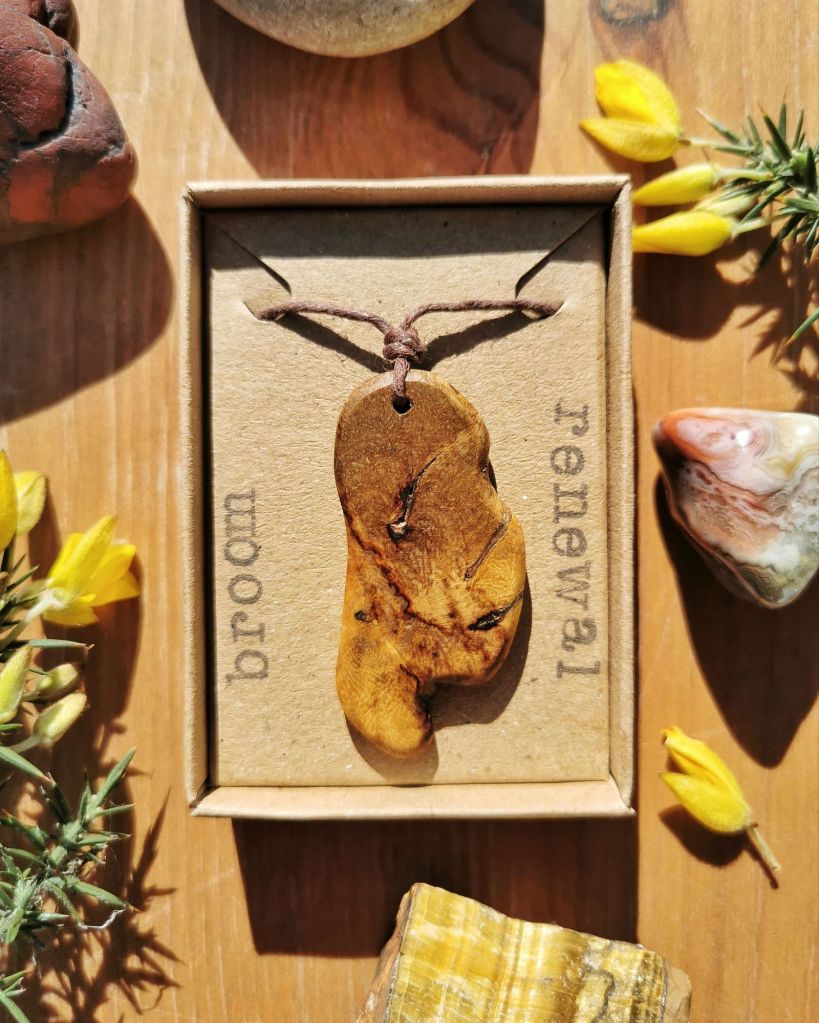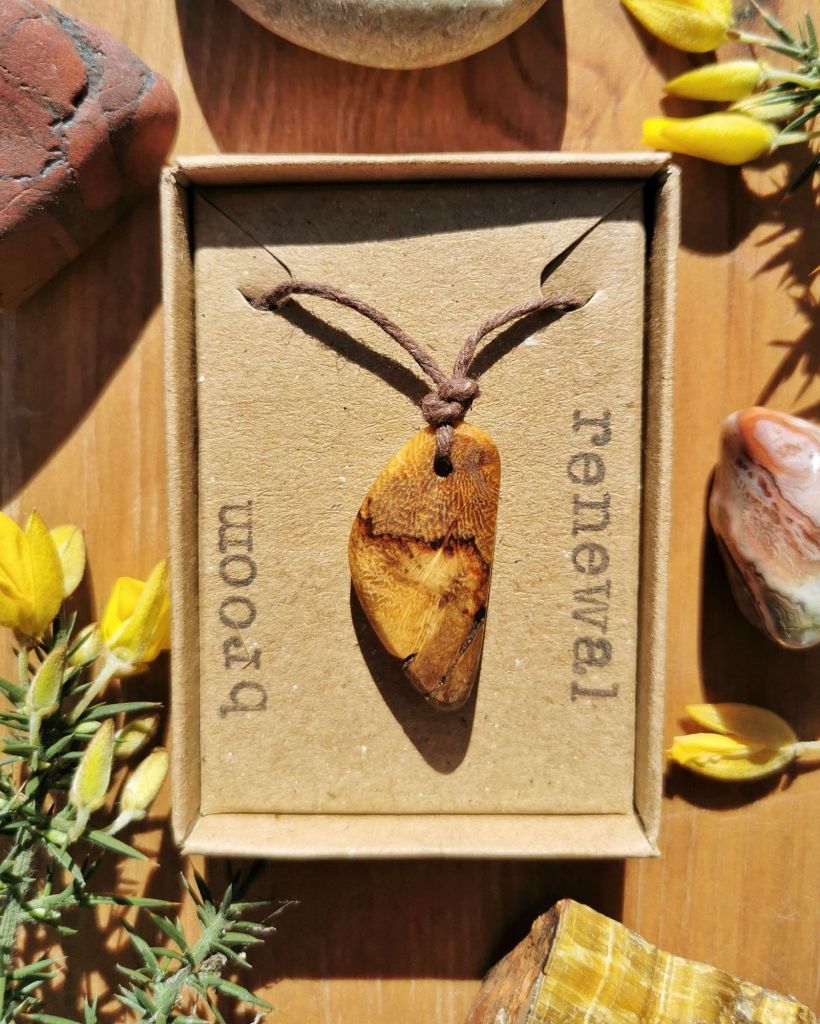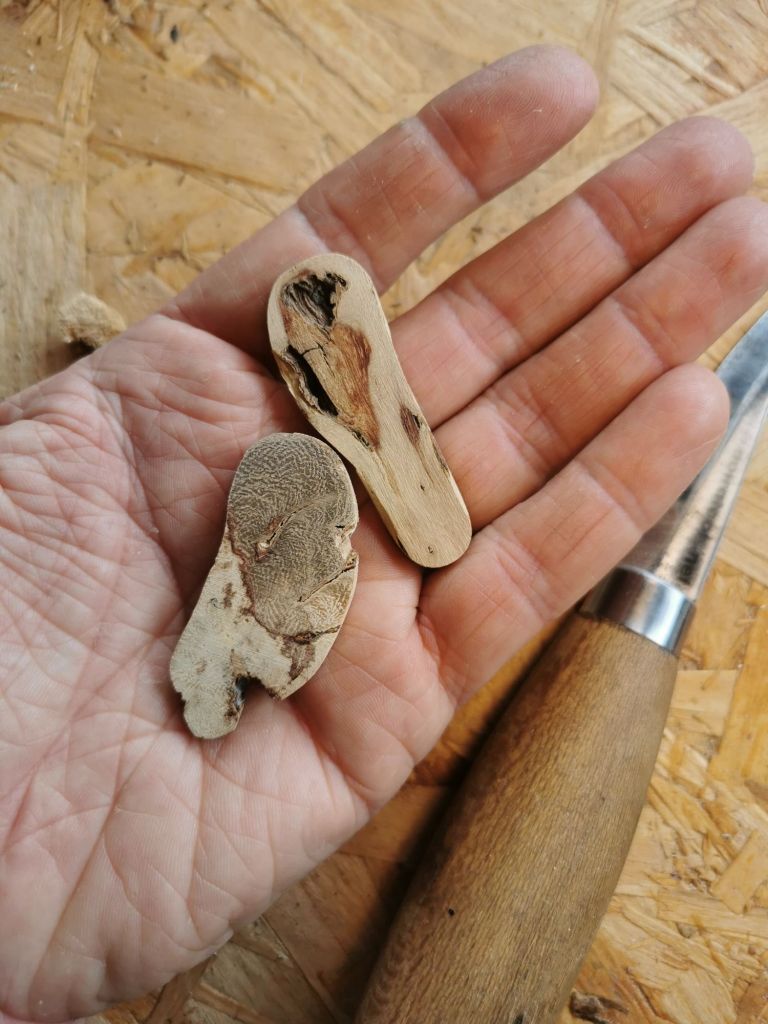
I just wanted to tell you a little more about our collection of Oak pendants that will be in store a little later today, Saturday 20th June at 10am.
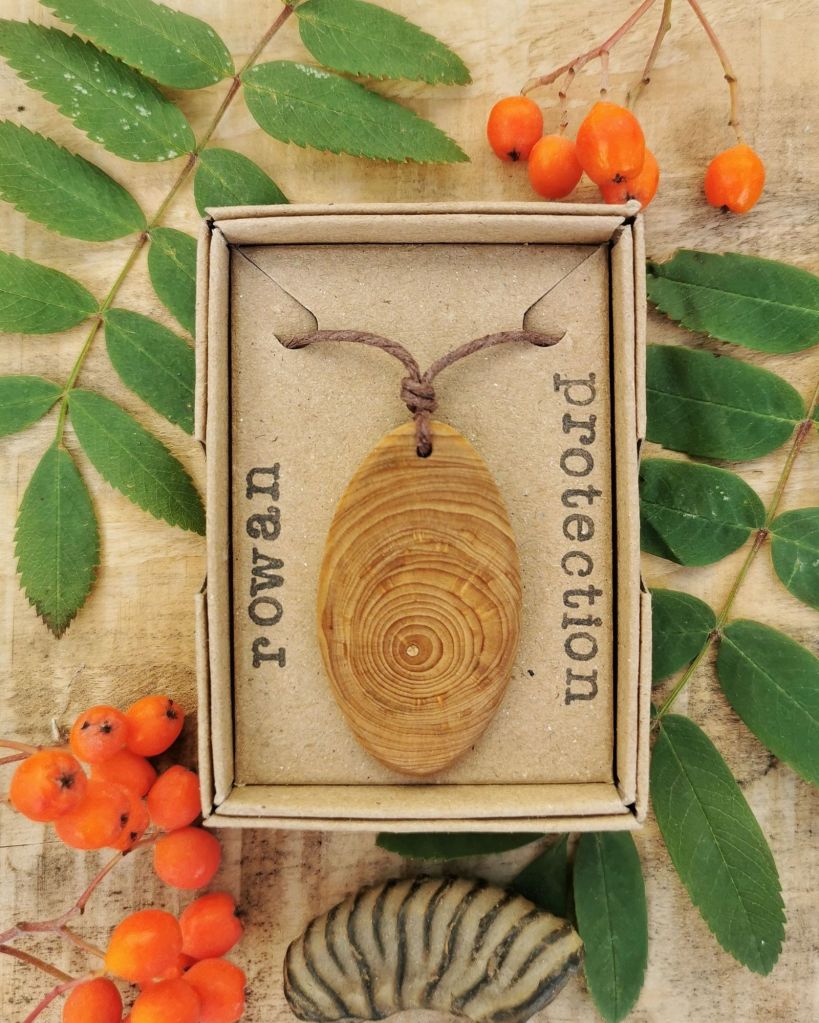
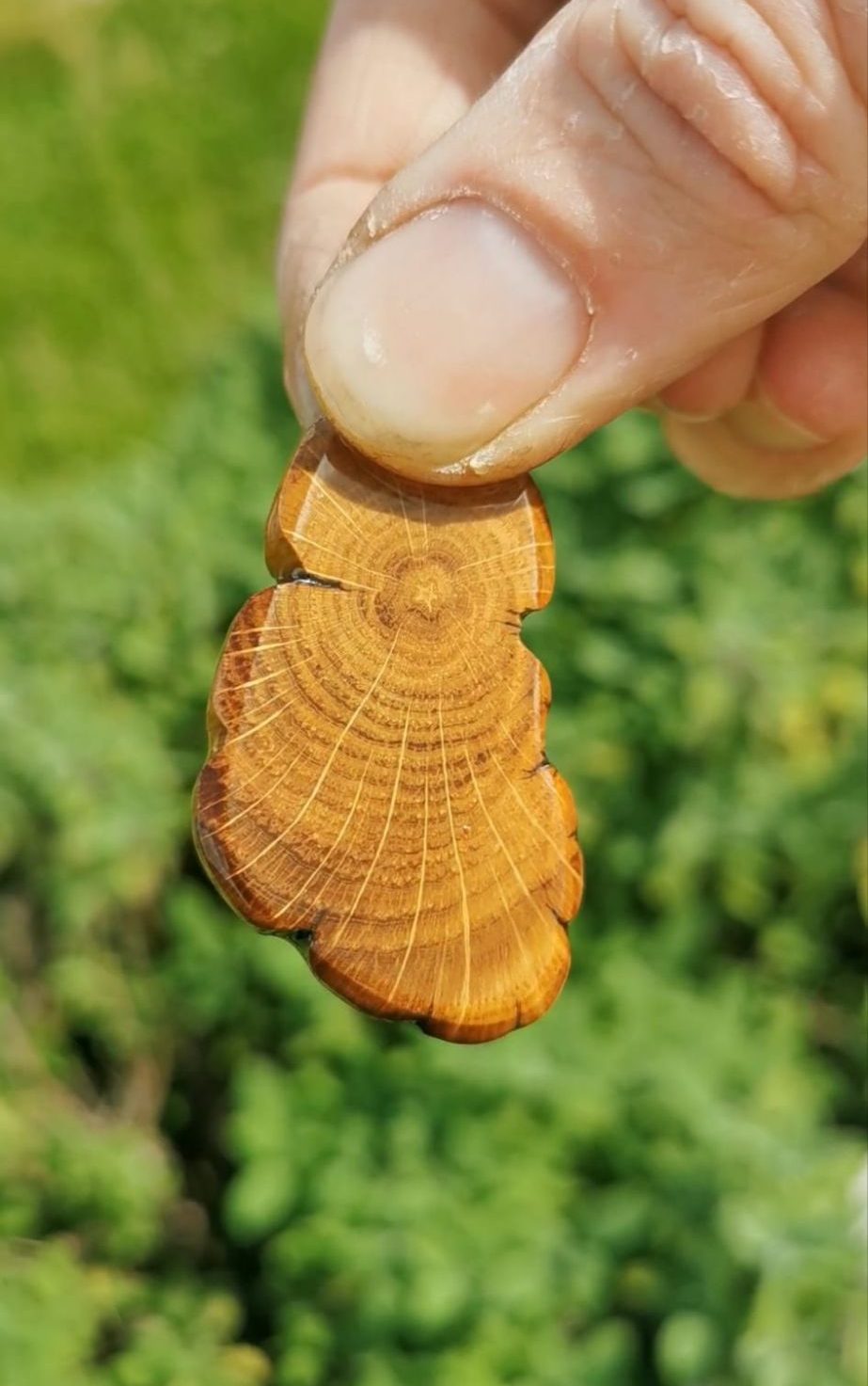
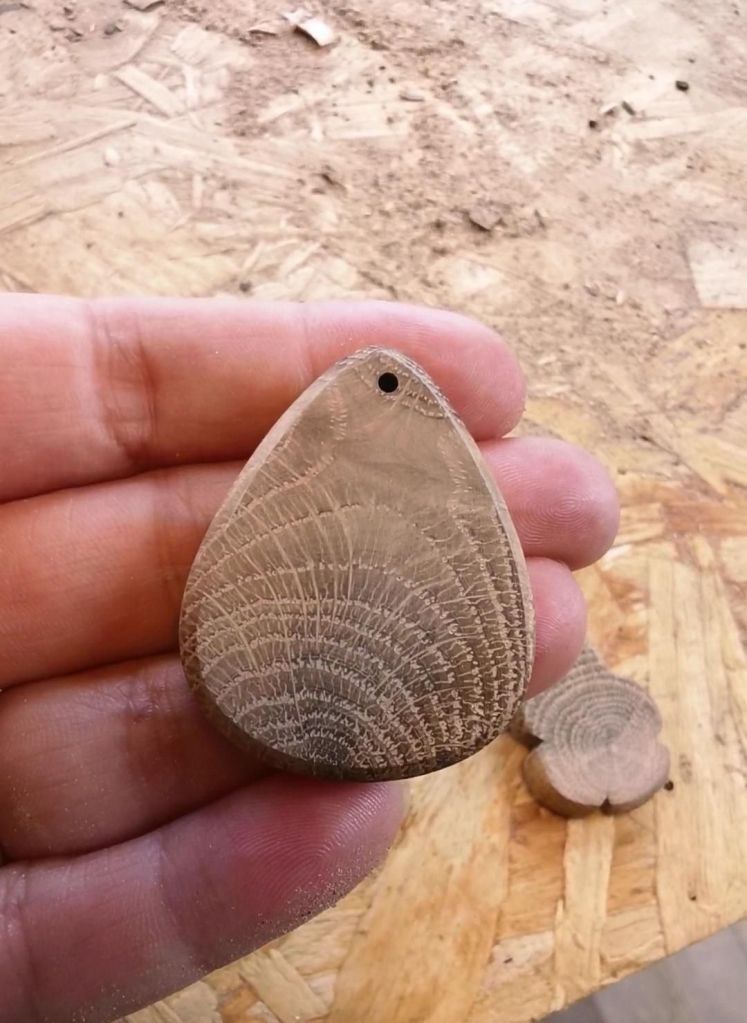
Do you see the ‘star’ in the centre of this piece?
As I mentioned in our previous post, we have felt so drawn to the stable and grounding energy of the iconic Oak tree in the run up to the Summer Solstice. It feels like the perfect tree ally to work with at a time that can often be filled with intensity, heat and movement.
We have created 5 pieces smoothed from an ancient piece of bone Oak, and I wanted to share a little more with you about what exactly bone Oak is. Let’s dive in…
What is bone Oak?
Oak is known to be one of the strongest and most durable woods in the world, and sometimes they go through processes which make them even stronger.
There is a natural survival strategy that ancient Oak trees will sometimes adopt called ‘retrenchment’. This is where a tree will withdraw their energy from their higher branches, drawing it back down to ensure they nourish the branches closest to their core.
This is the opposite process to when a younger tree is prioritising the growth of its higher branches, expanding out into the world.
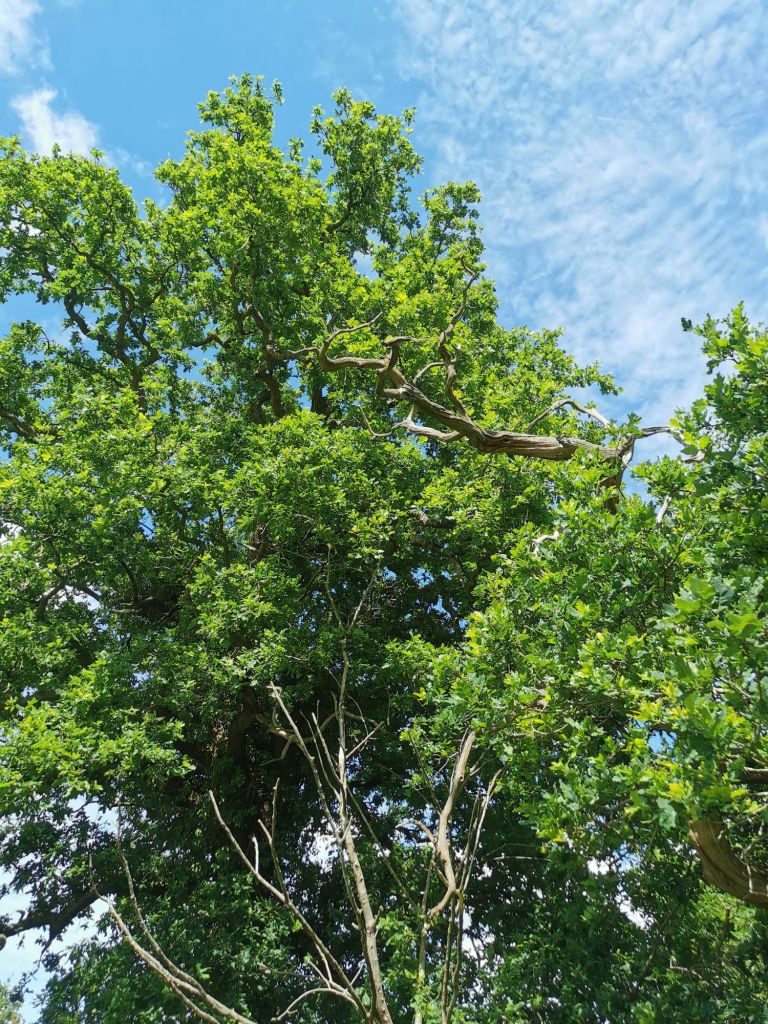
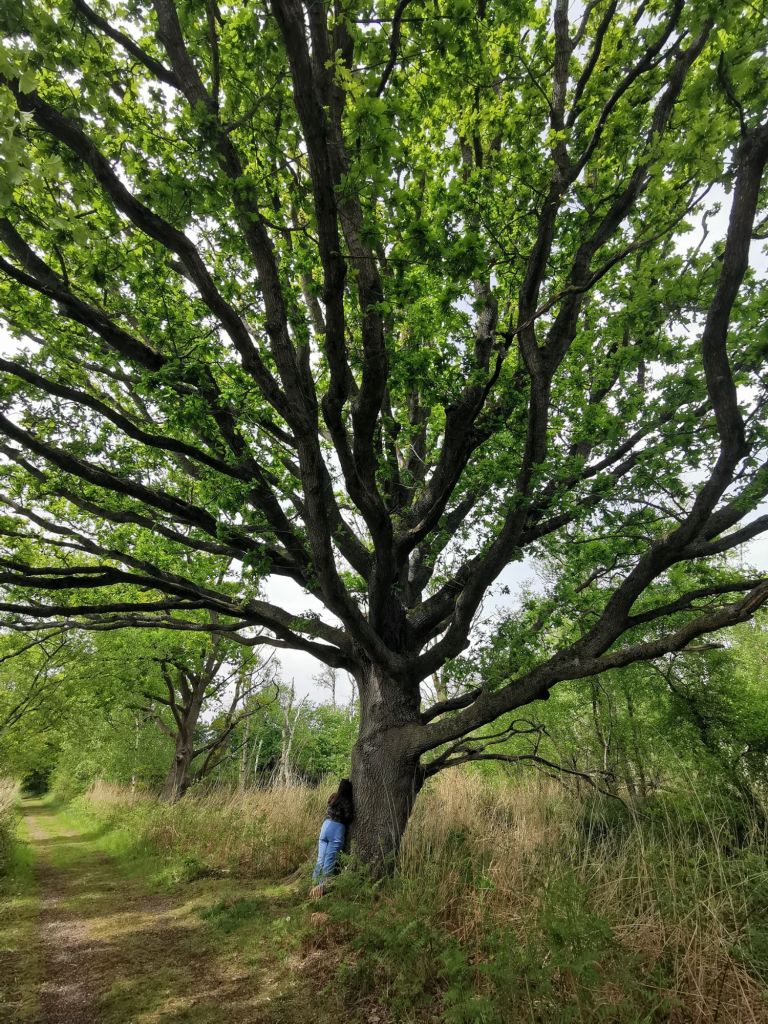
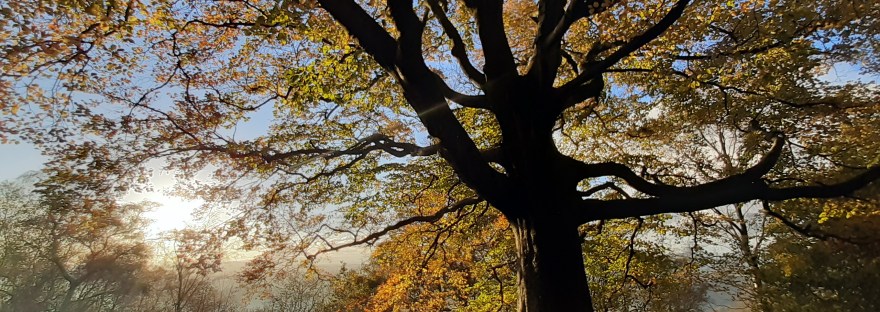
You may cross paths with one of these wise old trees and notice old, bare branches that protrude from the top of their canopies. They are sometimes described as ‘stag heads’.
Notice the ‘stag head’ branches on the tree on the right
These special trees remind me that we cannot always pour our energy into everything all at once, and that sometimes, to preserve our energy and maintain our strength, we may need to shed parts of ourselves.
But what has this got to do with bone Oak, I hear you ask? Well, when the outer sapwood of these higher branches dry out through weathering, you are left with the inner heartwood of the tree, which has become ‘as hard as bone’ earning it the name ‘bone Oak’.
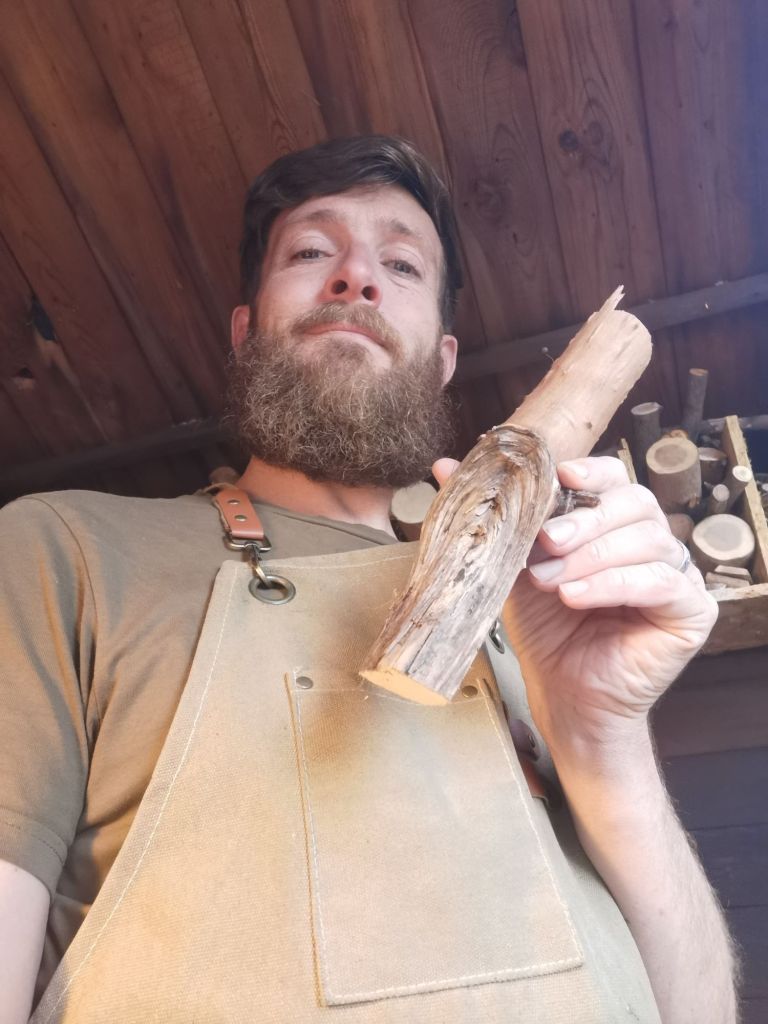
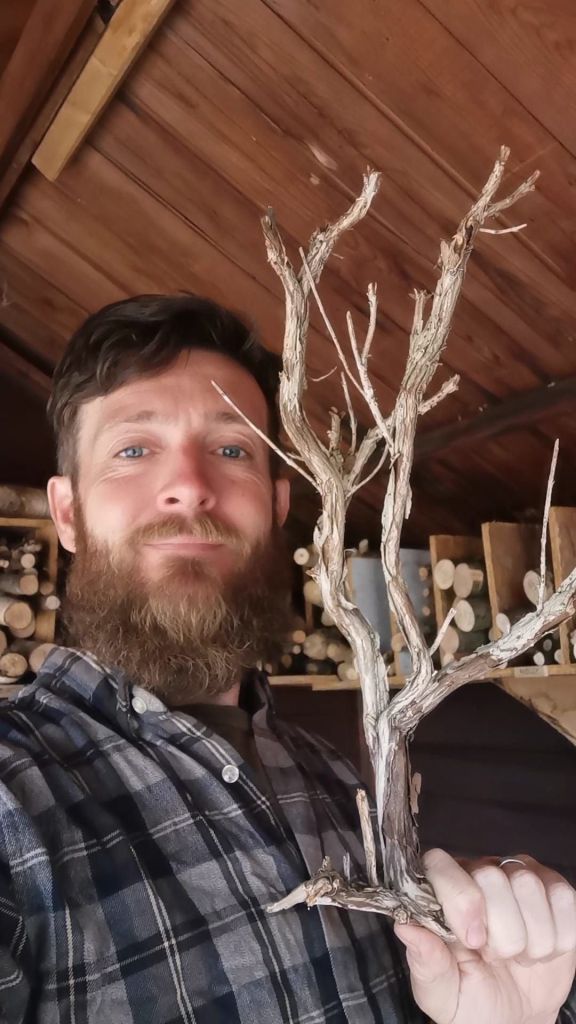
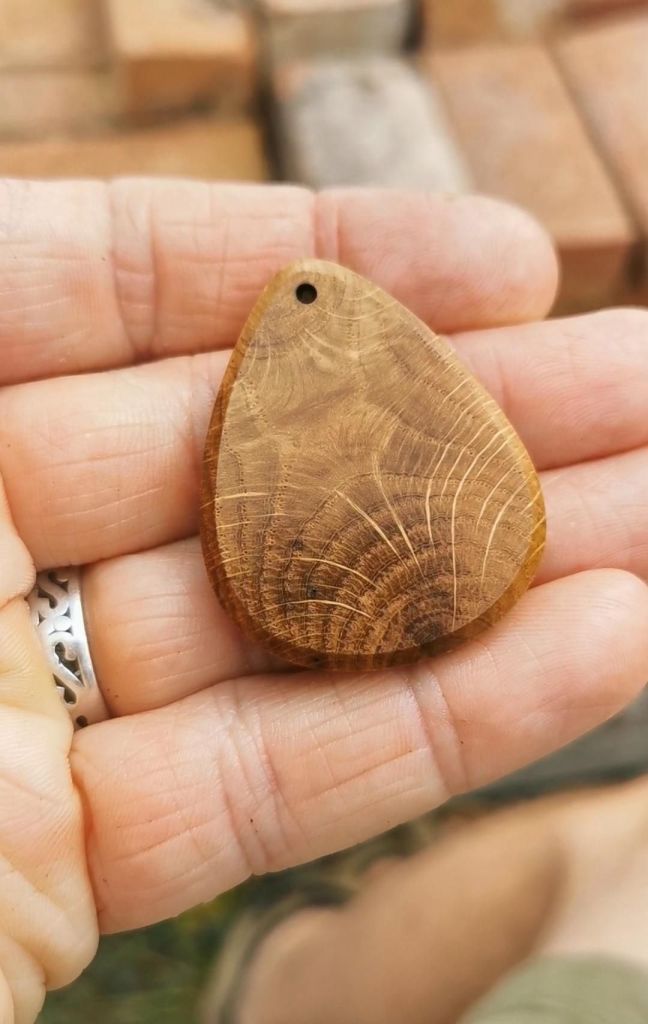
We felt very lucky to come across a recently fallen branch of bone Oak and have worked with it to create these pieces. You will notice the deep colour and stunning grains and markings that have evolved in the wood over many years.
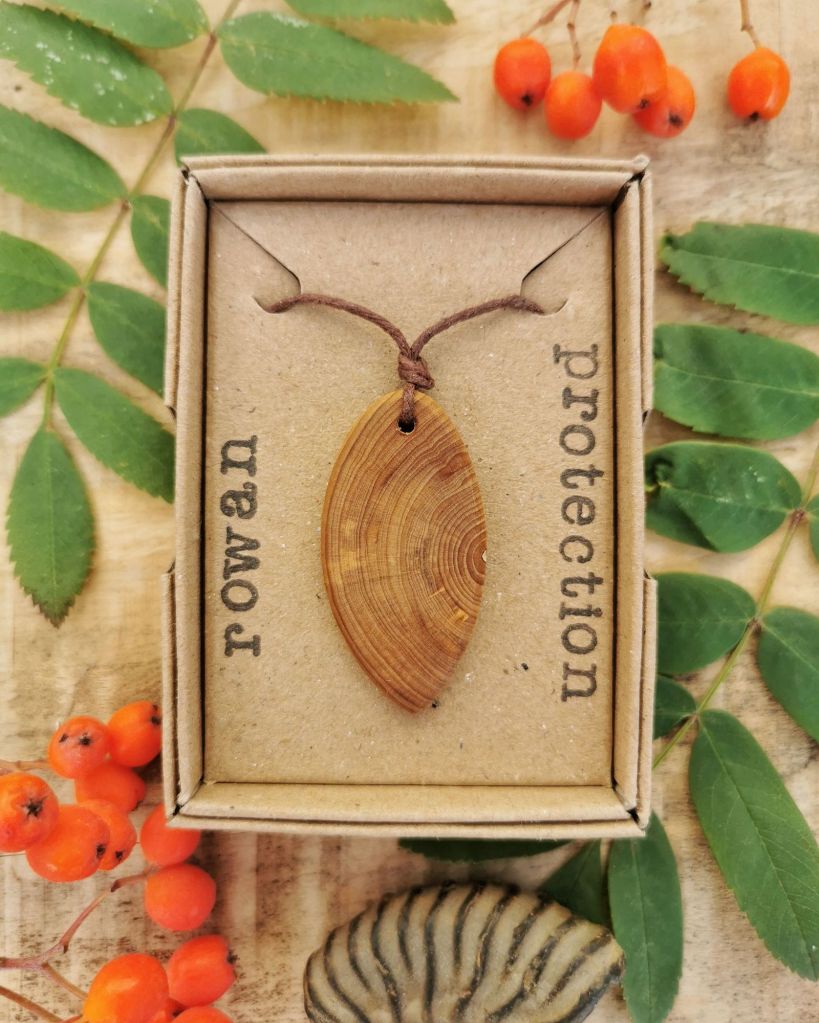
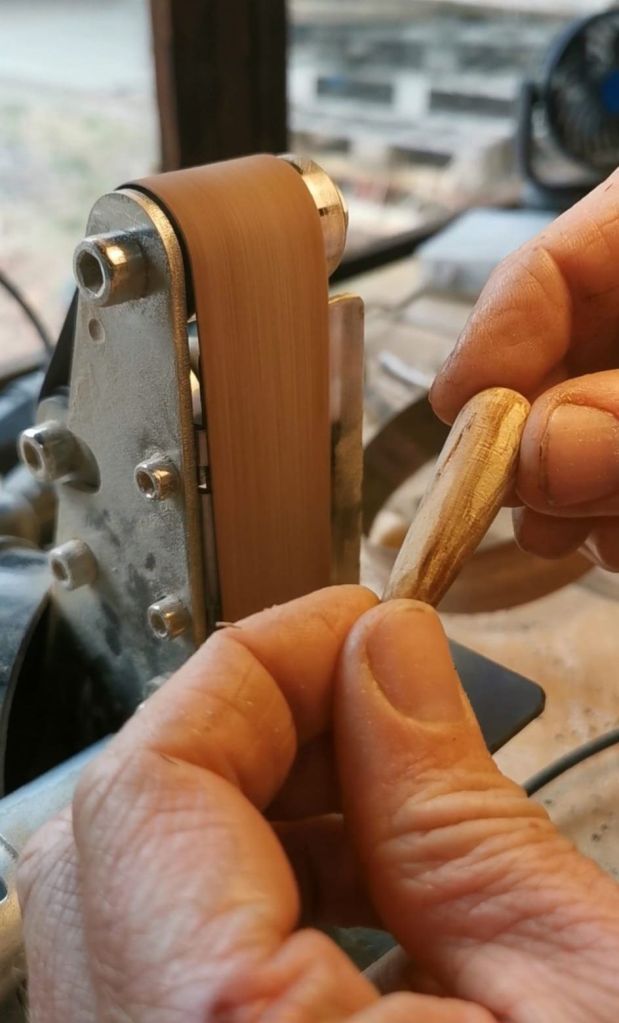
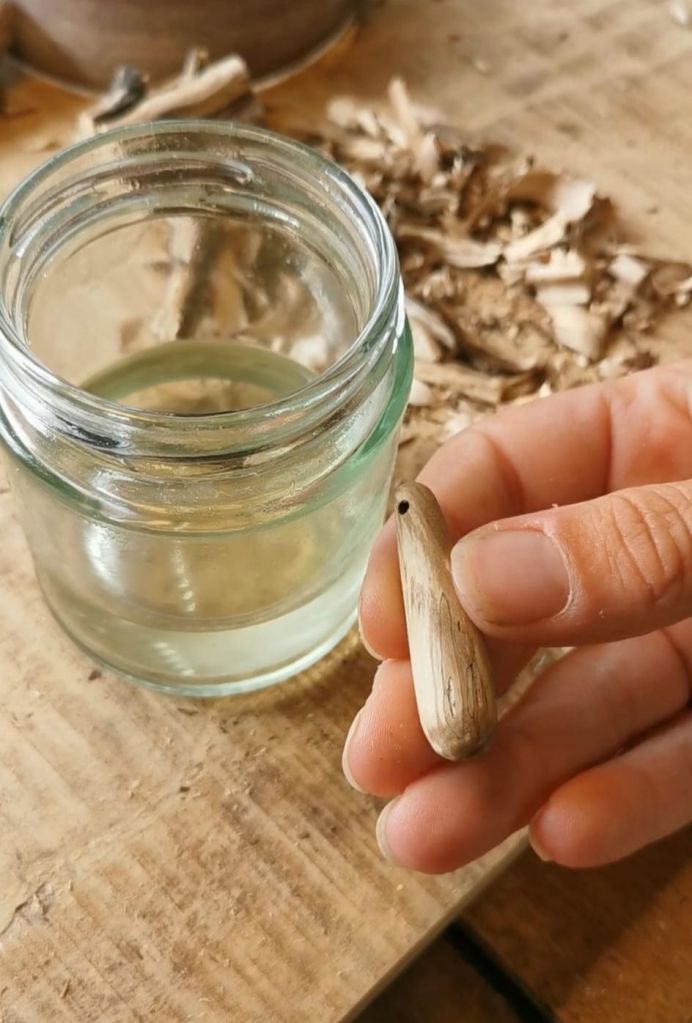
We have worked with the wood in different ways for these pieces. We felt called to shape two of them to nestle perfectly into the palm…
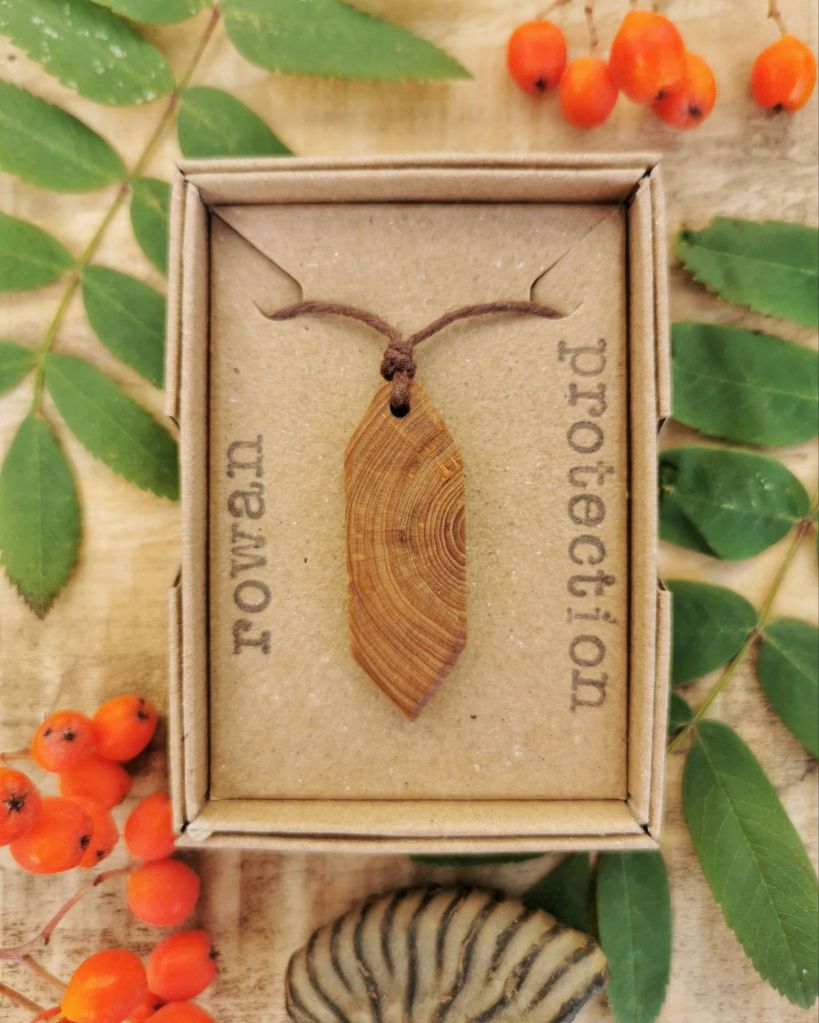
We also wanted to celebrate the natural form of the bone Oak, highlighting the indents where the sapwood has worn away and left the inner heartwood. It reminds me that the processes of weathering and change can ignite inner strength…
We hope you love them as much as we have crafting them (we of course made two for ourselves and haven’t taken them off since!)
I hope you all find an Oak to greet this midsummer,
A lot has been shifting for us since I sent my last newsletter. We are currently getting ready to leave the land which we have been tending to over the past 4 years.
Whilst this wasn’t part of our immediate life plan, the universe seemed to have other ideas and gave us a pretty big nudge to reconsider our life.
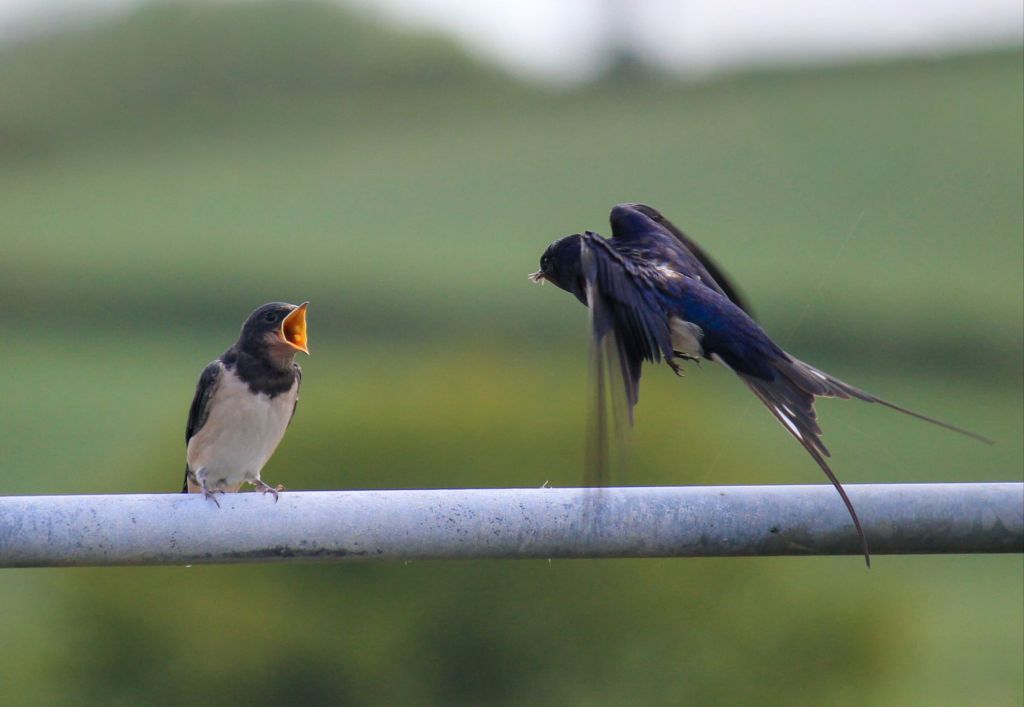
At this time of the year especially, it is a hive of activity here, with Swallows, Robins, Dunnocks and Pied Wagtails all raising their young. Goldfinches visit daily to feed on all the seedheads that we leave in their honour, and bees are busy foraging in the clover rich meadow area.
It feels extremely sad to say goodbye to them, but it does bring us some comfort knowing that the land here will remain wild, and that the plants and trees we have nurtured will continue to grow and support the wildlife here.
As for us, we will be moving back into the unknown, for a while at least, but we are excited to see where where we land next. I will keep you updated…
Oak, the tree of Strength and Stability
Whenever life feels unsettled or uncertain such as this, Oak is the tree that I reach to. Often called the king of the forest, Oaks have one of the strongest woods in the world. It is easy to see why they have become a symbol of strength and stability the world over.
Oak trees can live for around 900 – 1000 years and during that time bring stability to the surrounding environment. They provide habitats that support over 2000 different species that nest, shelter and feed within their branches.
It is said, that over the typical lifespan of an Oak tree they spend around 300 years growing, 300 years living/thriving and 300 years dying. And even once an Oak tree has died, their dead wood continues to support life, sometimes even more biodiversity than when they were alive!
Oak and the Summer Solstice
As the heat intensifies at this time of the year, the shade of an Oak tree becomes a very welcomed sight. Sitting beneath an Oak at Midsummer is an enriching experience. You can feel them in their element, buzzing with life, vivid green and growing their acorns, a symbol of fertility and abundance.
Oak Wild Jewellery Collection
As the tree most closely associated with the Summer Solstice, it may come as no surprise, that we have felt called to work with Oak this past couple of weeks.
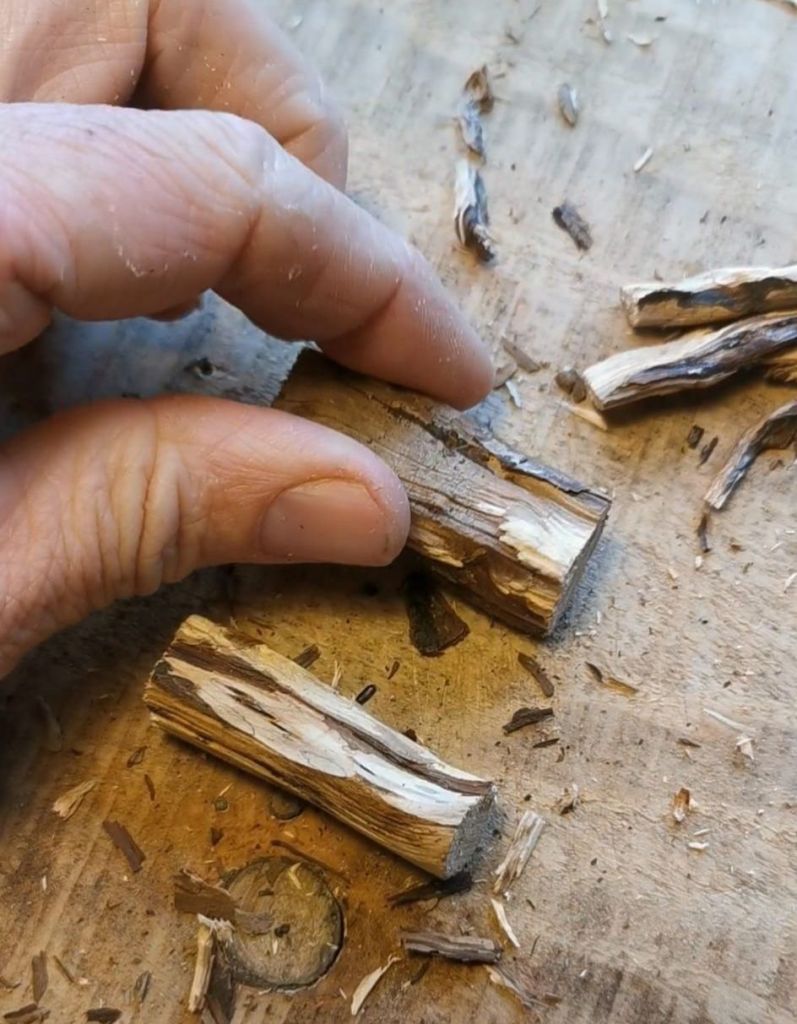
Here is a sneak peak of some of the stunning patterns to be found in bone Oak, the hard as bone inner heartwood of a windfallen Oak branch we were lucky to discover.
This piece is yet to have its final sand and be oiled so expect the colours to really pop in the finished piece…
We will have 5 bone Oak pendants in store on Saturday 20th June at 10am. I will send out a reminder on Saturday morning, with a first glimpse the finished pieces too….
Solstice Shop Updates
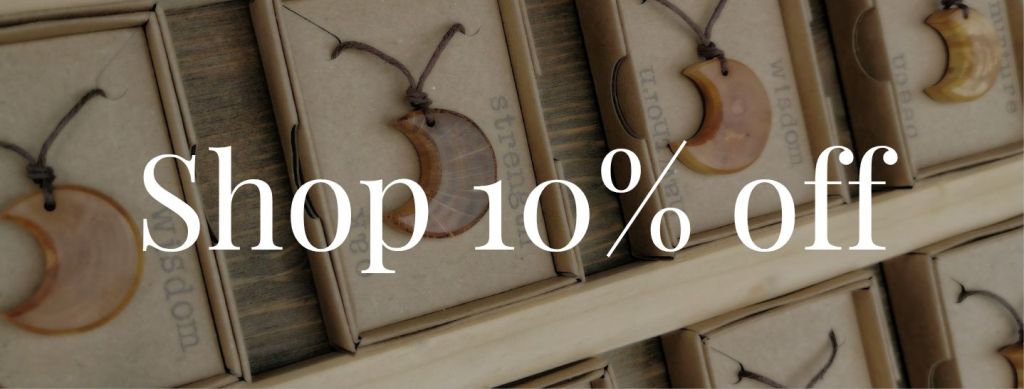
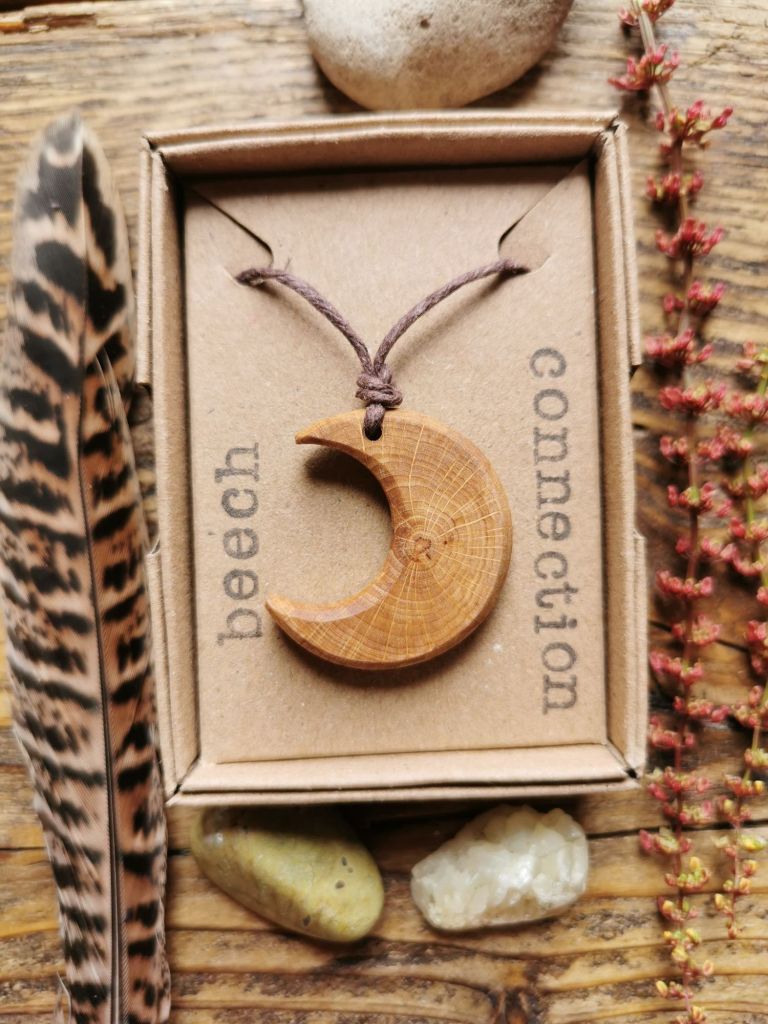
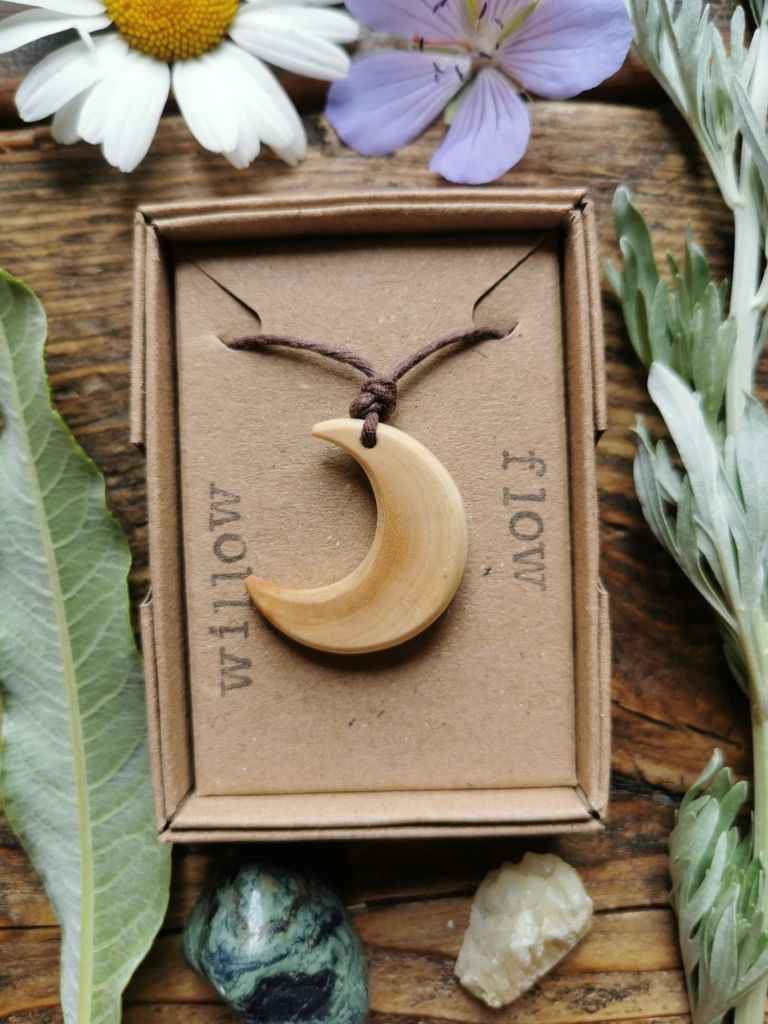
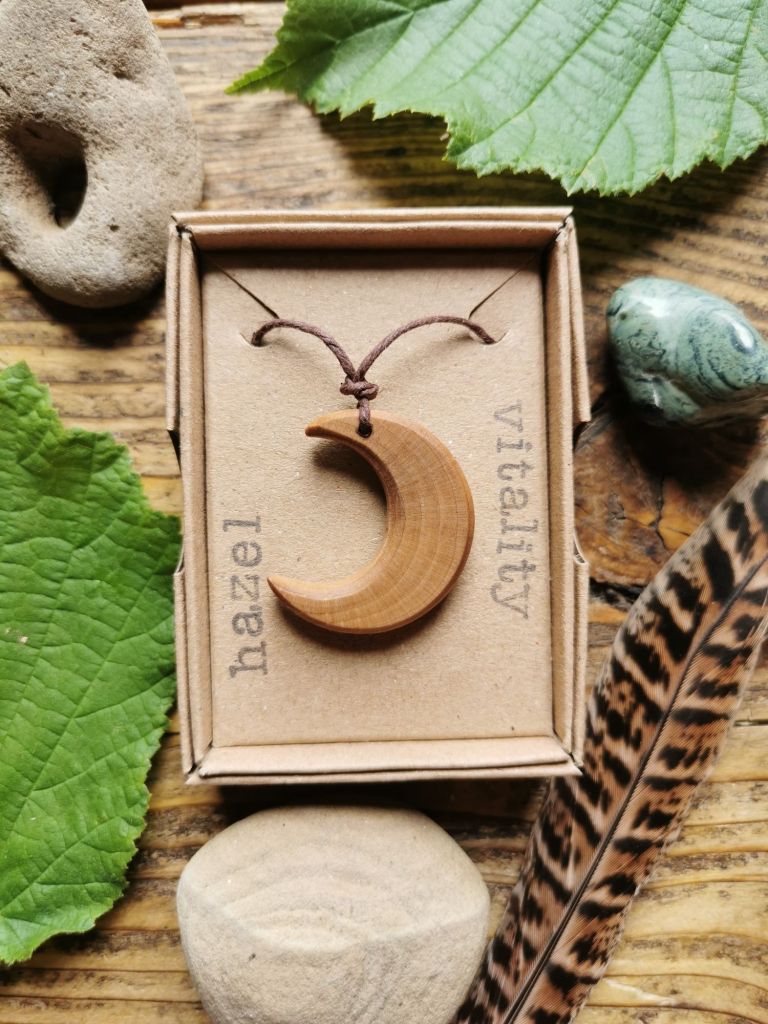
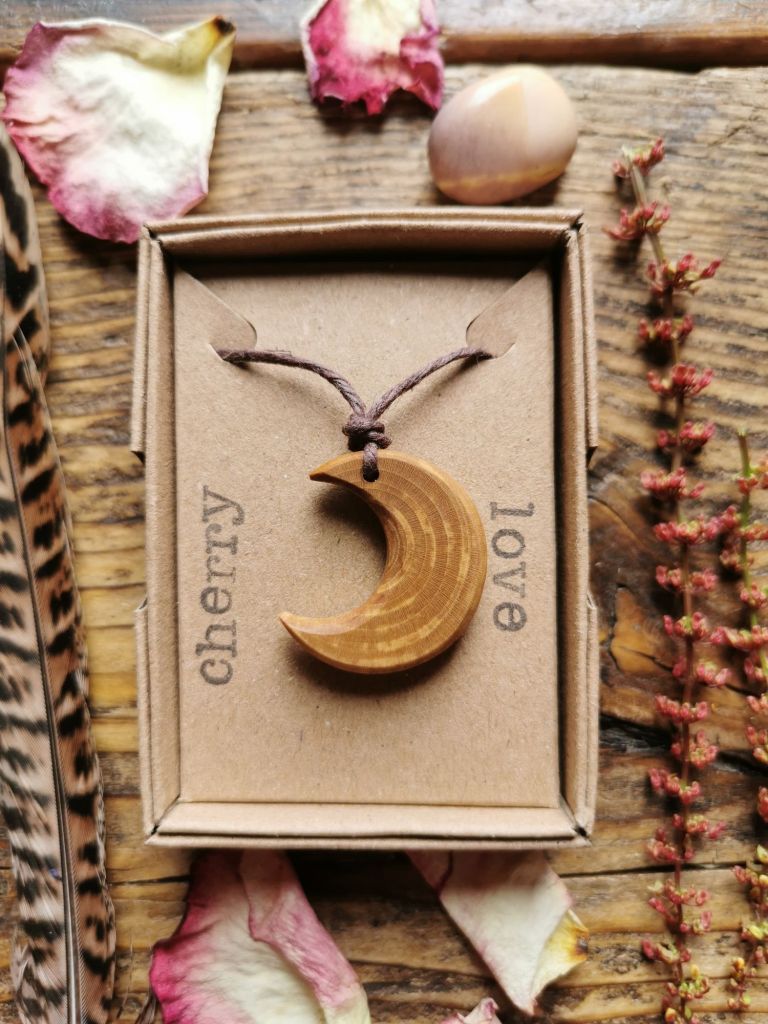
To celebrate the Solstice, we have had our BIGGEST shop update of the year. You will find a seasonal selection of moon pendants and woodland slices that are now in store!
As subscribers, you will receive20% off any of these pieces now in store. Click on the link below to add the discount to your basket or apply the discount code LITHA20 at the checkout.
Wishing you all a little Solstice magic this week, Nic x
As we move through May, I can’t help but marvel at how fast the wild world seems to expand and change on an almost daily basis.
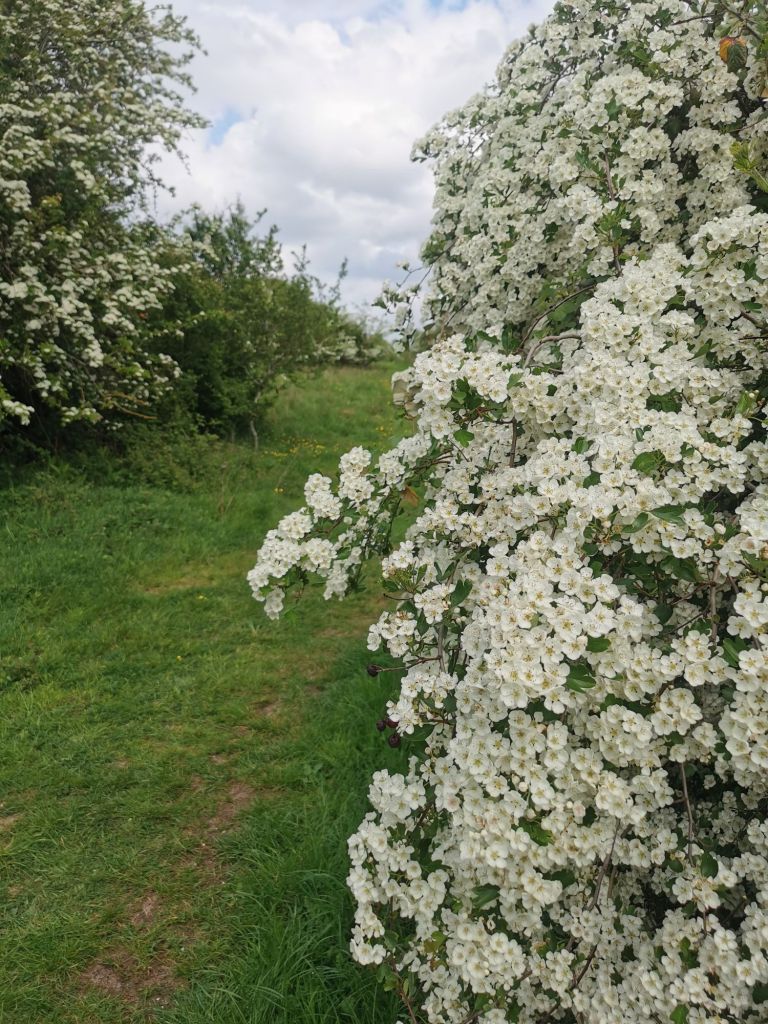
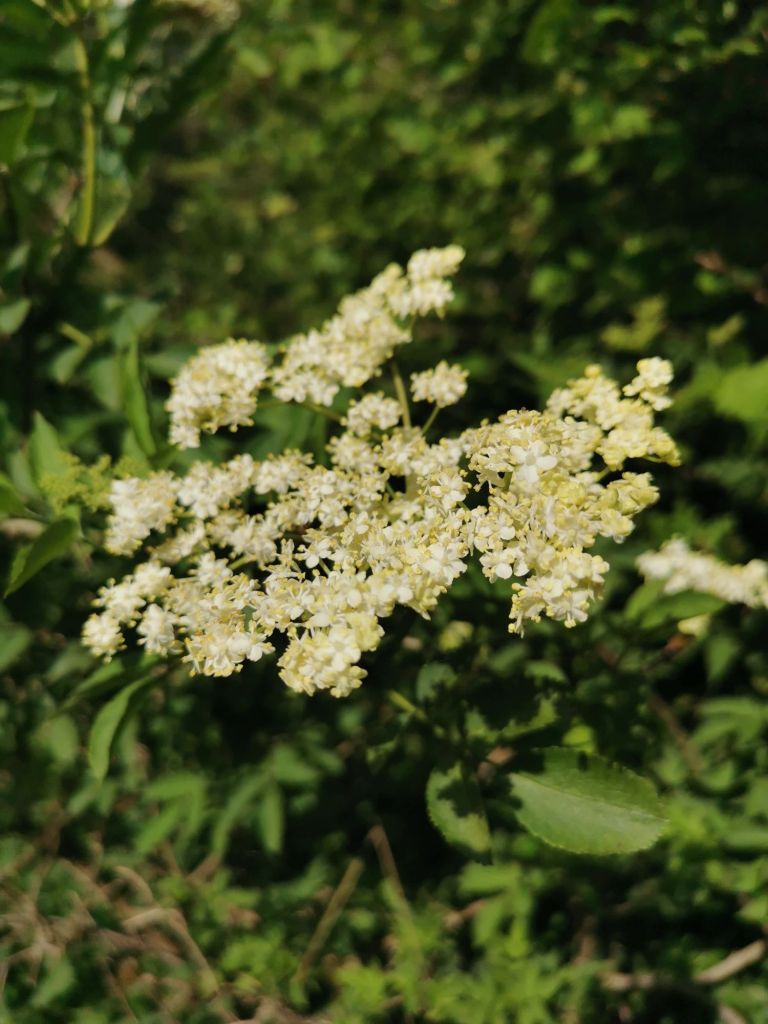
The Hawthorn blossoms that just a few days ago felt in their prime, are now shedding their petals all over the track below. Meanwhile the Elderflowers are opening daily providing pollinators with a new flavour to enjoy.
Frothy Hawthorns Magical Elder
I love the fullness at this time of the year. It feels like an invitation that asks me to pause regularly and notice the land around me. Medicine, at what can so often feel like a busy time of the year for us too.
The longer days, provide more opportunities to get out. Early morning walks, or evening visits to favourite spots to enjoy this abundant time of the year.
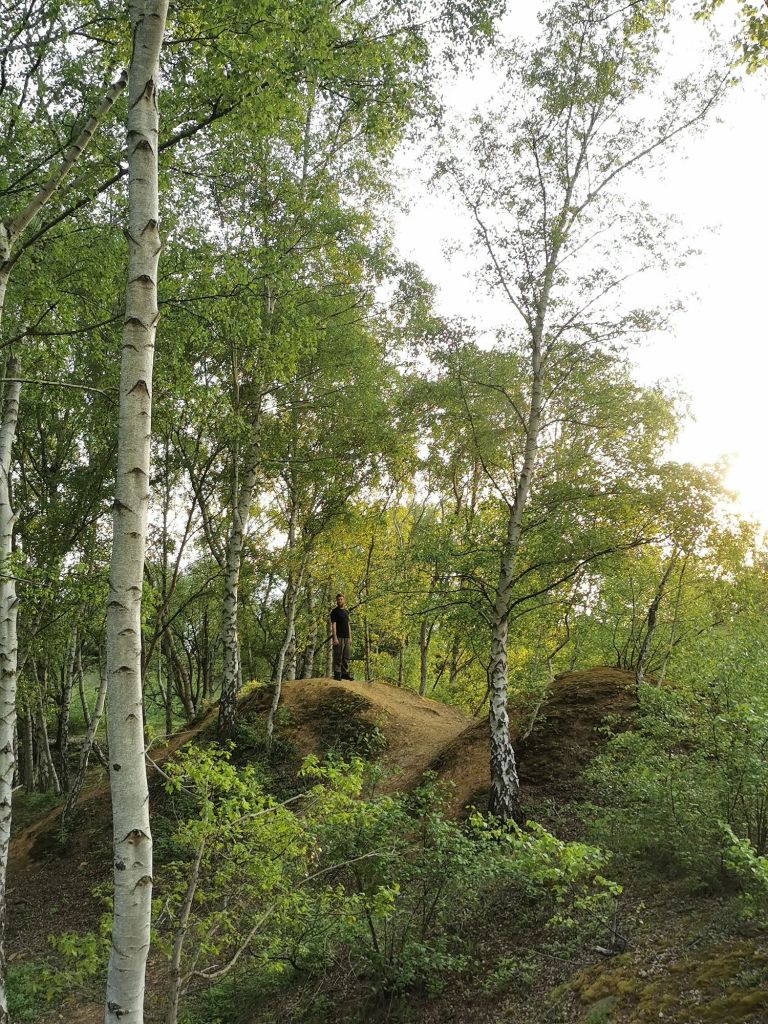
An evening walk to the Birches
Noticing Nature
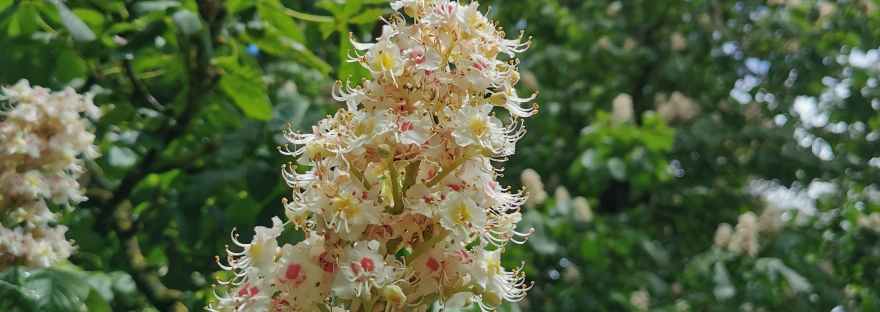
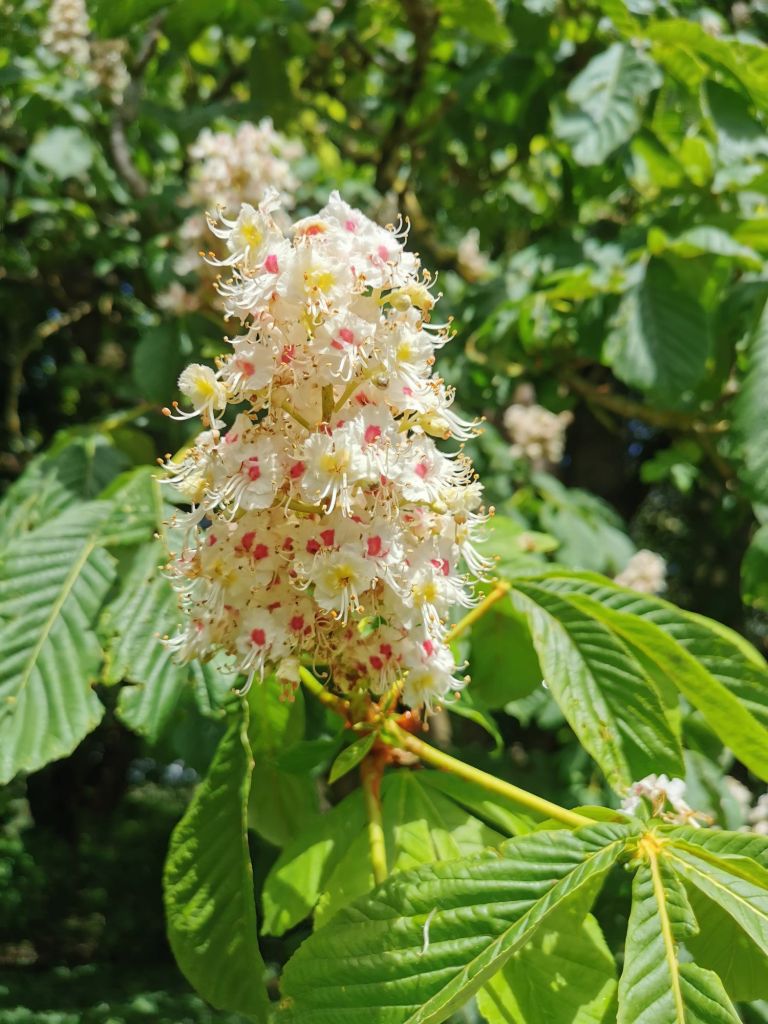
A tree that always grabs my attention at this time of the year is the Horse Chestnut. Covered in tall, upright clusters of flowers known as ‘candles’ they can be spotted at great distances.
This expansive tree has developed a fascinating way of communicating with insects. Each individual flower starts off with a yellow patch on them that turns red once the flower has been pollinated, letting pollinators know, which flowers are worth visiting.
Fascinating Horse Chestnut flowers communicating with insects
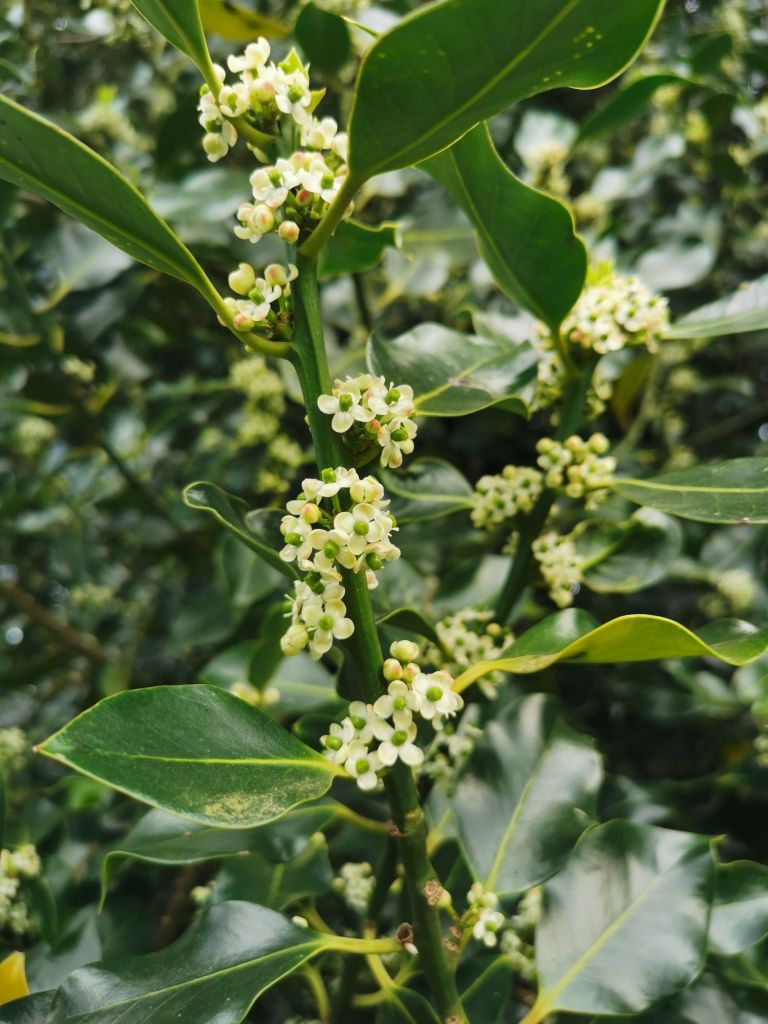
A tree that is often overlooked at this time of the year is the Holly tree which is often associated with Winter. Its glossy green leaves and bright red berries bring colour and life at a time of the year when most of the colour has retreated. And yet, if you happen to see them in the Spring time, their delicate, 4 petalled flowers are a joy to see.
Typically a Holly tree will produce either male or female flowers. The male flowers have 4 long stamens that are coated with yellow pollen. The female flowers have a raised green centre, which is actually the ovary, and if pollinated grows into the red berries we shall be celebrating later on in the year.
Female flowers of the Holly tree
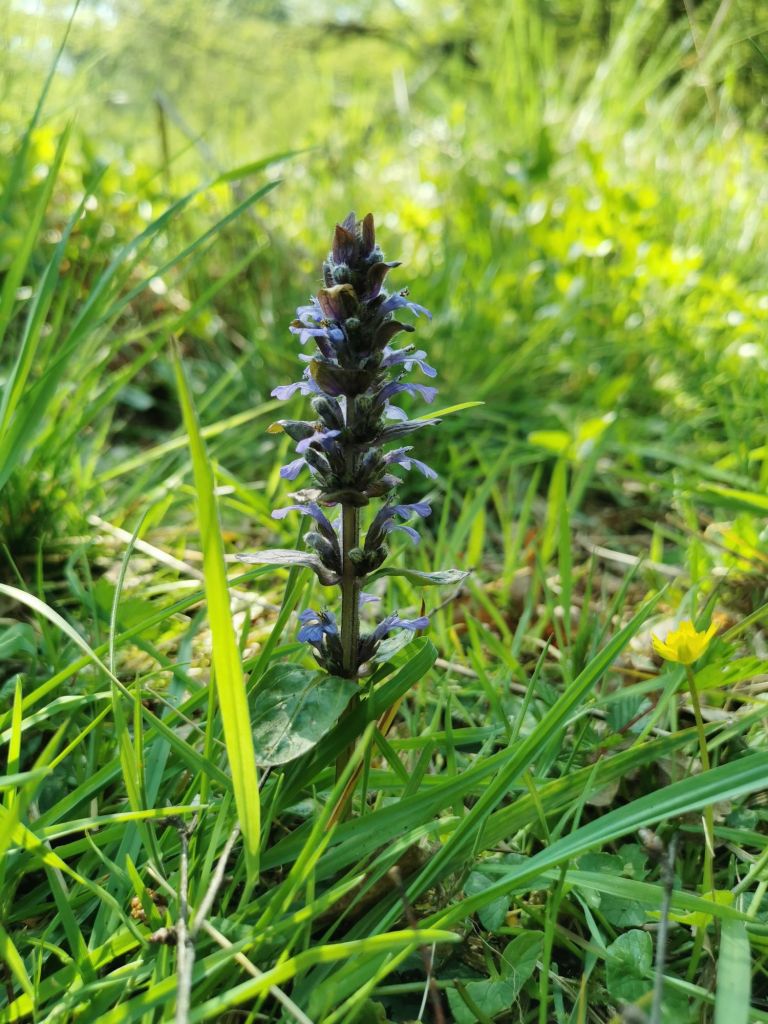
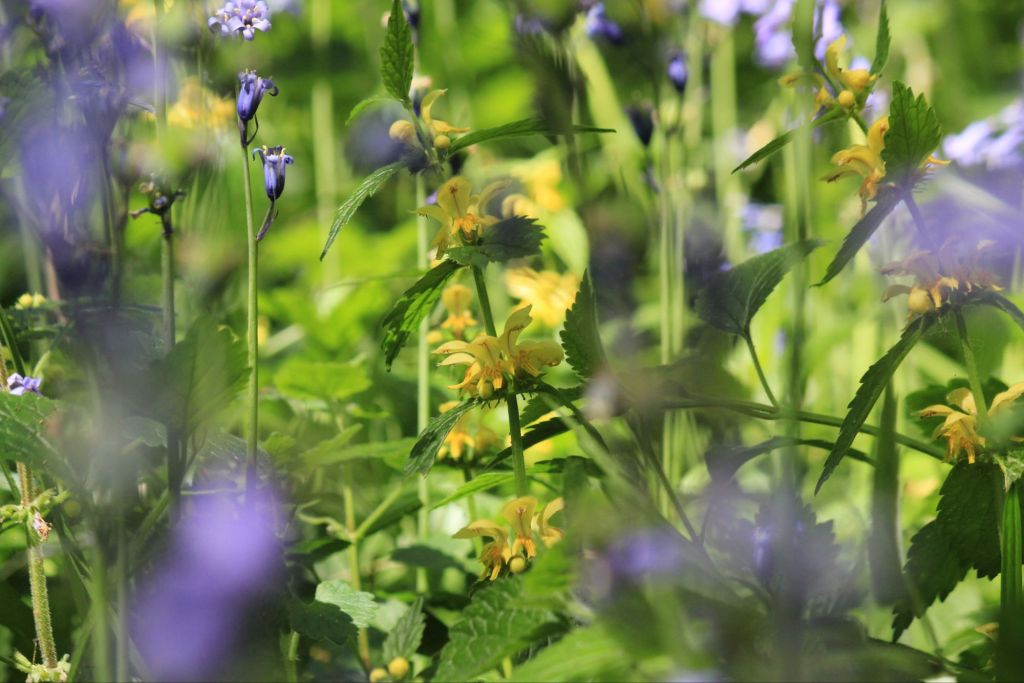
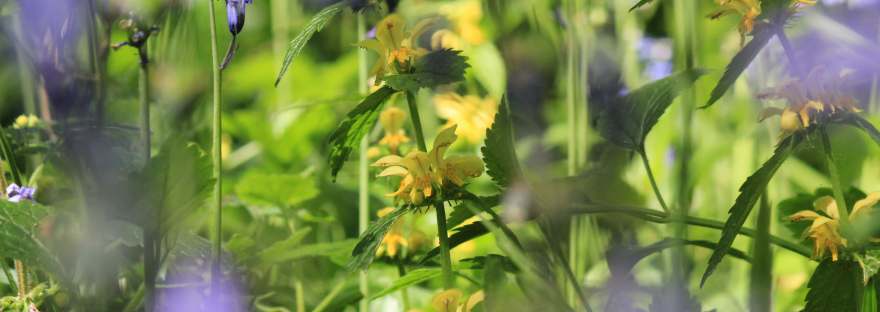
And as the bluebells have now faded in the woodland here, other woodland plants like Bugle and Yellow Archangel are providing new colours to enjoy.
Upcoming Events
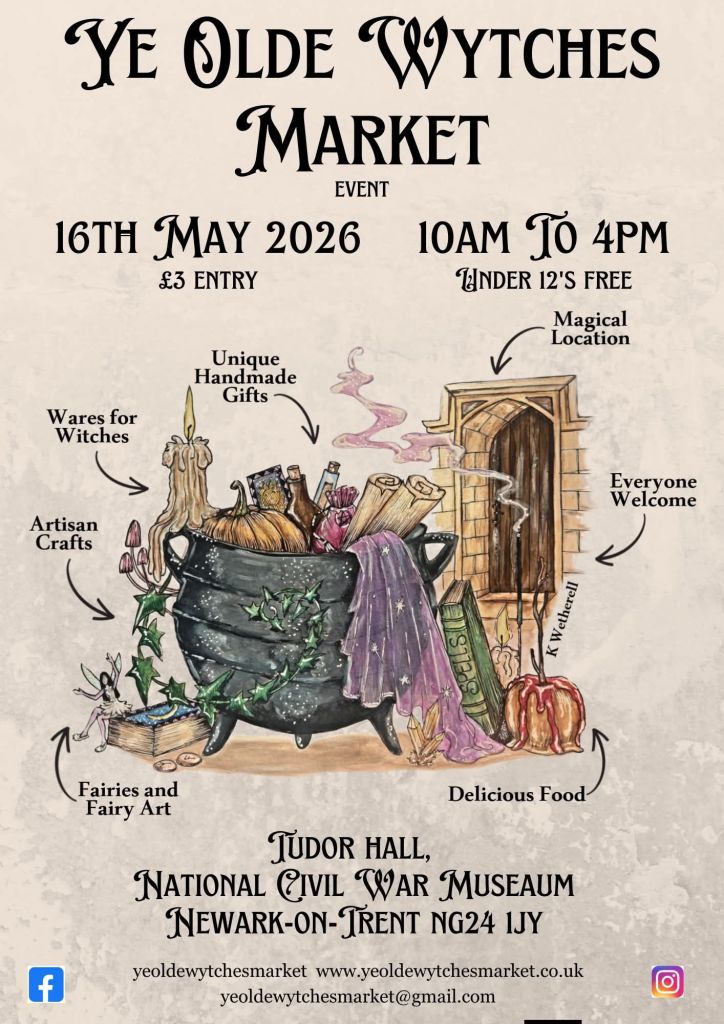
This Saturday we return to Newark for Ye Olde Wytches Market, a magical event that includes talks, workshops and artisan craft stalls too.
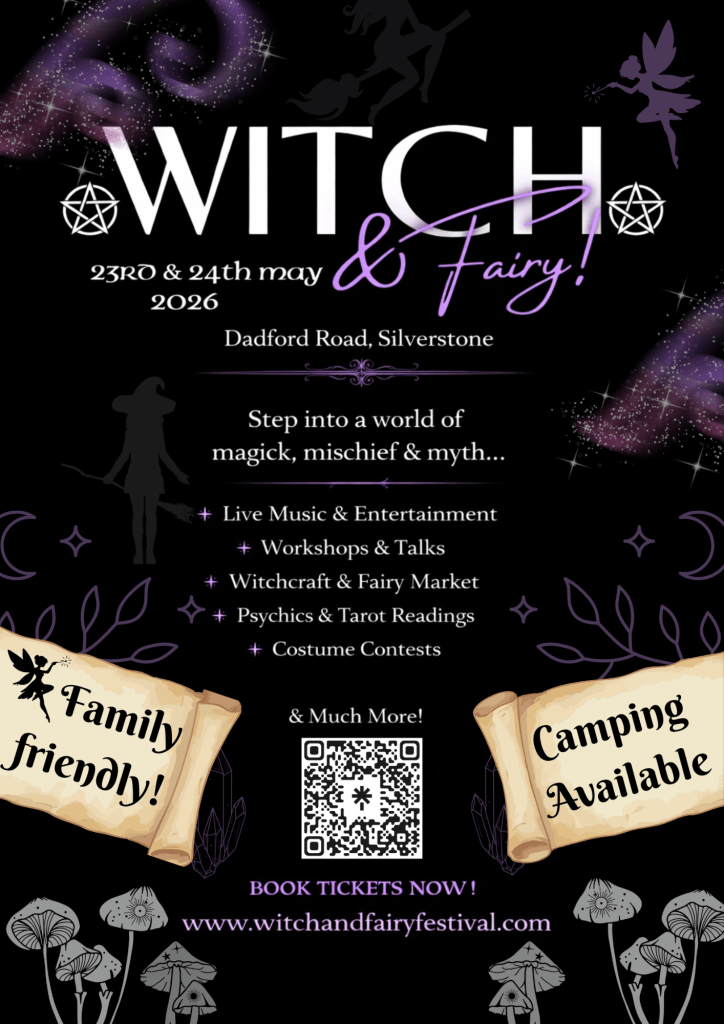
We will be returning to the Witch & Fairy festival over the late May bank holiday. This magical event held in Northamptonshire has discounted tickets currently available too.
How are you as we reach Spring’s peak? The wind has been wild here the past few days and I am finding myself invigorated and seeking shelter in equal measure!
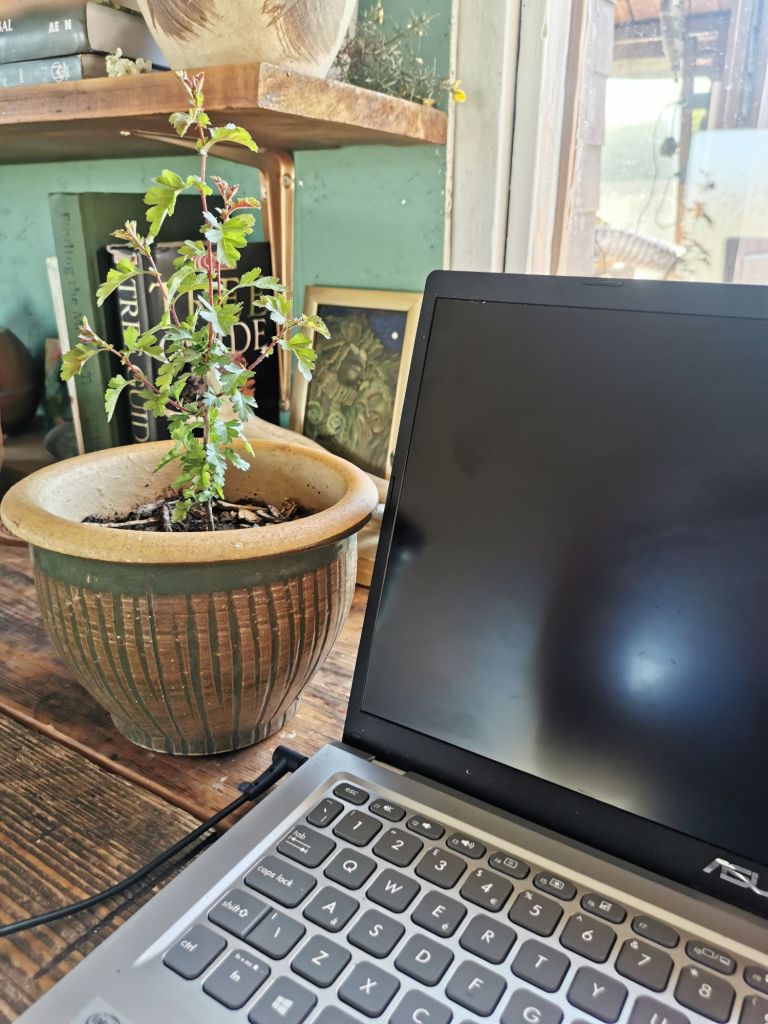
I am writing today’s newsletter, under the watchful eye of this little Hawthorn tree that has been growing from a seed we planted the Autumn before last.
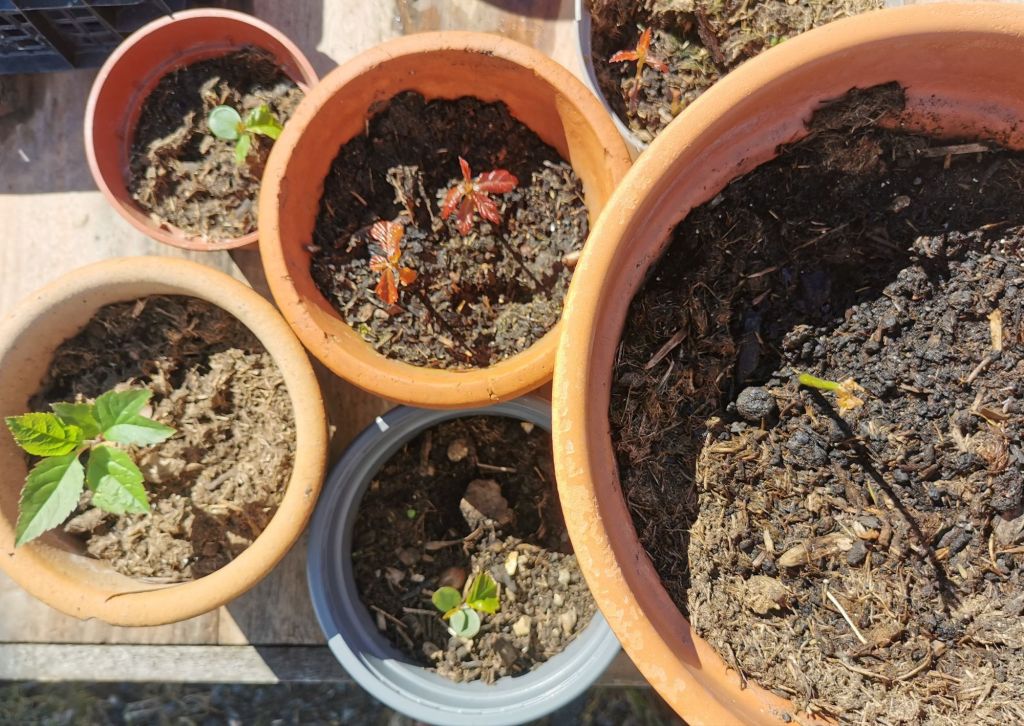
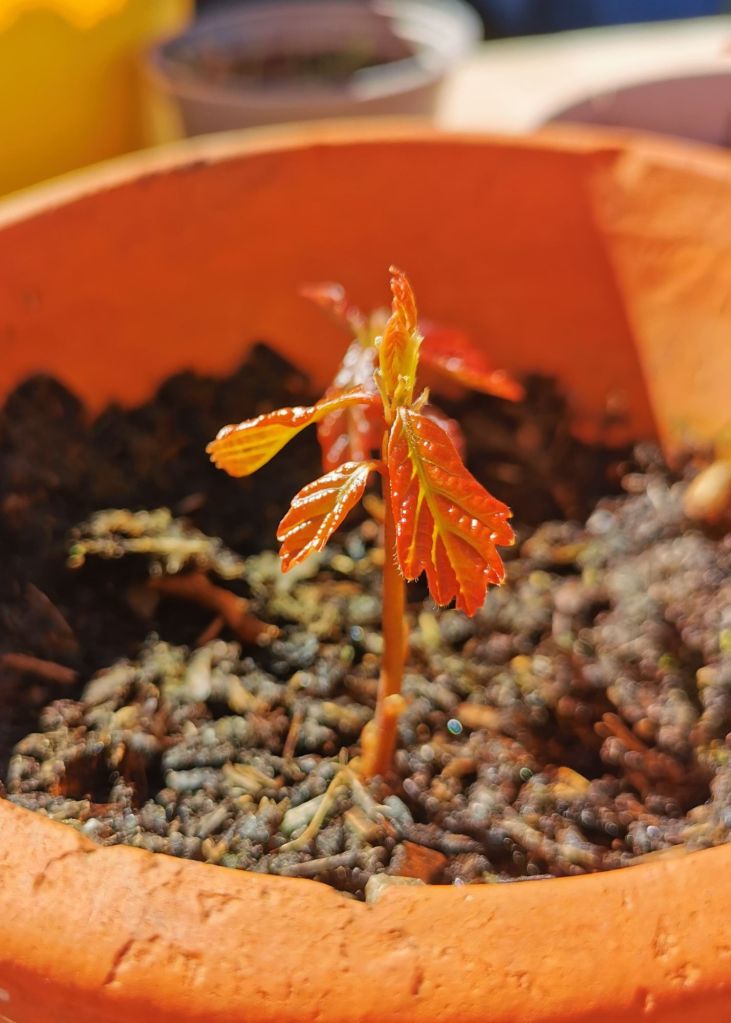
This year’s seedlings are continuing to break through the surface! We have Apple, Hornbeam, Oak and Walnut treelets all doing well so far.
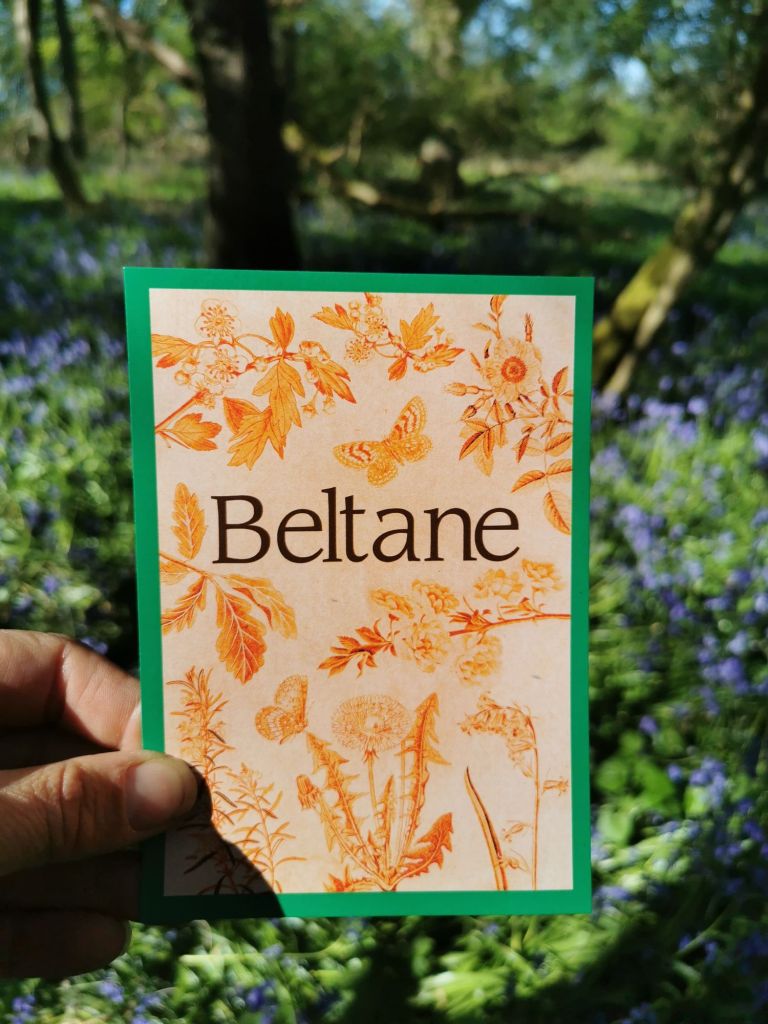
As we reach Beltane, the midpoint between the Spring Equinox and the Summer Solstice, the land feels a buzz with life. I have felt a strong urge to really ‘sink in’ to the land around me in the simplest of ways.
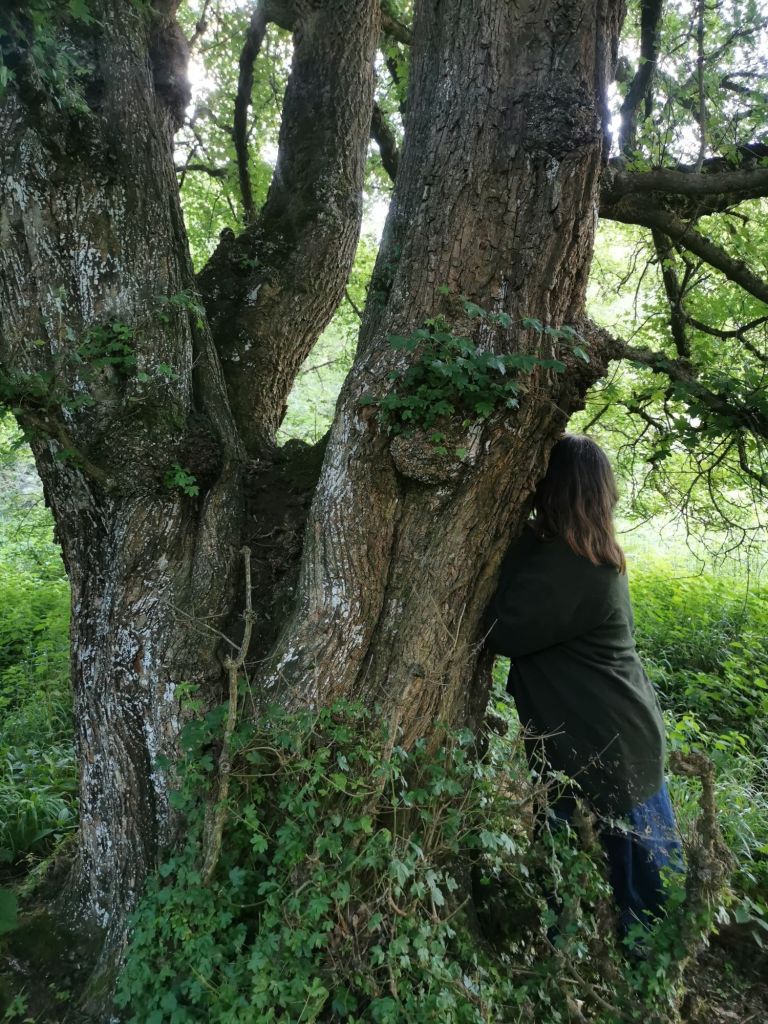
Sometimes that has looked like lying in the garden and feeling the support of the ground against my body. Other times it has been walking up to the woods and sitting with my back against a tree, noticing the sounds, colours and textures of the world around me.
Simple, connected and deeply nurturing, I will be doing more of the same in the coming days.
If you would like to read more about this time of the year, associated plants and trees and other simple rituals, you may enjoy our Guide to Beltane.
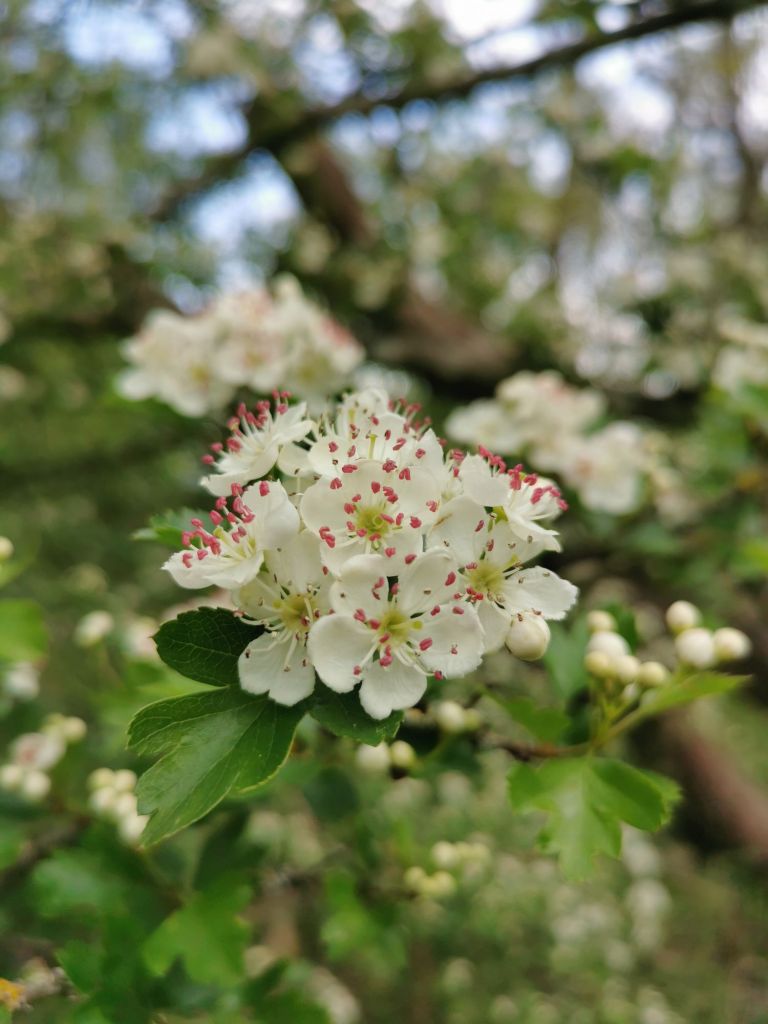
May’s arrival is synonymous with the blooming of the Hawthorn blossom throughout the hedgerows. Just like the flowering of the Bluebells, it is another important marker of the Wild Year, and I can’t resist spending a few moments in the company of this magical tree.
Hawthorns have long been associated with magic, healing and protection. Once a custom to plant a tree outside every house for good luck, they are still found marking many sacred sites around the country.
Hawthorn is believed to aid connection to our intuition and the wisdom of the natural world.ย A medicine for the heart and the nervous system, they can guide us to reconnect to ourselves and our magic, dispel fear and live from the heart.
You can explore more about this mighty little tree here:
We have, of course been inspired to work with the wild energy of Hawthorn this week and have a few special pieces that will be in store this Sunday at 7pm.
I will introduce you to all the pieces in my next newsletter, on Sunday.
We will be in Ely for the Food, Drink and Craft Fair on Sunday 3rd and Monday 4th May.
Full Moon in Scorpio
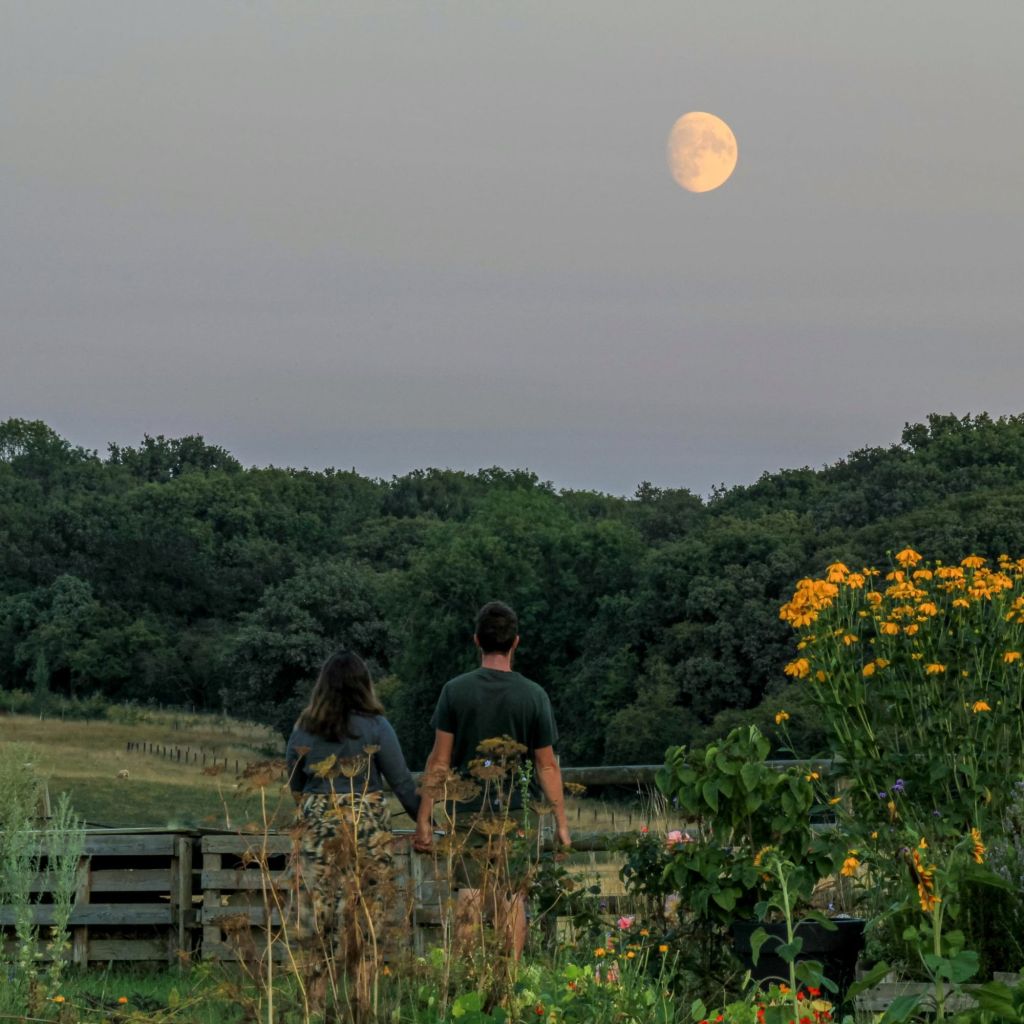
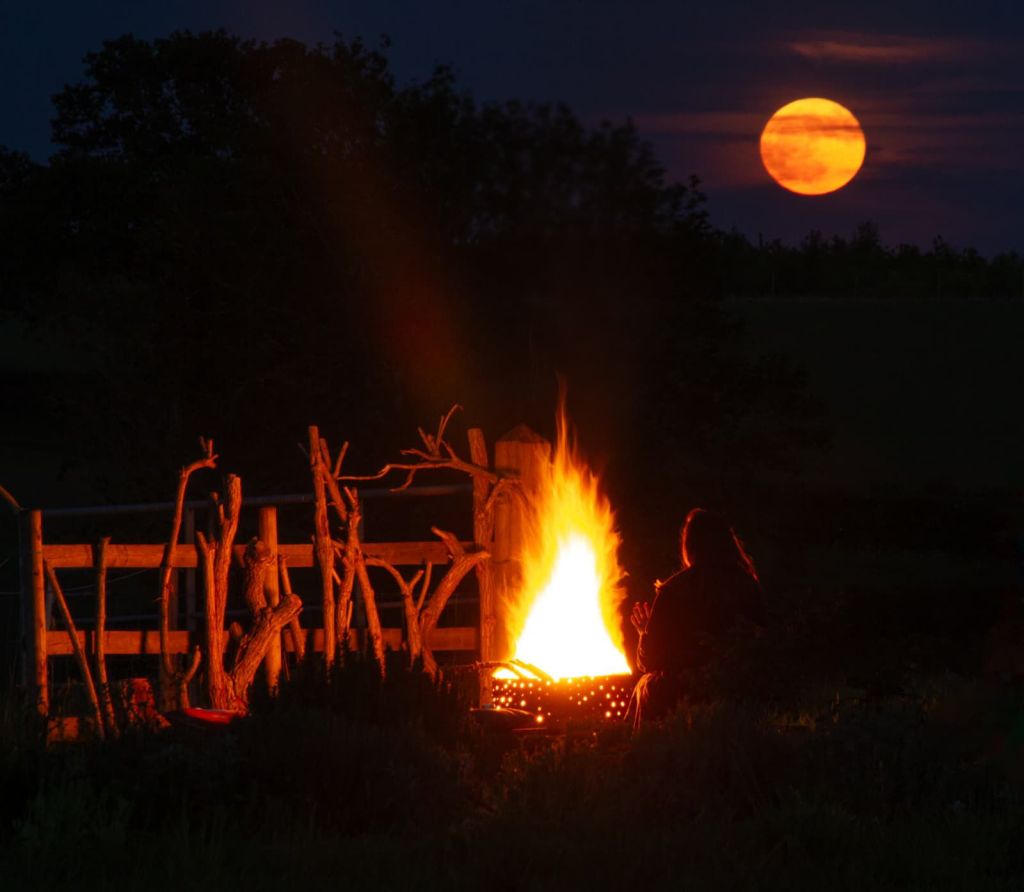
And before I go, don’t forget to keep an eye out for the Full Moon rising tomorrow evening, May 1st, from around 8.45pm onwards (although do check the timing for your location). It will be rising around an hour earlier tonight and will look fabulous too!
Whatever you do this weekend, I hope you find a moment to sink in to the grounding energy of the land.
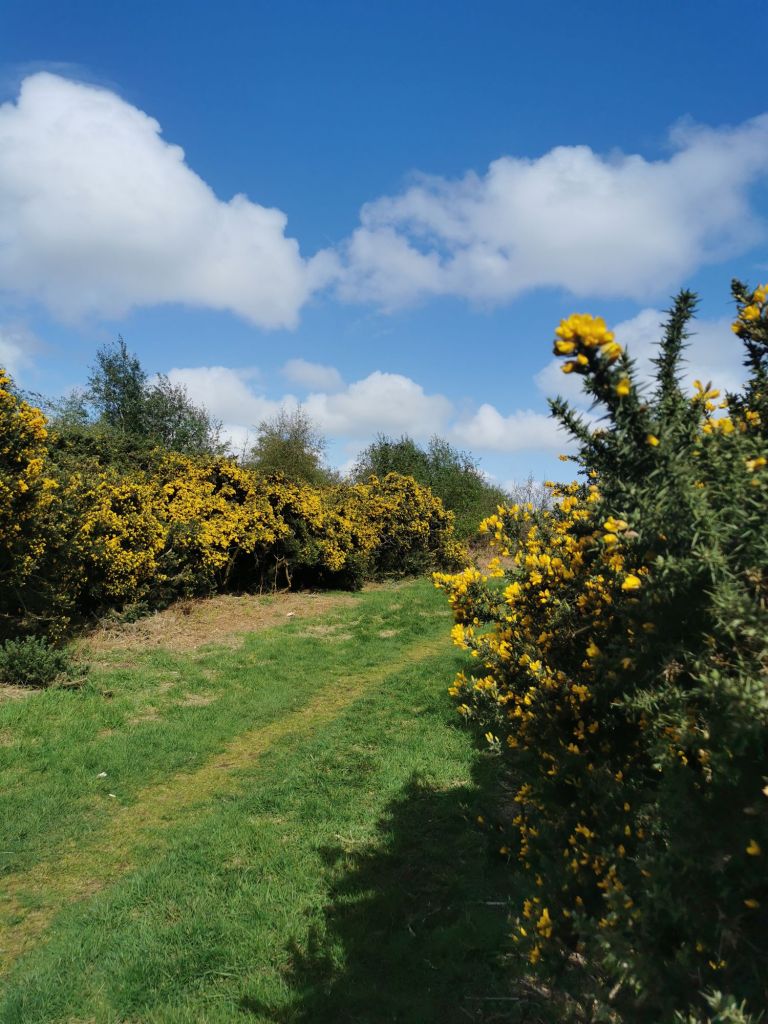
In my previous post, I introduced you to two very closely related woody shrubs that we have found ourselves drawn to lately; Gorse and Broom.
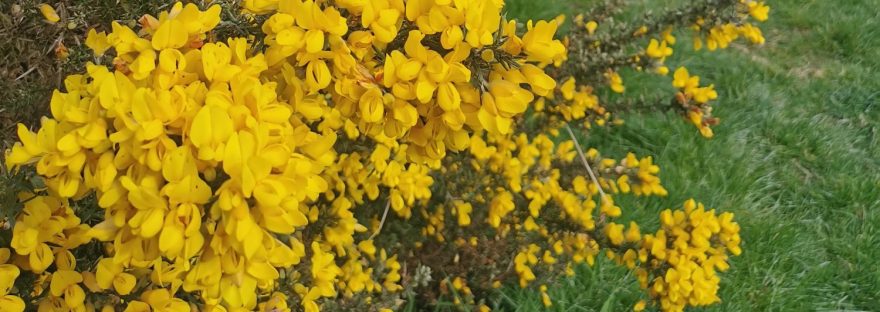
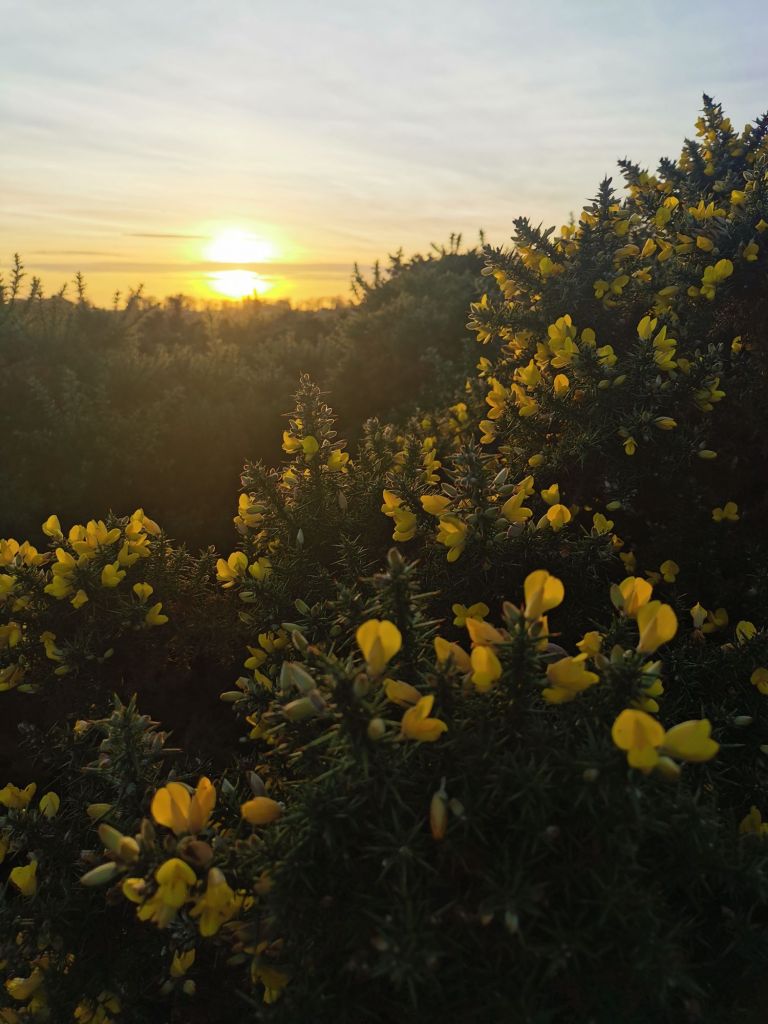
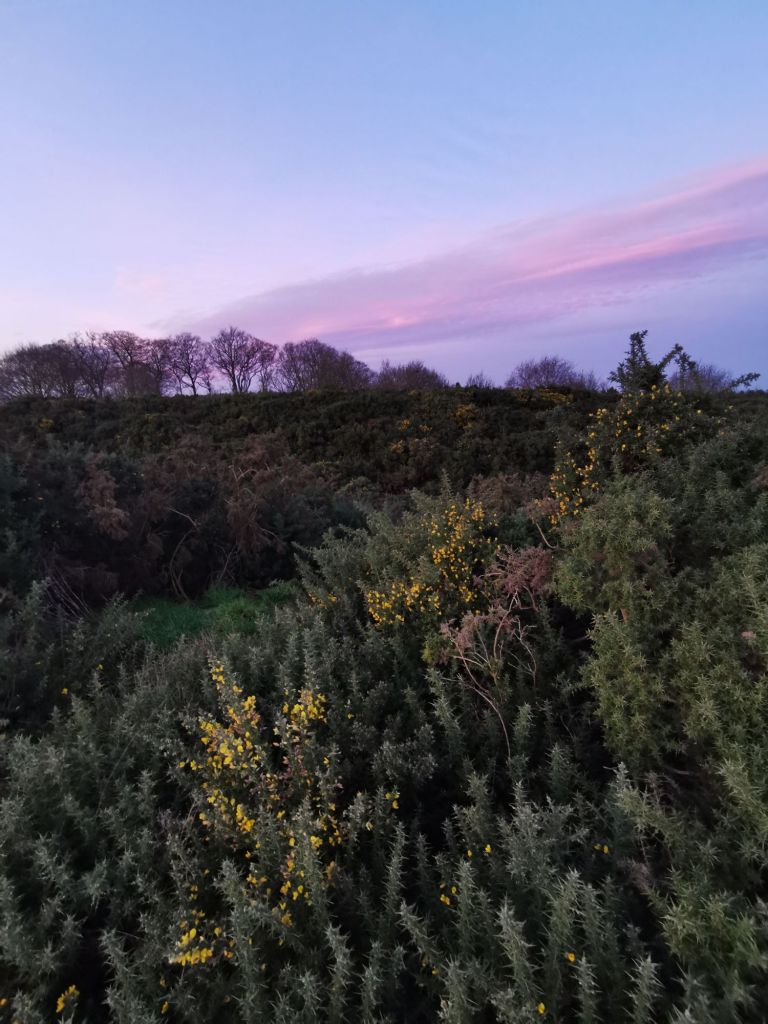
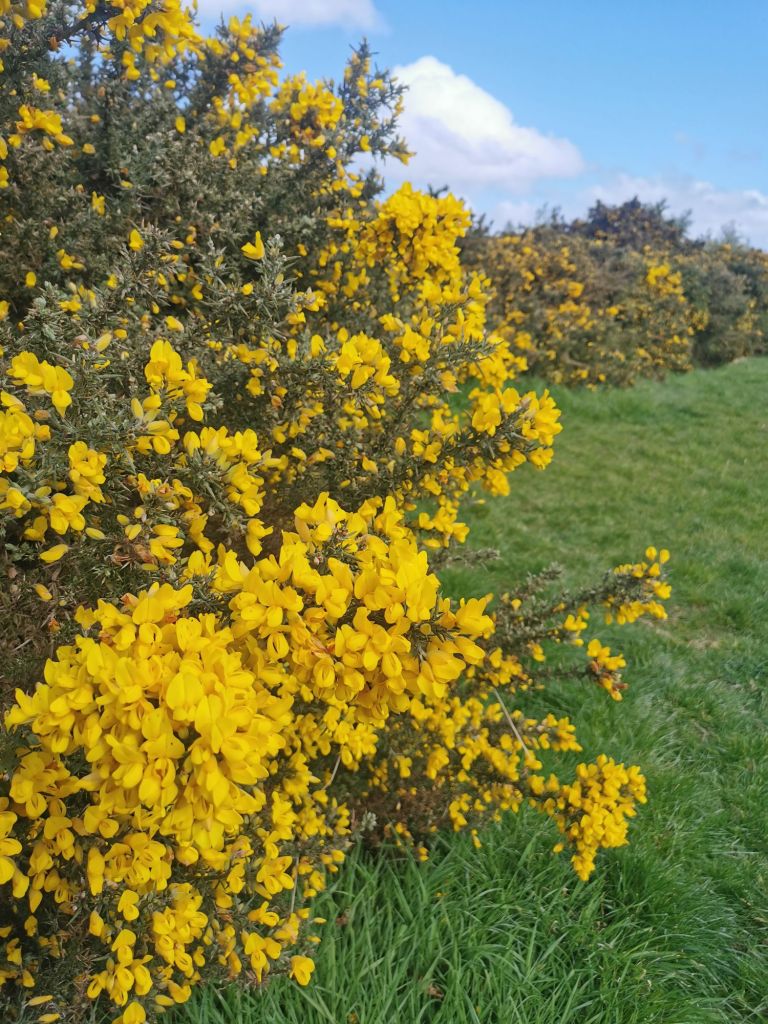
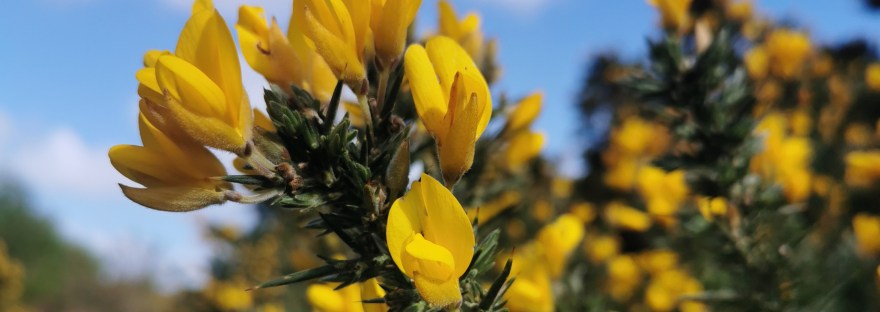
I tend to connect Gorse most closely with coastal landscapes. This is where I find myself gasping with delight, as their vivid yellow flowers contrast beautifully against the sea and sky. It can also be found growing in under-grazed grasslands, heathland and the edge of woodlands with Broom found in similar habitats.
Pioneer species
Gorse and Broom both thrive where there is plenty of light and poor soil conditions, making them natural pioneer species, similar to Birch trees. This means that they will be the first plants to move into land that has been abandoned, cleared or degraded in some way.
They establish themselves quickly, stabilising and improving the soil around them as they grow. It is now understood that Gorse in particular, offers protection to young trees from wind and grazing animals.
As those trees grow, they will eventually shade out the Gorse, which weakens and dies without direct light, returning its nourishment into the soil. It has played its role in facilitating the transition of open land back into woodland.
I think of these plants having a strong mission to return depleted land back into woodland. They can however be extremely challenging to manage, when this mission is in conflict with the desire to manage or maintain habitats in a different way.
This can be most evident in delicate heathland habitats and areas of farmland where Gorse will try to reclaim it and puts up a strong fight against any attempt to remove it.
Energy & Symbolism
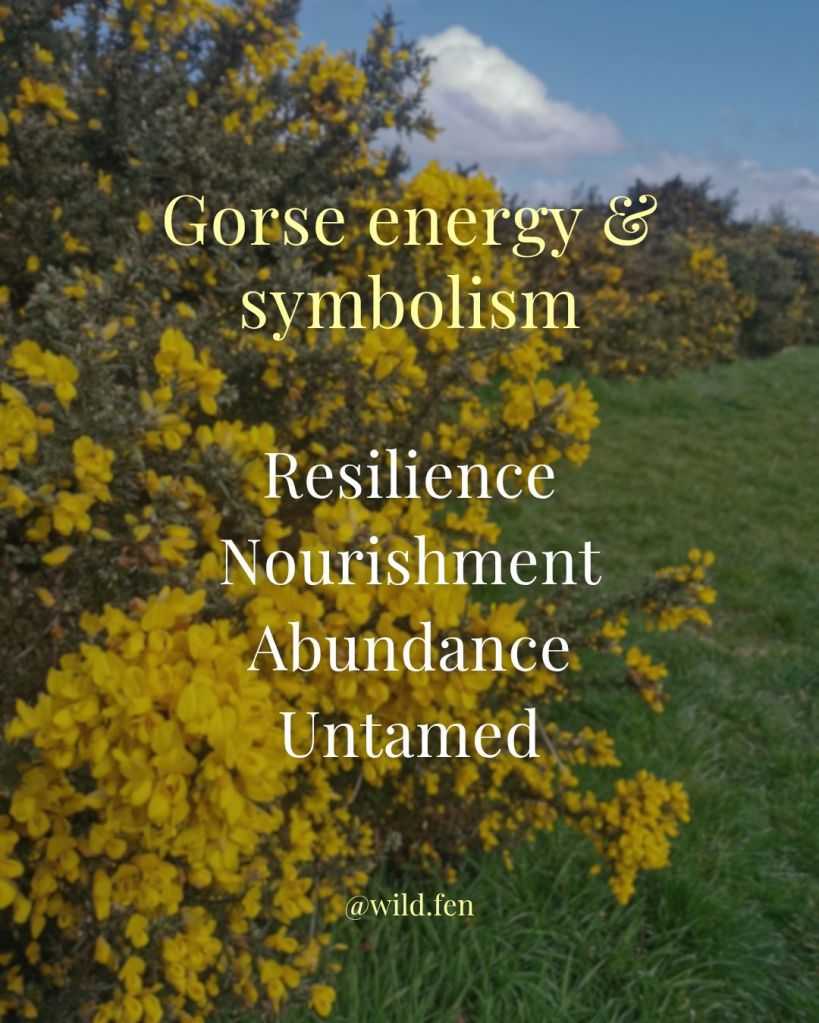
Gorse and Broom are both wonderful guides in helping us to find ways to nourish ourselves and honour our needs. Their energy is wild and untamed as they fight to bring nourishment back to depleted land. Gorse in particular can teach us where we too may need a little fierceness in the name of protection.
They have developed clever mechanisms that allow them to nourish themselves in the most depleted environments, allowing them to flower abundantly. If you missed me talking about this in my previous post, you can find that here.
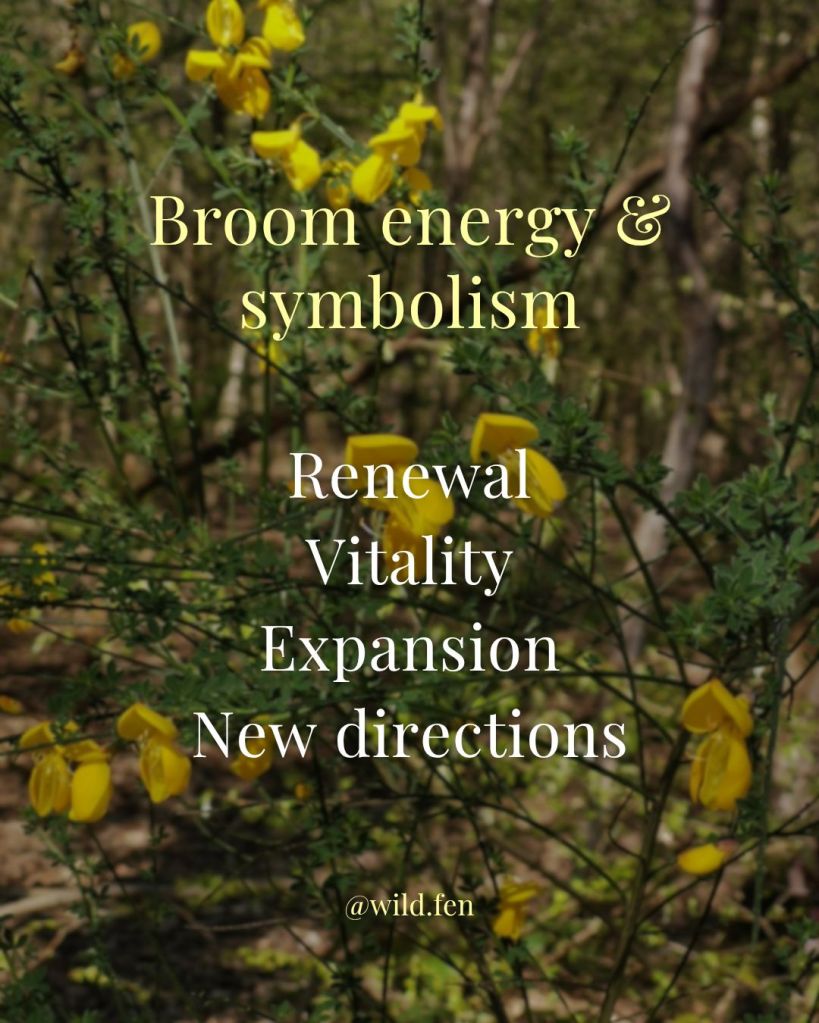
Like it’s name suggests, Broom was once prized for crafting brooms from. Its long whips made an excellent broom with which to clear away the old, both physically and metaphorically.
It is a wonderful plant to guide us when we are stepping out in new directions and may require a little extra self belief to support our tentative steps forward.
Did you know that the word for April is thought to come from the Latin verb Aperireย meaning ‘to open’?
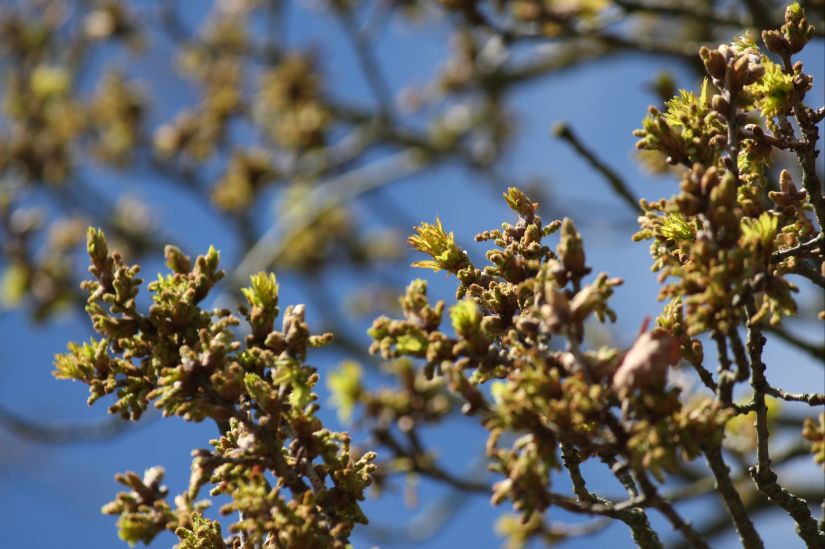
As I wander the land just now, I notice flowers and leaves opening on an almost daily basis. From brand new Oak leaves, to the delicate petals of the Stitchwort flowers. There is so much to enjoy meeting in April.
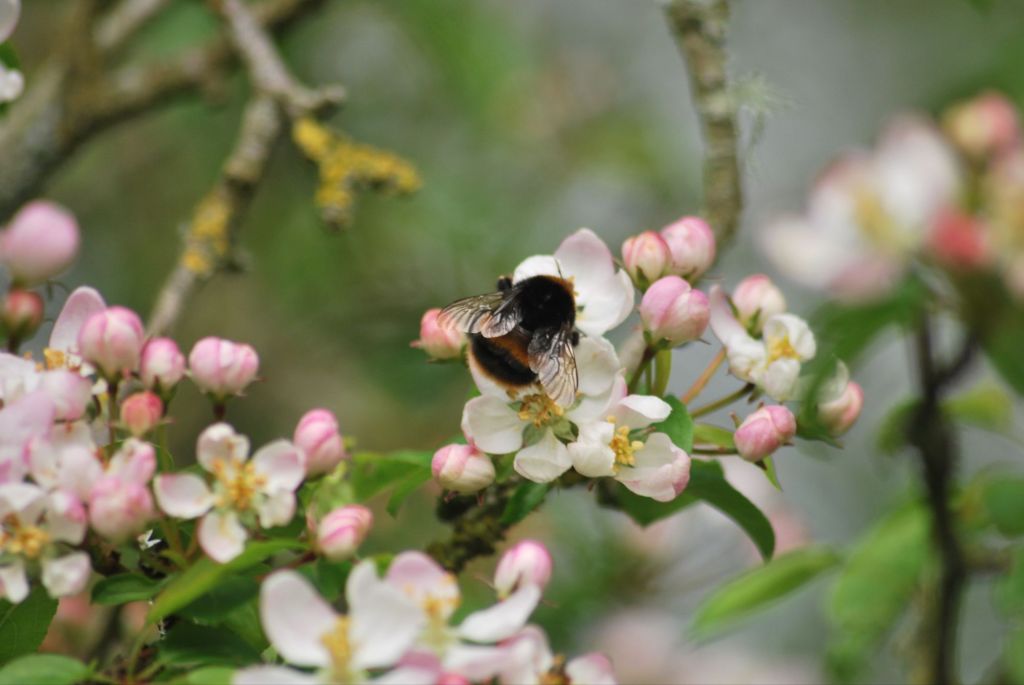
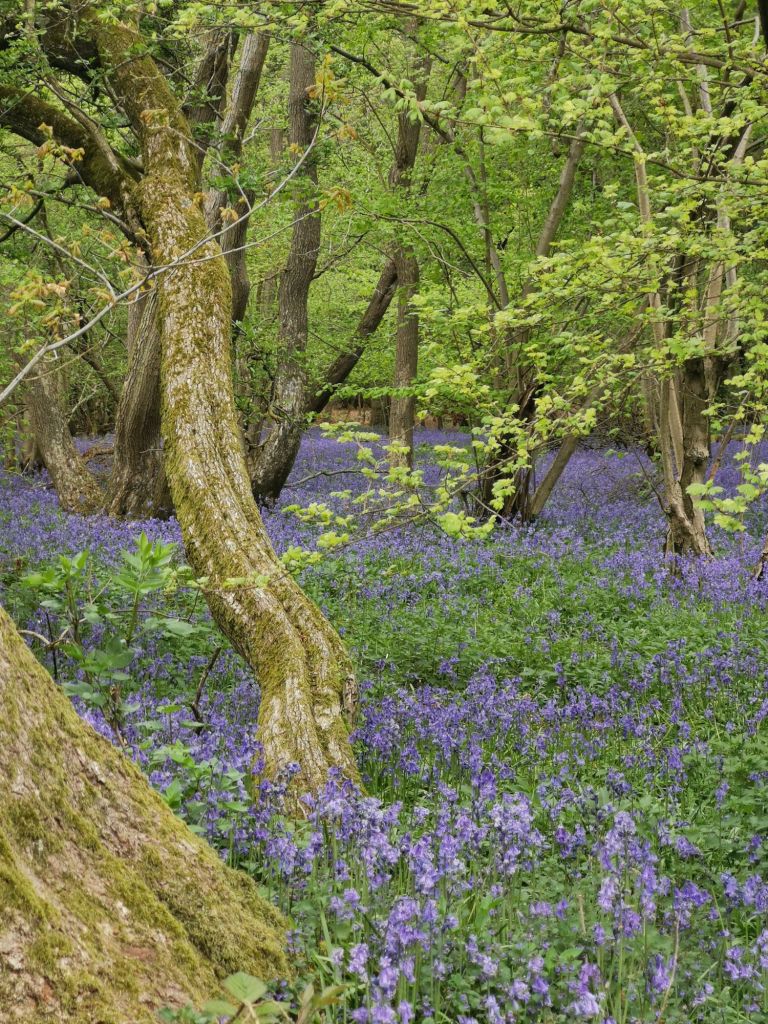
The Apple trees are beginning to bloom and the woodlands are thick with bluebells. I am trying to visit as often as I can, just to soak it all in.
Last week, we had a few days away in our van, visiting the Kent coast, an area new to us both. We loved walking along the chalky white cliffs, spotting kestrels and soaking in the vivid yellow of the Gorse flowers against the blue sky.
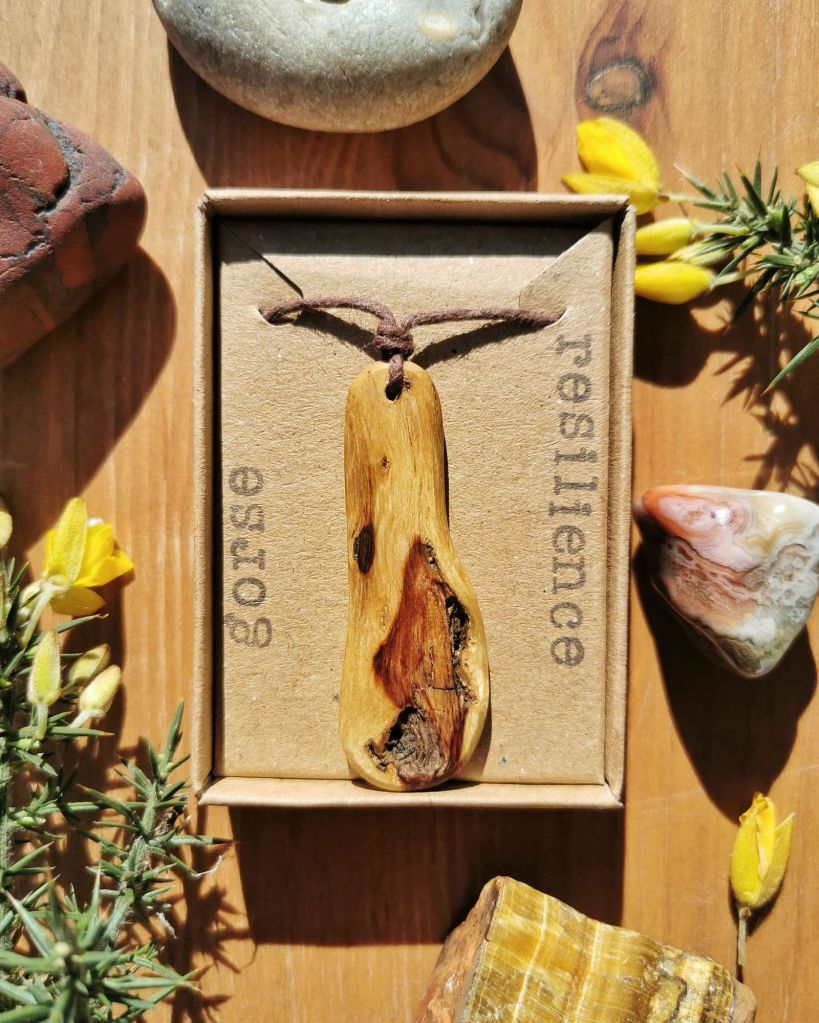
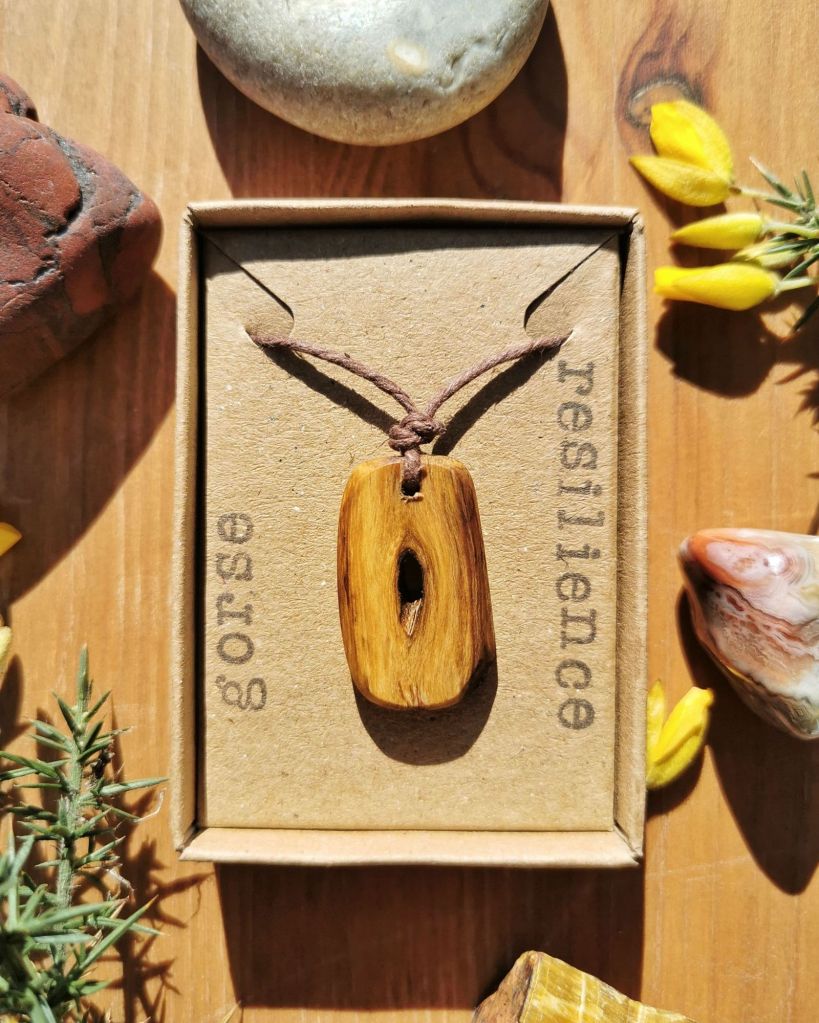
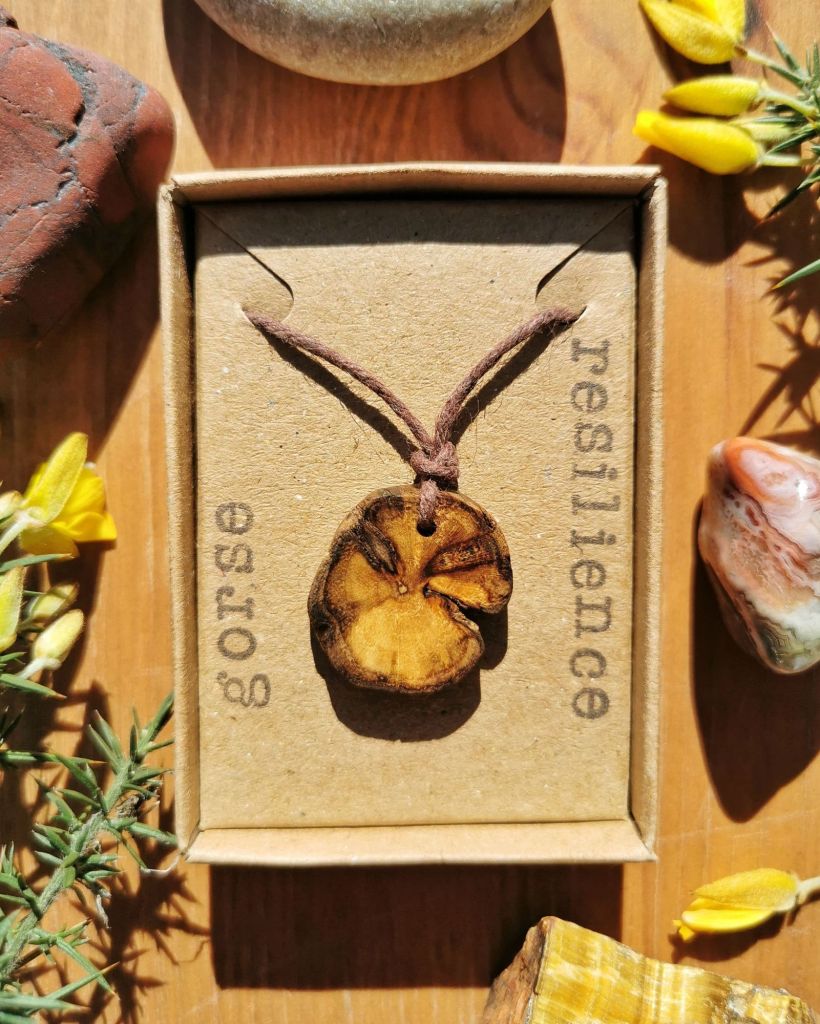
Last Spring, we worked on one of my favourite Wild Jewellery collections to date, celebrating the wild and untamed beauty of Gorse wood and since our recent trip, it has been calling to both of us once again…
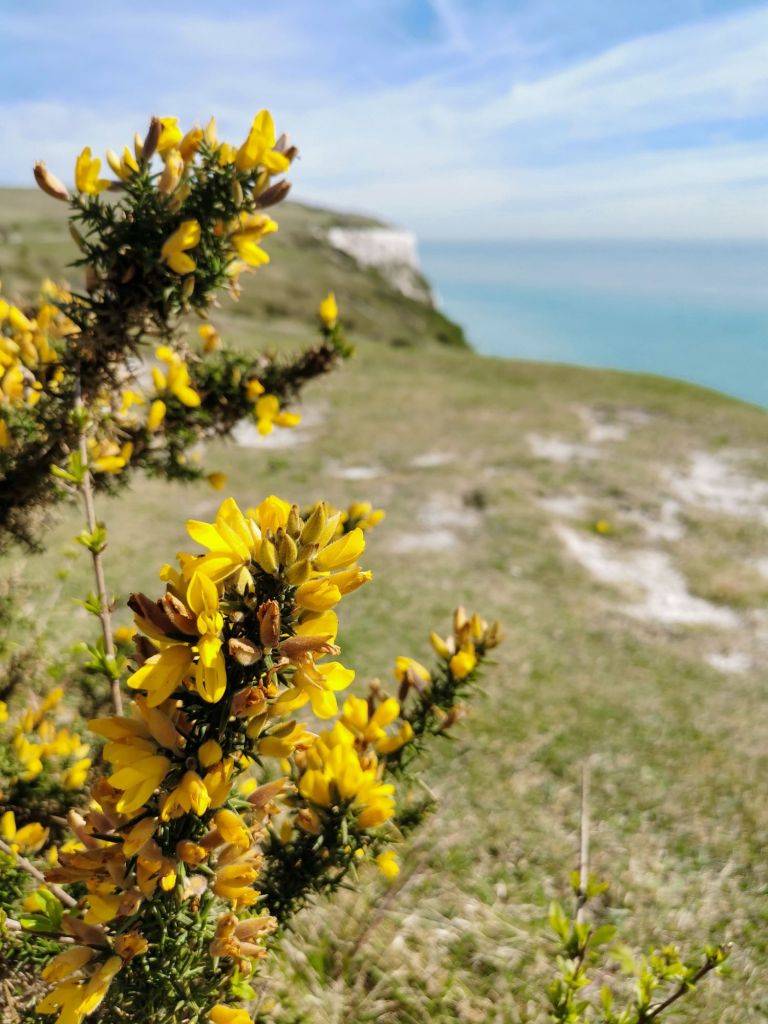
Gorse, a member of the pea family
Gorse is a woody shrub in the pea family (Fabaceae) which includes lots of edible legumes such as beans, peas, lentils and peanuts, and plants like clover, wisteria and lupines.
Most members of this family have a bit of a superpower. By forming a relationship with a bacteria that lives in their root nodes, they are able to transform nitrogen from the air, into a useable form that nourishes the plant. This is why legumes are typically high in protein.
When the plant sheds material or dies and decomposes, it nourishes the soil around them, making it richer for other plants and trees that require more nutrients.
Gorse is very closely related to another woody shrub called Broom, both of which can be found growing in similar habitats throughout the UK.
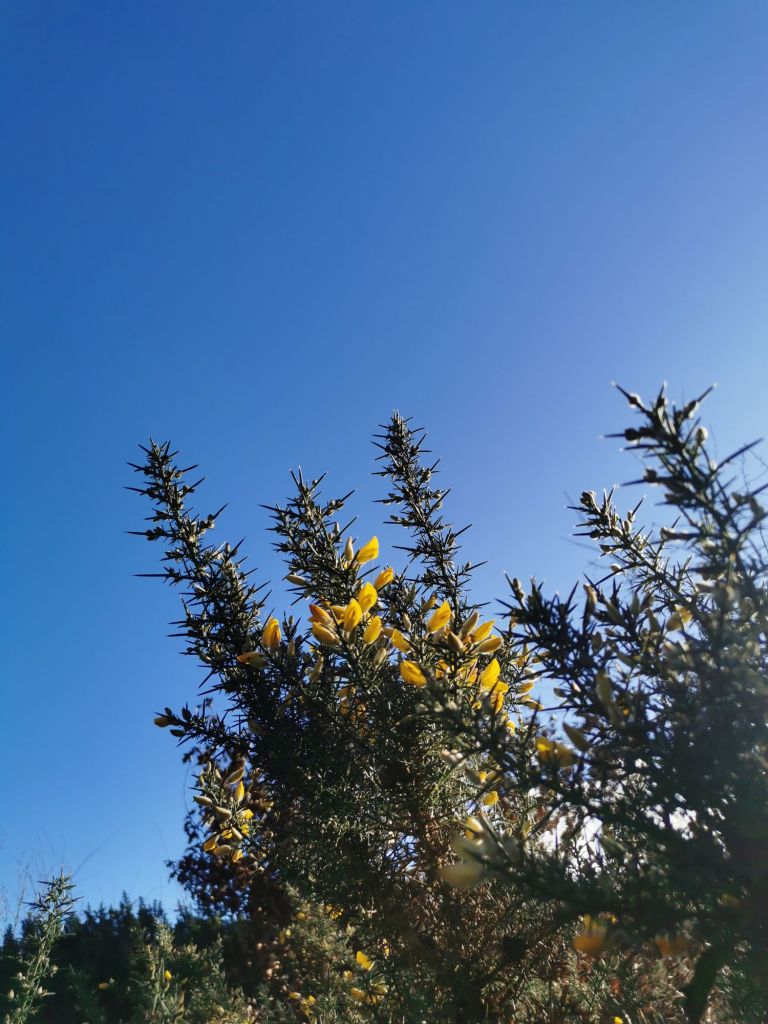
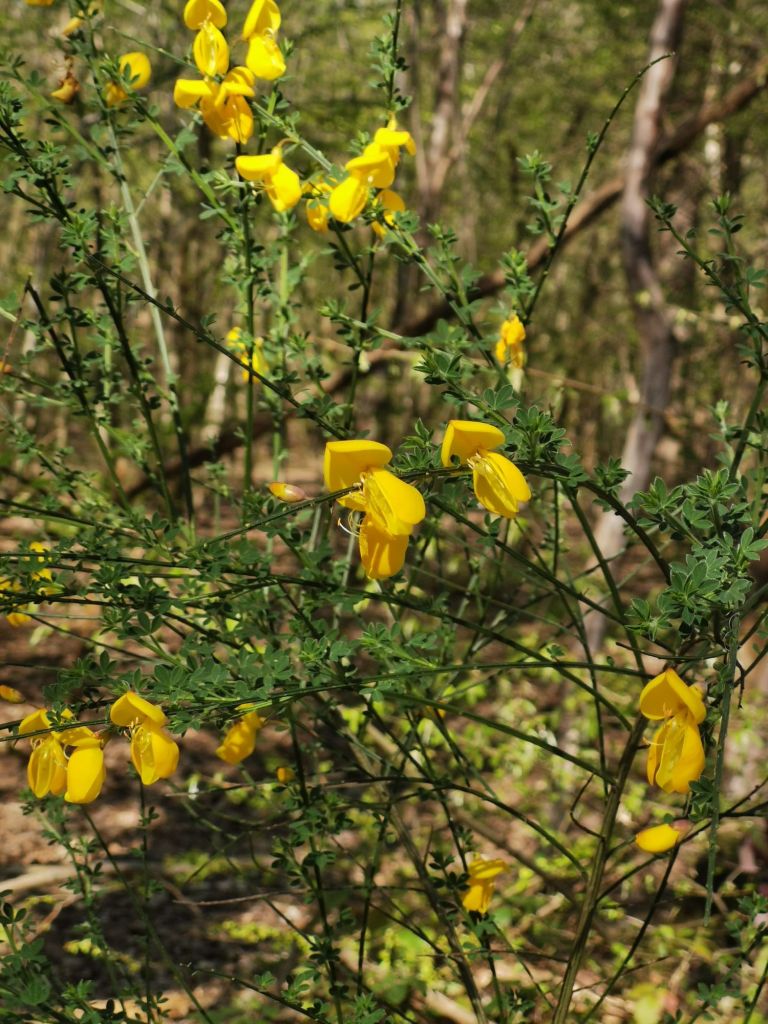
The key ways to tell them apart is that Gorse has sharp spikes (pictured above) and its flowers have a strong coconut like scent, whereas Broom (pictured below) has neither of these characteristics.
We saw plenty of these two plants during our trip to the coast, and felt called to share a little more about both of them this week.
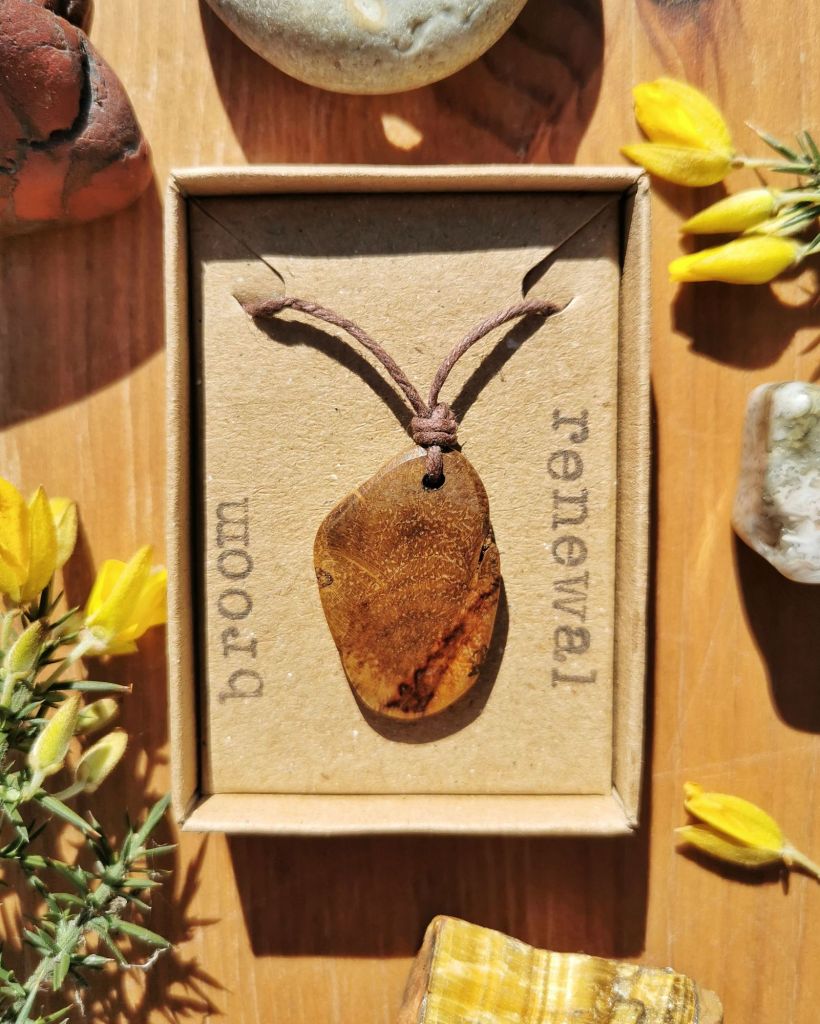
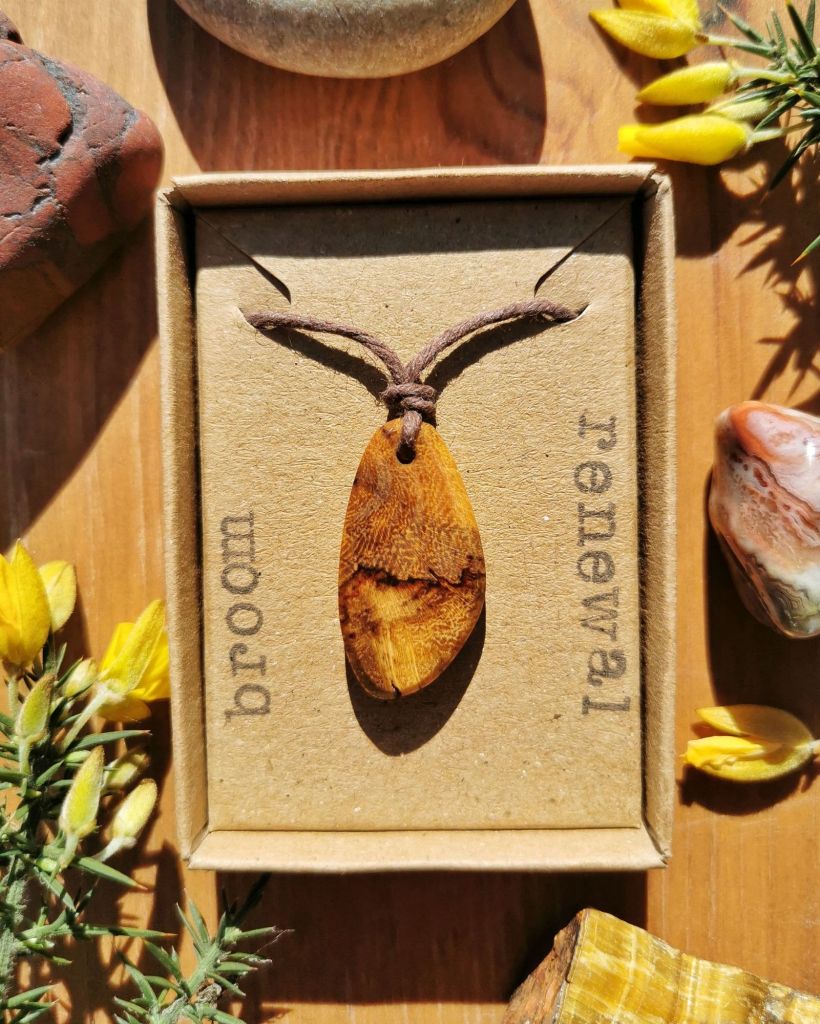
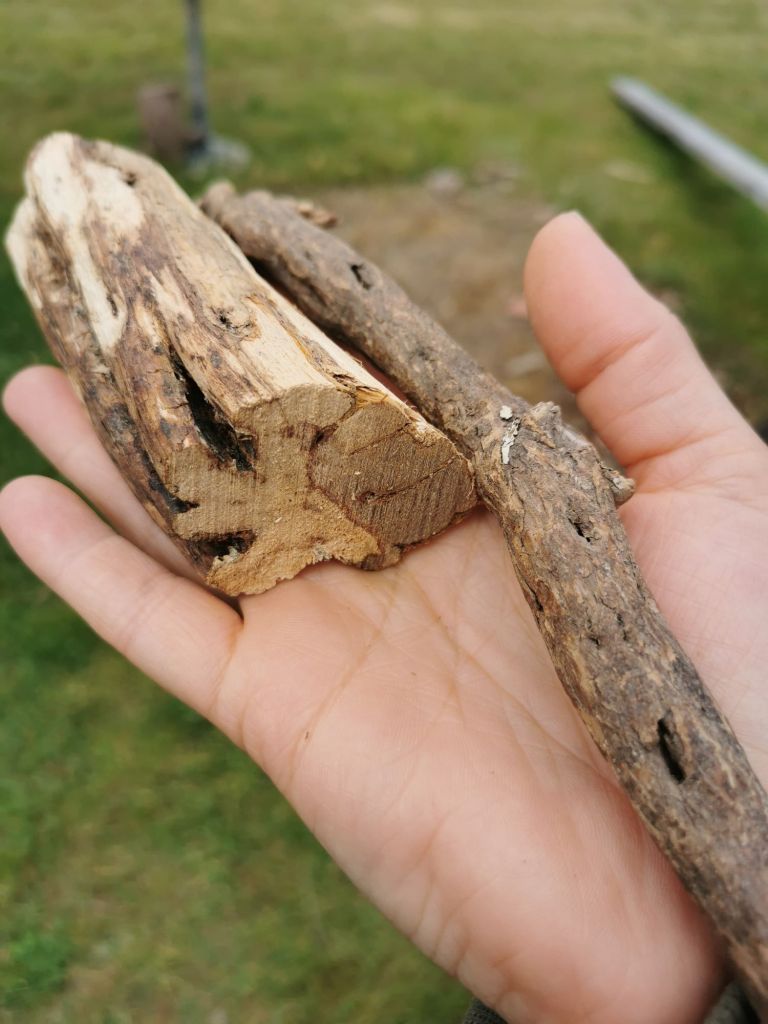
As you may well have guessed by now, Chris has begun working with their wood which is delightfully wild, just like the plants themselves!
In my next post, I will be sharing a little more about the wisdom and energy of these two, fascinating plants. You can also find us over on Instagram where Chris will be crafting some beautiful pendants from these wild woods.
As it is coming up to 6 years since we first created Wild Fen, I thought it may be a good time to take a trip down memory lane on quite how we arrived here.
In 2019, we were living together in the Fens, and spent our spare time exploring the land around us; watching wildlife, learning about wild plants, foraging and generally immersing ourselves in nature as often as was possible.
Chris was working as a landscape gardener after a 10 year period as a self-taught graphic designer. I was working for a mental health charity, where I supported individuals and groups with their wellbeing. I particularly loved running mindfulness workshops and getting outdoors with people, where I often witnessed their stress levels reduce and their perspective shift or open.
About a year in to our life in the Fens, Chris became really unwell with what was eventually diagnosed as glandular fever, with viral and bacterial tonsillitis. He ended up in hospital unable to eat or drink, struggling to fight the virus and infections. He was off work for about 2 months in total and during these uncertain times, we found ourselves reflecting on our life.
We talked about how much we wanted to travel and to spend more time in nature. We both had the urge to create ‘something’, although what that ‘something’ was, was unclear.
Looking back, his illness was like a catalyst that picked up many of our ‘far off’ dreams and plonked them right at our table to look at more seriously.
A few months later and after much soul searching, we found ourselves pushing send on our resignation emails and giving one month’s notice for leaving our home. Fear and excitement being experienced in equal measure.
It felt wild, reckless in the eyes of some and yet a fire had been lit in us both, to try something different. To take a ‘leap’. We sold our belongings, temporarily moved in with family and set about our search for a van that we could convert into a tiny home.
Picking up our van, scary, excitedHome, after 9 months of learning on the job!
Wild Fen did not arrive with a clear vision and instead grew the more that we listened and tended to the soil of our lives. It grew from a deepening connection to the land around us and a desire to share that with others.
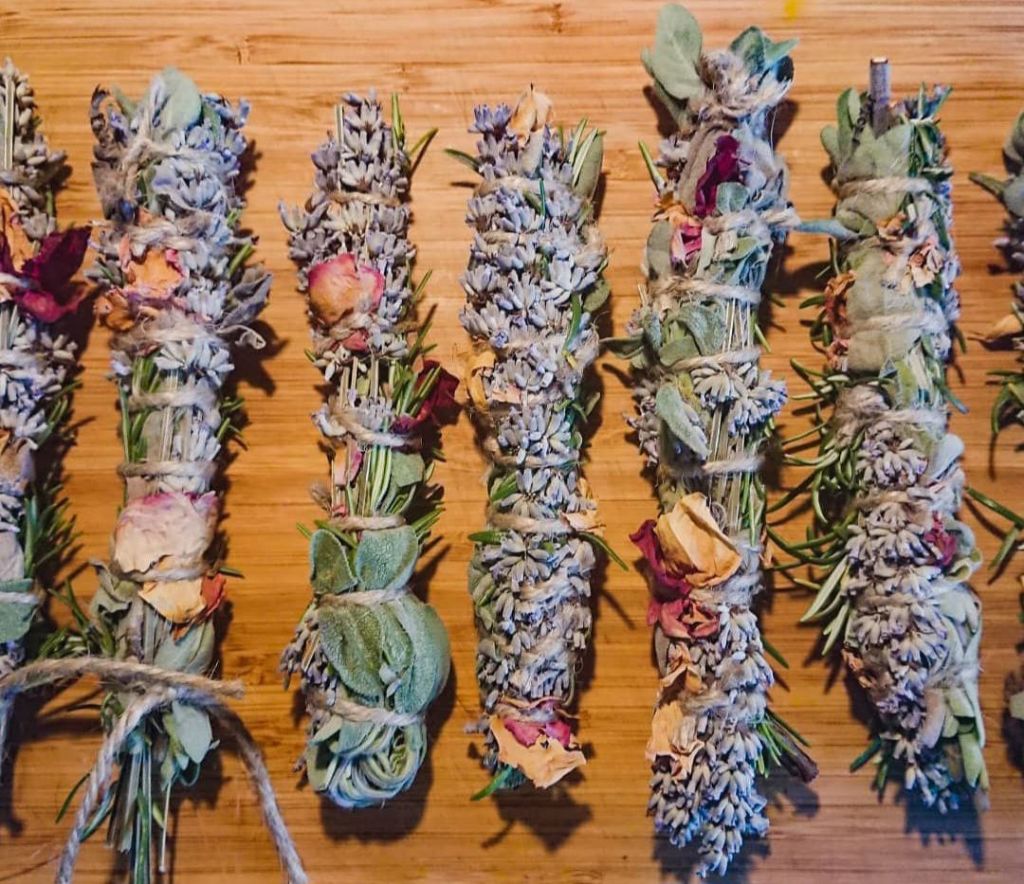
It grew alongside the herbs that I tended in my Mum’s garden, and wove into smoulder sticks that I made as a gift to family at Christmas, and later shared online just incase anyone may want one.
And over time it has expanded like a network of roots making their way through the earth. The more time that we spend on the land, the more we noticed, observed and felt guided by the wild world around us.
Running a small business has not been without its challenges, and whilst there are aspects of life that feel idyllic, there are plenty that feel overwhelming, uncertain and demotivating at times too.
But we are here, and have thus far at least, found our way around the challenges, just like tree roots pass around the unmoveable rocks hidden within the soil.
If you enjoyed this post, you may enjoy catching up with our journey a little more:
I hope you are finding some gentle moments, amidst what can often feel like a very busy time of year.
We had our final market of the year on Saturday evening and then, after a slow start to Sunday, we went for a walk whilst the sun was out and my goodness was it needed!
Shop update
We wanted to let you know that our online shop will be closing this Wednesday 17th at 5pm. All orders made before this time will be posted out the following day, in time for Christmas.
Stock is running low. We have completely sold out of our homegrown smoulder sticks and have just 3 medium lunar calendars and 2 wheel of the year card sets remaining…
We have added a few final pieces of Wild Jewellery to our store which alongside all remaining pieces have 20% off for the next 2 days as a thank you for your support this year.
I have really been enjoying spotting the Ivy climbing up the trunks and branches of trees on my walks lately. Whilst many plants are dormant over the Winter, Ivy continues its journey, climbing trees and walls in order to reach the light. It is wild and rambling, filled with energy and vigour and is steeped in folklore and mystery. It can be symbolic of our own, wild journey and guides us in embracing the twists and turns in our path.
Energy & Symbolism: Wildness, Journey, Change, Growth, Embracing ourselves
However you will be spending the next few weeks, I hope there will be moments of peace, magic and connection present for you.
I wanted to share some of my favourite Winter treasure with you before I go…
With love and magic,
Nic x
P.s do check out my favourite, simple Yule practices below if you’d like!
I wanted to let you know that this week is National Tree Week (22nd – 30th November) which marks the beginning of the annual tree planting season here in the UK. I don’t know about you, but it brings me joy on this drizzly, grey day, just thinking about all the little trees that are being planted up and down the country, over the coming weeks and months.
This year, the focus of National Tree Week is ‘a future filled with trees‘ and if you know me even slightly, you will know I need no excuse to celebrate our tree kin!
Last year, I shared my ‘Tree Guides for Embracing Change‘ post where I outline some of my favourite ways to begin connecting with trees. If you aren’t sure how to identify a particular tree but are curious about deepening your connection, I recommend catching up with this post.
In today’s post, I wanted to share some of the magnificent trees that have inspired us this year. We would LOVE to hear about any trees that have been special to you too, so do leave us a comment if you feel called to.
I will also be revealing some new woods that we have been co-creating with this month and sharing a discount code with you, so let’s dive in!
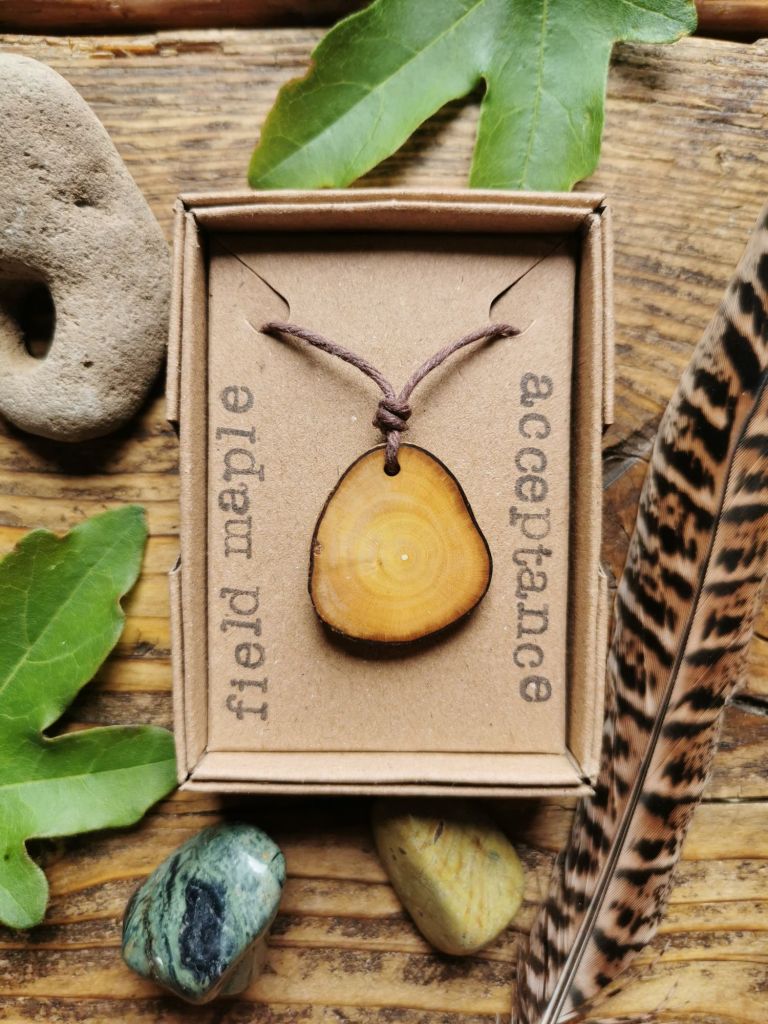
Field Maple, the unsung hero
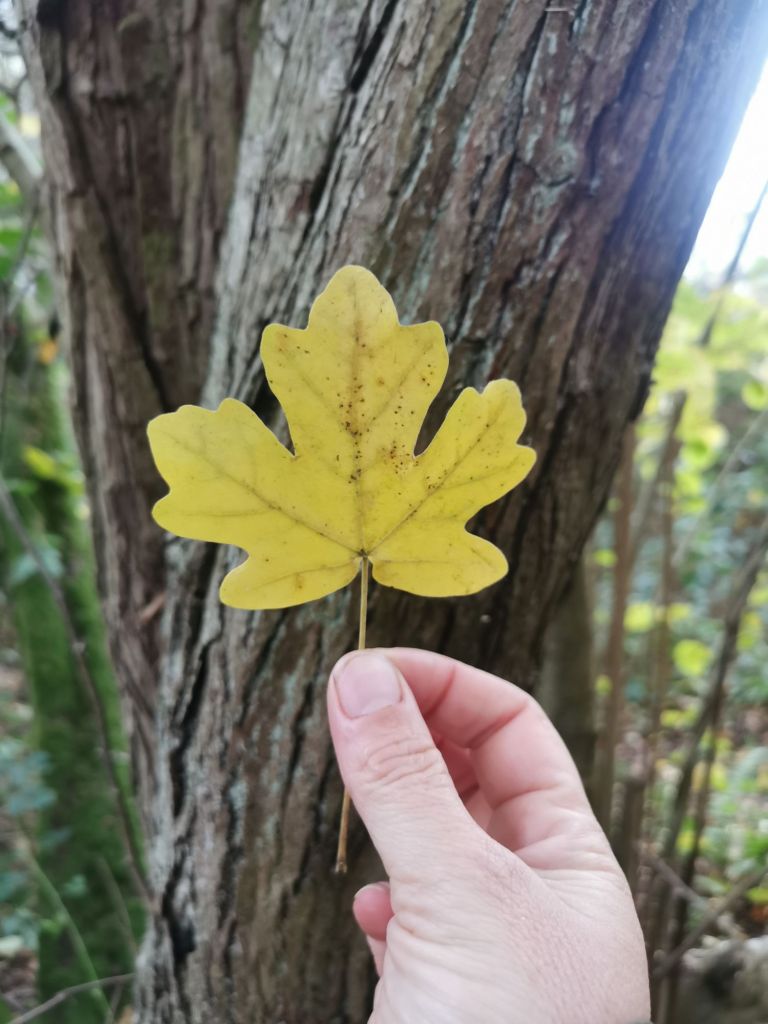
In early Summer, I came across this beautiful, old field maple in a woodland near where I live. It is funny, I visit this woodland often and yet had never noticed this tree before.
The Field Maple is our only Maple native to the UK and they are such a staple of the British landscape that they are often overlooked. This is exactly what I had done, all the years that I had walked by on my track through the woods.
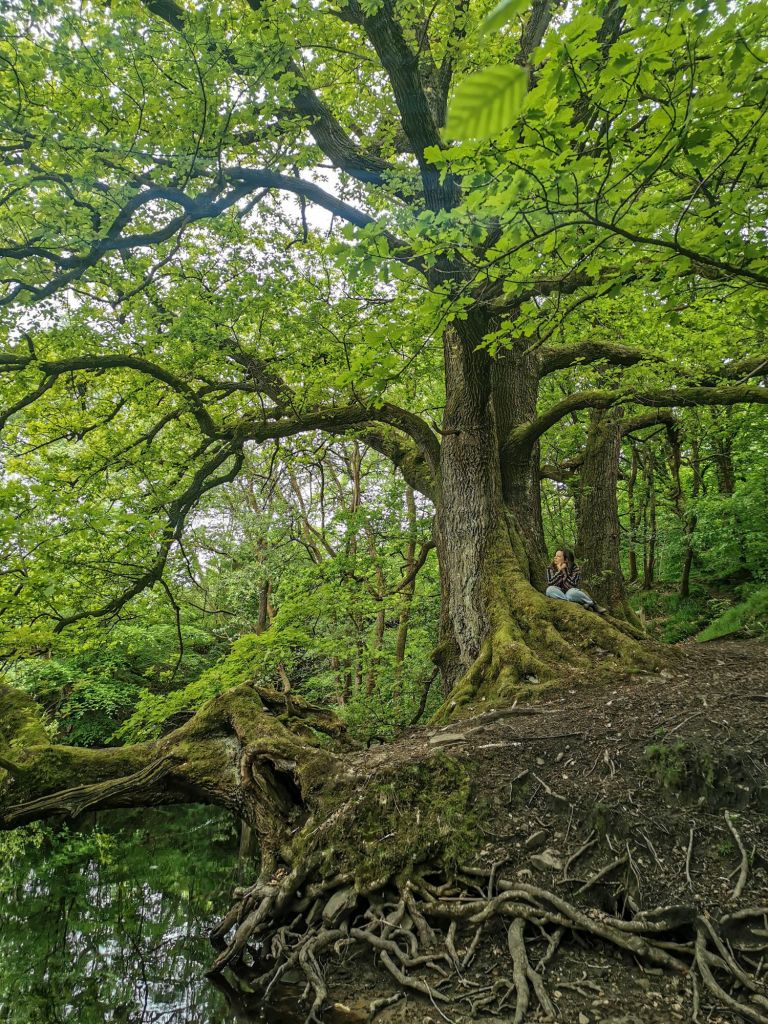
On one particular day however, I did notice this glorious tree, its branches extending so wide, that I felt as if they scooped me underneath this beautiful canopy. Over Summer, I visited often, spotting so much wildlife as I sat with my back against the trunk. It became my go to place, anytime I craved space, connection, perspective or comfort.
In Autumn, the Field Maple leads the transformation, as its leaves turn a brilliant yellow, reminding us, that they are there, nestled throughout the hedgerows and woodlands. They can also be found across our towns and cities, where they are very successful at tolerating pollution and providing vital homes, food and refuge to wildlife.
I think of them as steady, hardworking and humble trees that help us to find the beauty and magic in the mundane.
Our first time working with this beautiful Maple wood, revealed these glorious markings
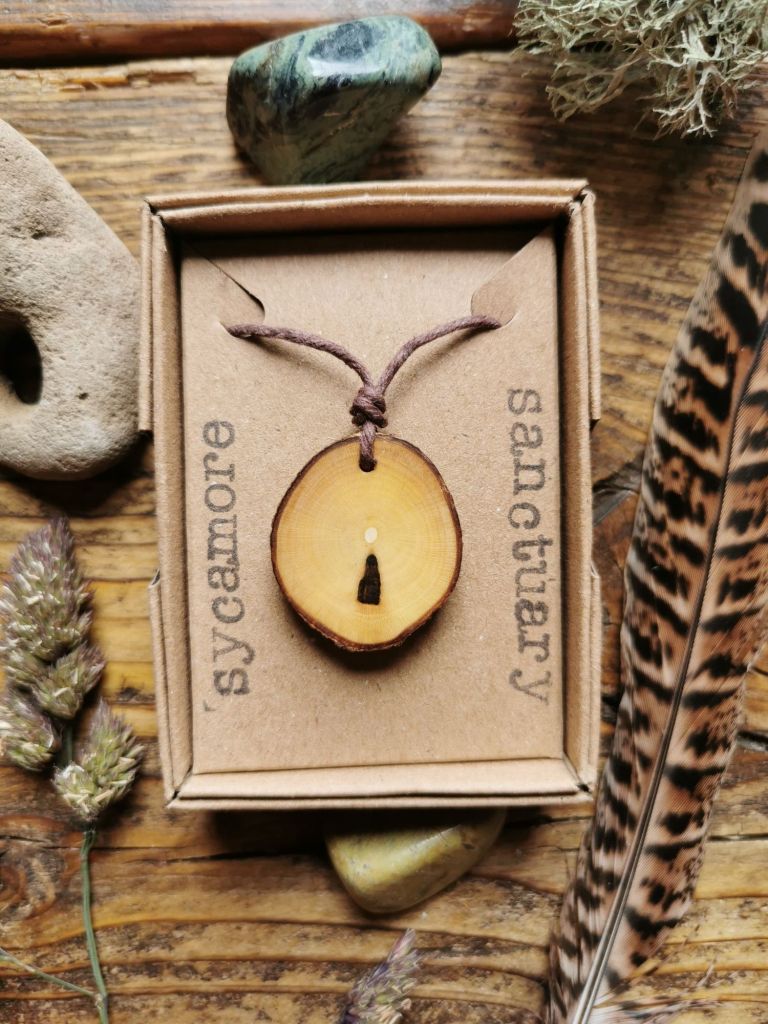
Sycamore, and feeling a tree’s energy…
We sometimes get asked how we decide what ‘energy’ represents a particular tree, so I hope this post shares a little insight into how we connect with and learn from trees…
During an oppressively hot day around midsummer (yes, I know it might be hard to imagine that just now…) we headed for the woods in search of some shade. After some time strolling, we approached a mound, somewhere towards the middle of the woodland. On top of the mound stood a circle of 5 big sycamore trees. Their dense canopies united as one, blocking most of the sunlight from reaching the ground beneath them. The top of the mound was covered by a thick, (shade loving) mossy green carpet.
It felt as though we had hit the jackpot, as we climbed up and set our rucksacks down, taking shelter from the sun beneath these towering trees. We spent the afternoon, reading, snoozing and chatting away in what felt like our very own sanctuary. As I gazed up at the 5 pointed leaves above my head, I was reminded of a sycamore tree that I used to pass on my way to school. On several occasions, me and my mum took shelter from heavy rain showers underneath its branches.
When I got home that evening, I read a little more about Sycamore trees, and how they were often the chosen tree planted to shade or shelter farmhouses. Their fast growing nature, dense canopy and ability to withstand exposure to cold, wind, salt spray and air pollution makes them ideal trees to plant for shade or shelter.
And so, when we consider the life history and nature of how Sycamore trees grow and interact with the land around them and combine that with how we feel when we spend time with them, we felt the word ‘Sanctuary’ represented their energy well. For all those that have taken shelter from the elements, beneath their branches.
Beech, the Queen of the Woods
Earlier in the month we spent a lovely week exploring the woodlands of Cannock Chase, an Area of Outstanding Natural Beauty in Staffordshire.
It was the perfect time to enjoy the colours of Autumn, the golden tones of the Larch, Birch and Sycamores to the rusty bronzes of the Beech trees.
Golden LarchesButtery BirchesBronze Beech trees
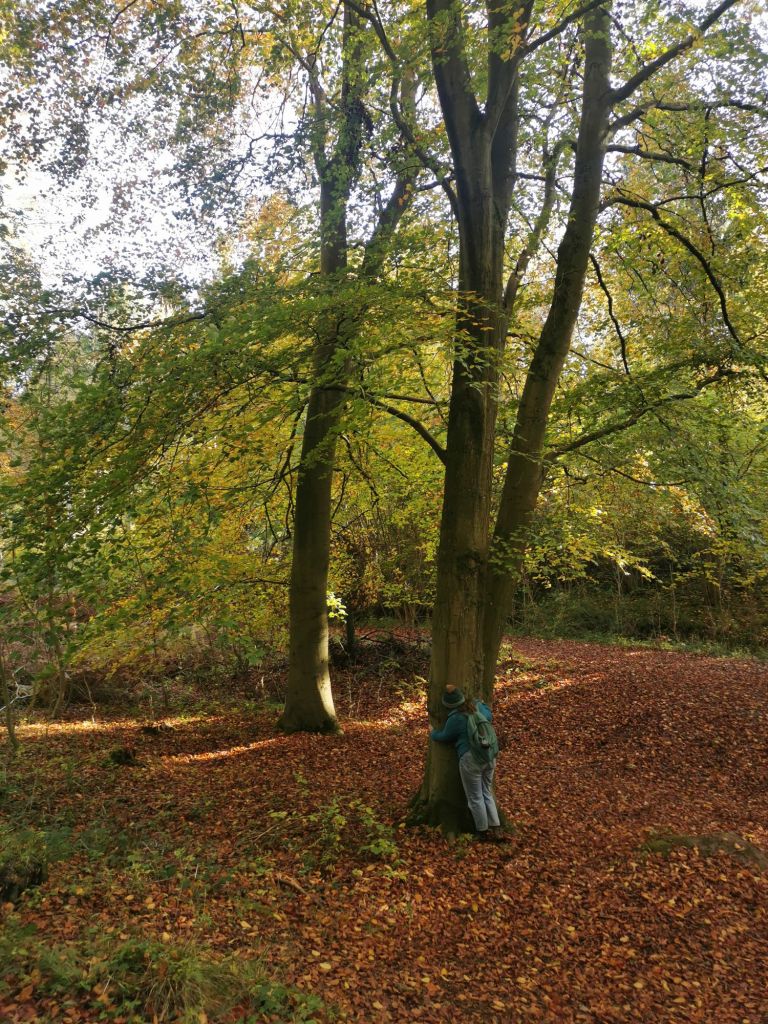
During one of our walks, we noticed ‘the 6 crones’ marked on the map and couldn’t resist taking a look. The map guided us to 6 very old Beech trees, that looked as though they have been planted in a circle at least a few hundred years ago.
They were quite the sight, with missing limbs, fungi creeping up their old trunks, and thinning canopies, they certainly felt the Queens of this forest!
Connecting and learning from trees, is an ever expanding journey that brings awe, perspective and connection to me regularly.
Spending time with them often helps remind me of the bigger picture, as I consider all they have stood through until this point, from changes to the landscape around them, to harsh winters and dry summers, on and on they grow.
And this is why we feel inspired to contribute to National Tree Week and to a ‘future filled with trees.’ By gathering and planting seeds from many of the amazing trees we have met this year it feels like the right way for us to honour them, and we can’t wait to see what grows next Spring!
Wild Fen Updates
We have been so inspired by all of the wonderful trees we have met this year, and have some beautiful new pieces to share with you over the coming weeks, in fact there are some in store already….here is a sneak peak of what is available right now!
To say thank you for your support again this year, we would like to offer you 20% off any Wild Jewellery pieces for the rest of this year! Simply enter the code YULE20 at the checkout.
Upcoming events
We still have some brilliant events to come before the year is out. Here is where you can find us next:
As we prepare to welcome December, I hope you find space for some moments to pause, and slow down during this notoriously busy month. Here is to making the space to step outside when the sun is shining, snuggle up with a good book after the sun sets and breathe when (or ideally before) it all feels a little too much!
Me again! Just a reminder that it is almost time for our Autumn Collection to go live. They will be in store at 6pm this evening.
We have been inspired by some beautiful trees for this collection, including:
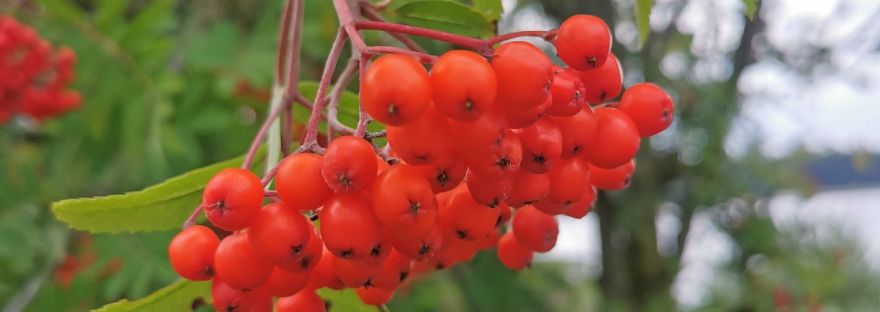
Hawthorn
Hawthorns have long been associated with magic, healing and protection. They are believed to aid connection to our intuition and the wisdom of the natural world. A medicine for the heart and the nervous system. Hawthorn can guide us to reconnect to ourselves and our magic, dispel fear, and live from the heart.
Oak
Oak trees support more life than any other native tree. They live long lives, bringing stability to the environment around them. Human evolution has been shaped by these magnificent trees, and we have an intrinsic connection to them.
Their roots delve as deep as their branches open wide, giving them balance and a deep rootedness that supports their vast presence.
Blackthorn
Blackthorns are small but powerful trees that grow in dense thickets, providing a safe home for many species of wildlife. Their sharp thorns create boundaries and working with their energy can help us strengthen our own boundaries to create a safe space to connect with our inner worlds.
Yew
Yew trees were deeply revered by our ancestors as the ‘tree of immortality’ due to their amazing abilities to survive, regenerate and live for thousands of years. Humans have most probably evolved and lived alongside Yew trees since the beginning.
Yew trees can provide the gift of perspective, inner strength and ingenuity as well as help us to feel connected to our ancestors and their wisdom.
Horse Chestnut
Horse Chestnut trees were introduced to Britain in the late 16th century and have since become a symbol of the Autumn season. Its leaves are one of the first to change colour and fall as we crunch them underfoot in our search for their plump, shiny conkers.
In Spring, their large, sticky buds open up like vivid green palms, welcoming us to a new season of growth. Their large, conic flowers decorate the trees in early Summer as if to announce the potential of the year ahead.
Woodland slices
We have also included some new pieces to our Woodland slice collection too.
Smoulder Sticks
Prints & cards
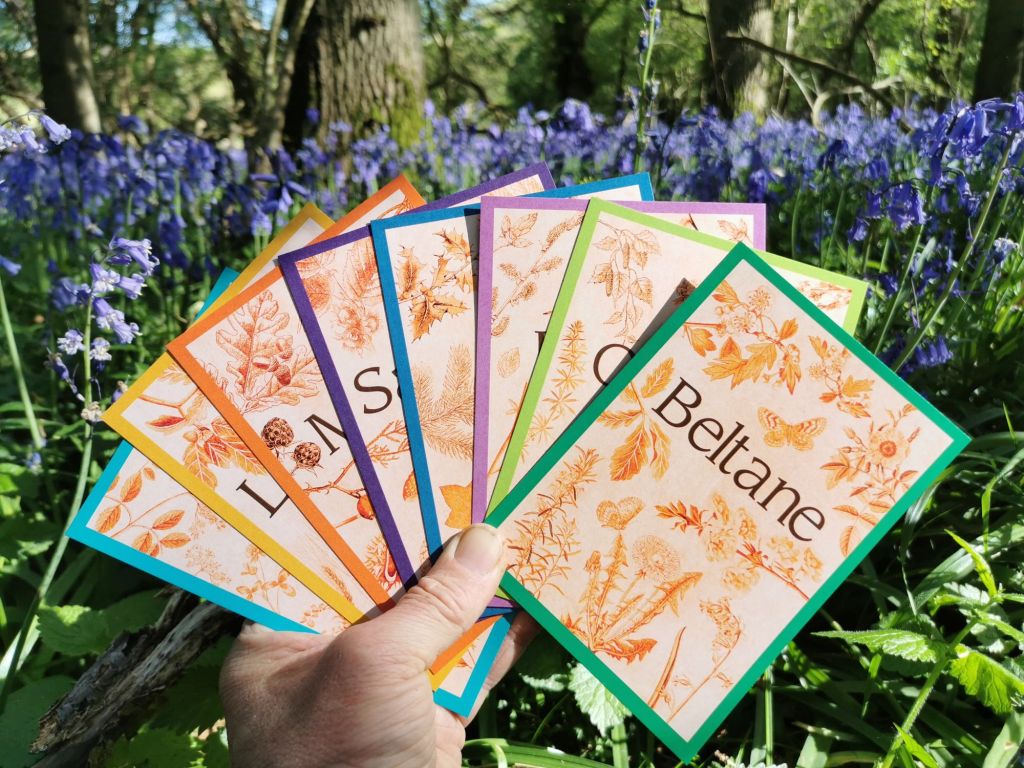
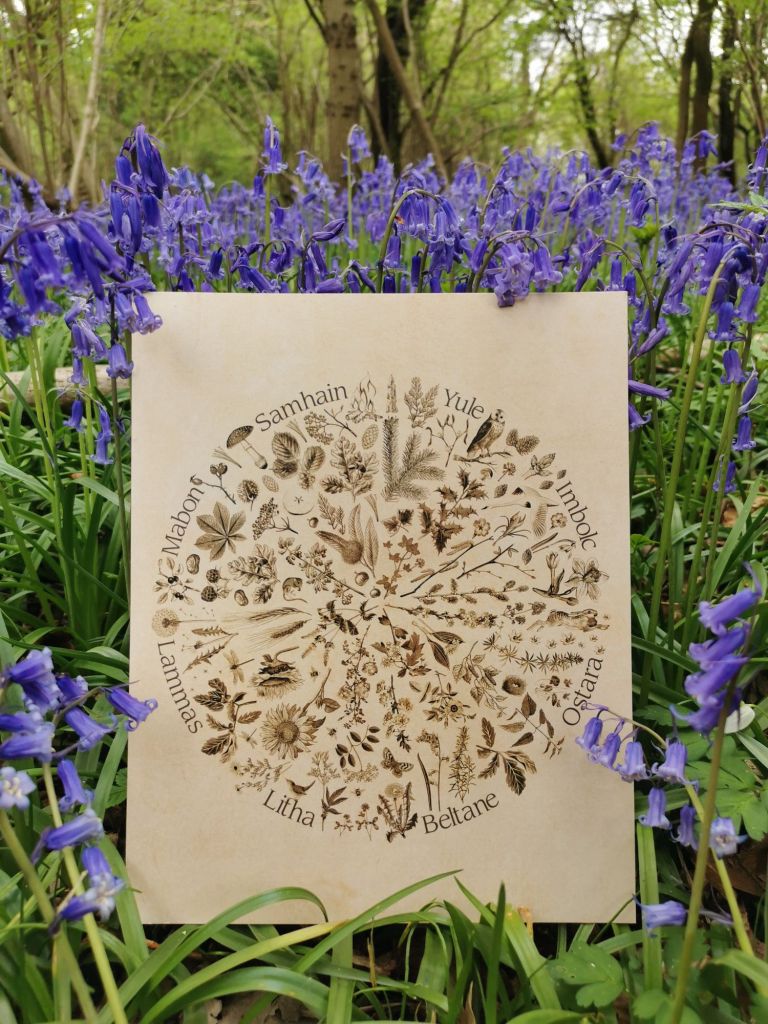
To celebrate the Equinox, there is also 20% off all of our prints and our Wheel of the Year card set until tomorrow.