Plants, Wheel of the Year

Plants of the Summer Solstice

Midsummer is a brilliant time to develop or deepen our own intuitive connection to the land around us. Spending more time out in nature gives us the opportunity to connect with the wild world. What do we notice around us? Do the colours or shapes of certain plants draw us in? Is there a tree that we just want to move closer to, sit beside or feel their bark or leaves? Notice the pulls and calls, and see where our attention is being drawn. The more present we are, the more we will begin to notice.

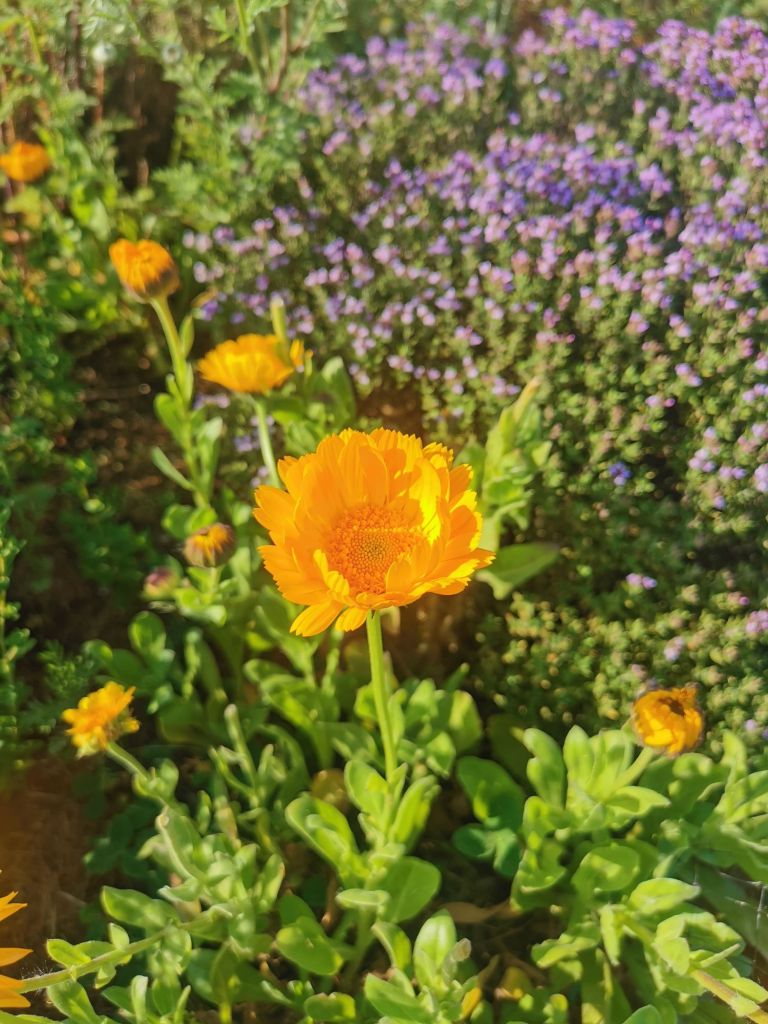
Calendula drawing me in on these Summer days

Keep a note of what draws you in, along with any feelings or words that stir when you spend time near certain plants or trees.


Plants of Litha

We are spoilt for choice at this time of year, when so many plants are at their most vital and abundant. I would encourage you to see what plants call to you at this time. If any stand out and are new to you, have a go at finding out more about them.

This year I am finding myself especially drawn to…

Calendula

This joyful beauty is so easy to grow. They are a fabulous companion plant in the garden attracting pollinators and are edible with a wealth of medicinal compounds. The more you pick, the more they grow and perhaps most importantly, they make me smile anytime that I step out the door.

Lavender

Lavender arrives at the height of Summer as if it knows we may be in need of its calming presence. Another wonderful herb for pollinators, I find it soothing to sit next to in the evenings, gathering a few stems for my evening brew or to hang by my bed.

Self Heal

I await the arrival of this wild plant every year. It can be found creeping low amongst the grass to escape the mower but grows tall and proud amongst the herb beds. A member of the mint family, Self Heal always draws me in, and I love adding it to my brews.

Rose

Beautiful Rose offers us a welcome reminder to ‘stop and smell the roses’, especially when we feel too busy to pause. Rose guides us in uniting strength and softness and asks us to consider what we need in order to bloom.


Summer Solstice and the Oak Tree

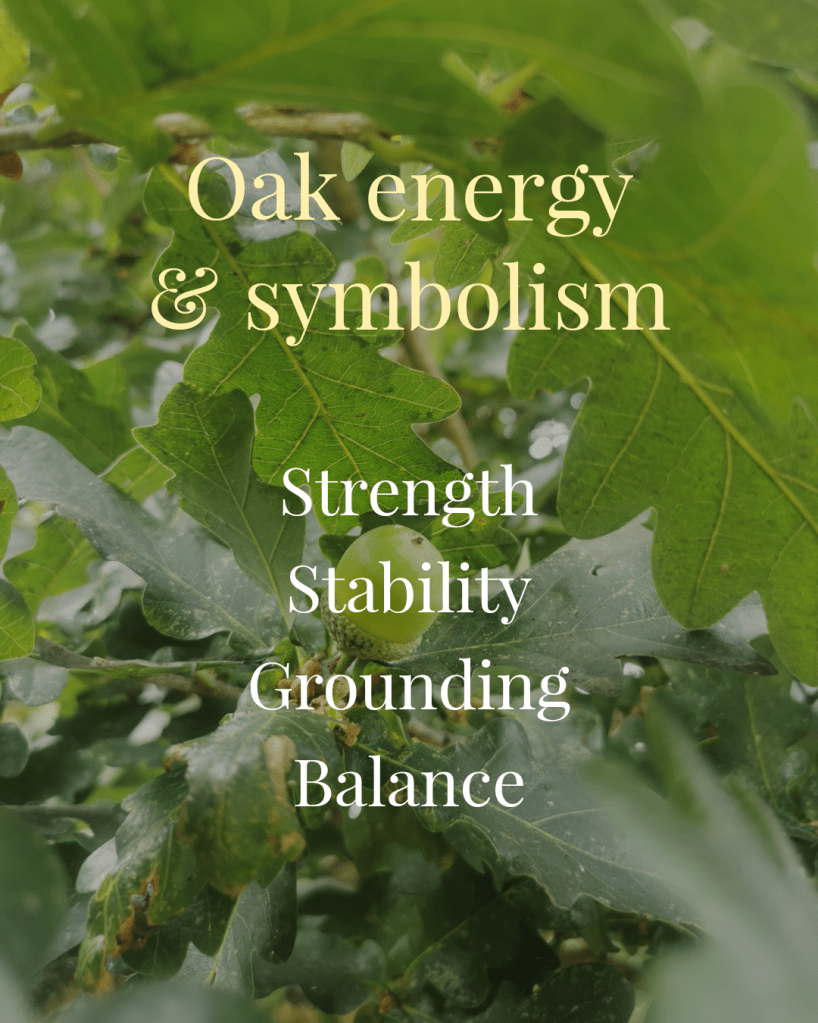
The tree most associated with Midsummer is the mighty Oak tree. Its broad canopy offers welcome respite from the heat. Acorns are beginning to grow now, and the tree feels in its element. If you haven’t already, you can read the folklore about the Oak King here.

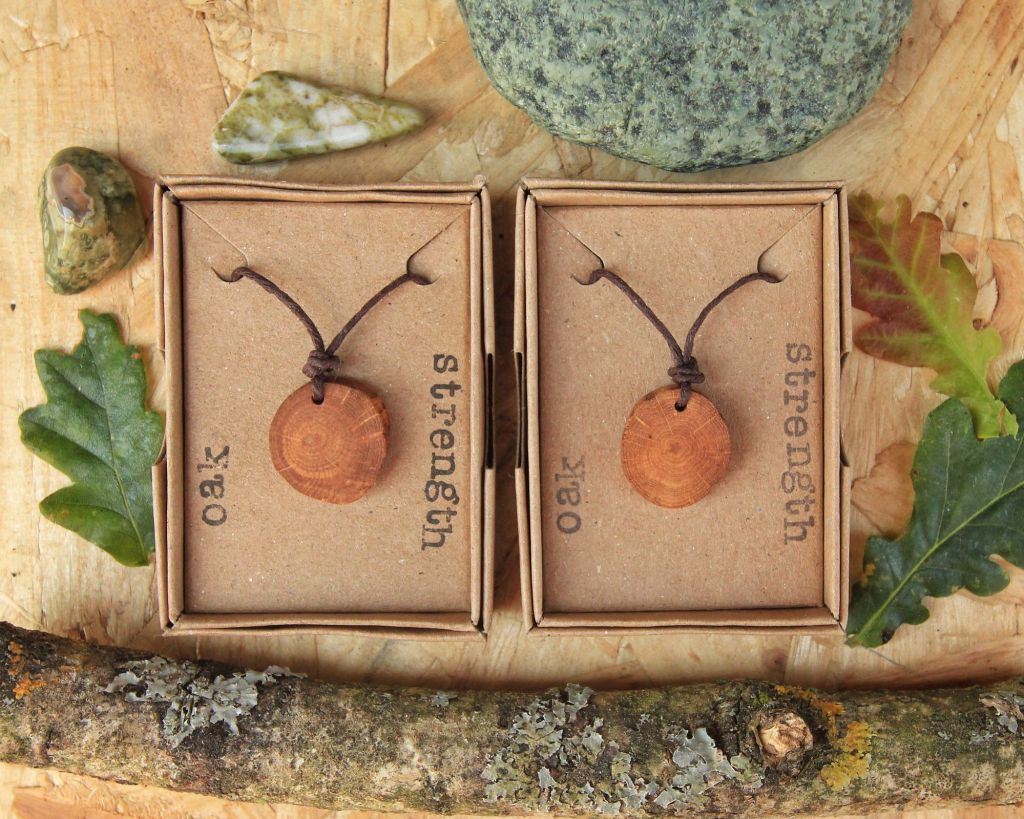
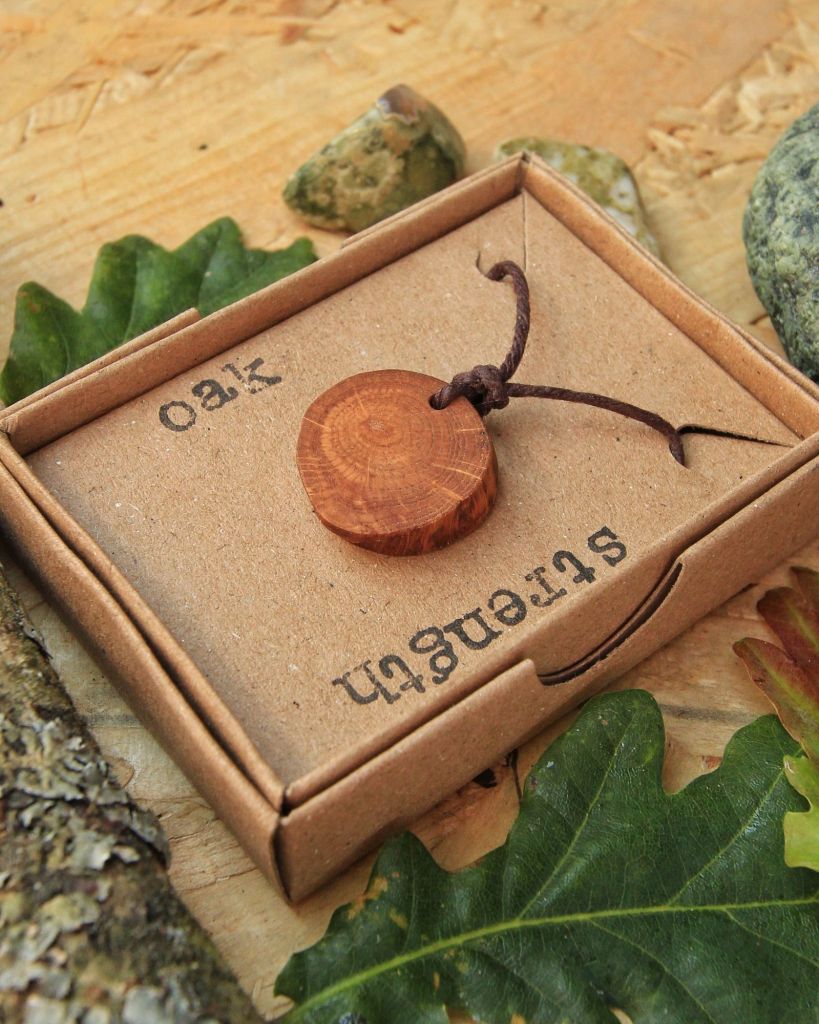
Oak pendants handcarved to order now

We are now making our Oak slice pendants to order. They have the most beautiful grain and embody the strength and grounding of the mighty Oak tree.


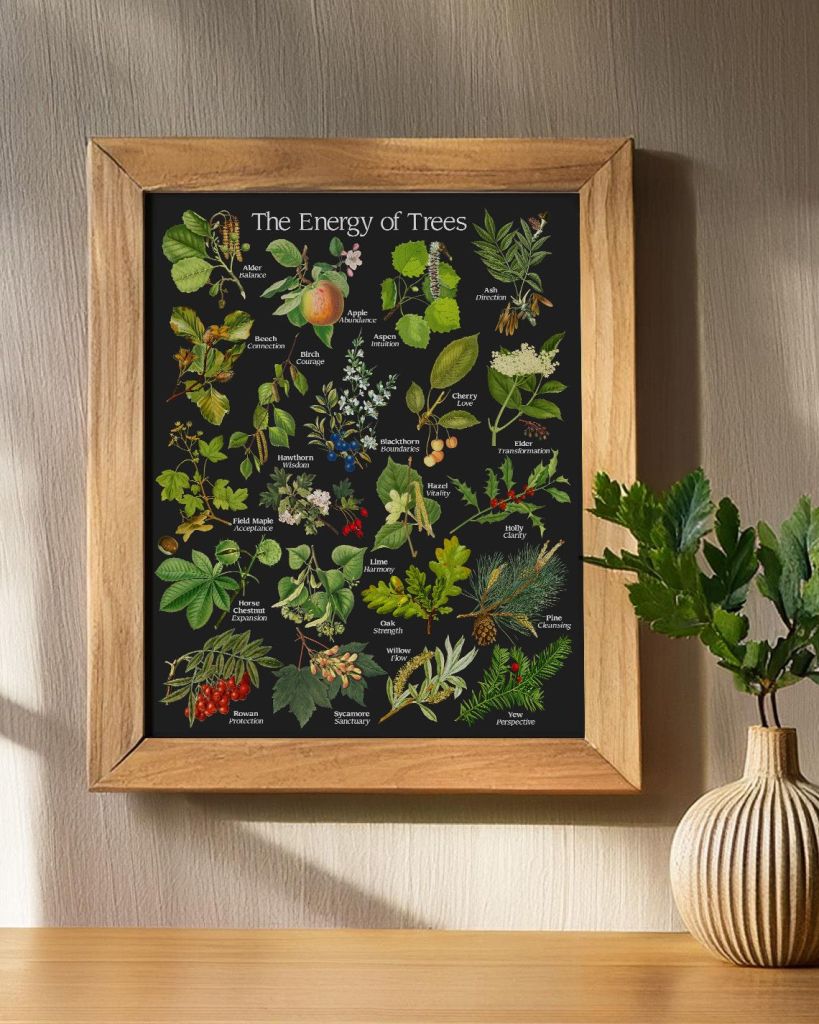
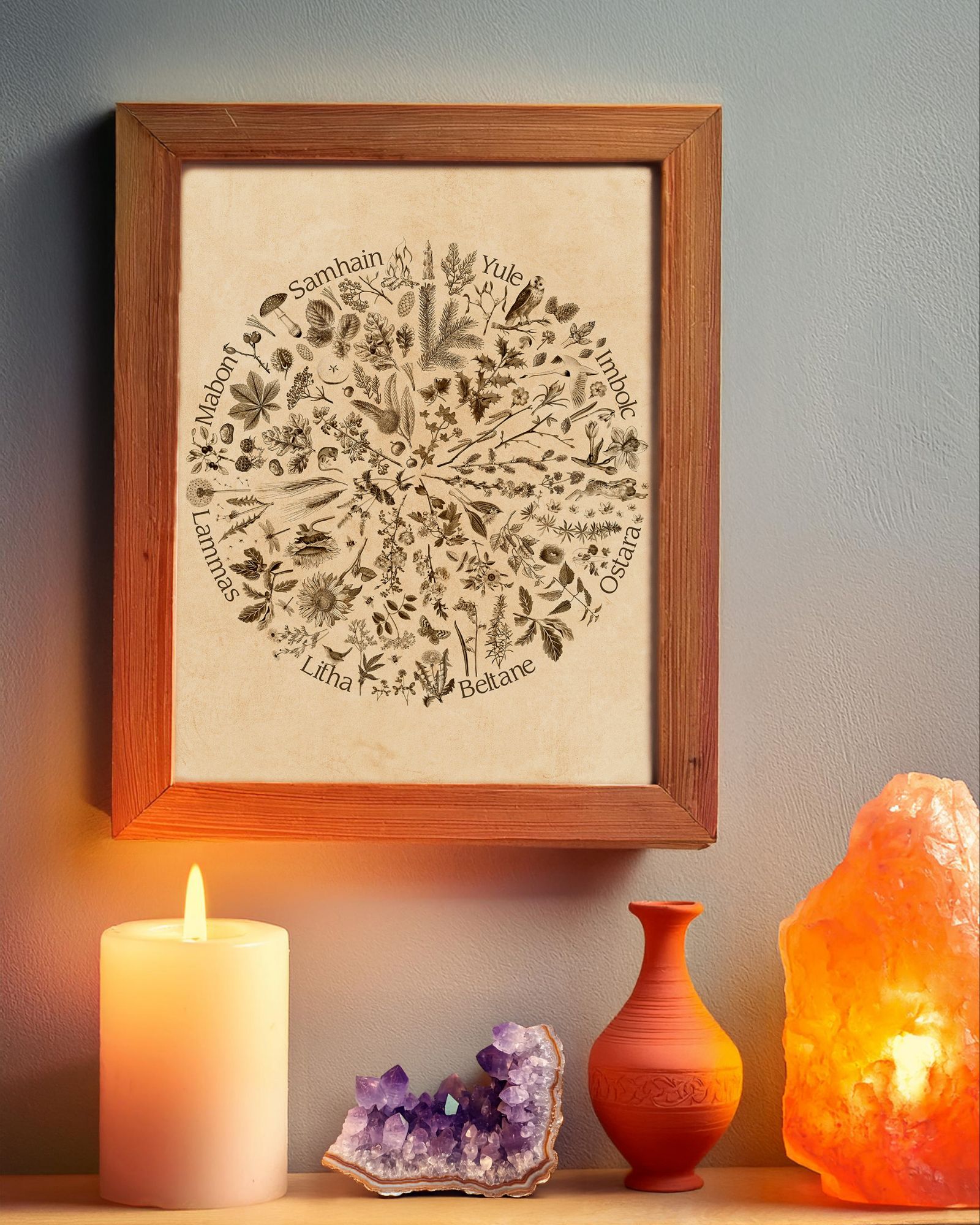
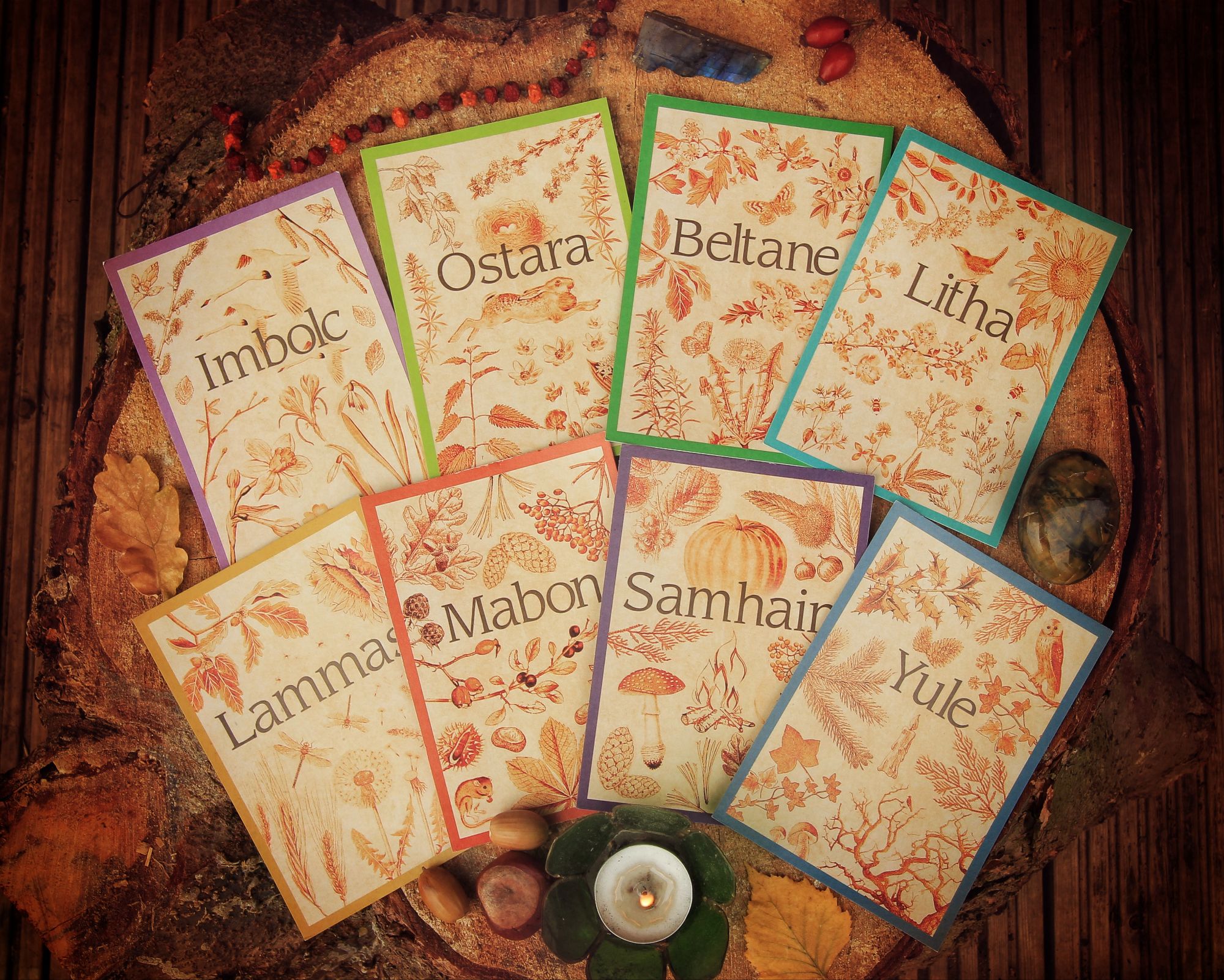
Just a reminder before I go that there is 20% off our prints and Wheel of the Year card deck this weekend

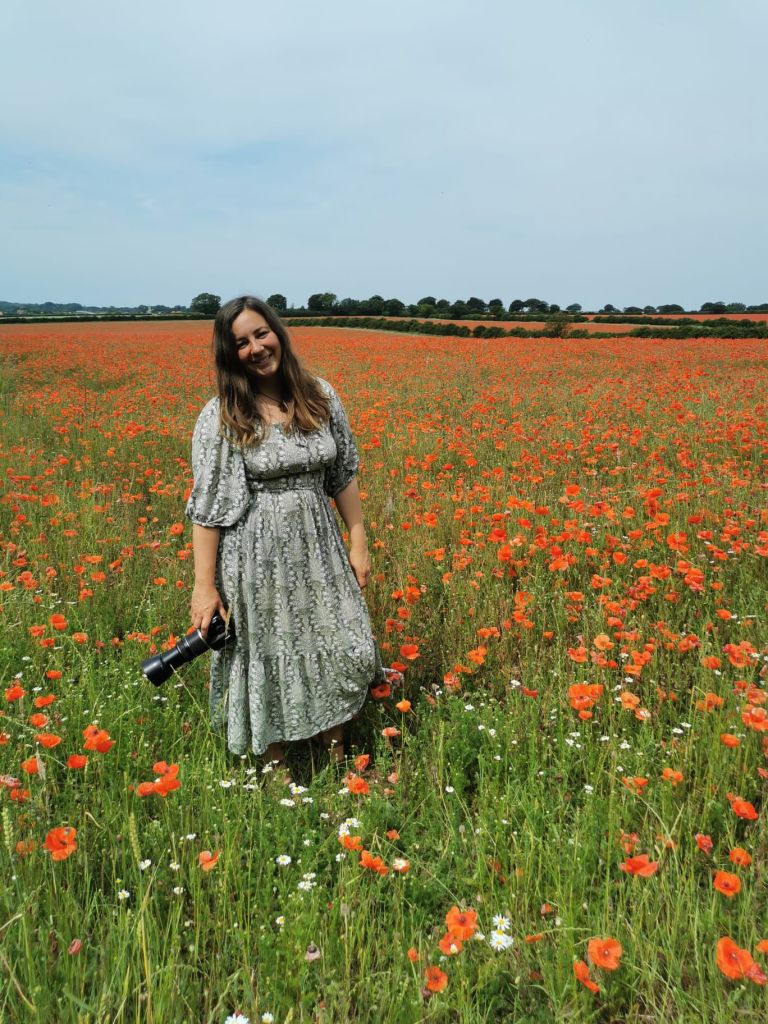
Wishing you all a little magic this Solstice. We are spending a couple of days around some of our favourite wildflower meadows. Look at this poppy field we came across!

Nic x


Plants, Wild Jewellery

Returning with a Spring in my Step & our Gorse Collection

Hello Wild Soul,

I hope you have had a chance to soak in some of the delicious sunshine that has shone down on us so far this month. It has certainly put a spring in my step! I have felt the urge for some spring clearing, garden pottering, and a little planning for the year ahead. Have you noticed any changes in your energy yet?

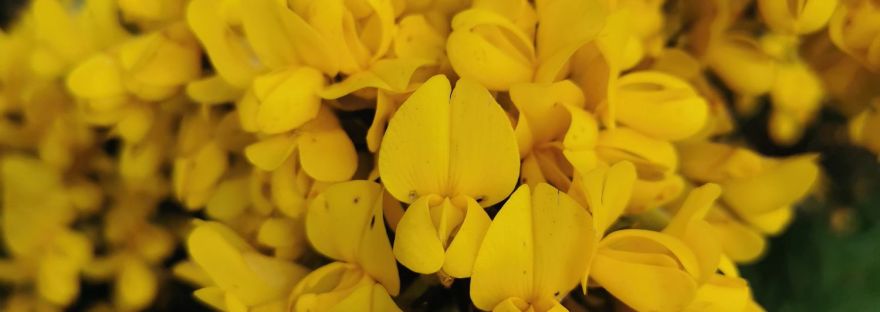
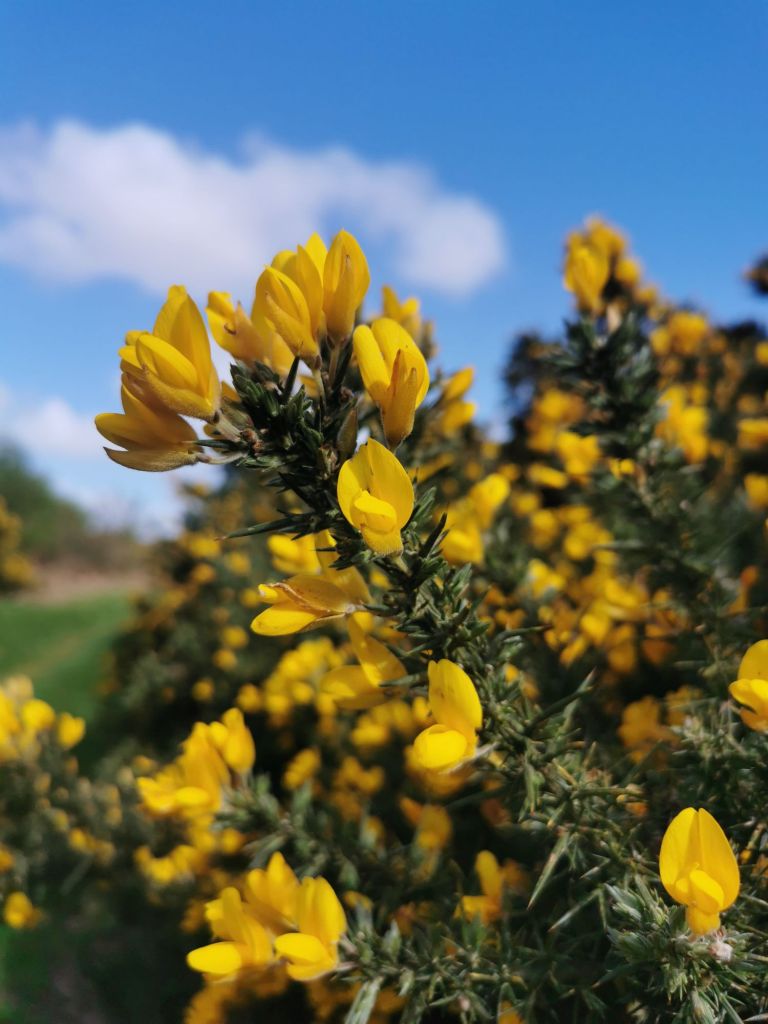
As soon as the sun shines, I have an overwhelming urge to visit the coast, which I did last week. Whilst there, coastal loving Gorse seemed to be in its element, blooming vibrantly against the blue sky.

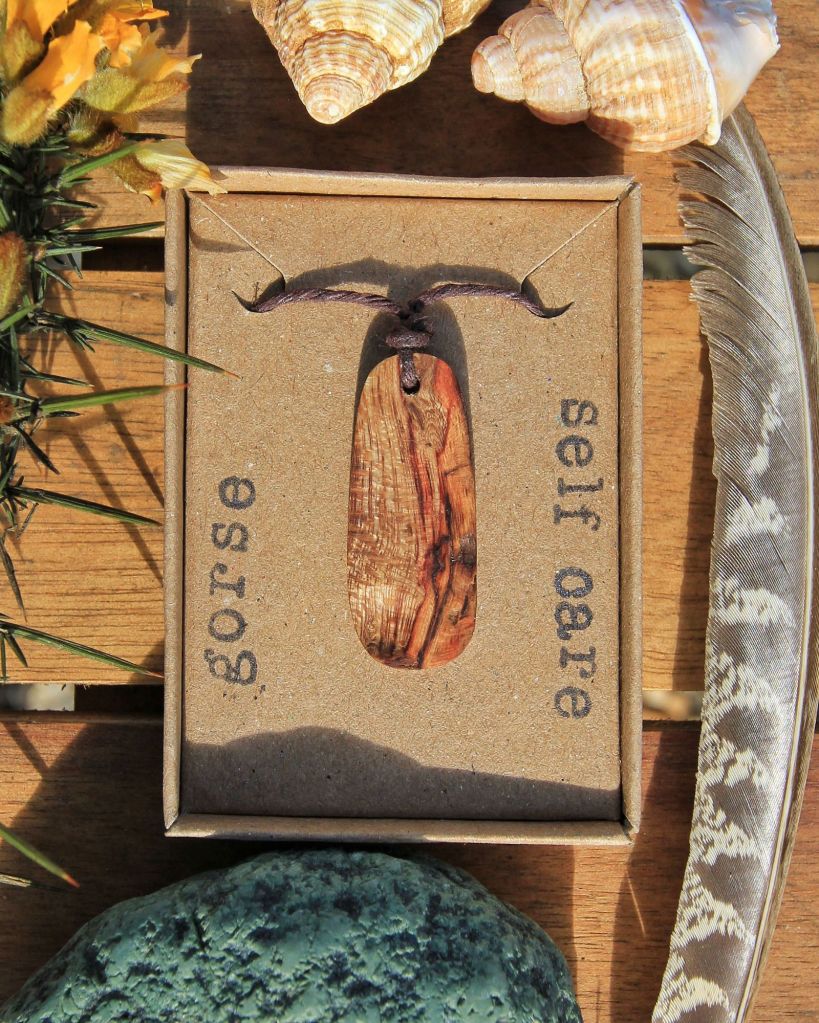
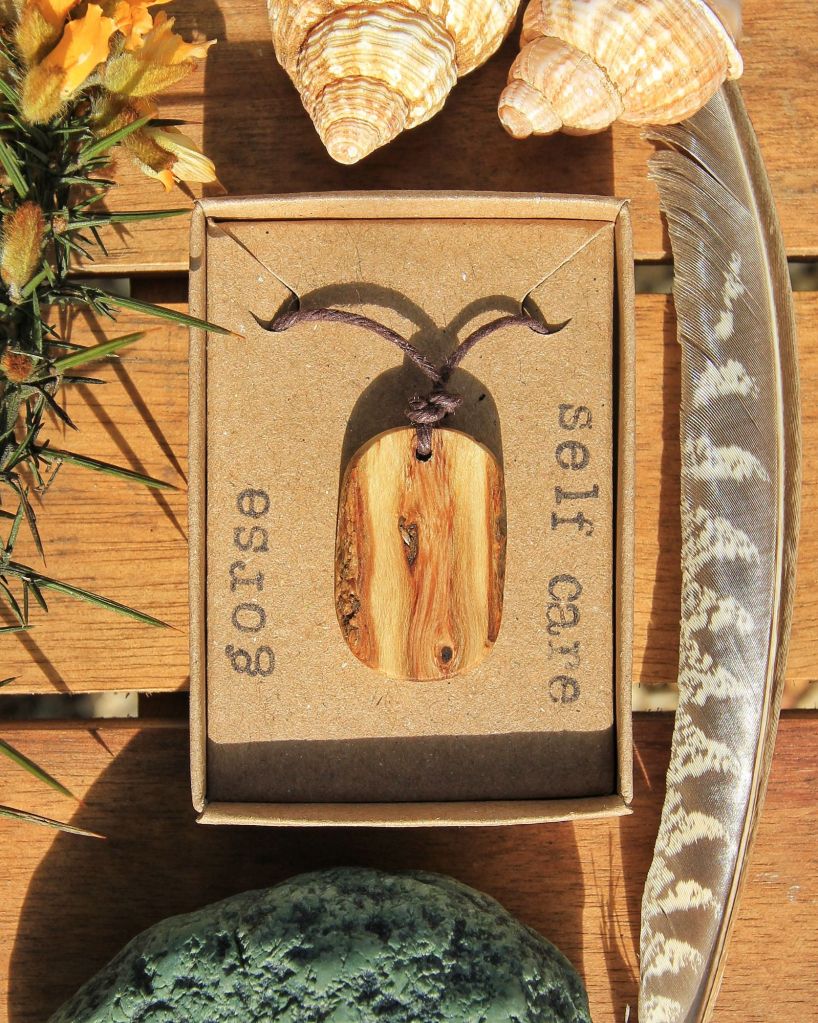
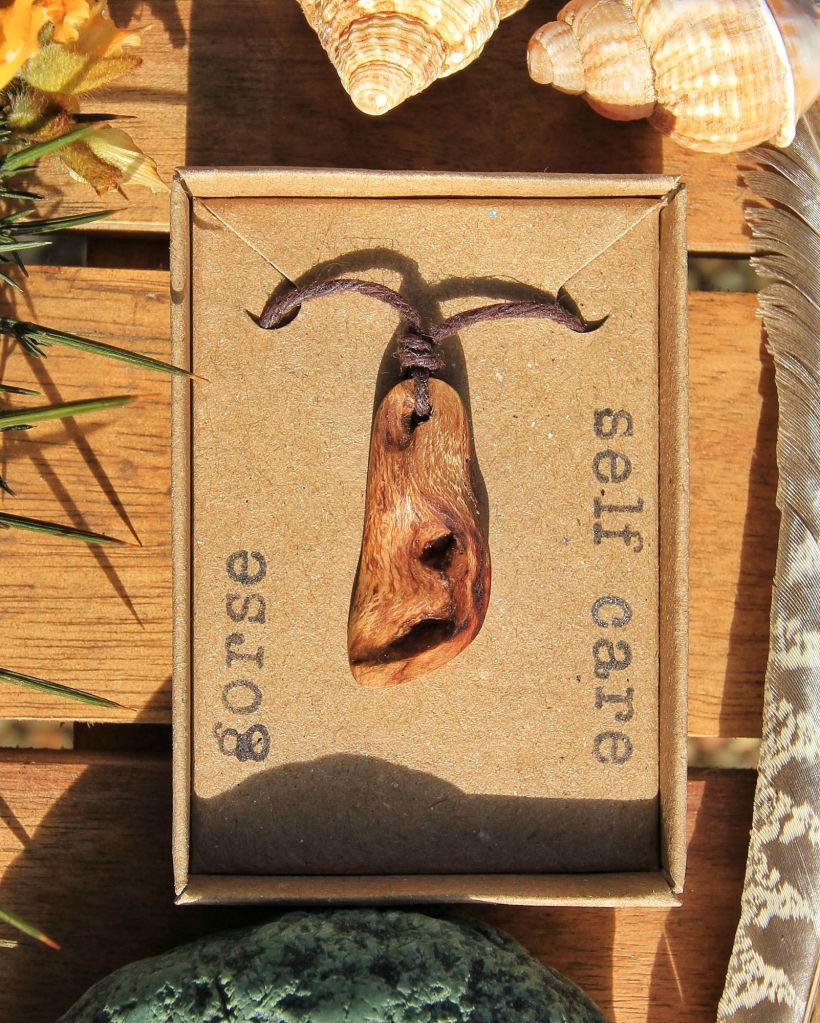
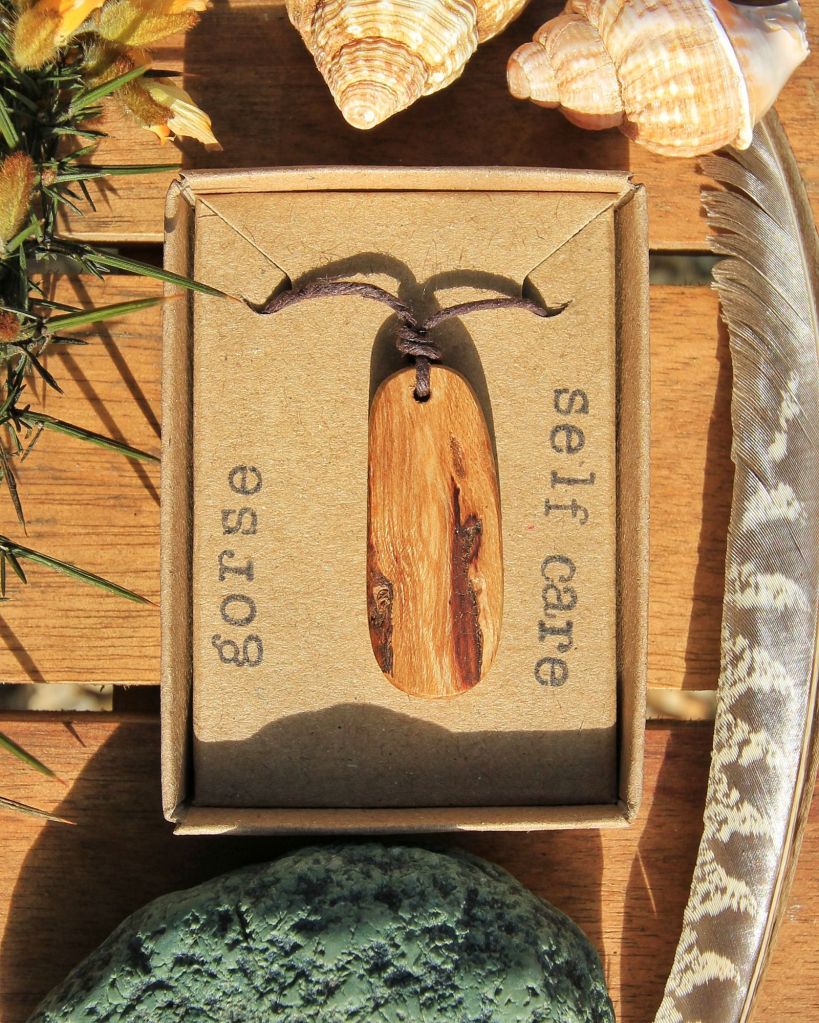
And so it is Gorse that has inspired our first Wild Jewellery collection of this year. In today’s post, I will be sharing more about this fascinating shrub, I will introduce you to our Gorse collection and let you know exactly when it will be in store, so let’s dive in…


Gorse is a resourceful, evergreen shrub that has developed many adaptations to help it to thrive. It produces nitrogen that enriches the soil around its own roots, so that it can grow in the places that other plants may struggle. Strong spikes protect Gorse so that it can bloom without restraint.

Gorse energy can guide us in learning how to nourish and protect our energy so that we may flourish. To me, Gorse is an advocate for an untamed life, and finding creative ways to thrive. What a wonderful wild guide as we move into spring.


Introducing our Gorse Collection

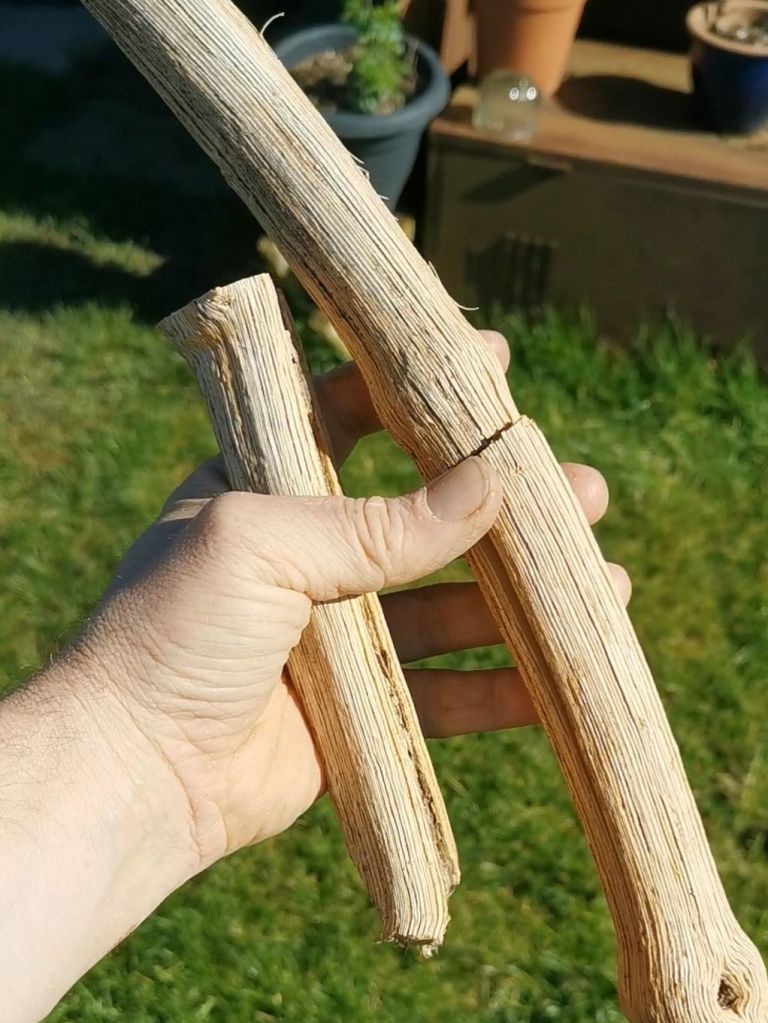
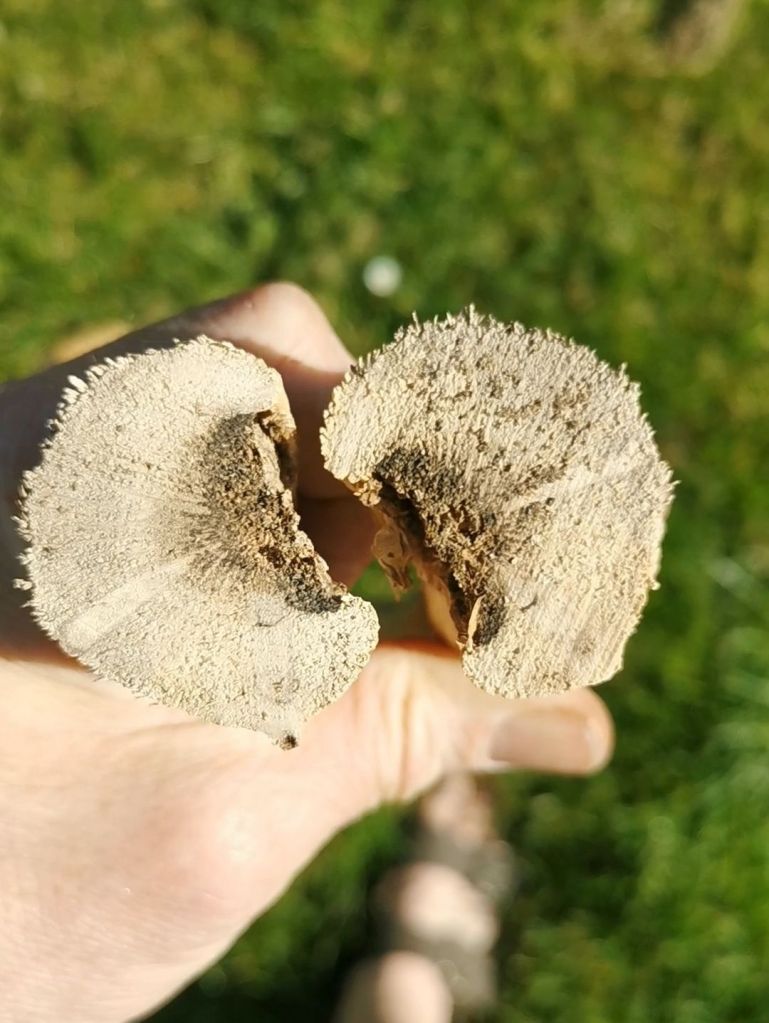
The overwhelming feeling we experienced from working with Gorse wood was ‘wild’ and ‘untamed’. It felt as though we were working with the wood to retain its own wild character, patterns and markings which shine through these unique pieces. We really hope you love them as much as we enjoyed creating them!


These pieces will be in store on Monday 17th March at 6pm alongside some other spring pieces. The link below will take you to our Etsy shop where you can add us to your favourite shops for updates.


We have really enjoyed hearing about your connections with Gorse over on Instagram this week. If you haven’t already, we would love you to come and join us there too. Let’s share and celebrate the beauty and magic of nature together. You can find us there by clicking the link below…


Further reading

As we approach the Spring Equinox in the Northern Hemisphere you may wish to catch up with some of our previous posts: ‘Ostara, Air and Smoke Cleansing‘ and Awakening with Ostara which includes my favourite journal prompt to work with at this time of year. You may also enjoy our Mindful Spring Practices too, especially helpful if you notice yourself becoming overwhelmed at this time of year.

In my next post, I will be sharing some of my favourite tree guides for the spring season, but until then…

Wishing you all a little spring sunshine this weekend,

Nic x
If you would like to join our mailing list and receive updates straight to your inbox, you can subscribe below:

Plants, Wheel of the Year

Imbolc is Coming

How are you, on these stormy January days?

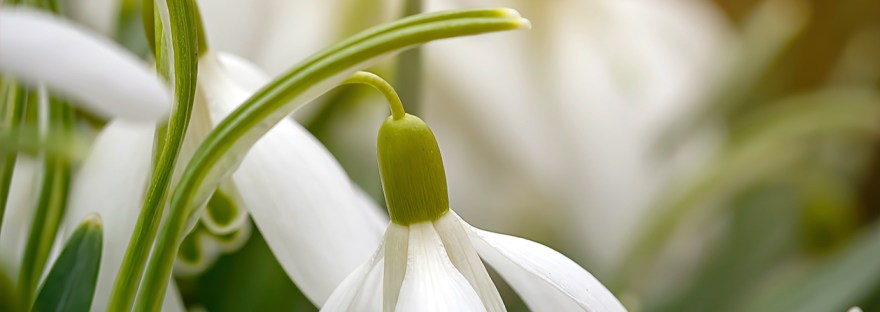
As the wheel of the year continues to turn, we head towards Imbolc, celebrated on and around the 1st of February. Imbolc is the mid point between the Winter Solstice (Yule) and the Spring Equinox (Ostara) and can be thought of as the birth of Spring. I love this time of year as I notice a little more light returning to the afternoons. The first flowers are pushing up through the dark earth, catkins are unravelling and there is even some warmth in the Sun on the odd day or two. The energy is beginning to quicken from one of hibernation and slumber to an unfurling, demonstrated wonderfully by the first brave snowdrops and the colourful hazel trees.

In today’s post I shall be sharing my favourite herb and tree to work with at this time of year, along with some simple rituals, so lets dive in!

Continue reading “Imbolc is Coming”
Plants

The Magick of Mallow

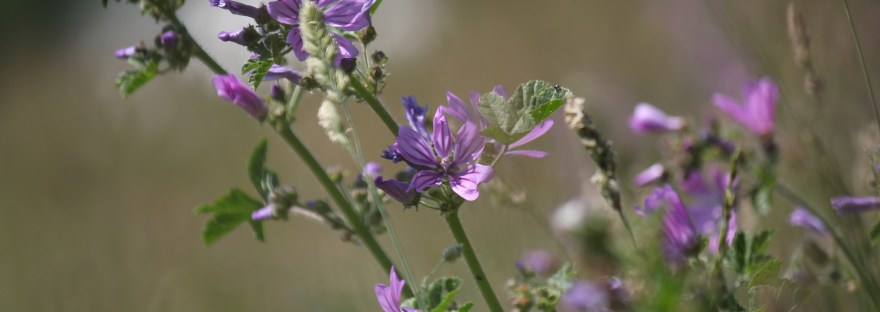
Common Mallow (Malva sylvestris) flowers abundantly throughout the Summer months, providing a vibrant nectar source alongside verges, hedgerows, wastelands and meadows.

It is a highly nutritious plant thought to have been brought to Britain by the Romans who admired its edible and medicinal qualities. The leaves, flowers and seeds are all edible and rich in vitamins and minerals.

The vibrancy of Mallow flowers always draw me in and spending just a few moments by her side guarantees a sight of a busy bee foraging its nectar.

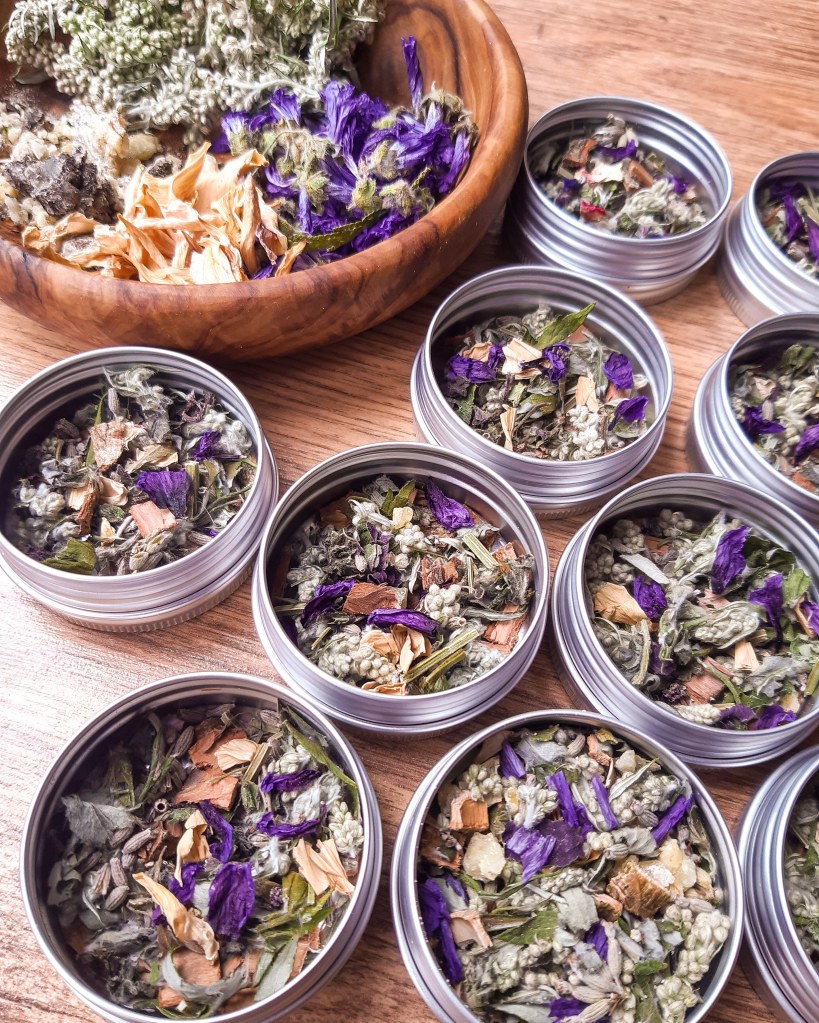
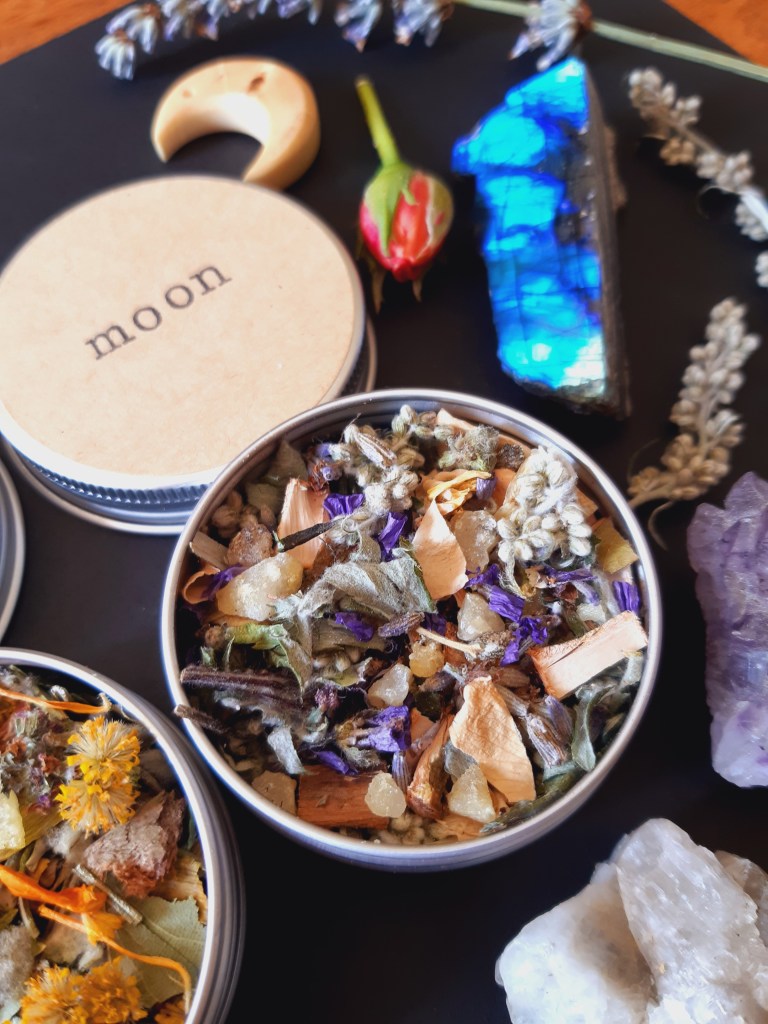
Mallow is a cooling, soothing plant associated with the moon and an important ingredient in our Moon Incense Blend.

We would love to hear how you like to work with Mallow, if at all. She seems especially abundant this year in the East of England!

Plants

Bay

Just like the other aromatic herbs that we have covered in our herb explorations so far, Bay (Laurus nobilis) not only enhances the flavour of our dishes but helps us to digest them. Culinary herbs, such as Sage, Rosemary, Thyme and Bay all have properties that help stimulate our digestion and helps calm the stomach, easing gas and cramps. These herbs, including Bay also help to ease symptoms of coughs and colds.

Continue reading “Bay”
Plants

Sage

Onto another aromatic herb native to the Mediterranean, and now commonly grown in the garden; common Sage. The name of this plant’s genus ‘Salvia’ comes from the Latin ‘Salvare’ meaning ‘to save, or to heal.’ The plant has long been used medicinally with examples from Ancient Greece and Rome and throughout the Middle Ages where it was commonly grown around monasteries for its healing properties.

Continue reading “Sage”
Plants

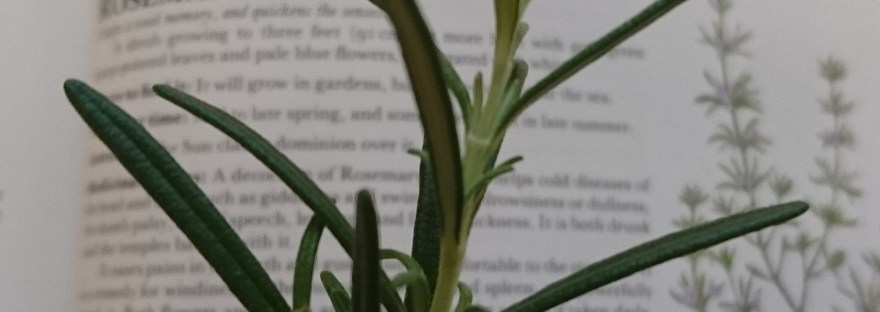
Rosemary

As another warming evergreen, Rosemary is a wonderful Winter ally and complements Thyme extremely well. Both of these herbs bring great benefits to our health, as well as attracting wildlife to our garden during Spring and Summer months.

The name Rosemary is derived from the Latin – Ros marinus meaning ‘dew of the sea‘ as it tends to grow in close proximity to the sea in its native area of the Mediterranean.

Continue reading “Rosemary”
Plants

Thyme for tea

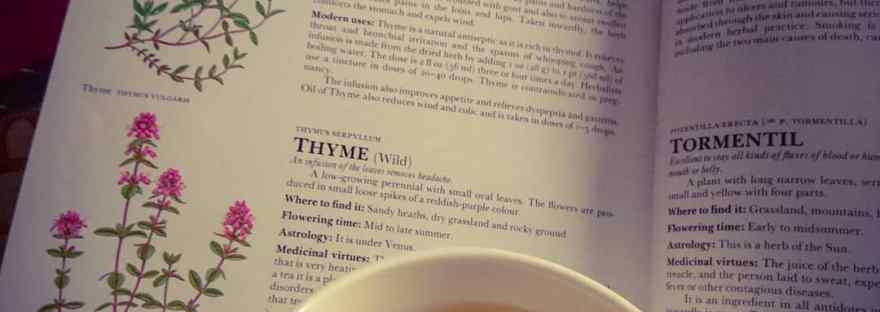
The Winter months can be a good time to really reconnect with some of our evergreen aromatic garden herbs. This month I have found myself particularly drawn to using Thyme, so thought it would be nice to begin a herbal journey focusing on it.

Thyme is thought to derive its name from the Greek words ‘thymos’ meaning strong and ‘thyein’ meaning to make a burnt offering, highlighting its ancient use as an incense.

Continue reading “Thyme for tea”
Plants

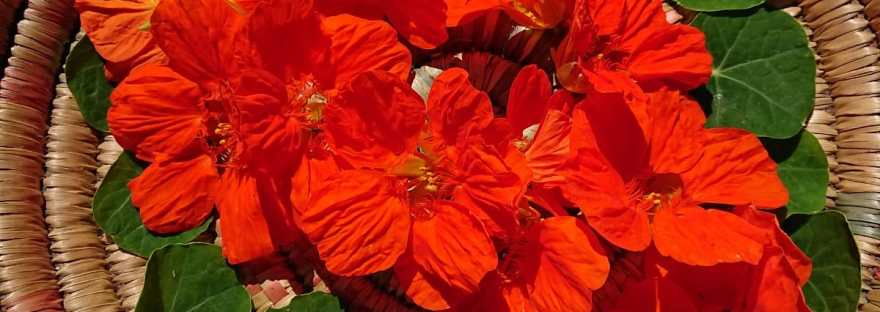
Nutritious Nasturtiums

We were gifted some lovely Nasturtium plants early in the season which we planted up in our herb garden. We are now greeted each morning with a wealth of the most vibrant orange flowers. Nasturtiums have been so easy to grow, requiring very little care. They are an excellent companion plant drawing aphids away from other more delicate plants.

Continue reading “Nutritious Nasturtiums”
Plants

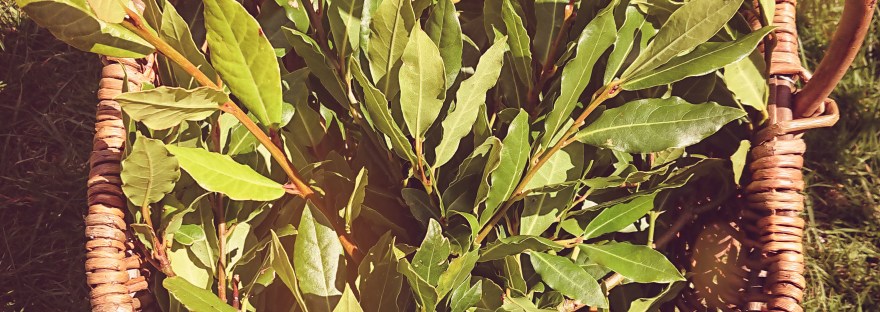
The benefits of Bay

We are lucky to have a huge supply of Bay in the garden thanks to a rather old and beloved Bay tree. I love adding the leaves to our herb bundles for burning.

Did you know that Bay leaves contain Linalool a compound known for its calming properties, also present in plants such as Lavender. Studies have shown that Linalool reduces elevated stress levels to almost normal conditions.

These lovely leaves also contain Eugenol which is known for its antiseptic, anti-inflammatory and pain relieving qualities. As mentioned in our previous post, burning is an effective way to release the therapeutic benefits of a plant into your environment.

You can find Bay in our best selling herbal garden smoulder sticks.