Trees

The Magic of Willow

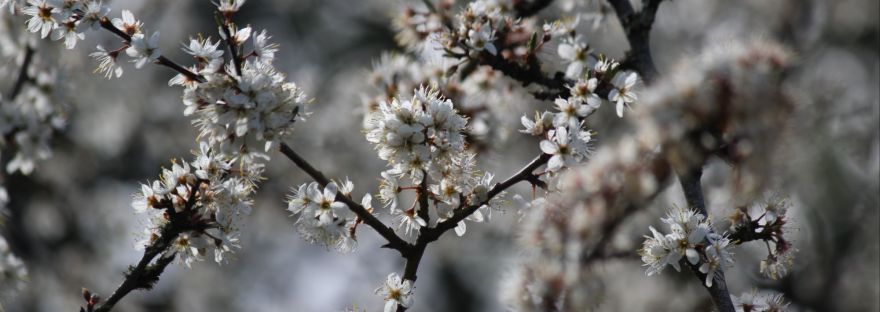
I feel very lucky to have received some wonderful books for my birthday this year including ‘Walking with Trees’ by Glennie Kindred (one of my favourite authors and nature connectors).

It has inspired me to form an even deeper connection with some of our lovely trees in Britain and I thought it might be nice to share some of my journeying here, starting with Willow a beloved tree all year round, but particularly special in Spring.

Continue reading “The Magic of Willow”
Plants

Bay

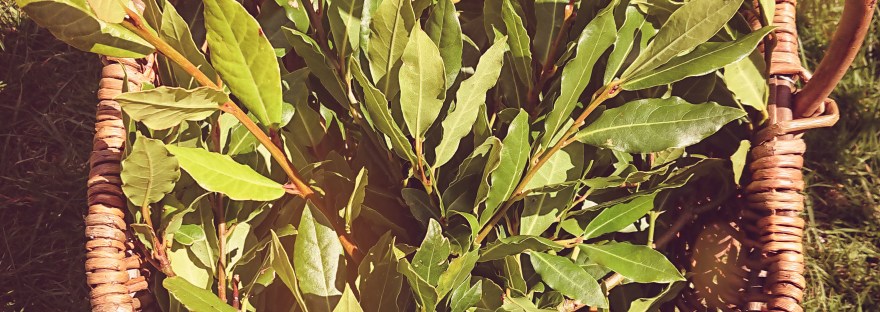
Just like the other aromatic herbs that we have covered in our herb explorations so far, Bay (Laurus nobilis) not only enhances the flavour of our dishes but helps us to digest them. Culinary herbs, such as Sage, Rosemary, Thyme and Bay all have properties that help stimulate our digestion and helps calm the stomach, easing gas and cramps. These herbs, including Bay also help to ease symptoms of coughs and colds.

Continue reading “Bay”
Wheel of the Year

A Guide to Imbolc

Traditionally celebrated at the beginning of February in the Northern Hemisphere, Imbolc marks late Winter, as the very first signs of Spring emerge. It falls midway between the Winter Solstice (Yule) and the Spring Equinox (Ostara).

At this time of year, the land is beginning to awaken from Winter’s slumber. Light is increasing, encouraging changes in the behaviour of our animal friends and we may notice our own energy changing too. Most growth is still occurring underground, but some little pioneer plants bloom first, signalling the quickening of the year.

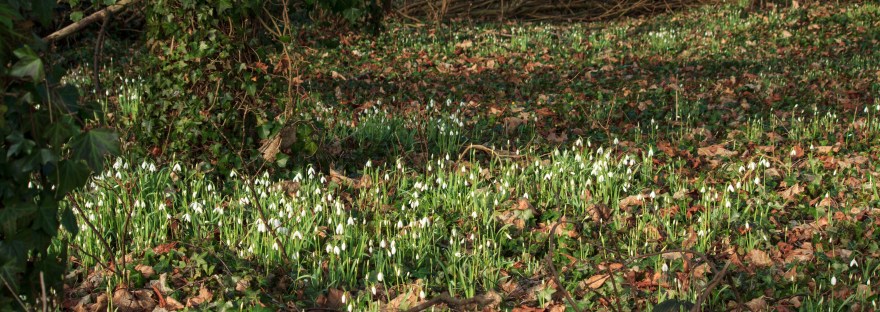
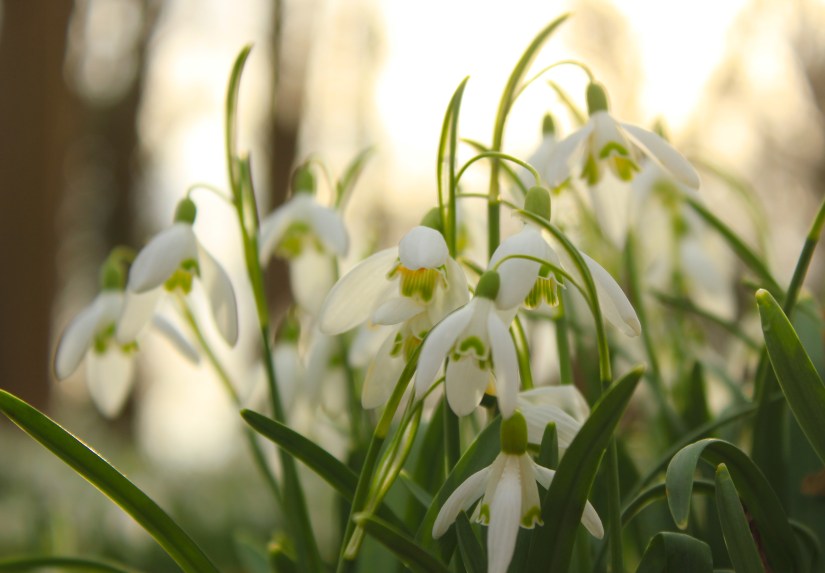
Snowdrops, a symbol of Imbolc
Continue reading “A Guide to Imbolc”
Plants

Sage

Onto another aromatic herb native to the Mediterranean, and now commonly grown in the garden; common Sage. The name of this plant’s genus ‘Salvia’ comes from the Latin ‘Salvare’ meaning ‘to save, or to heal.’ The plant has long been used medicinally with examples from Ancient Greece and Rome and throughout the Middle Ages where it was commonly grown around monasteries for its healing properties.

Continue reading “Sage”
Plants

Rosemary

As another warming evergreen, Rosemary is a wonderful Winter ally and complements Thyme extremely well. Both of these herbs bring great benefits to our health, as well as attracting wildlife to our garden during Spring and Summer months.

The name Rosemary is derived from the Latin – Ros marinus meaning ‘dew of the sea‘ as it tends to grow in close proximity to the sea in its native area of the Mediterranean.

Continue reading “Rosemary”
Plants

Thyme for tea

The Winter months can be a good time to really reconnect with some of our evergreen aromatic garden herbs. This month I have found myself particularly drawn to using Thyme, so thought it would be nice to begin a herbal journey focusing on it.

Thyme is thought to derive its name from the Greek words ‘thymos’ meaning strong and ‘thyein’ meaning to make a burnt offering, highlighting its ancient use as an incense.

Continue reading “Thyme for tea”
Wellbeing

Earthing

Earthing or grounding refers to making bodily contact with the earth through walking bare foot or sitting on the ground.

A recent review highlights the impact of earthing on our health concluding that ‘bodily contact with the Earth’s natural electrical charge stabilizes the physiology at the deepest levels, reduces inflammation, pain and stress, improves blood flow, energy and sleep and generates greater wellbeing.’

Continue reading “Earthing”