Trees

The Magic of Hawthorn

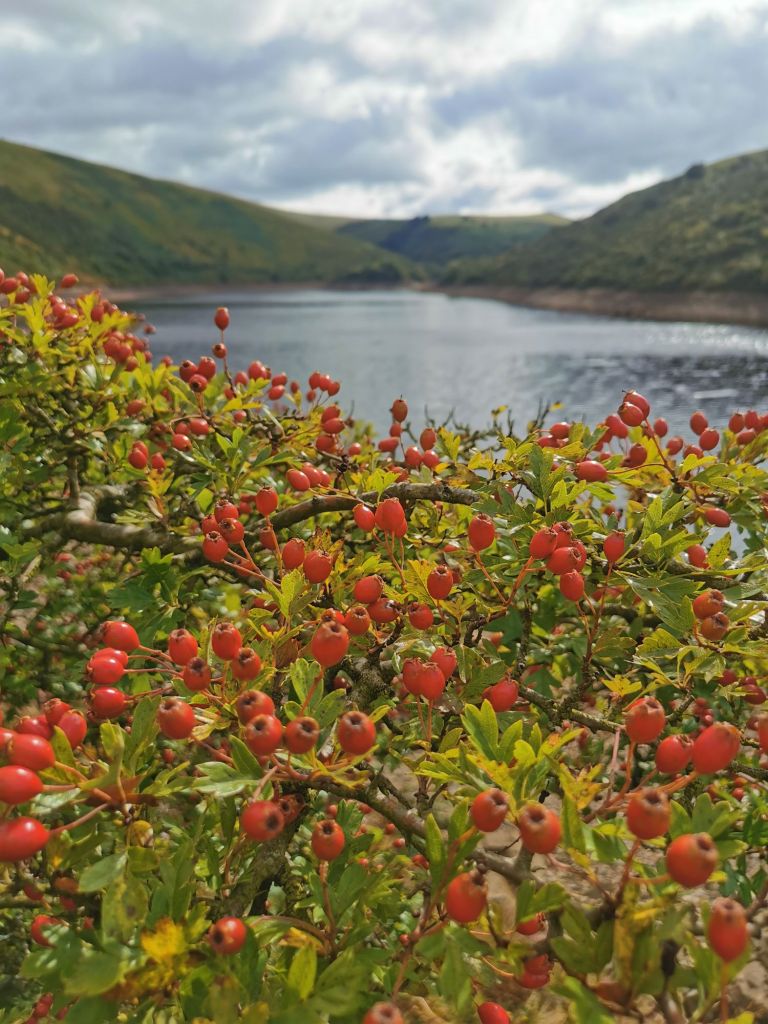
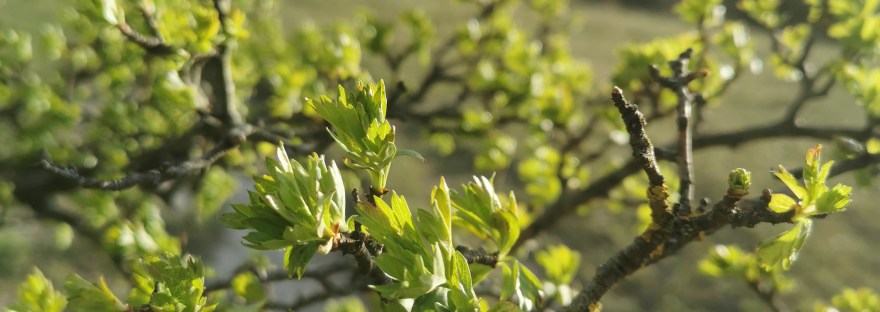
The Hawthorn (Crataegus monogyna) is one of our most wild and magical native trees. Steeped in folklore and ancient tradition, they can live for up to 700 years.

It was once customary to plant one in every garden, and to this day, they can often be found marking many ancient sites and boundaries. They are a fundamental component of the British countryside, forming up to 70% of hedgerows. They support a plethora of wildlife, providing food and shelter to over 300 species of insects, dormice and other small mammals and many birds, including migrating species over the winter who feast on their berries.

They also play an important role in the wider landscape, storing carbon, improving and stabilising the soil and act as a windbreak, barrier and boundary.

Come May the hedgerows are an abundant mass of creamy Hawthorn blossom earning them the name ‘May tree’ as they flower just in time for Beltane – the festival of Nature’s abundance and fertility. They have long been central to ancient earth celebrations around this time of the year, and were seen as a symbol of fertility and a marker for the start of Summer.

Continue reading “The Magic of Hawthorn”
Wheel of the Year

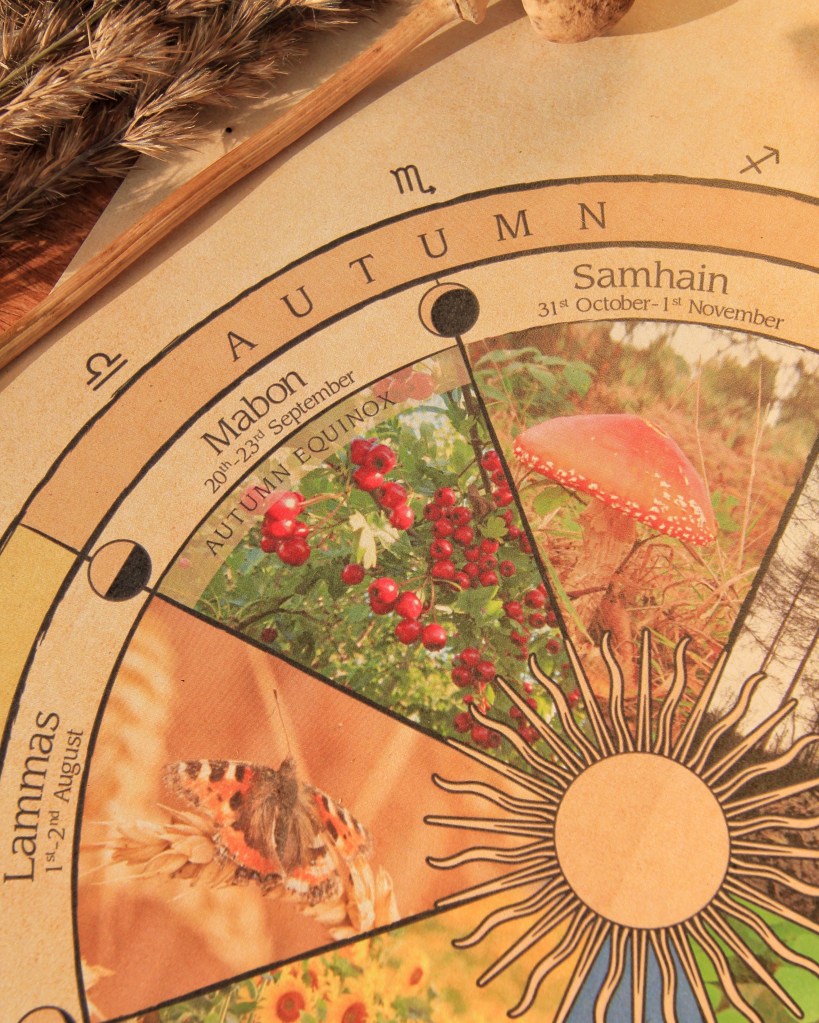
A Guide to Mabon – the Autumn Equniox

Autumn Equinox, falls between September 20th and 23rd in the Northern Hemisphere. At this point each year, day and night length reaches equal balance once more as we pass through the doorway to the dark half of the year. After this point, the balance tips as hours of darkness increase and day length shortens. This heralds a time to begin slowing down, give thanks for what we harvest, release the old and turn our gaze inwards.

Continue reading “A Guide to Mabon – the Autumn Equniox”
Wheel of the Year

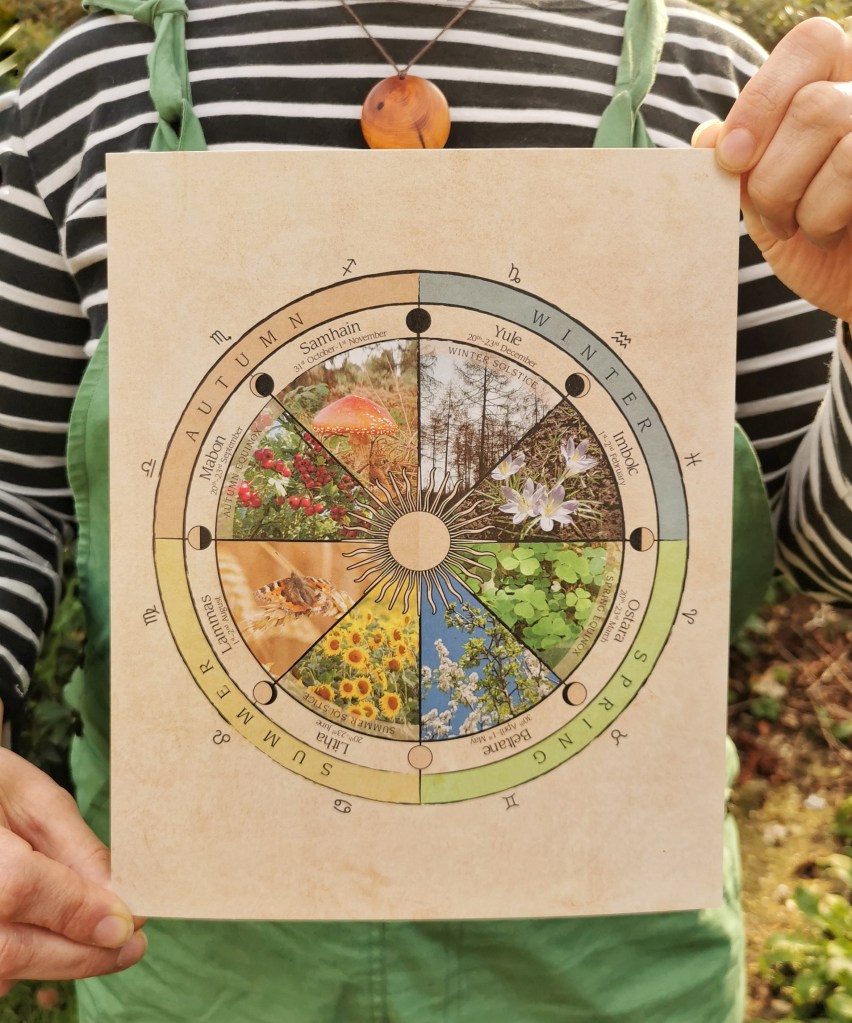
The Wheel of the Year

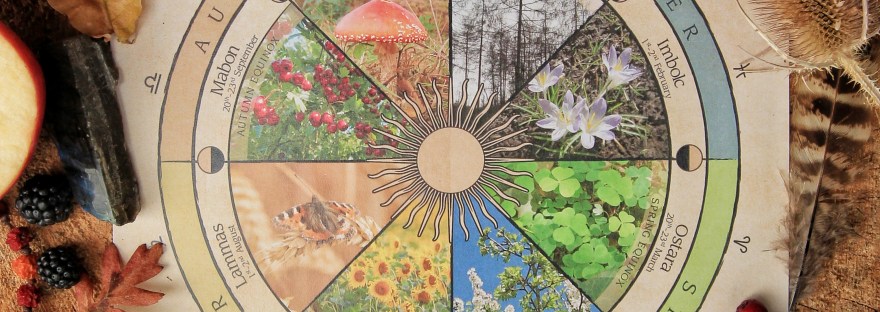
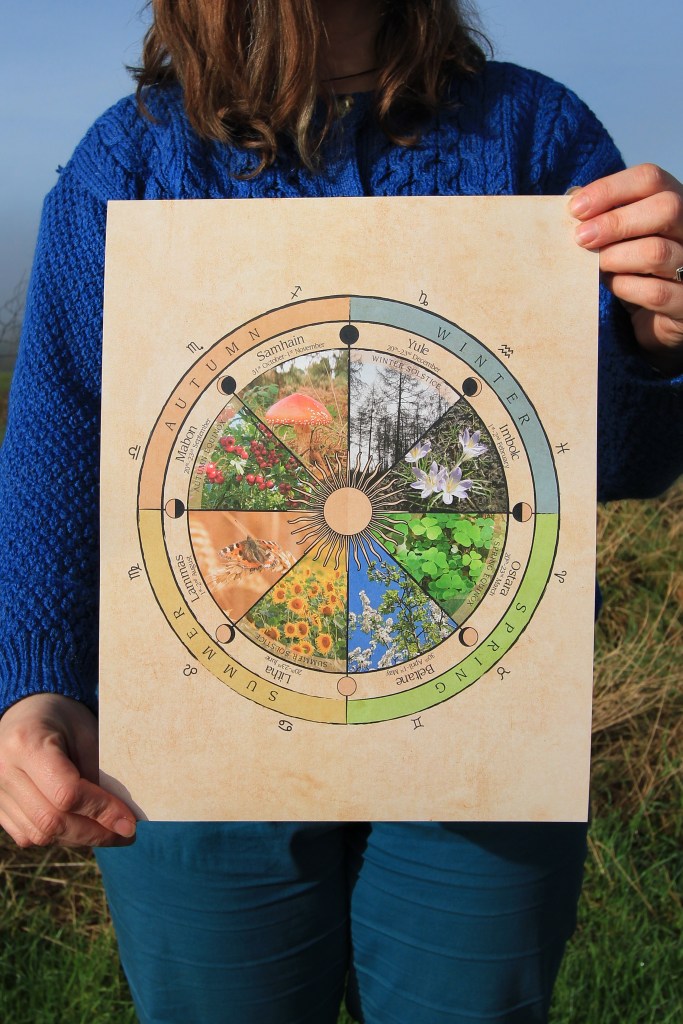
The wheel of the year is an ancient way of marking the changing energy of the Earth throughout the yearly cycle. The wheel consists of 8 seasonal celebrations or marker points, that fall every 6 – 8 weeks.

These can be further divided into 4 solar festivals that follow the Sun’s rise and fall throughout the year. With daylight reaching its height at the Summer Solstice (Litha), its lowest at the Winter Solstice (Yule) and reaching an equal balance with night length at the Spring Equinox (Ostara) and Autumn Equinox (Mabon).

In-between each solar festival is a seasonal festival (or cross quarter point) connected with seasonal and agricultural changes. Imbolc marks the height of Winter where the first signs of Spring begin to appear, Beltane the height of Spring and birth of Summer, Lammas the height of Summer and birth of Autumn and Samhain the height of Autumn and birth of Winter.

The celebrations can be thought of as natural points throughout the year where we can stop and observe what is going on in the outer world as well as our inner worlds. A moment to reflect on how things currently are, how they have been over the last season and how we would like to move ahead into the new one.

My most precious insight from observing the wheel of the year is the element of change within it. Light and dark, growth and decay, beginnings and endings. In the modern world we are often expected to be as productive and efficient no matter the season. A striving towards a fixed state of happiness, vibrancy and certainty that isn’t present in the natural world, certainly not all year round.

Connecting with the energy and changes in the natural world, can help us to reflect on our own energy throughout the seasons which may naturally rise and fall. It can help us appreciate the change and flow of nature and learn to welcome and embrace these qualities in our own lives.

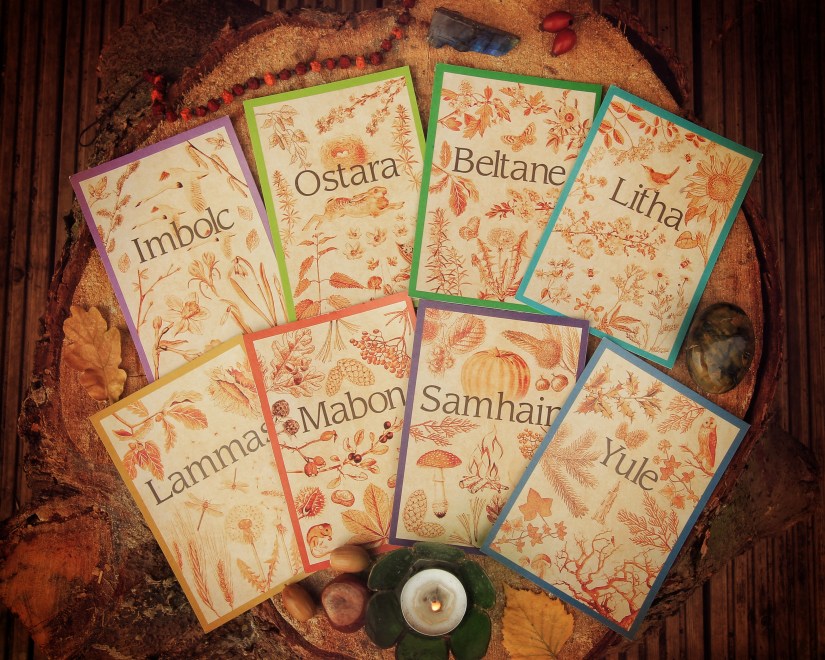
We have created 2 prints to celebrate the Wheel of the Year and a Seasonal Reflection card set aimed to support you in connecting with the energy of each festival, available now in our Etsy store.

Find our Wheel of the Year guides here: