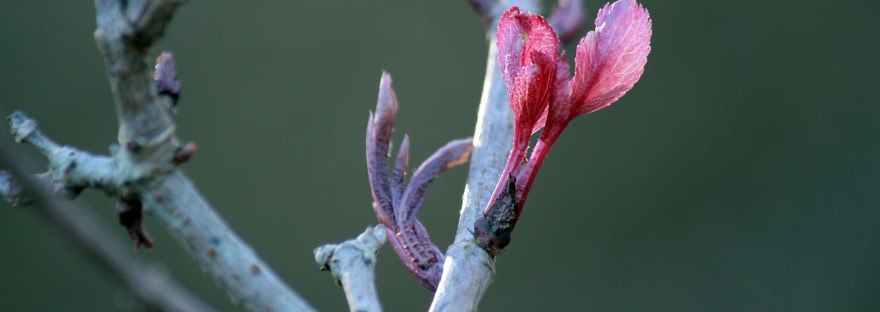
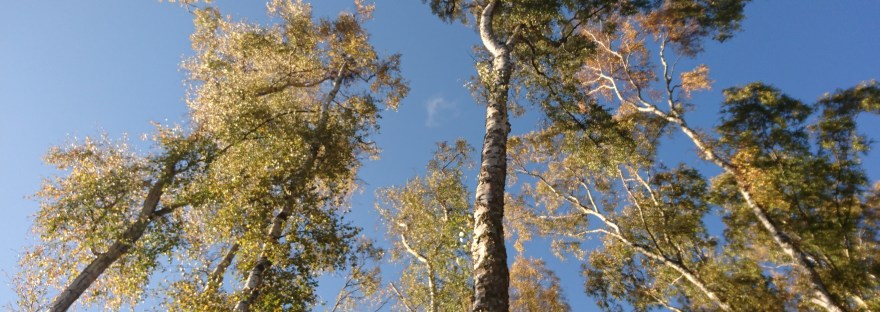
The majestic Beech tree is a joy to witness and spend time with at any time of year. In Autumn she stands ablaze with her fiery orange crown, cloaking the forest floor beneath her with smooth, rusty leaves. Winter is a time to admire her smooth, grey bark before she unfurls her heart nurturing, protective green canopy in the Spring.
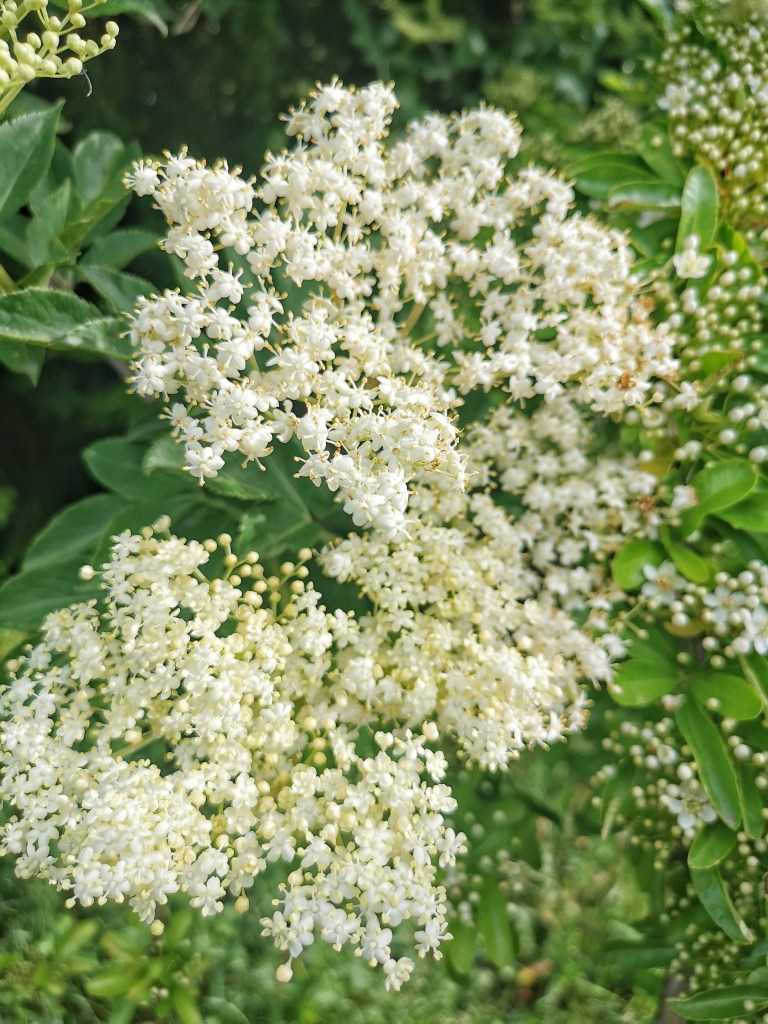
As I write this at the beginning of June, Elder trees are amass with creamy white blossoms that fill hedgerows and paths with their delicate scent and rich abundance. I love this time of year, gathering a couple of flower heads along my walks, returning to enjoy a daily Elderflower Brew.
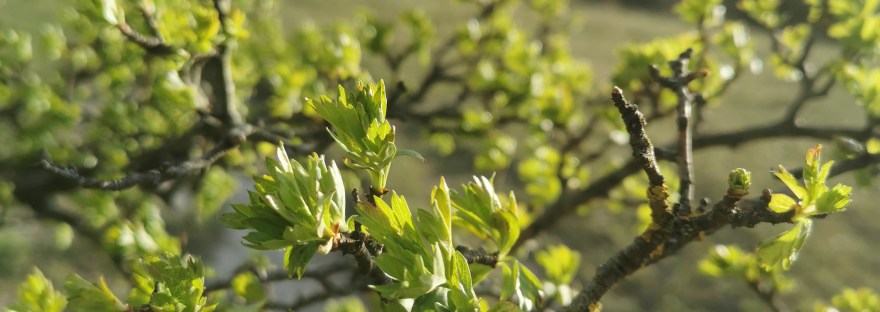
The Hawthorn (Crataegus monogyna) is one of our most wild and magical native trees. Steeped in folklore and ancient tradition, they can live for up to 700 years.
It was once customary to plant one in every garden, and to this day, they can often be found marking many ancient sites and boundaries. They are a fundamental component of the British countryside, forming up to 70% of hedgerows. They support a plethora of wildlife, providing food and shelter to over 300 species of insects, dormice and other small mammals and many birds, including migrating species over the winter who feast on their berries.
They also play an important role in the wider landscape, storing carbon, improving and stabilising the soil and act as a windbreak, barrier and boundary.
Come May the hedgerows are an abundant mass of creamy Hawthorn blossom earning them the name ‘May tree’ as they flower just in time for Beltane – the festival of Nature’s abundance and fertility. They have long been central to ancient earth celebrations around this time of the year, and were seen as a symbol of fertility and a marker for the start of Summer.
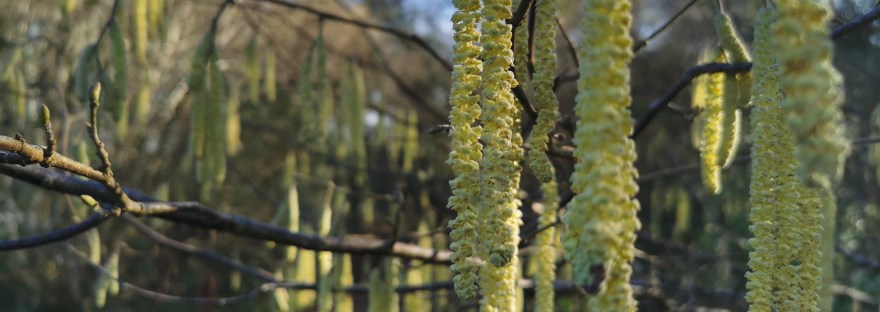
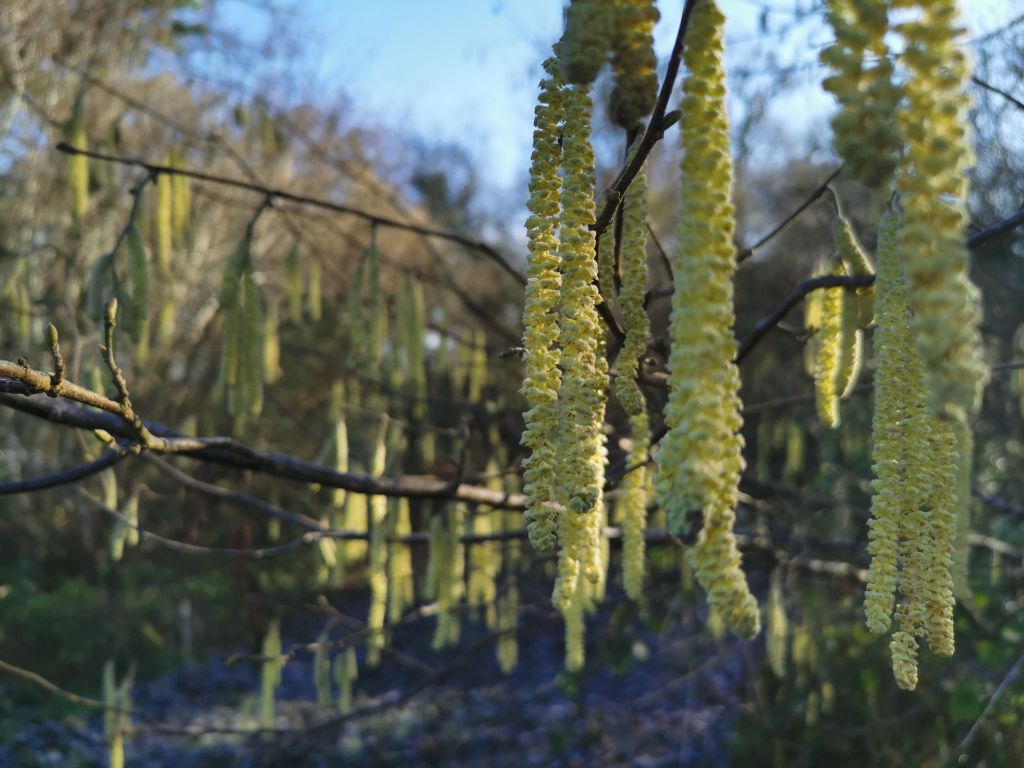
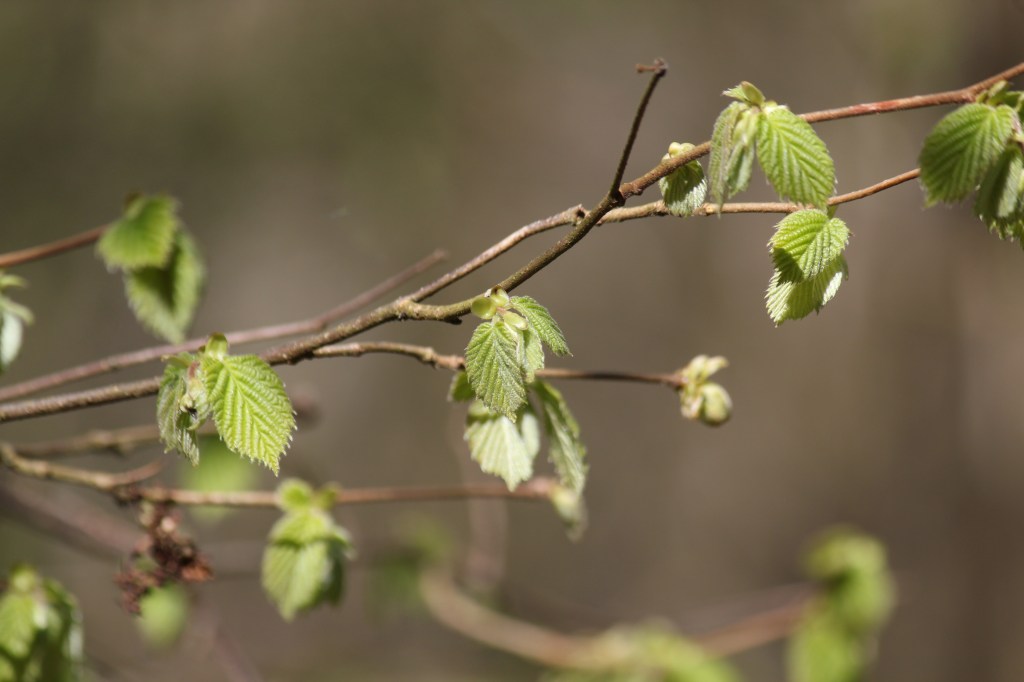
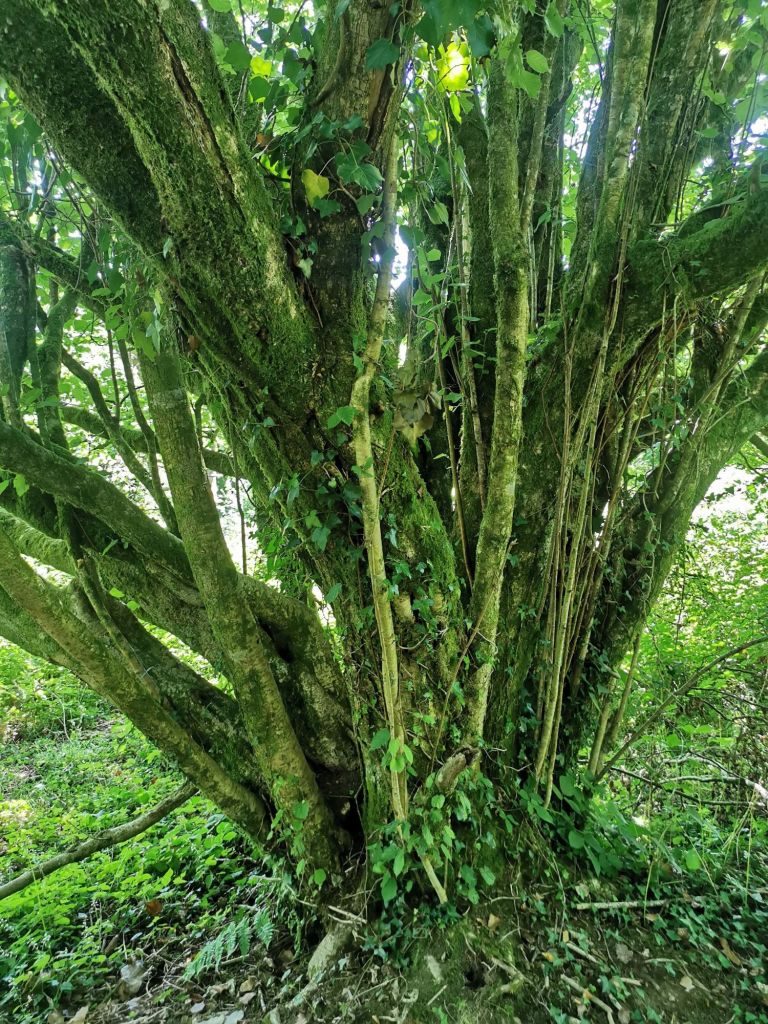
Hazel trees (Corylus avellana) along with Willow and Elder are associated with the festival of Imbolc, celebrated as the first signs of Spring appear at the beginning of February. If you have been lucky enough to spot a Hazel tree at this time, you will understand why. Their bright yellow catkins are one of the first dashes of colour to return to our woodlands after the muted colours of Winter.
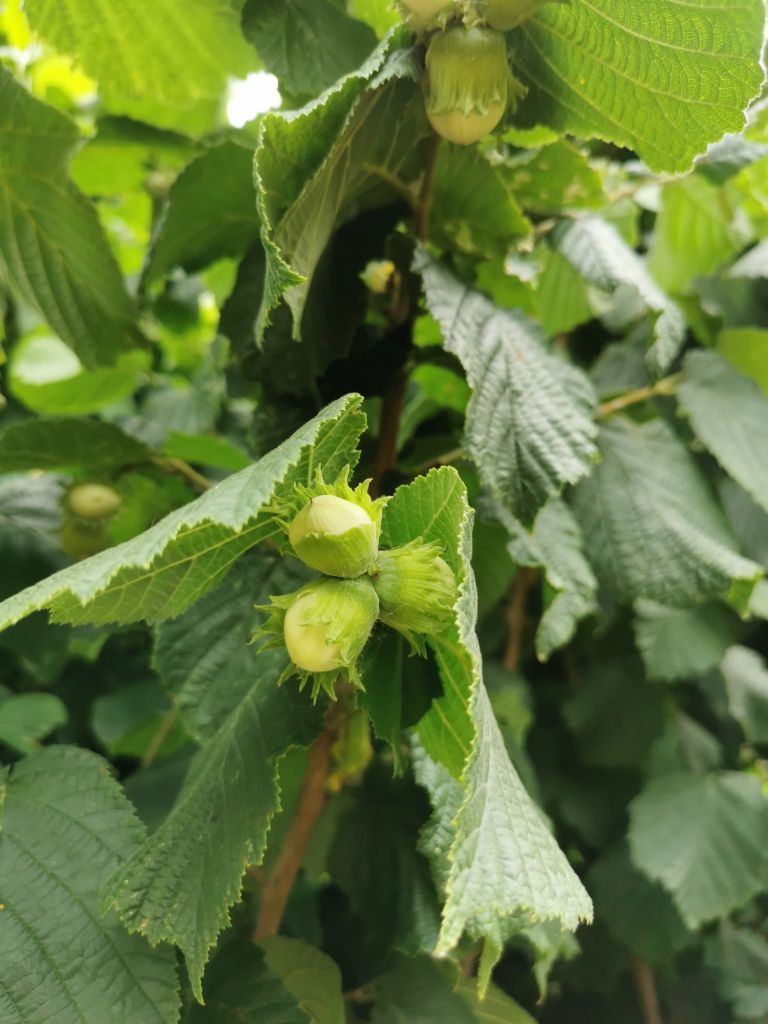
As we move through the Summer, the Hazel trees become a busy place to be, as their nuts are feasted on by squirrels, dormice and birds aplenty. Their vivid green energised on those hot Summer days.
Both Hazel and Willow have similar properties that we can embrace as we transition out of the Winter season. Their branches are particularly flexible, and they grow quickly and with ease before other trees begin to stir, making them wonderful trees to work with to support new beginnings and when we need to connect with courage to overcome challenges.
Within a life span similar to our own (which is relatively short in the tree world), Birch trees can completely transform their environments. A pioneer species, they have the ability to move into a piece of open ground, and transform it into woodland. Their deep roots can draw a vast amount of nutrients up through the earth which they return to the soil in the Autumn when they lose their leaves. This creates favourable conditions for other tree species to move in. For this reason, Birch trees symbolise new beginnings, growth and rebirth.
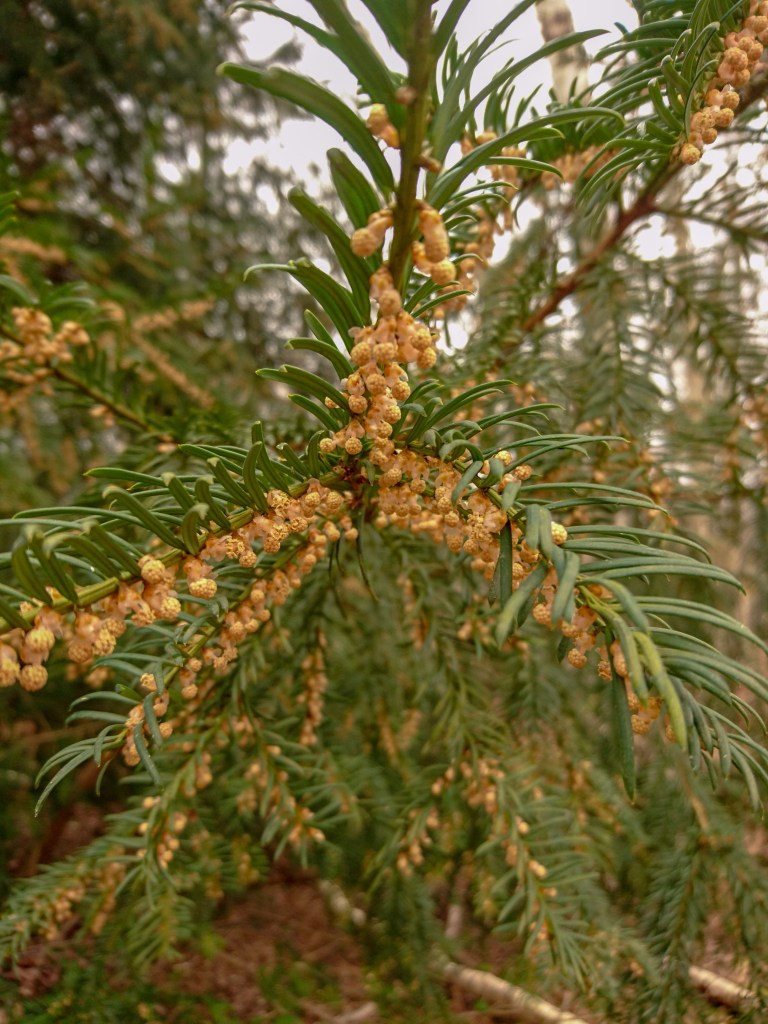
A tree I really enjoy journeying with is the Yew tree, Taxus baccata. Typically associated with the Samhain season, I find myself really connecting with this tree in Spring too.
Like Willows, Yews are dioecious meaning that trees are either male or female. In the Spring the male trees produce an array of flowers covered with golden pollen. This pollen is carried by the wind to the smaller flowers of the female trees that will go on to produce the red berries in the Autumn.
I feel very lucky to have received some wonderful books for my birthday this year including ‘Walking with Trees’ by Glennie Kindred (one of my favourite authors and nature connectors).
It has inspired me to form an even deeper connection with some of our lovely trees in Britain and I thought it might be nice to share some of my journeying here, starting with Willow a beloved tree all year round, but particularly special in Spring.