
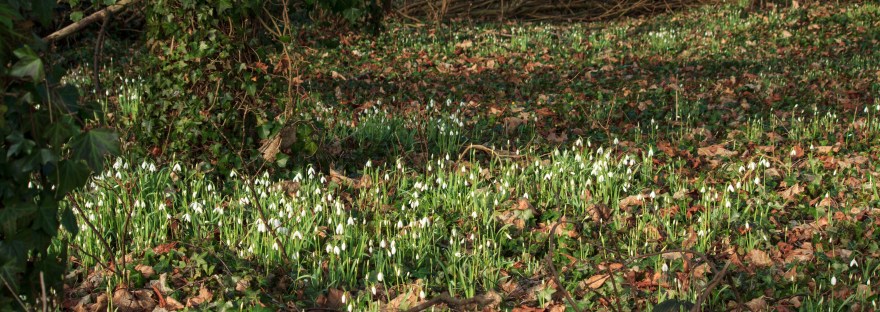
Traditionally celebrated at the beginning of February in the Northern Hemisphere, Imbolc marks late Winter, as the very first signs of Spring emerge. It falls midway between the Winter Solstice (Yule) and the Spring Equinox (Ostara).
At this time of year, the land is beginning to awaken from Winter’s slumber. Light is increasing, encouraging changes in the behaviour of our animal friends and we may notice our own energy changing too. Most growth is still occurring underground, but some little pioneer plants bloom first, signalling the quickening of the year.
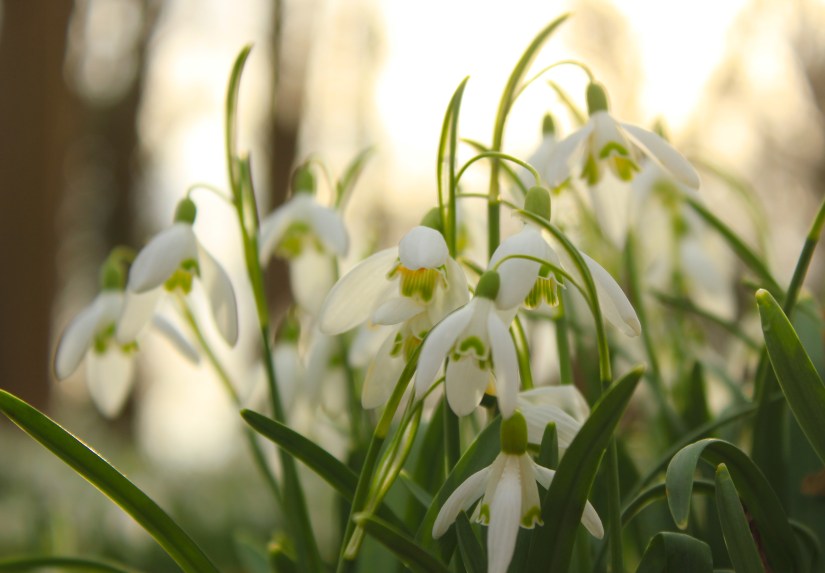
Imbolc is a time of transition. Words commonly used around this seasonal celebration are awakening or unfurling. It can be a tender time where we tentatively begin looking outwards towards the coming months. On the bright days, we may notice our energy rising as we get back out into our garden or wander through the woods and spot signs of new life. Soak those moments in, let the light kindle your dreams and inspiration, and remember, there is no need to rush. The frosts will still come, our energy will ebb and flow. Most of life is still tucked away, far from opening.

Inspiration at Imbolc
This time of the year corresponds to the waxing crescent moon phase. The light is expanding but it is still slight. These times are associated with the energy of the potential and possibility of what could grow late in the cycle.
This is a time to nourish ourselves and our energy for the more energetic times ahead. Nourishment could be considered physically, energetically and spiritually by spending time exploring the following questions:
When do I feel most alive?
What lights me up?

If you enjoyed this post, you may wish to explore my favourite plant and tree allies to explore at Imbolc below:
Discover more from Wild Fen
Subscribe to get the latest posts sent to your email.
 Wild Fen
3 thoughts on “A Guide to Imbolc”